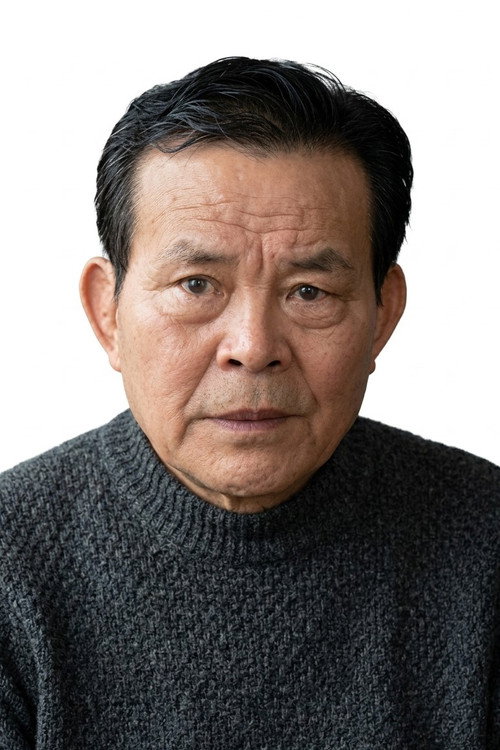
Hisashi Igawa
Acting
Biography
From Wikipedia, the free encyclopedia Hisashi Igawa (井川比佐志 born 17 November 1936) is a Japanese actor who has appeared in such films as Akira Kurosawa's Dodesukaden, Ran and Madadayo. He starred in Abe Kōbō's production of The Man Who Turned Into A Stick, a surrealist play, in 1969.
Known For
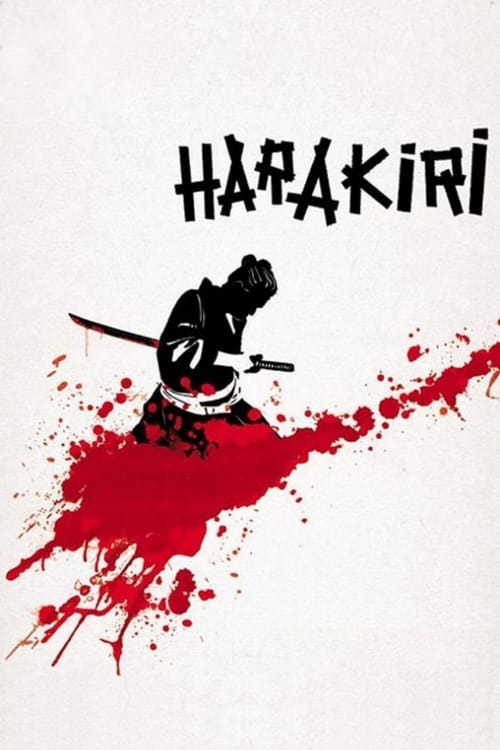
Down-on-his-luck veteran Tsugumo Hanshirō enters the courtyard of the prosperous House of Iyi. Unemployed, and with no family, he hopes to find a place to commit seppuku—and a worthy second to deliver the coup de grâce in his suicide ritual. The senior counselor for the Iyi clan questions the ronin’s resolve and integrity, suspecting Hanshirō of seeking charity rather than an honorable end. What follows is a pair of interlocking stories which lay bare the difference between honor and respect, and promises to examine the legendary foundations of the Samurai code.
Harakiri
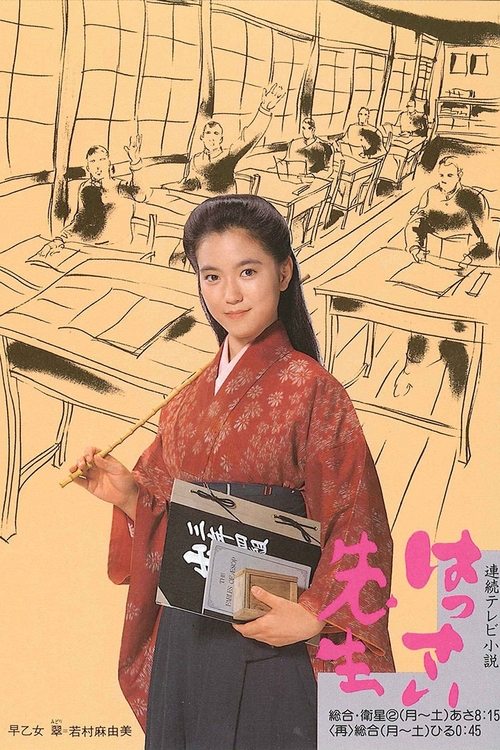
The 39th NHK Asadora drama is Hassai-sensei. A novice teacher in 1930s Osaka learns that there is more to education than mere instruction. Though her tenure is interrupted by first marriage and later World War II, she begins a quest for "ideal education" after the war.
Hassai Sensei
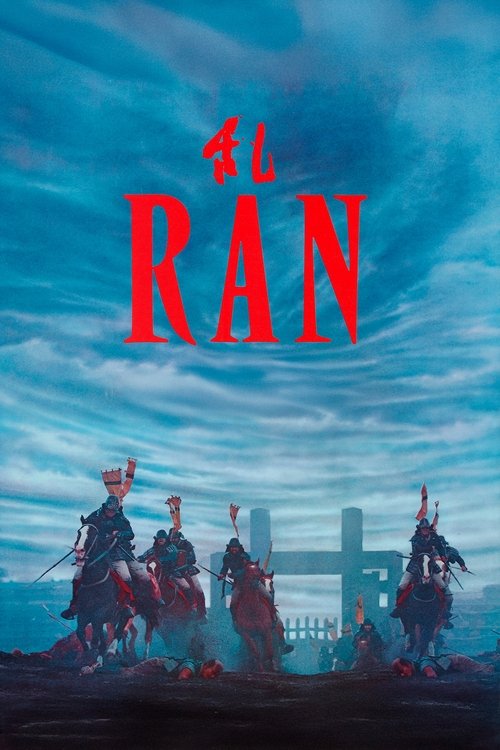
Shakespeare's King Lear is reimagined as a singular historical epic set in sixteenth-century Japan where an aging warlord divides his kingdom between his three sons.
Ran
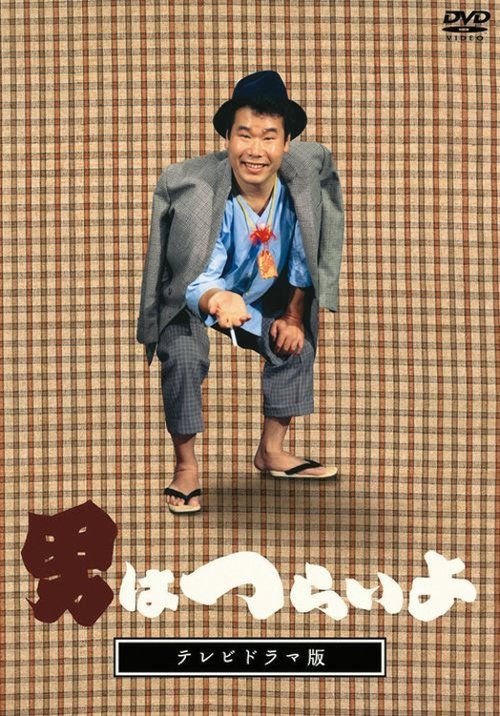
The original TV Drama series the famous Tora film series was based on.
It's Tough Being a Man
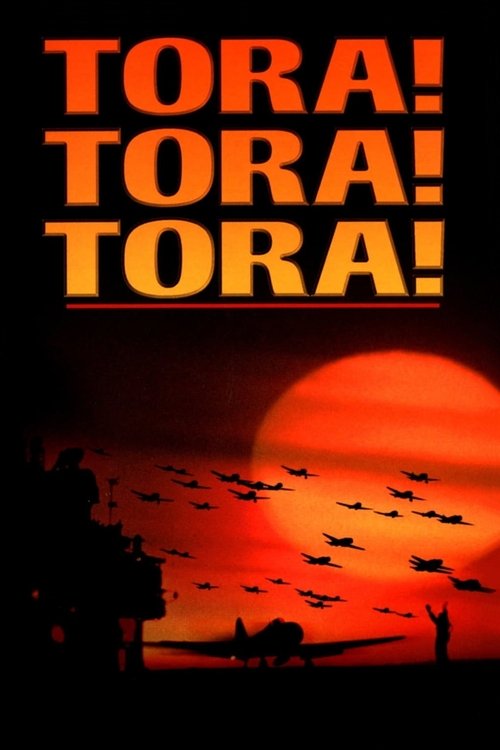
In the summer of 1941, the United States and Japan seem on the brink of war after constant embargos and failed diplomacy come to no end. "Tora! Tora! Tora!", named after the code words used by the lead Japanese pilot to indicate they had surprised the Americans, covers the days leading up to the attack on Pearl Harbor, which plunged America into the Second World War.
Tora! Tora! Tora!

In this humorous paean to the joys of food, a pair of truck drivers happen onto a decrepit roadside shop selling ramen noodles. The widowed owner, Tampopo, begs them to help her turn her establishment into a paragon of the "art of noodle-soup making". Interspersed are satirical vignettes about the importance of food to different aspects of human life.
Tampopo
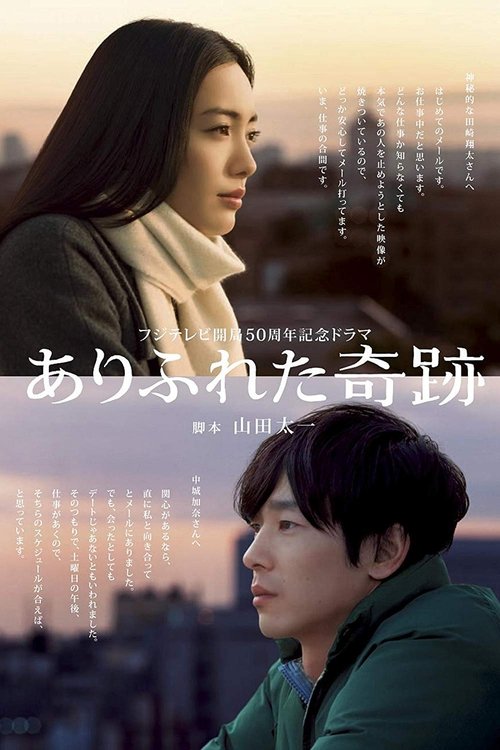
One day, a middle-aged man, Fujimoto Makoto, is standing on a train platform, about to jump in front of a train. Nakashiro Kana and Tasaki Shota both happen to be on the same platform, and sensing what is about to happen, they quickly pull him back to safety. There's a reason why Kana and Shota realized Makoto's intentions, they both have the kind of emotional scars that can't be put into words. Even after so much pain, through a series of e-mails, they've become attracted to one another and slowly learn to open up their hearts once again.
Ordinary Miracles
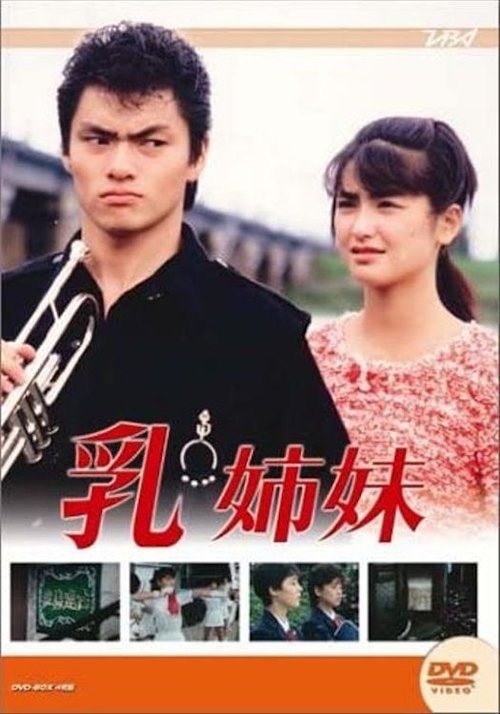
A moving story of intense love, hate, and reconciliation born out of a fateful encounter between the only daughter of a conglomerate leader and a girl from a poor family.
Stepsisters
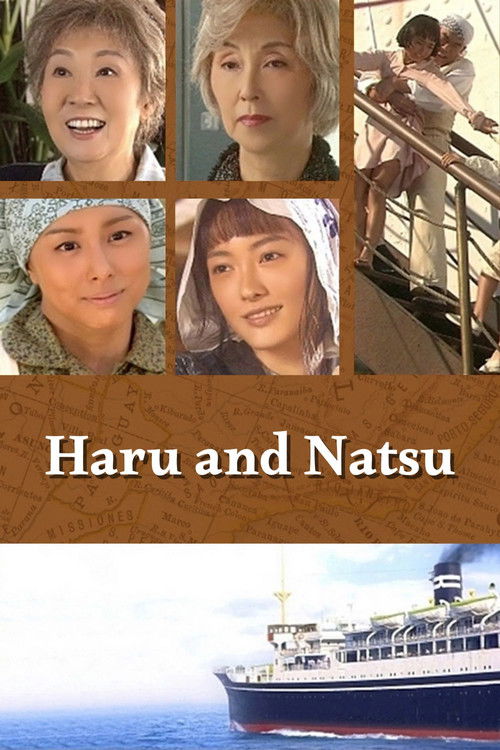
As Haru emigrates from Japan with her family to the coffee plantations in Brazil, Natsu is left behind in the care of spiteful relatives. Losing all contact, each must make her own way in an unforgiving world. Hardships abound in the struggle to survive in war-torn Japan and in the face of anti-Japanese sentiment in Brazil, financial ruin, familial pressure, abandonment and lost love. However they also experience the precious joy of survival and success. Now, after 70 years, Haru comes back to Japan to find her estranged sister.
Haru and Natsu

Eight visually rich vignettes drawn from Kurosawa’s own dreams—fox weddings and vanished orchards, a soldier’s ghosts, a walk through Van Gogh’s canvases, nuclear nightmares, and a water-mill utopia—meditate on childhood, art, mortality, and humanity’s uneasy bond with nature.
Dreams
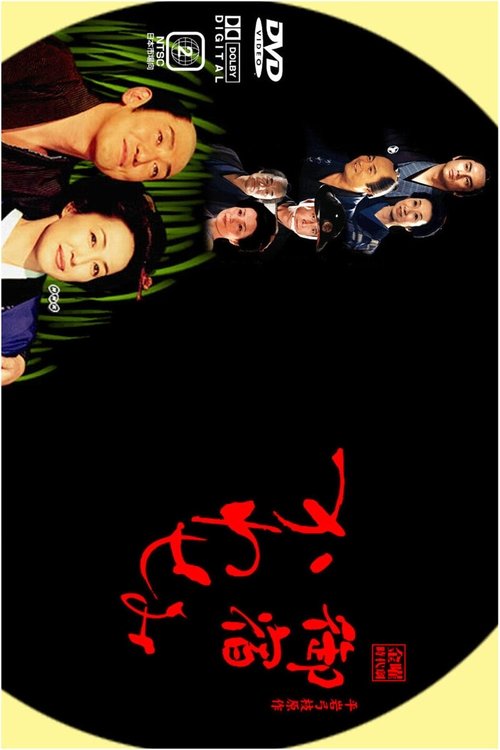
Humanistic detective stories that took place in an inn called 'Kawasemi'.
On-yado Kawasemi
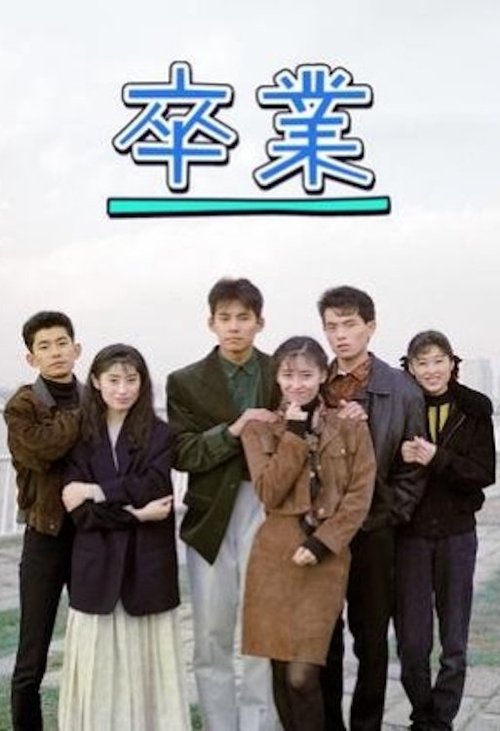
Kinoshita Kaori (Nakayama Miho), a native of Nagano, was allowed to live alone in Tokyo for two years during her junior college years. Now, with employment still unsettled, her parents are pressuring her to return to Nagano. Her friend Noriko (Sendo Atsuko) had good grades in junior college and had received a job offer from a major company, but the offer was rescinded due to her living alone. Meanwhile, Tomoko (Kawai Michiko), who dreams of becoming a reporter while job hunting, is also struggling to balance her dreams and reality. One day, Kaori visits a small company with her resume in hand, where she meets the company president, Yoshizawa (Oda Yuji). Yoshizawa accepts Kaori without even a proper interview, and despite her misgivings about the company, she soon finds herself drawn to Yoshizawa.
Graduation

In a small village in the Kanto regioin, which is surrounded by mountains, residents and a management consultant (Shosuke Tanihara) struggle to rebuild the village through its only industry, farming.
Marginal Village Inc.
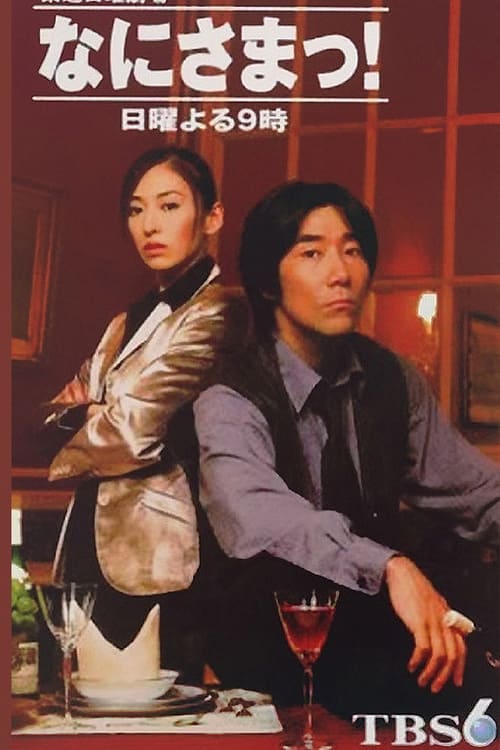
While working in the leisurely atmosphere at a food company's factory, Futaro is asked to return to their corporate headquarters by his good friend. Unfortunately, he finds himself assistant to Izumi, a highly demanding expert on Italian food culture. Futaro gets off to a rocky start with his new female boss, and always seems to be saying or doing the wrong thing. He also doesn't seem to be particularly suited to his new position on the Italian Restaurant Project, considering he doesn't even like tomatoes! But Futaro may still have a few tricks left up his sleeve that he can use to win over Izumi and find success in his new job.
Who Do You Think You Are?
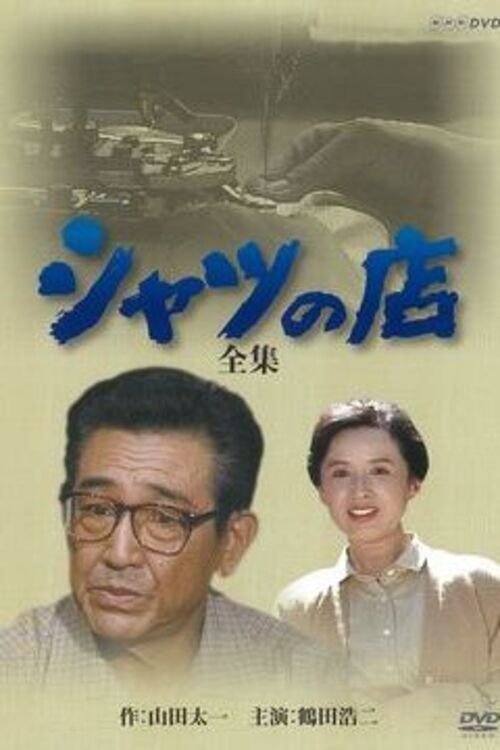
Shukichi, the owner of a shirt shop in Tsukuda, Tokyo, is a stubborn craftsman devoted to his work. Through clumsy in his expressions of affection, the mini-series depicts the sincerity, pride and pathos of a man who has supported his family to the best of his ability by devoting himself to his work. One day, his wife and son explode their daily frustrations with Shukichi and leave home...
The Tailor-Made Shirt
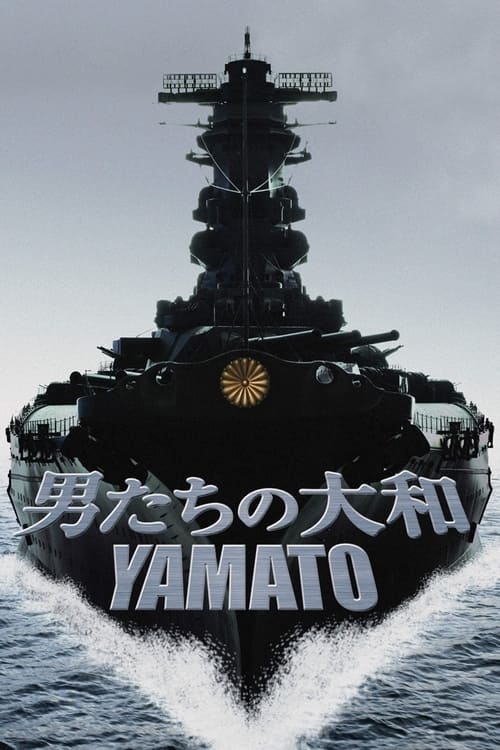
Directed by Junya Sato and based on a book by Jun Henmi, "Yamato" has a framing story set in the present day and uses flashbacks to tell the story of the crew of the World War II Japanese battleship Yamato. The film was never released in the United States, where reviewers who have seen it have compared the military epic to "Titanic" and "Saving Private Ryan."
Yamato
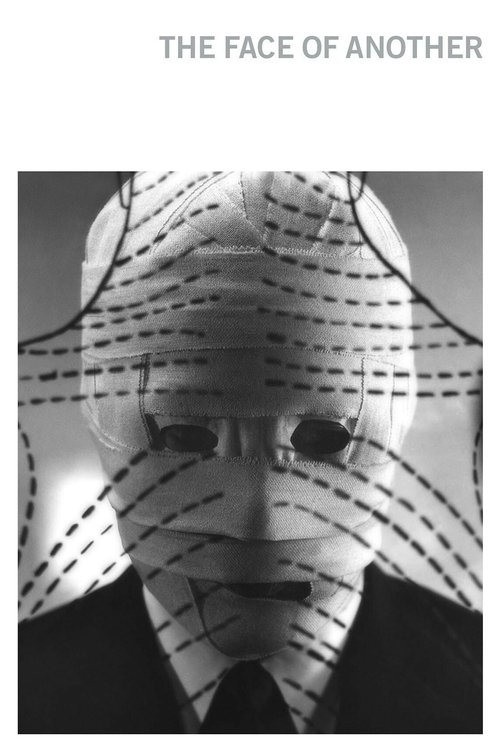
A businessman with a disfigured face obtains a lifelike mask from his new doctor, but the mask starts altering his personality and causing him to question his identity.
The Face of Another

The tragic, true story about Hachikō, an Akita dog who was loyal to his master, Professor Ueno, even after Ueno's death.
Hachiko
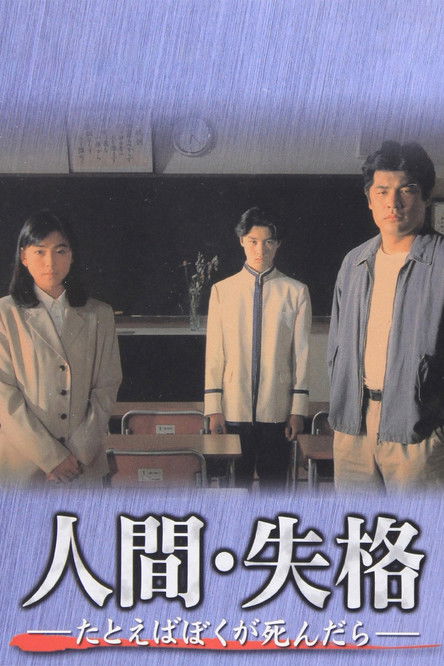
Three tales raise unsettling questions about the central qualities of being human. In one, a father is torn between love for his son and the desire for revenge, while a second examines the twisted love of a teacher for his female colleague. The third story delves into the complex affections hidden within a bully.
The Loss of Humanity
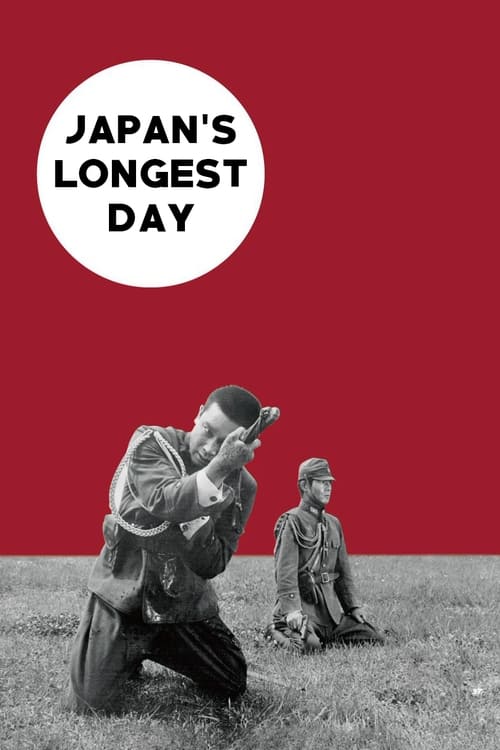
Following the detonation of the atomic bombs on Hiroshima and Nagasaki, the Japanese military and the government clash over the demand from the Allies for unconditional surrender. Minister of the Army Anami leads the military officers who propose to fight on, even to the death of every Japanese citizen. Emperor Hirohito, however, joins with his ministers in asking the unthinkable, the peaceful surrender of Japan. When the military plots a coup to overthrow the Emperor's civilian government, Anami must face the choice between his desires and loyalty to his Emperor.