FEEL IT.STREAM
Celina Murga

Celina Murga

Directing

Biography

​From Wikipedia, the free encyclopedia. Celina Murga (born December 1973) is an Argentinian filmmaker, screenwriter, and producer. Celina's prevalence within the cinematic industry benefited heavily from her second directorial project Ana and the Others (2003), the film was so well received, it even compelled a certain iconic filmmaker in to action.[who?] After a screening of Murga's film, American film director Martin Scorsese extended an offer to Murga for her to join him on the set of his current motion picture at the time Shutter Island (2010).However, the invitation for a burgeoning filmmaker to become an assistant within his production is not unprecedented, screenwriter Amy Holden Jones was the first to gain this type of access in 1976, on the set of Scorsese's Taxi Driver. Description above from the Wikipedia article Celina Murga, licensed under CC-BY-SA, full list of contributors on Wikipedia.

Known For

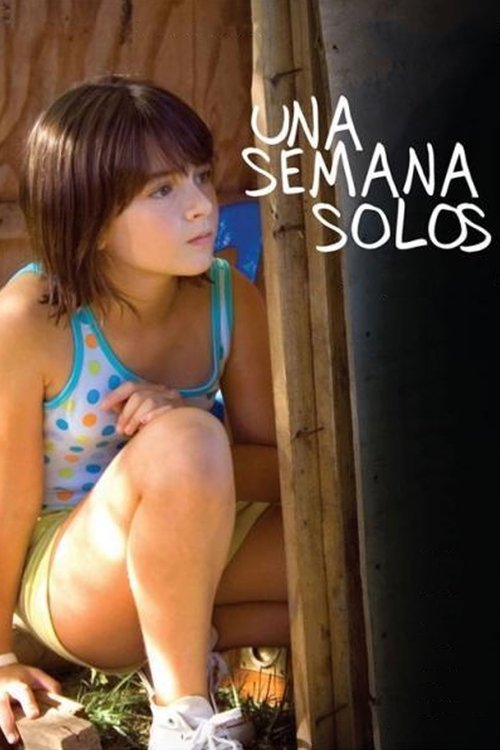
A Week Alone
5.6

Maria is a girl in her early teens whose family lives in an upscale gated suburb. Maria's parents are going out of town for a week, and rather than leave her with relatives or hire a babysitter, Maria is put in charge of looking after her little sister Sofia, with housekeeper Esther serving as a nominal adult authority figure, though for the most part she lets Maria and the others do what they please. With only their parents bedroom off-limits, Maria and Sofia have the run of the house, and soon they and their friends Facundo, Quique, Rodrigo and Timmy are spending their days exploring the place. As the kids begin creating their own rules to run counter to the ones their absent parents set down, Esther brings a young relative, Fernando, to play with them, and the privileged kids begin to get a notion of the ways of the outside world.

A Week Alone

2009Movie
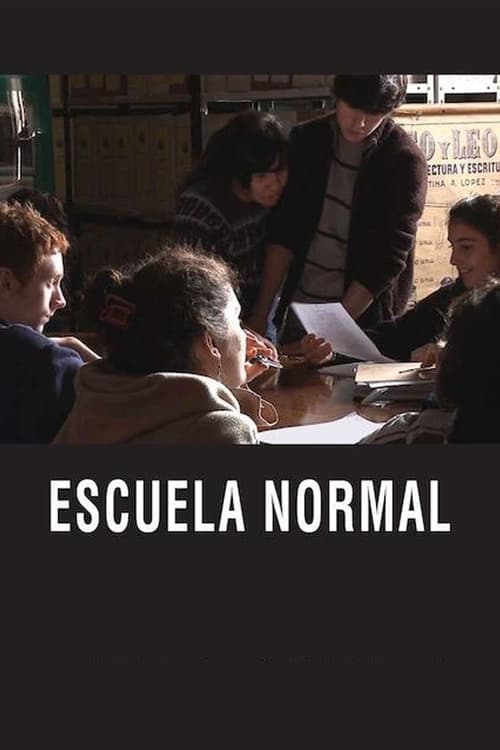
Intervened Archives: Cinema School

Continuing the series started with Intervened Events (2014), the Buenos Aires Film Museum presents the second feature film made entirely with material from its archives and by fourteen outstanding Argentine filmmakers. These are nine issues of Cine Escuela Argentino, a project created in 1948 by the Argentine Ministry of Education during the first government of Juan Domingo Perón. The latter promoted “the use of the cinematographer as a didactic assistant destined to complete the educational and cultural work, mainly in what concerns exalting the feelings of the nationality, with the heroic example of the heroes, Christian morality and the multiple civil duties, great and small”. Hence, most of the films produced by Cine Escuela Argentino were aimed at scientific dissemination and tourism promotion of the various regions of the country. (Museum of Cinema)

Intervened Archives: Cinema School

2016Movie