FEEL IT.STREAM
Yurii Illienko

Yurii Illienko

Directing

Biography

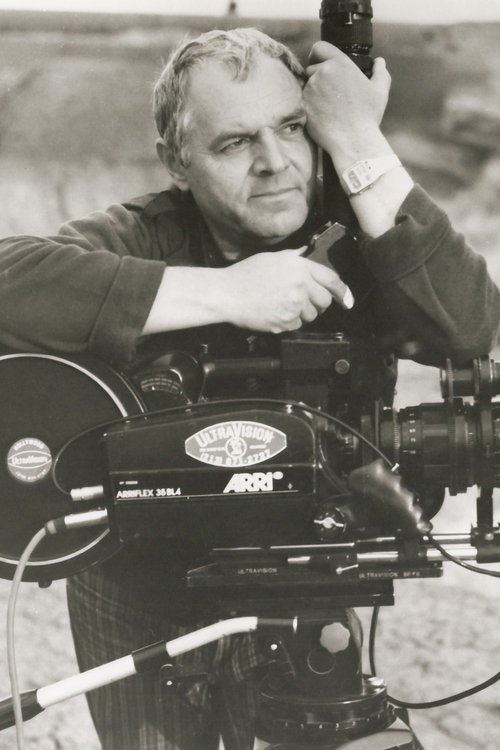
Yuri Illienko (18 July 1936 – 15 June 2010) was a Ukrainian film director and screenwriter. He directed twelve films between 1965 and 2002. His 1970 film The White Bird Marked with Black was entered into the 7th Moscow International Film Festival where it won the Golden Prize. Illienko was one of Ukraine's most influential filmmakers. His films represented Ukraine and what was happening to it. His films were banned in the USSR for their suspected anti-Soviet symbolism. Only in the recent years have his films been re-released and open to the public. Illienko was born in Cherkasy in 1936 but during World War II his family was evacuated to Siberia while his father was in the Red Army. He graduated high school in Moscow and Gerasimov Institute of Cinematography in 1960. From 1960 till 1963 he worked as a director of photography at the Yalta Film Studio. In 1963 Illienko started his work as an operator and then a director at Dovzhenko Film Studios. His 1965 film Spring for the Thirsty (written by Ivan Drach) and 1968 film Vechir Na Ivan Kupala where both banned by the Soviet authorities till 1988. His 1971 film The White Bird Marked with Black, received the grand prize of the Moscow Film Festival, but at the 24th Congress of the Communist Party of Ukraine the film was (also) banned and branded "the most harmful movie that has ever been made in Ukraine, specifically for young people". His next film, To dream and to live (written in collaboration with Ivan Mykolaichuk), was stopped 42 times at various stages of production. Illienko then emigrated to Yugoslavia, where he shot the film To live in spite of everything. The film won "Silver" at Pula Film Festival and the prize for best actor. In the Ukrainian SSR, the picture was not allowed to be shown. His 1983 film Lisova pisnia. Mavka won the FIPRESCI Prize. In 1987 Illienko received the title of People's Artist of Ukraine. Yuriy Ilyenko created the independent film studio Fest-Zemlya, where he made the first non-state film in Ukraine. His 1990 film "Swan Lake "The Zone"" again won the FIPRESCI Prize. In 1991 and 1992 Illienko was Chairman of the Ukrainian Cinema Foundation. in 1991 he was awarded the Shevchenko National Prize. His 1994 documentary about Serhiy Parajanov received the "Golden Knight" at the film festival Cinema City. In 1996 he became a member of the Academy of Arts of Ukraine. His 2002 film A Prayer for Hetman Mazepa was banned from rental in Russia. Illienko died of cancer on 15 June 2010 at the age of 74.
Known For

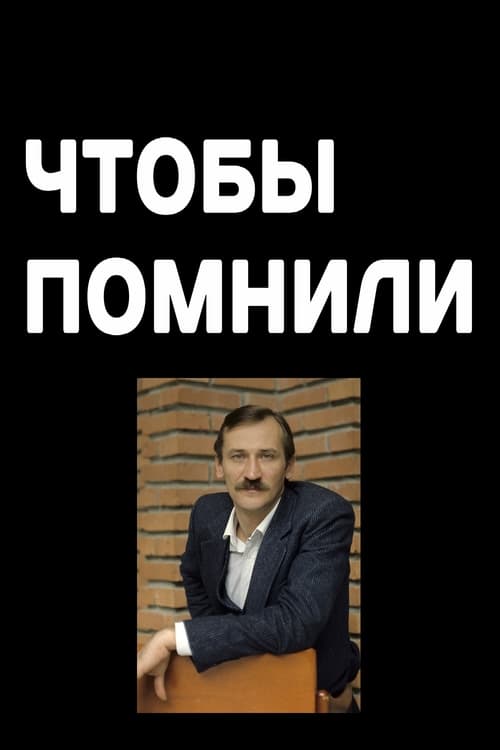
To Remember
7.0

No description available.

To Remember

1993
Shadows of Forgotten Ancestors
7.6

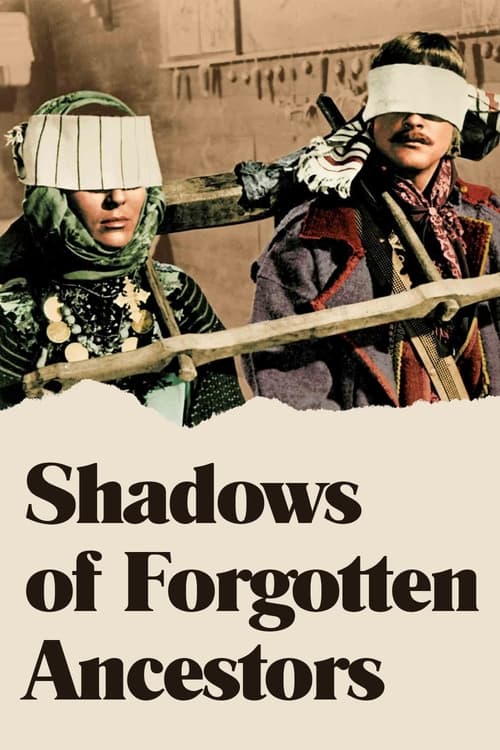
In the Carpathian Mountains of 19th-century Ukraine, love, hate, life and death among the Hutsul people are as they’ve been since time began. Ivan is drawn to Marichka, the beautiful young daughter of the man who killed his father. But fate tragically decrees that the two lovers will remain apart.

Shadows of Forgotten Ancestors

1965
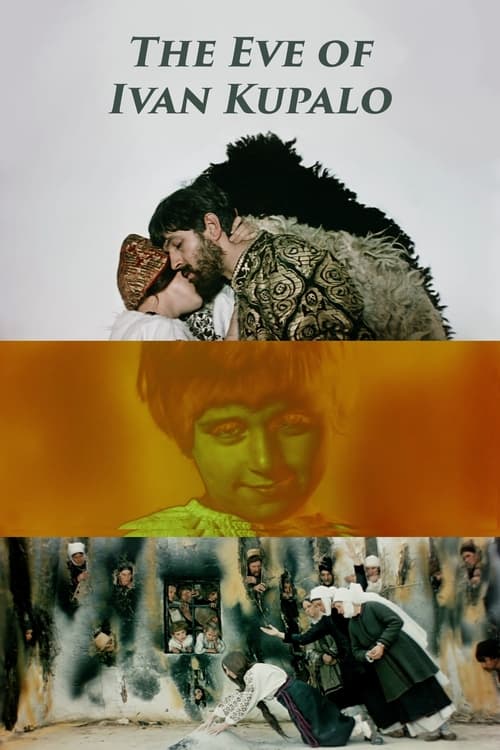
The Eve of Ivan Kupalo
7.0

Petro is a modest farmhand living in an impoverished village in some unspecified long-ago era. He wants to marry the lovely Pidorka, but her stern father won't hear of it. The mischievous demon Basavriuk, offers a deal, enticing Petro into crime for the sake of fortune. Based on Nikolai Gogol’s short story “The Eve of Ivan Kupala” (“St John’s Eve”) and Ukrainian folk tales.

The Eve of Ivan Kupalo

1968
A Story of the Forest: Mavka
5.9

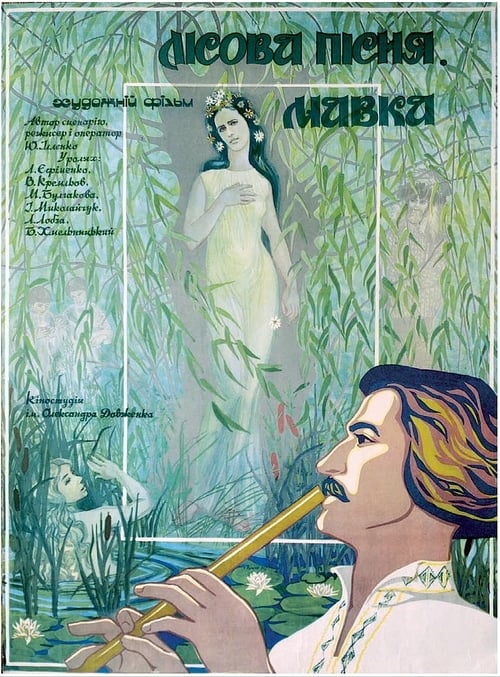
Mavka, a water nymph, loves Lukash, a country youth. Their brief happiness ends when Lukash is forced to marry the shrewish Kilina. The Spirit of the Forest turns Lukash into a wolf as punishment for his infidelity. The strength of Mavka's love breaks the spell, but Kilina curses the nymph, transforming her into a weeping willow. This beautiful and tragic story is based on a play written in 1912 by Lesya Ukrainka, a Ukrainian poet, writer and political, civil and female activist, and includes mythological characters taken from Ukrainian folklore.

A Story of the Forest: Mavka

1980
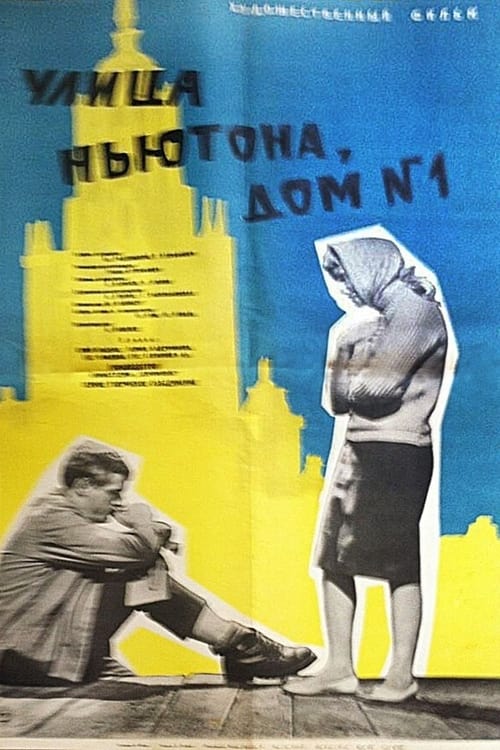
1 Newton Street
4.7

Timofey Suvernev comes to Moscow from a distant island to study. Tim successfully passes the exams at the institute, and immediately plunges into a turbulent student life. Through hard work and study, he achieves brilliant success, his student work, which he wrote together with his classmate Galtsov, receives a gold medal at the competition.

1 Newton Street

1963
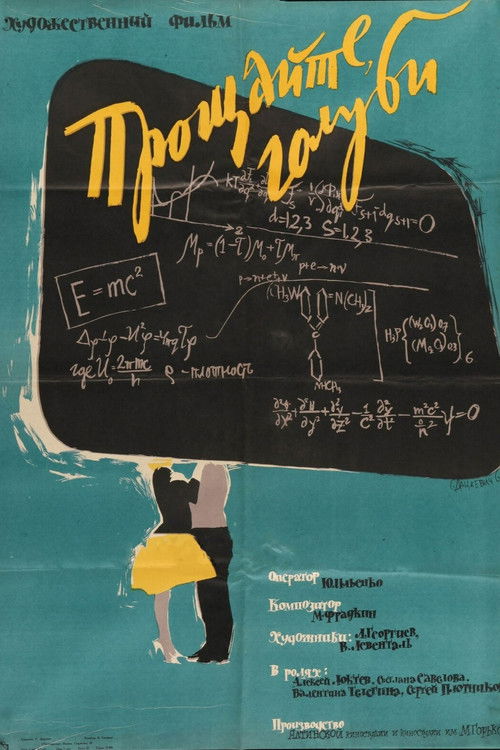
Farewell, Doves
6.3

Genka Sakhnenko, a seventeen-year-old boy, has been passionate about pigeon breeding since childhood. But he begins to make a living, falls in love with the girl Tanya and realizes that it is time to leave his childhood hobbies.

Farewell, Doves

1960
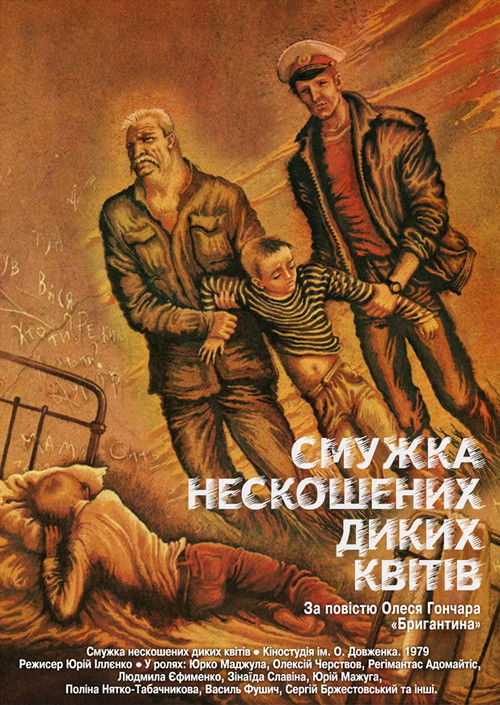
A Strip of Uncut Wild Flowers
5.1

A story of two delinquent boys at a boarding school, struggling to cope with fathers who abandoned them, and retreating into fantasy.

A Strip of Uncut Wild Flowers

1979
A Spring for the Thirsty
7.0

A parable centering on an old man who lives a secluded life in the desert, alone with only his memories and photographs. His wellspring, once a source of joy and hope for thirsty passersby, is now rarely used. No longer able to find comfort in his memories, he turns all his photographs to face the walls.

A Spring for the Thirsty

1965
Defying Everybody
5.2

The movie takes us through the trials and tribulations of Petar I Petrovic, the man who united Montenegro in the 18th century and led them in the Battle of Krusi against a huge Turkish army to return victorious and pave the first path towards economic development.

Defying Everybody

1973
The Legend of Princess Olga
6.7

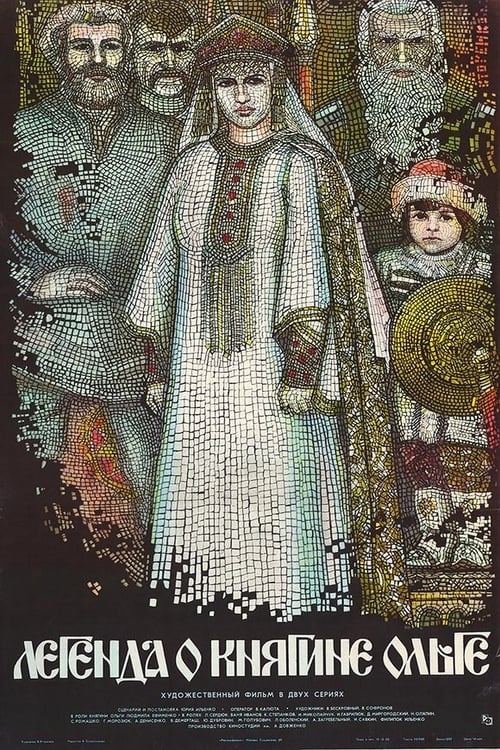
The film is a poetic adaptation of a series of stories (oral and written) about Princess Olha of Kyivan Rus' (Ukraine-Rusʹ) at the start of the 11th century. Inspired by chronicles and folk legends this is a story of a common girl Olha who married Prince Ihor and became his successor on the throne after his murder and one of the most remarkable political leaders in early medieval European history. She converted to Christianity and brought her realm into Europe.

The Legend of Princess Olga

1984
Swan Lake: The Zone
6.2

A convict is forced to hide within a model of a hammer and sickle. Here a tragic romance ensues between the convict and woman worker; which is spoilt by the woman's jealous young son. The convict is then forced to undergo a tragic bid for freedom which ends with the beauty of swans contrasted with the imprisoned convicts and the hopeful but ultimately tragic wait by the woman for her lover.

Swan Lake: The Zone

1990
The White Bird Marked with Black
6.0

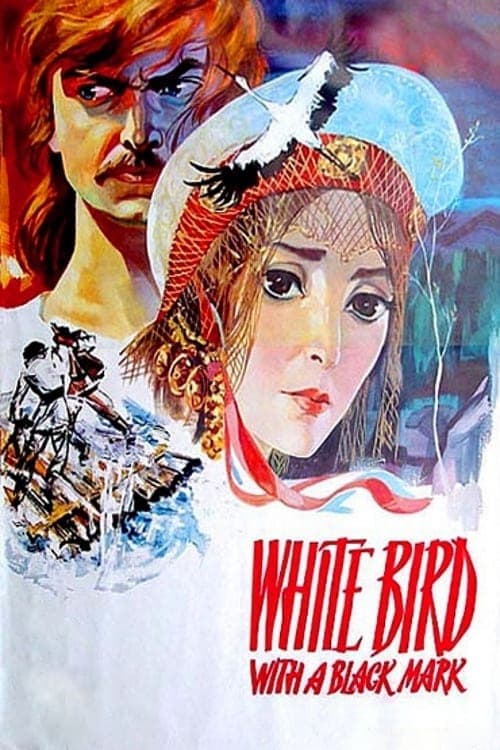
A family struggles to survive in an area that was claimed as part of Rumania, Poland and Ukraine, all within a short span of time. When World War II comes, various family members choose different masters; some even choose to work for the Soviets. War, struggle, marriages, births, deaths--all these events punctuate the story of this large family.

The White Bird Marked with Black

1972
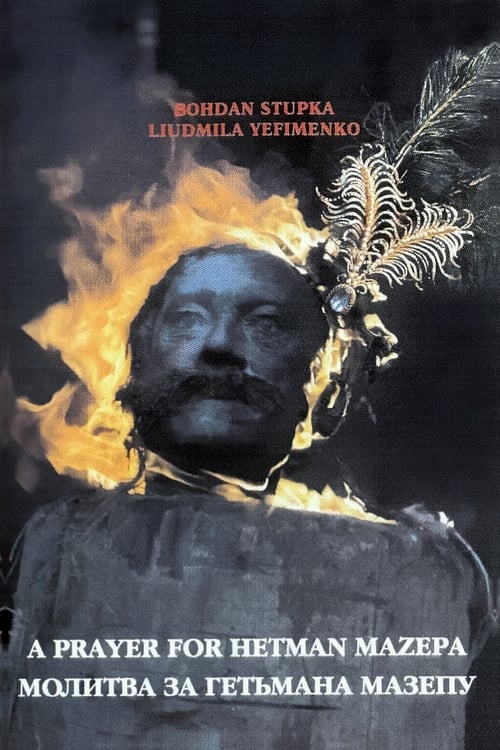
A Prayer for Hetman Mazepa
5.3

During an interesting era in the history of Eastern Europe when Russia, under Peter the Great, and Sweden, under King Charles XII, struggled for power, Ukraine was the pawn in the middle. In 1709, Ivan Mazepa, Hetman of Ukraine, which was part of the Russian Empire, signed a pact with the Swedish king promising to support Sweden in its war against Russia provided that Ukraine was given its independence.

A Prayer for Hetman Mazepa

2003
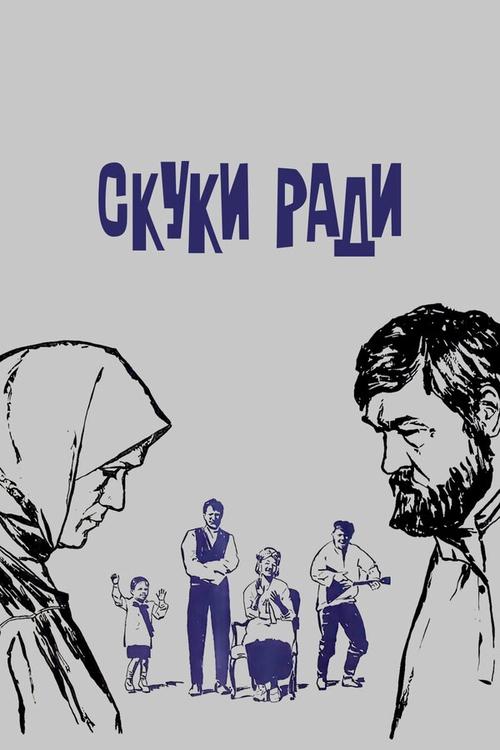
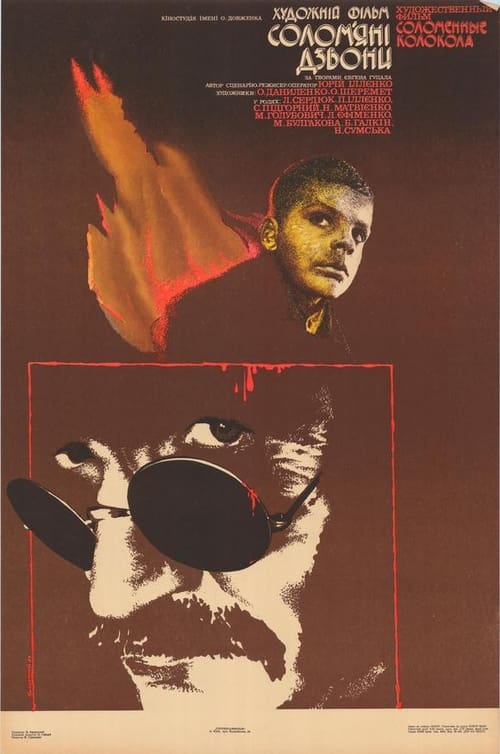
Straw Bells
10.0

Vasyl Vilgota raised two sons. One of them died on the fronts of the Second World War, defending the homeland, and the second served as Hilfspolizei. Vilgota himself also helped the Nazis. Although he carefully hides this fact of his biography, there is one man who knows the truth about him.

Straw Bells

1987
The Feast of the Baked Potato
6.4

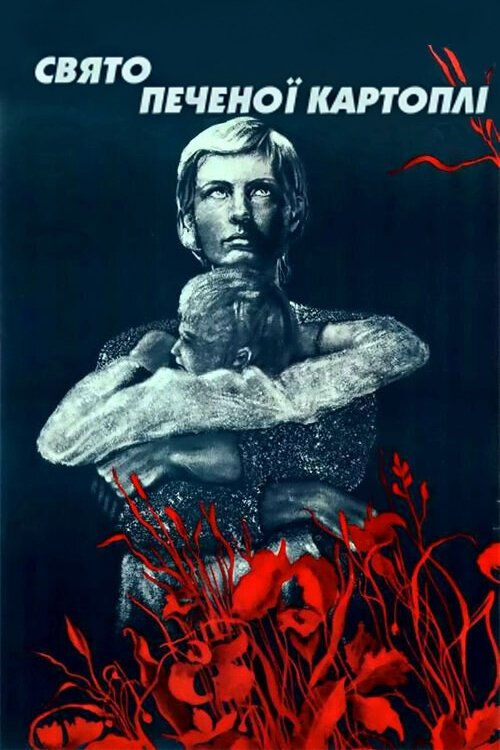
Drama about Aleksandra Avramovna Derevskaya (1902-1959), who, between the two wars - the Civil and Great Patriotic War, raised 48 orphan children of different nationalities. After her death, each birthday, her large family gathers at the table, to preserve the tradition of serving baked potatoes, which was a favorite dish of the household head.

The Feast of the Baked Potato

1978
Paradzhanov: Christ score in C major
N/A

In 1989, Yurii Illienko came to Tbilisi to show Sergei Parajanov his film “Swan Lake. The Zone“, based on Parajanov's prison stories. The next day after the screening, Illienko shows the film to Soviet central party newspaper Pravda, which publishes the news of the resignation of Vladimir Shcherbytsky, who had ordered Parajanov's initial imprisonment. Illienko hands Parajanov the newspaper and turns on a household video camera. What follows is a friendly conversation between the two geniuses.

Paradzhanov: Christ score in C major

1994
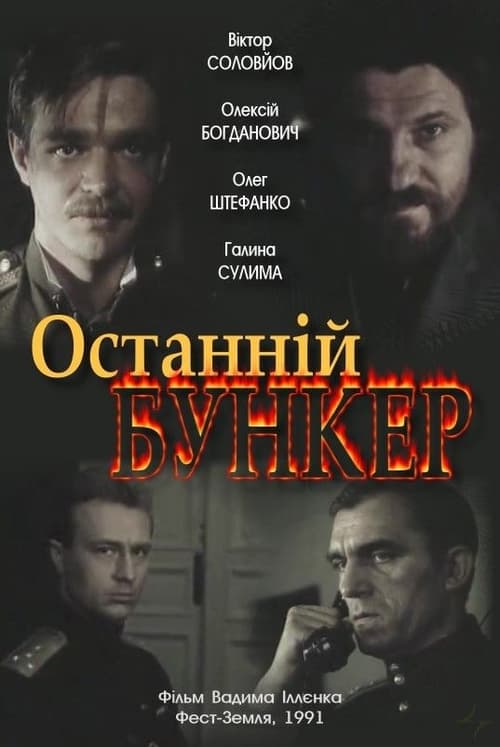
The Last Bunker
N/A

The film tells about the last stage of the struggle of the Ukrainian Insurgent Army against the NKVD squads. Events occurring after the end of World War II.

The Last Bunker

1991
My Son is Somewhere
6.5

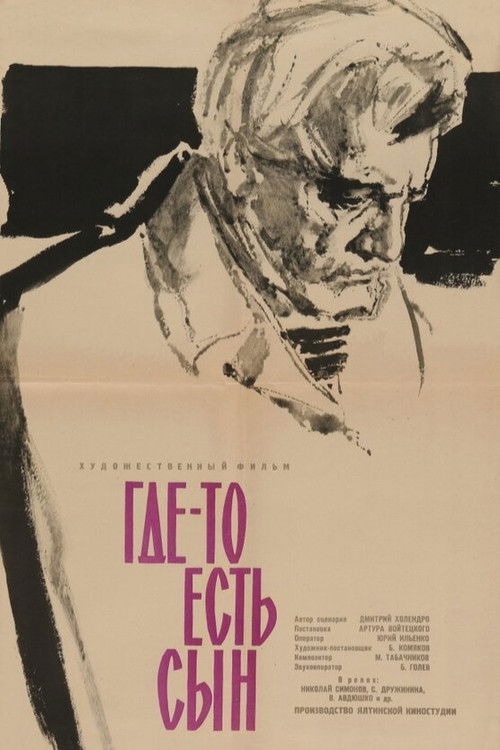
An old fisherman spends his days waiting to hear from his son who left the village long time ago.

My Son is Somewhere

1962
Mirgorod and Its Inhabitants
7.2

Based on the works of Nikolai Gogol - 'The Old World Landowners', 'The Tale of How Ivan Ivanovich Quarreled with Ivan Nikiforovich', 'Ivan Fyodorovich Shponka and His Aunt'.

Mirgorod and Its Inhabitants

1983
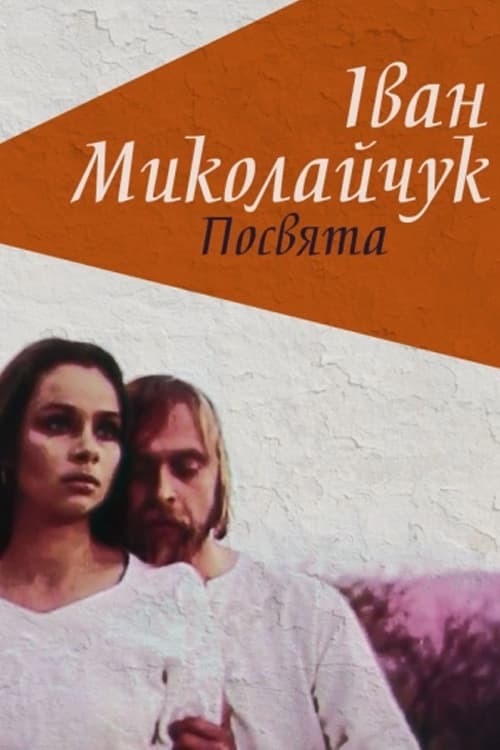
Ivan Mykolaichuk. Dedication
8.0

The story of life and death of actor Ivan Mykolaychuk - the legend of Ukrainian poetic cinema. The film is stylized as Vertep Christmas mystery: the heroes are explaining themselves with the roles they play.

Ivan Mykolaichuk. Dedication

1998