Vladimir Barsky
Directing
Biography
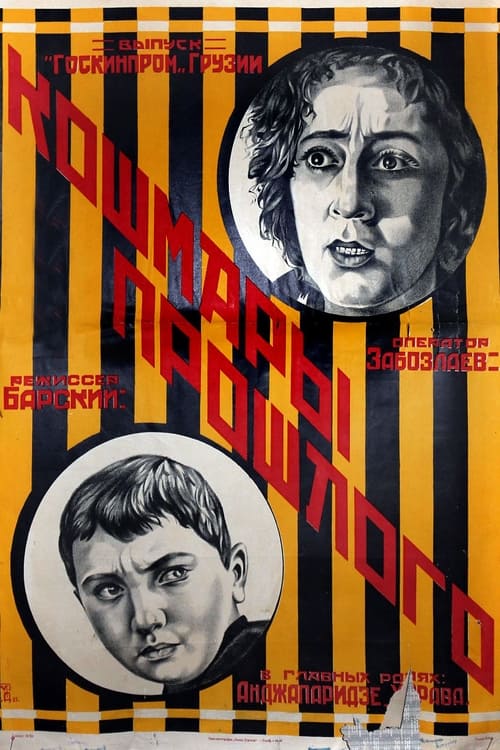
Vladimir Grigorievich Barsky (1866 - January 24, 1936) - Russian Soviet director, screenwriter and actor; author of articles on theater issues. He took part in the development of Turkmen and Uzbek cinematography. He graduated from the Moscow Real School (1885) and the Imperial Moscow Technical School. From 1892 - director and actor of a number of theaters, in 1899–1917 he worked as a director and actor of the drama theater in Ivanovo-Voznesensk, in 1917–1921 - at the National House in Tiflis. In 1921-1928, he was the director of the Goskinprom of Georgia, since 1928 - film studios: Sovkino, Mezhrabpomfilm, Uzbekkino, Turkmenfilm. Together with the screenwriter G. Arunstanov worked on a series of films under the general title “Iron penal servitude”, which were supposed to show the revolutionary past of Georgia. Only two films were created: “Nightmares of the Past” (1925), describing the events of 1905, and “At the cost of thousands” (1925), about the events of 1916-17. He died on January 24, 1936. He was buried in the Don Cemetery in Moscow. From Wikipedia (ru), the free encyclopedia
Known For

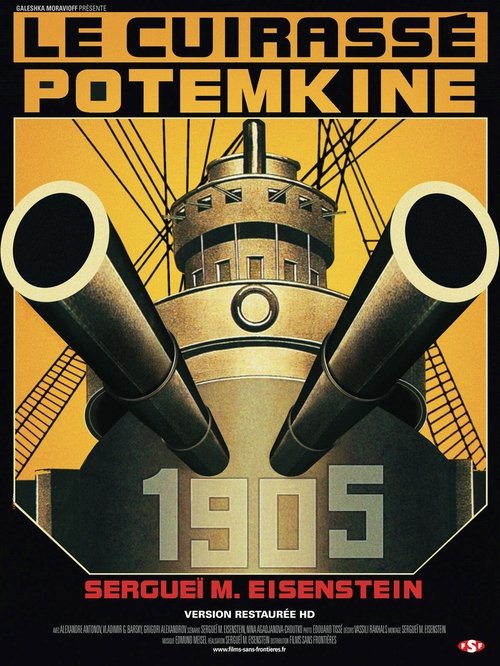
A dramatized account of a great Russian naval mutiny and a resultant public demonstration, showing support, which brought on a police massacre.
Battleship Potemkin

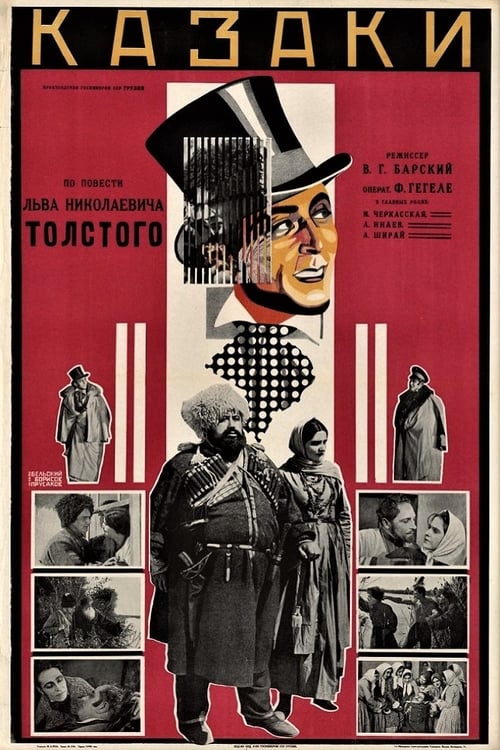
Yunker Olenin, a representative of St. Petersburg's "golden youth," travels to the Caucasus in search of romance. His regiment is stationed in a Cossack village. There he falls in love with the beautiful Marina and even decides to marry her, not yet knowing that she loves the Cossack Lukashka and would never trade him for a lord.
Cossacks

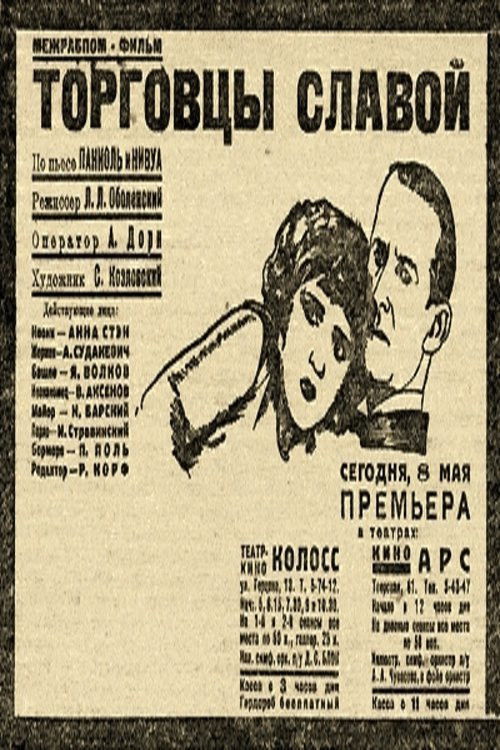
The film is set in France during World War I. Bachelet's father and son are members of the French army . After the death of Bachelet Jr., he is called a national hero, actively using the fact of his death in the election campaign to fight communism. At the time of the opening of the monument in his honor, the hero himself appears, having returned to his homeland. It turns out that Bashlet Jr. was actually only shell-shocked, not killed. He uses the current situation to call on the audience to stop the imperialist war. This is followed by his arrest and charges of imposture.
Glory Dealers

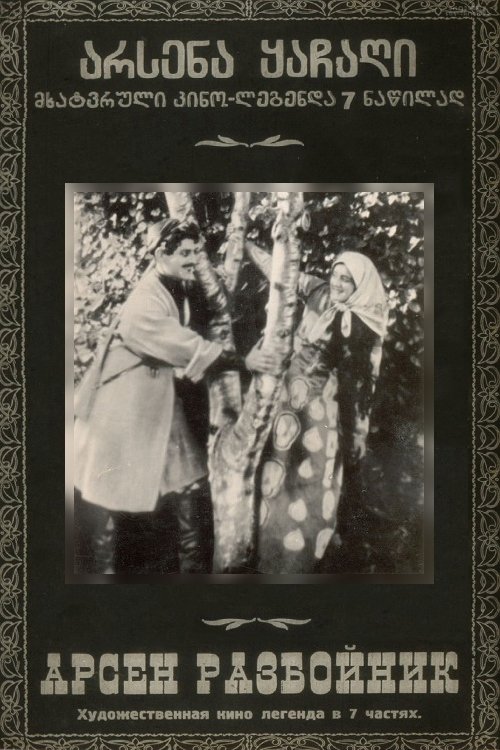
Following an order of the landowner, the bride of Arsena’s fellow villager gets kidnapped and the bride’s father is relentlessly flogged. Arsena tries to rescue the woman but fails and goes to the mountains with his newly married wife. Above all, Arsena learns that his wife is impregnated by the landowner and burns down his house. Arsena gets arrested, but manages to escape and joins the rebel peasants. Arsena feels that with the passage of time the rebels turn into criminals and continues to fight with the oppressors alone.
Arsena, the Brigand

In 1905, the son of a revolutionary executed by the king's government continues his father's work. Due to the events of 1917, he is arrested, but he manages to escape and calls the workers to revolt. The revolution broke out in Georgia as well. In these battles, the life of a revolutionary dies, at whose grave he takes an oath of loyalty to bright ideas.
At the Price of a Thousand

Kulak Walter's successor, Robert, calls his fellow villagers to form a collective farm. The poor peasantry of the village actively supports his call. The first collective farm of German colonists "Rote Fane" (Red Flag) is created. Local kulaks begin to fight against him. Under the influence of the kulaks' agitation, part of the middle-class colonists went to Germany. The collective farm grows and becomes stronger, and the kulaks weaken. Walter bribes his watchman, old Shakir, and incites him to kill Robert. But Shakir can't beat Robert. He exposes Walter's nefarious intentions and joins the collective farm. A letter comes from the departed colonists, reporting that there is an economic crisis and unemployment in Germany, and expressing regret for following the provocation and leaving the Soviet Union.
Shakir
Archive footage from Potemkin (1925), with English dialogue dubbed in by American actors, is combined with new footage to tie together the brave stand of Odessa Russian guerrilla bands of the 1940's against German forces with the similar situation of 1905 when Odessa citizens aided in the revolt against the Czar as depicted in Eisenstein's classic Potemkin (1925).
Seeds of Freedom

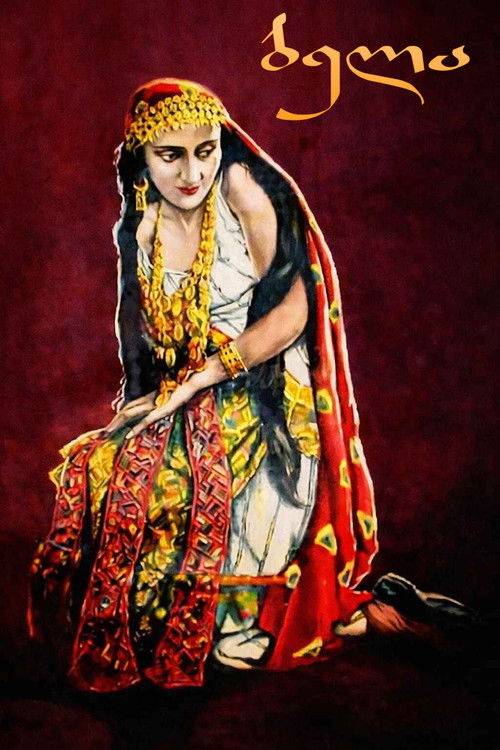
Pechorin is deprived of the officer’s rank and gets transferred to one of the mountain villages of the Caucasus. He gets bored of the everyday life and starts looking for fun. He promises Azamat to help him steal Kazbich’s horse if the former allows Pechorin to marry his sister Bela. Soon Pechorin gets annoyed by Bela’s presence. Kazbich, insulted by the theft of his horse kills Bela. Coldblooded Pechorin is hardly moved by this news.
Bela

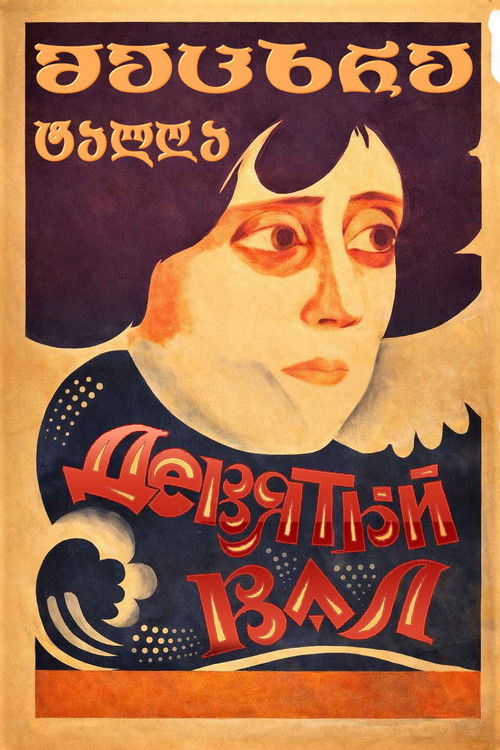
Ershi's sister, Marussia, a sailor of the Black Sea Squadron, was seduced by Baron von Vogel. Coincidentally, he is assigned to the same ship where he serves the nation. The situation on the ship is tense. The arbitrariness of the officers causes discontent among the sailors. Only the ship's mechanic, Menshevik Avalov, weakly defends the interests of the sailors.
The Ninth Wave

19th century Russia. Georgian student falls in love with a young girl and is going to marry her. But the girl is in love with someone else. Aslan kills his rival and, escapes to Caucasus, where he gets married and tries to start a new life.
Mystery of Lighthouse

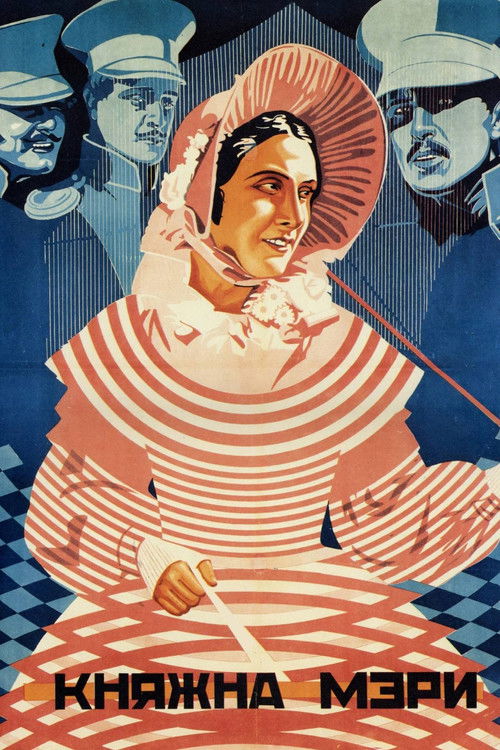
The boring daily life of the high society of Pyatigorsk in the XIX century is revived by the arrival of Pechorin from St. Petersburg. Pechorin’s love affair with Mary becomes the subject of controversy.
Duchess Mary

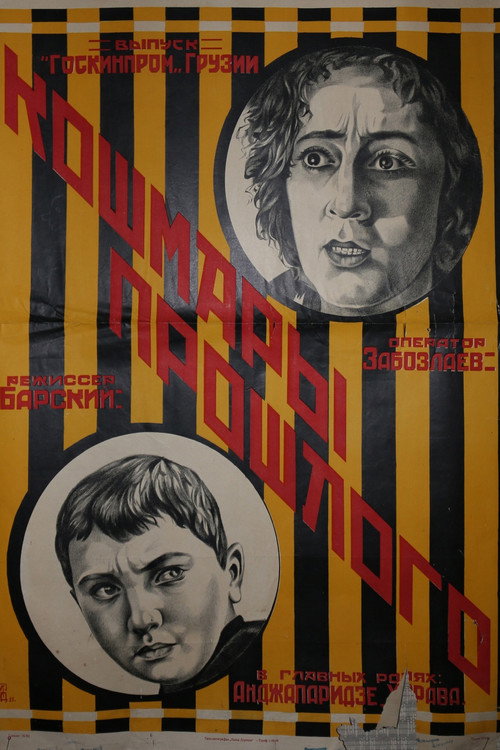
No description available.
Horrors of the Past

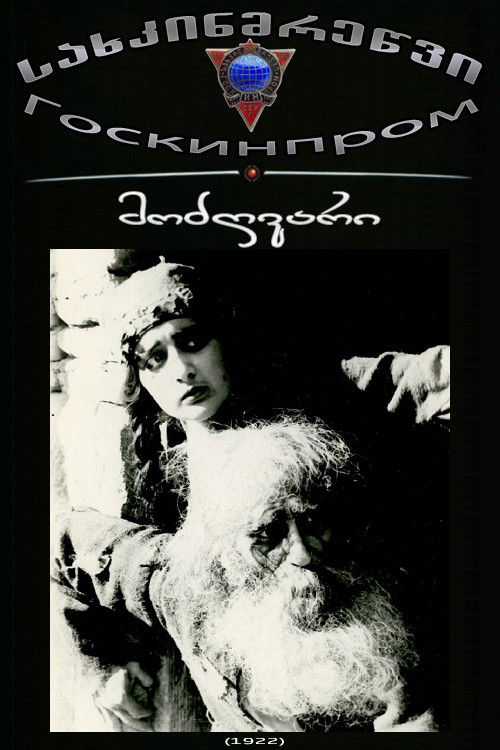
Young Makvalla, who loves the cowman Onise, is married off to the unloved есаul Gela Goderdzishvili, who has become rich in the service of the bailiff. Onise decides to run away with Makvalla, and during a fight at Gela's house, he is seriously injured. Makvalla disappears from Gela's house. The fugitive is saved from death and taken in by the hermit shepherd Onfrey.
The Exile

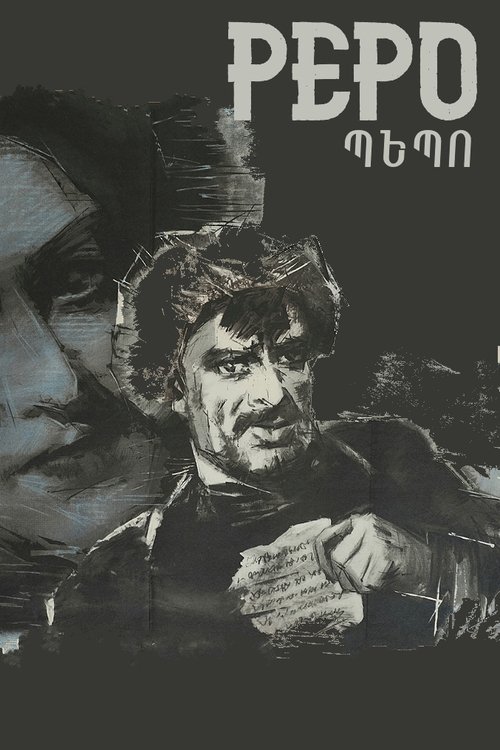
A poor but honest fisherman Pepo opposes a cunning trader Zimzimov, who tries to rob him by trickery refusing to pay a lost bill. Pepo choses prison to paying-off his honour.
Pepo

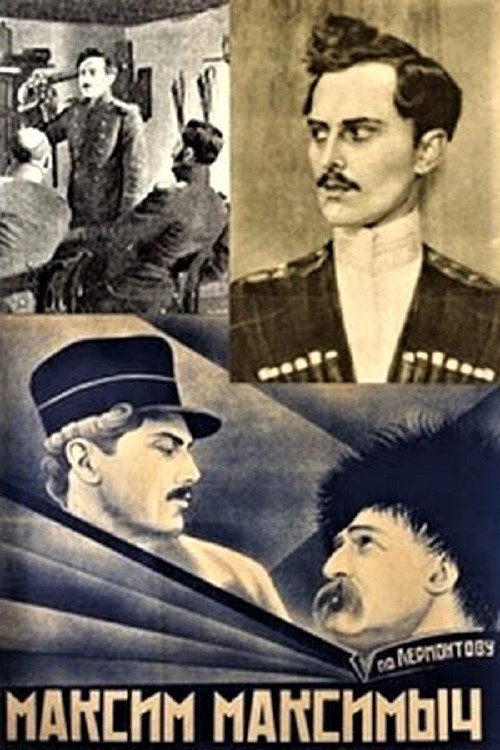
War and love in Caucasus.
Maksim Maksimich
About the fate of a former prisoner of war, who returns to his homeland, to the Soviet Union.