FEEL IT.STREAM
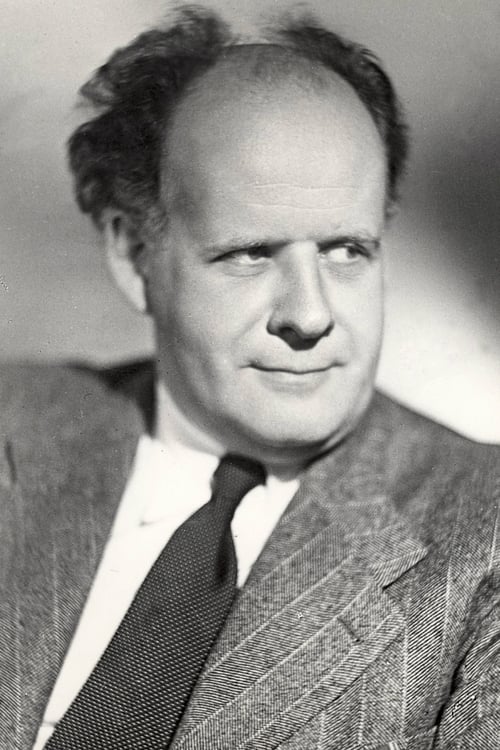
Sergei Eisenstein

Sergei Eisenstein

Directing

Biography

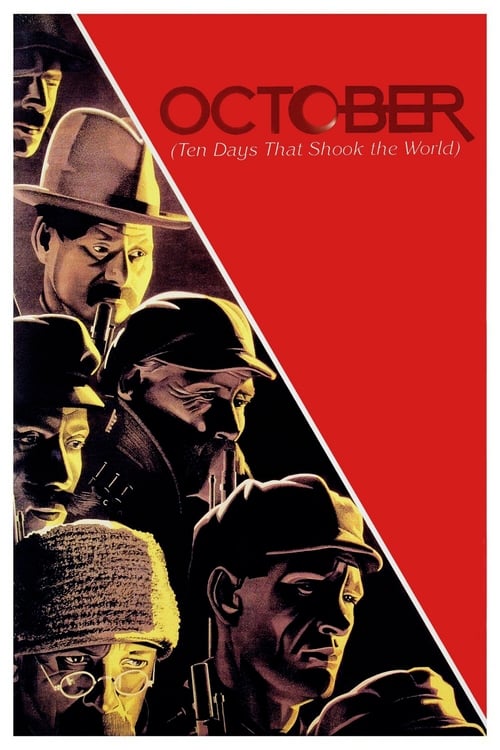
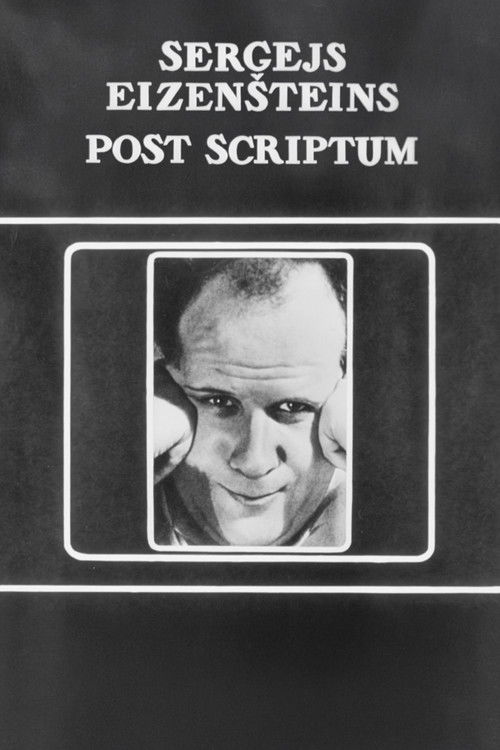
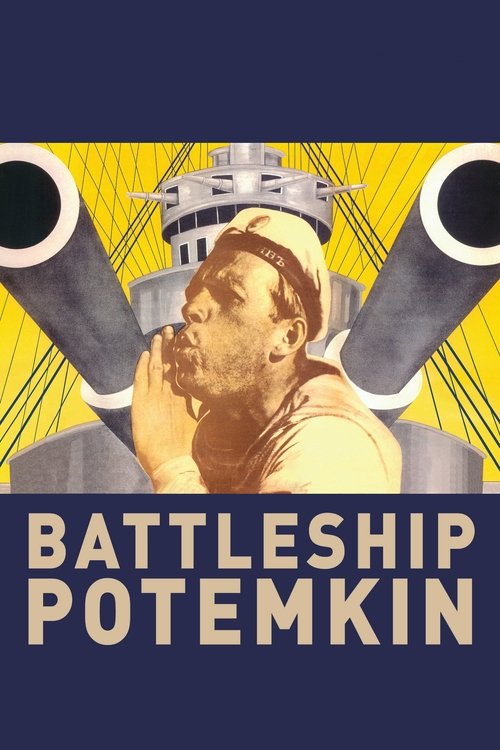
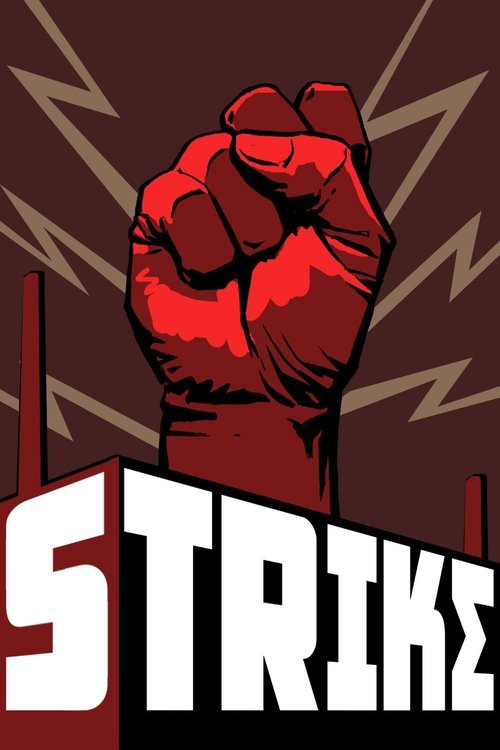
Sergei Mikhailovich Eisenstein was a pioneering Soviet Russian film director and film theorist, often considered to be the "Father of Montage." He is noted in particular for his silent films Strike (1924), Battleship Potemkin (1925) and October (1927), as well as the historical epics Alexander Nevsky (1938) and Ivan the Terrible (1944, 1958). His work profoundly influenced early filmmakers owing to his innovative use of and writings about montage.
Known For

Ivan the Terrible, Part II: The Boyars' Plot
7.4

This is the second part of a projected three-part epic biopic of Russian Czar Ivan Grozny, undertaken by Soviet film-maker Sergei Eisenstein at the behest of Josef Stalin. Production of the epic was stopped before the third part could be filmed, due to producer dissatisfaction with Eisenstein's introducing forbidden experimental filming techniques into the material, more evident in this part than the first part. As it was, this second part was banned from showings until after the deaths of both Eisenstein and Stalin, and a change of attitude by the subsequent heads of the Soviet government. In this part, as Ivan the Terrible attempts to consolidate his power by establishing a personal army, his political rivals, the Russian boyars, plot to assassinate him.

Ivan the Terrible, Part II: The Boyars' Plot

1958Movie
Bezhin Meadow: Sequences from an Unfinished Film
6.0

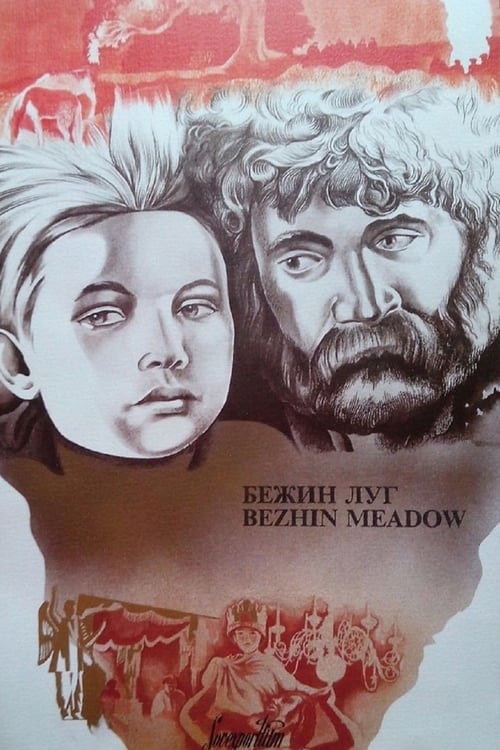
Bezhin Lug (Bezhin Meadow) was to be a Soviet film about a young farm boy whose father attempts to betray the government for political reasons by sabotaging the year's harvest, and the son's efforts to stop his own father to protect the Soviet state, culminating in the boy's murder and a social uprising. Assigned to Soviet film-maker Sergei Eisenstein, the filming followed the same path as with his previous effort, "Que Viva Mexico", into cost overrun and over-shooting of footage. Furthermore, Eisenstein's usage of forbidden experimental film techniques outraged his government superiors, who ordered the film destroyed before it was even completed. All that survives are the first and last frames of each shot, preserved by Sergei Eisenstein’s wife, Pera Atasheva. The 1967 reconstruction, by Naum Kleiman of the Eisenstein Museum and Sergei Yutkevich of Gosfilmofond, places these frames in order, approximating the original film.

Bezhin Meadow: Sequences from an Unfinished Film

1968Movie
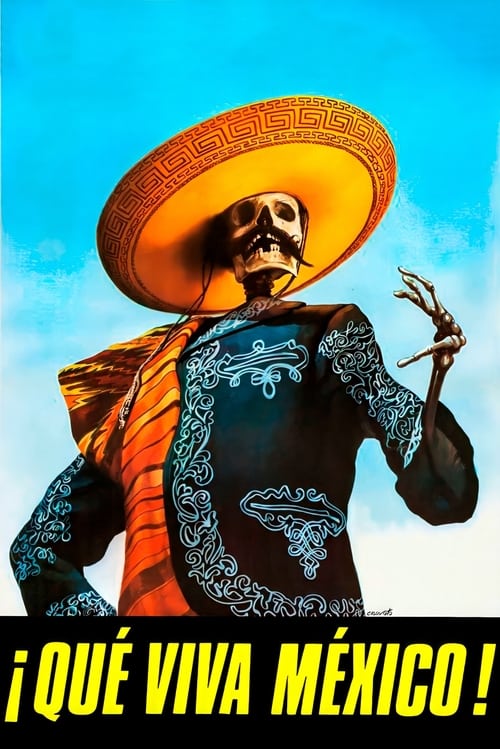
¡Qué Viva México!
6.8

Having revolutionized film editing through such masterworks of montage as Potemkin and Strike, Soviet director Sergei Eisenstein emigrated West in hopes of testing the capabilities of the American film industry. Quickly ostracized from Hollywood, Eisenstein, Grigory Alexandrov, and photographer Eduard Tisse (at the urging of author Upton Sinclair) wandered south of the border, where they began filming a highly stylized documentary about the people and volatile social climate of Mexico. Unfortunately, a lack of funds prohibited the film's completion, and the famed director was unable to edit the film. In 1979, by referring to Eisenstein's extensive notes and sketches, Alexandrov assembled the most definitive version of the film; as close to Eisenstein's vision as one is ever likely to see.

¡Qué Viva México!

1979Movie
No image
6.7

The Island of the Dead is a film about the demise of the Russian Epocha Modern. The symbol of this culture was the legendary Russian film star Vera Kholodnaya, who evoked a poetic image of the young urban woman on the silver screen. Her death in 1919, shrouded in tragedy and mystery, put a symbolic end to the pre-Revolutionary period. The Island of the Dead is composed of fragments from numerous films from this period, juxtaposed with other contemporary artistic expressions such as music and painting. Kovalov shows convincingly how the fragile beauty of the Russian Epocha Modern had to make way for the pressure of Futurism, Constructivism and other 'progressive trends', and how these '-isms' were then also relegated to the melting pot to be remoulded by totalitarian norms.

Island of the Dead

1993Movie