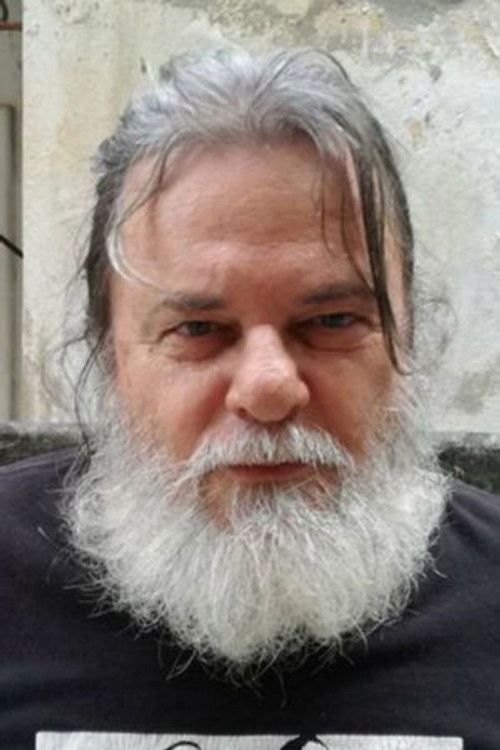
Eduardo del Llano Rodríguez
Directing
Biography
Eduardo del Llano Rodríguez (Moscow, 1962) is a Cuban writer, university professor, screenwriter, and film director. He earned a degree in Art History from the University of Havana in 1985, and during the 1980s he was part of the theatre and literary group NOS-Y-OTROS. He trained with Jorge Goldenberg, Tom Abrams, and Walter Bernstein in the craft of screenwriting, while working as a professor at the Faculty of Arts and Letters of the University of Havana (History of Latin American Art and Photography). With the short film Monte Rouge (a satire about the work of the Cuban State Security), he took a critical stance toward the Cuban regime, although Eduardo del Llano made it clear that it was not a clandestine film, but one that was simply not financed by the Cuban Institute of Cinematographic Art and Industry.
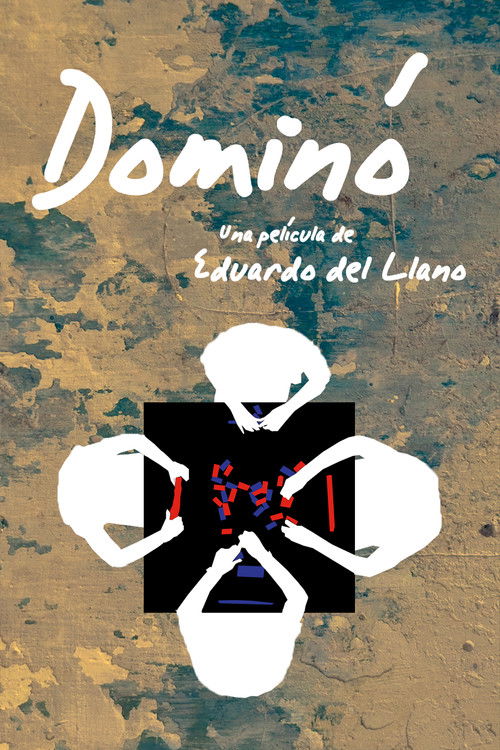
Known For

Javier is an actor with an affinity for writing. When he begins his love story with Luisita, he does not know where the truth begins and ends. Fifteen years later he has converted his story into literature that relates his tragic love story in a creative way.
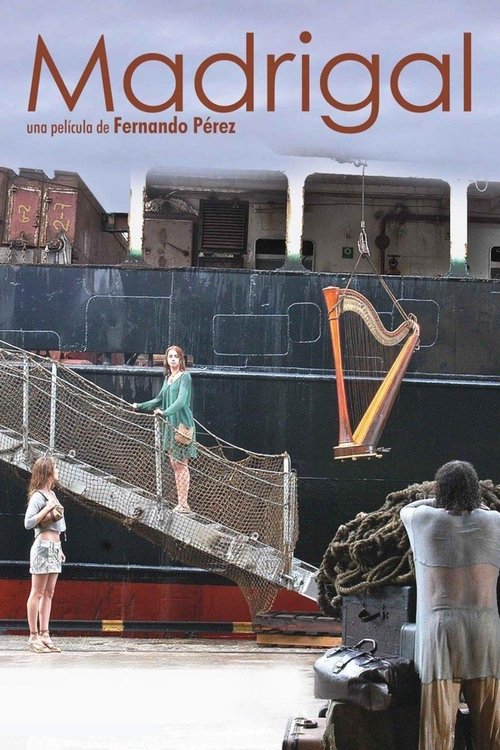
Madrigal

A biting satire about life in contemporary Cuba. Alicia, a young drama instructor, is sent to the small town of Maravillas de Noveras, which is itself an exaggerated, but very ingenious reflection of the real Cuba. Her adventures there are almost as surreal as the ones experienced by Lewis Carroll's character, reflecting patterns of indoctrination, coercion, absolutism, and many other everyday problems in Cuban society.
Alice in Wondertown

Julio del Toro is a successful writer in his fifties, who has always had his life under his control, until the day that, returning from one of his frequent foreign travel, this consistent world will fall into crisis. His daughter has started an affair with a Spanish older than him, his mistress poses a serious ultimatum, a young journalist begins to prepare a report on his work, and he faces the question if he is already finished as a creator. While Julio feels increasingly confused and disoriented, the women around him will make the decisions that he is not able to take.
Love by Mistake

Three characters in present-day Havana must choose between clinging to their self-restricting beliefs, or getting rid of them to live more freely. Ballerina Mariana has promised God celibacy if she gets the role of "Giselle"; Social-worker Julia always faints after hearing a certain word; and pot-smoking percussionist Elpidio was abandoned by his mother, coincidentally named Cuba, some time ago and has not yet gotten over the loss.
Life Is to Whistle

Lorenzo, a Cuban policeman specializing in grave robberies is sent to Havana to investigate the death of a Havana-born German national, Hermann (or German in Spanish) found in a famous grave. Lorenzo recounts his findings to the police chief (Major Anancio) as he investigates Dora, an elevator operator and Herrmann's landlady, Aguila and Silvia (who work for Cultural Affairs), Chrissy (a British-born Socialist Internationalist lover), Xiomara (Hermann's mother and a local drag queen as well), a dwarf, and a false Guatemalan who had raped Chrissy during her internationalist "love/sex campaign" in Guatemala. These are the main, but not the only characters, one must absolutely follow to make sense of the plot.
Little Tropikana

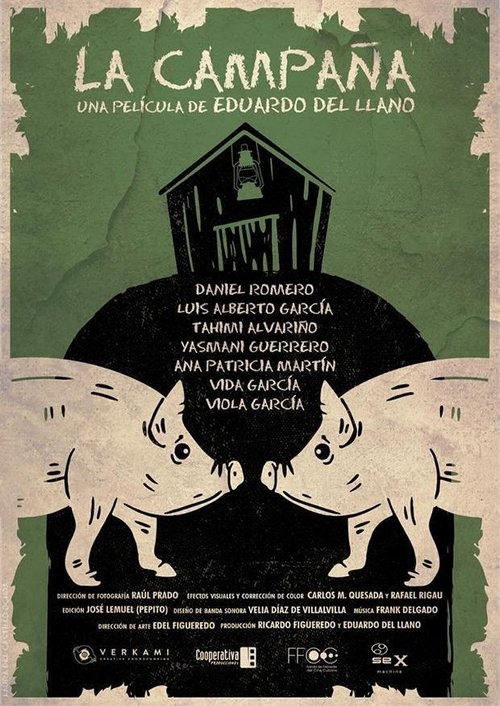
Cuba, 1961. A young teacher arrives with the intention of teaching a peasant family to read and write…
The Campaign
At the elementary school where Evita, Nicanor’s daughter, studies, the parents are instructed that the children must bring photos of various independence heroes for an important activity the next day. That night, when he discovers that they do not have any photos of heroes at home, Nicanor will have to go out and look for them, no matter what it takes.
Photoshop

Havana, 1974. Almost every day, Ana puts a cuban flag on the balcony. The flag is faded and full of stains. Ana suggests to her husband Nicanor to get another one. From there the couple will be doomed to unexpected complications...
Aché
At the age of 24, and with serious charges hanging over him, Leonardo da Vinci is thrown into a Florentine dungeon where several common criminals are rotting away.
Vinci

Nicanor has just finished the ritual of preparing himself a gourmet coffee when two strangers knock at his door. They identify themselves as members of State Security, who have come to install microphones in his house to listen to the antigovernment remarks Nicanor makes. Since they only have two microphones, they ask for his help in choosing the best room to install them and tell him that from now on he can only make his comments in that room.
Monte Rouge

Nicanor, his wife, and his in-laws watch Cuban television. In a single twenty-minute shot, the differences surface between Nicanor, who supports the Revolution, and his father-in-law Damián Rodríguez, a former Batista supporter. The two women try in vain to mediate, and the conflict seems irreconcilable. However, they have no choice but to make up with each other every night.
Homo Sapiens

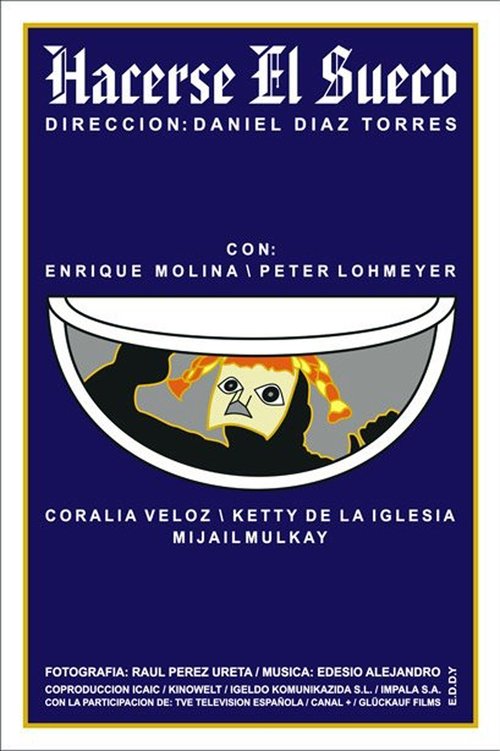
No description available.
Hacerse el Sueco

Rodríguez is picked up by Nicanor, a very special “botero”. Ana and Estrada also get into the car, and unexpected relationships develop among the four characters.
Pas de Quatre

Nicanor O’Donnell travels in a time machine to the year 1960, in search of the epic spirit of a country in revolution. He enters a bar and tells his story to a stranger. But neither of them has any idea how much this encounter will change their lives.
Epic

At an unspecified event, everyone votes in favor. Unexpectedly, there is one vote against: Nicanor O’Donnell’s. When Nicanor goes to the bathroom during the intermission, some curious delegates follow him, eager to find out why he dared to vote against. The suspicion that someone is locked in a stall, listening to everything, turns their sympathy into mistrust toward Nicanor. But the one locked in the stall is also a poor wretch.
Intermezzo

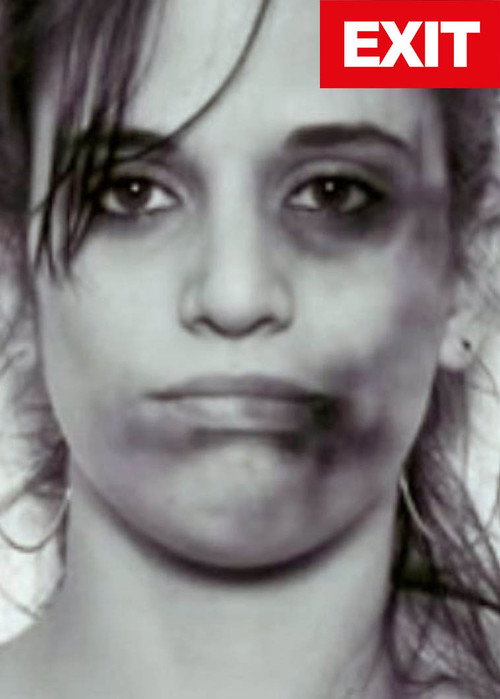
Rodrigo, a famous European artist, comes to Cuba to create a collage using photos of one hundred Cuban artists. Wanting the photos to reflect the anguish inherent in the creative process, he can think of nothing better than hiring the worker Nicanor O’Donnell to punch the one hundred artists in the face for a fee of five euros per head. Knowing that the collage will be exhibited all over the world, the artists line up to be beaten. Nicanor, who at first believes he has stumbled upon the deal of his life, is dismayed to discover that he must hit elderly people, women, artists he admires…
Exit

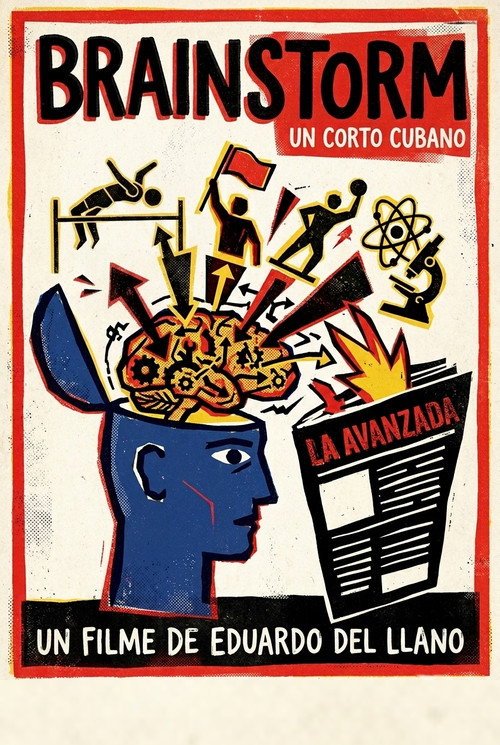
A world record, an accident, a heroic act, a matter of scientific interest. All this happens simultaneously. The editorial board of the newspaper La Avanzada must decide what goes on the front page.
Brainstorm

A group of actors shows up to audition for the lead role in a co-production with Germany. Through their interviews and interactions, their miseries, desires, and frustrations are gradually revealed. The selection process takes three days; in the end, there is only one winner…
Casting
Nicanor has been arrested for doing graffiti at three in the morning. Against all logic, the graffiti is in favor of the government. The police captain who interrogates him—a cultured policeman, for a change—tries to understand why he does it.
Pravda

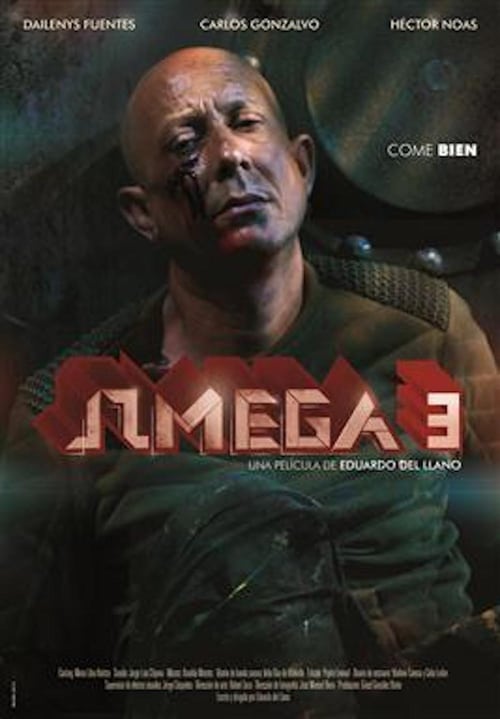
A hundred years from now, there is a world war. The fighting is not over territories or ideologies, but over establishing one form of healthy eating above all others. Nick is a Veg (vegetarian) soldier who is taken prisoner by the Macs (macrobiotics). In prison he meets Ana, a beautiful Ollie (ovolacto vegetarian). Together they look for ways to escape, or at least to survive…