Editing
American Playhouse is an anthology television series periodically broadcast by Public Broadcasting Service in the United States.
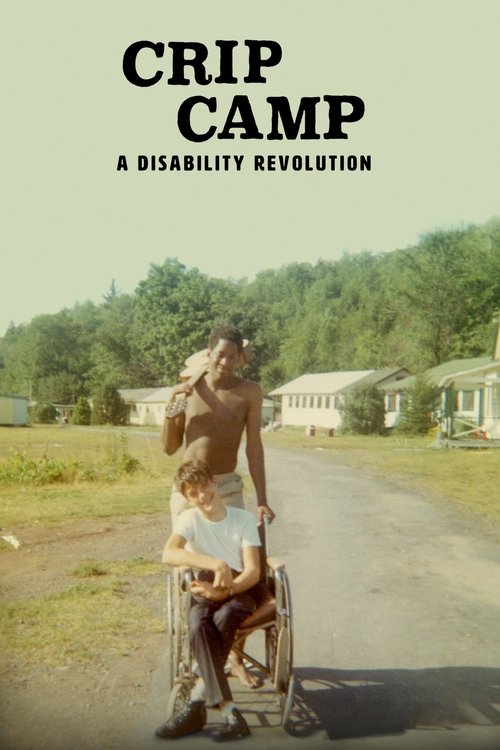
Down the road from Woodstock in the early 1970s, a revolution blossomed in a ramshackle summer camp for disabled teenagers, transforming their young lives and igniting a landmark movement.
A heartbreaking record of the thirteen-month struggle between a community fighting to survive and a corporation dedicated to the bottom line.
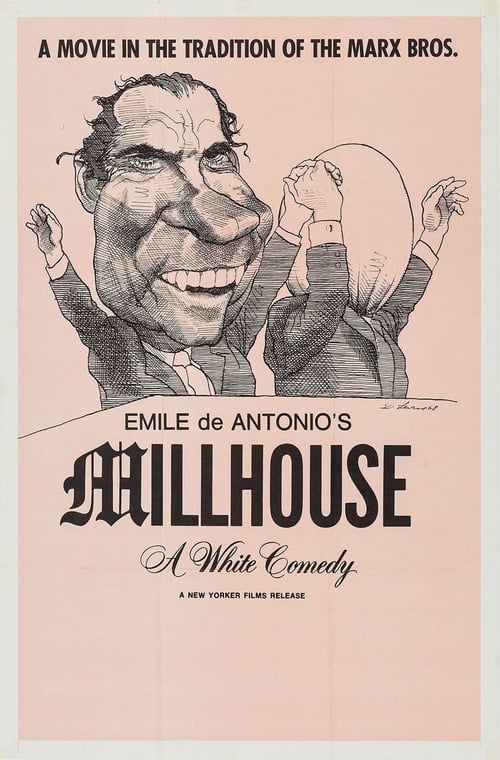
Emile de Antonio's film decimates Richard Nixon and exposes him as a paranoid, power mad lunatic... de Antonio compiles (via video and film) what amounts to the "best of" one of the worst political figures of the 20th century. Nixon was a shameless self-promoter while trying desperately to convince everyone that he wasn't. Through Alger Hiss and the "Checkers" speech to the character assassination of Helen Gahagan Douglas (among others), there are few stones left unturned.
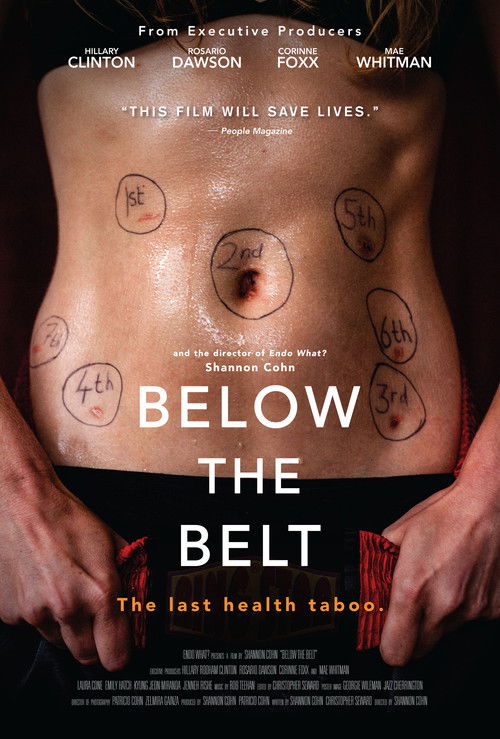
As four patients urgently search for answers to mysterious symptoms, Below the Belt exposes widespread problems in our healthcare systems that disproportionately affect women. From societal taboos and gender bias to misinformed doctors and barriers to care, the film reveals how millions are suffering in silence and how, by fighting back, we can improve healthcare for everyone.
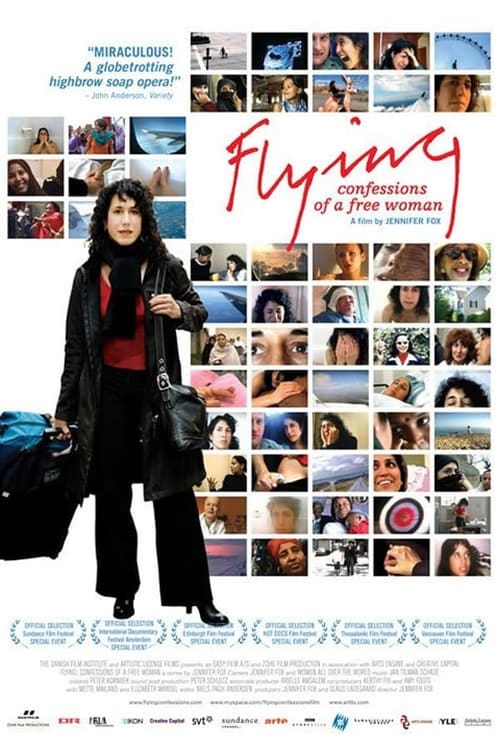
Acclaimed filmmaker Jennifer Fox maps the world of female life and sexuality today -- from the dramatic turns in her own life to the stories of women around the globe that shed light on the universal issues all women face. Employing a groundbreaking camera technique, called "passing the camera", this powerful series creates a new type of documentary language and storytelling that mirrors the special way women communicate.
Based on Naomi Klein's book This Changes Everything: Capitalism vs. the Climate, a look at how people in various communities around the world play a role in the ongoing climate change debate and how they're affecting change in trying to prevent the environmental destruction of our planet.
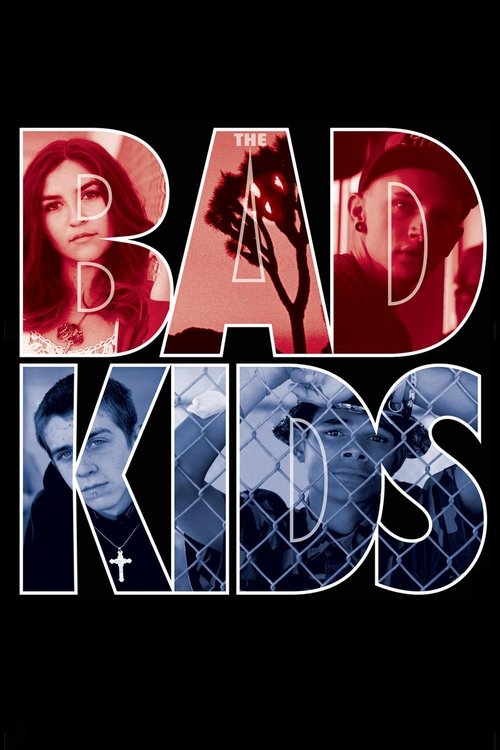
On a remote patch of the Mojave Desert, amidst dusty tumbleweeds and rangy Joshua Trees, sits an anomaly: a high school where educators believe empathy, life skills, and the constancy of a caring adult are the differences that will give at-risk students command of their fates. On any given day, principal Vonda Viland calls kids at the crack of dawn to see if they’ll make it to school. And if they need a ride? Well, she’ll pick them up. Vonda knows each student’s challenges and coaches them tirelessly, never fostering false hopes. Her philosophy combines loving compassion with realism, and given her school’s rising graduation rate, it seems to be working.
In this gripping, harrowing and insightful documentary, director Gray interviews factory worker women in Mexico and the Philippines and the U.S. industrialists they work for.
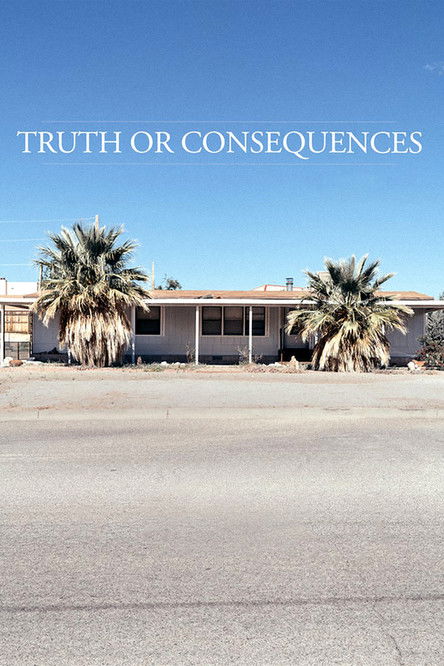
Truth or Consequences is a speculative documentary about time and how we weave the past into the present and our possible future. Set in the small desert town of Truth or Consequences, New Mexico, the film takes place in the shadow of a nearby Spaceport and the commercial exploration of space. Through the lives of the people in town and a filmmaker from the future, the film explores progress, echoes of history, and how we each navigate a sense of loss, within ourselves and within a changing world.
Lighter and livelier than the films Jean-Luc Godard had made in France, his U.S. collaboration with Direct Cinema documentarian D. A. Pennebaker was meant to be One A.M., as in “one American movie”; but Godard quit the project and the U.S., where to his dismay he discovered that revolution wasn’t imminent, and Pennebaker edited Godard’s material, to which he and Richard Leacock even added a bit more, releasing the result as One P.M., as in “one parallel movie.” It’s a stunning mixture of cinéma-vérité, political theater, and interviews of key sixties figures.
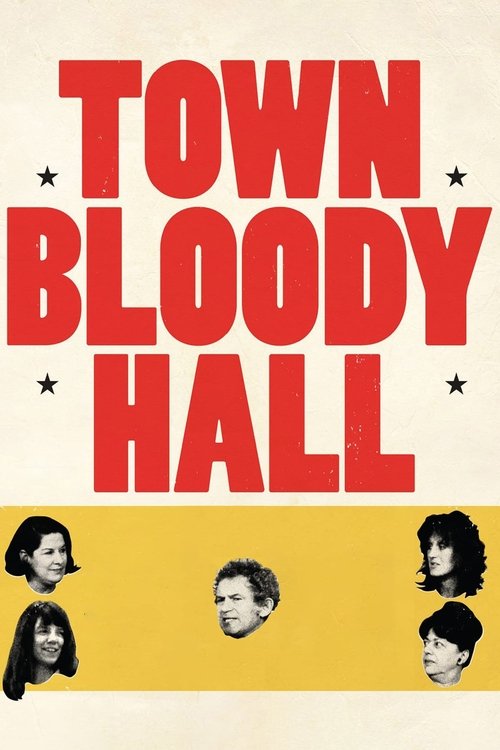
On the evening of April 30, 1971, a standing room only audience of local literati and feminists packed New York City’s Town Hall to watch Norman Mailer, who had just written “The Prisoner of Sex,” grapple with a panel of passionate feminists. The subject was Women’s Liberation, an issue on which Mailer seemed like the devil’s own advocate.
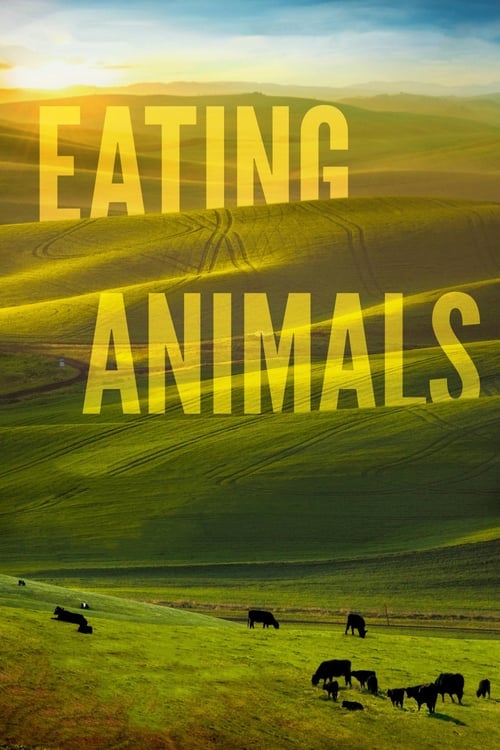
An examination of our dietary choices and the food we put in our bodies.
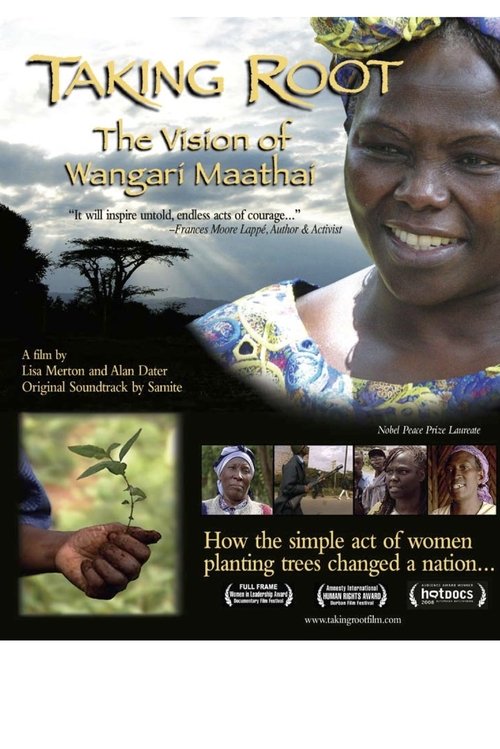
This documentary provides a window into the extraordinary life of activist and Nobel Laureate Wangari Maathai, a Kenyan woman who has worked to regain ownership of her country and its fate after years of colonialism. While gentle and thoughtful, Maathai carries a powerful message: the First World holds much of the responsibility for the environmental, economic and social struggles of the developing world.
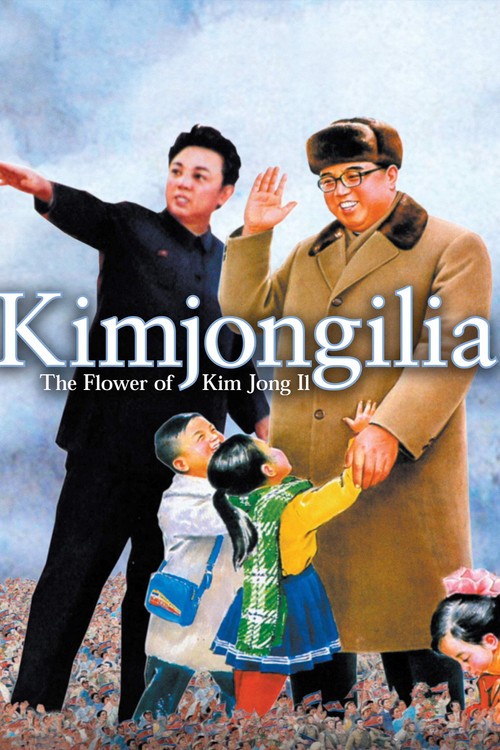
The first film to fully expose the humanitarian crisis of North Korea, this stylish, deeply moving documentary is centered around astonishing interviews with survivors of North Korea's vast and largely hidden prison camps, and interspersed with archival footage of North Korean propoganda films and original art performances.
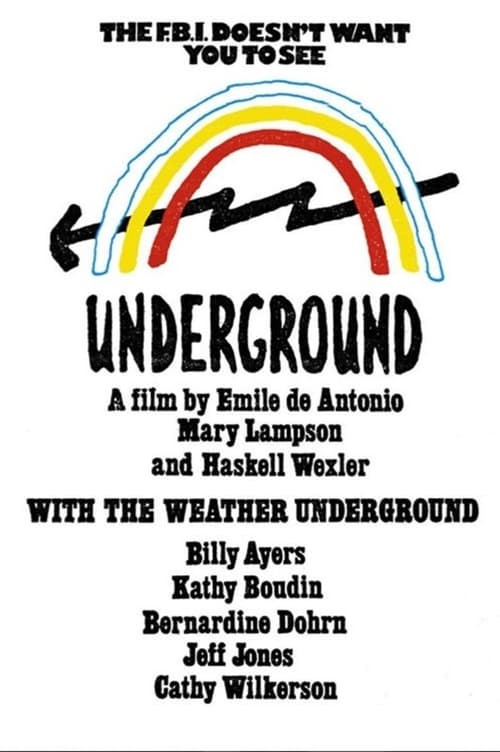
A documentary about the Weathermen, founded as a militant faction of the Students for a Democratic Society (SDS), who fought to overthrow the U.S. government during the 1960s and 1970s. The film consists of interviews with members of the group after they went underground and footage of the anti-war and civil rights protests of the time. It was directed by Emile de Antonio, Haskell Wexler and Mary Lampson, later subpoenaed by the Federal Bureau of Investigation in an attempt to confiscate the film footage in order to gain information that would help them arrest the Weathermen.
Equal parts film, conversation, and social experiment, this interactive documentary uses footage shot by activists in the crowd of the Maribor uprisings, a 2012 to 2013 Slovenian protest, to pull you into the fray, where you must collectively decide what happens next.
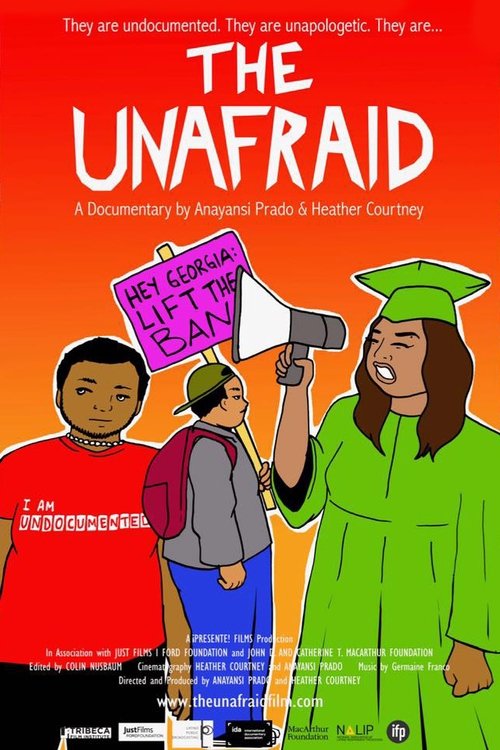
Follow the four-year odyssey of three young immigrants in Georgia in this powerful observational documentary portrait of what it means to grow up in the United States as an undocumented (but fully DACAmented) American.
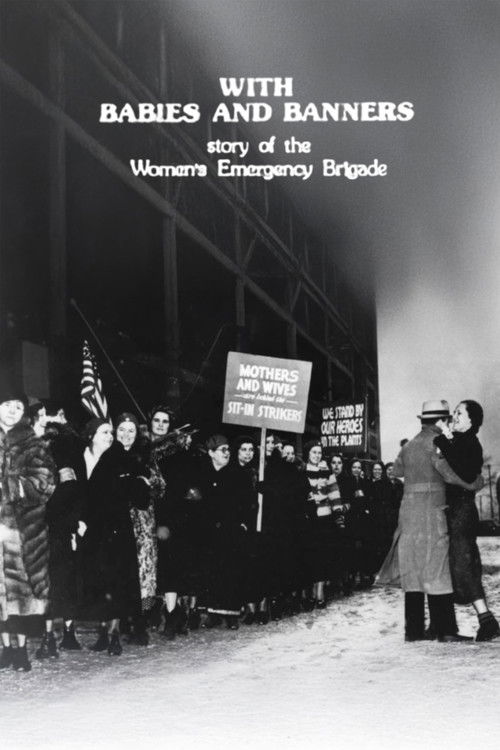
Combining rare archival footage with interviews recorded forty years after the event, this documentary tells the story of the Women’s Emergency Brigade during the 1936–37 General Motors sit-down strike in Flint, Michigan. While national attention focused on the men occupying the factories, women—auto workers and the families of strikers—organized food supplies, picket lines, and public demonstrations that helped sustain the historic labor victory. The film highlights their long-overlooked role in the American labor movement.