Lorna Thayer
Acting
Biography
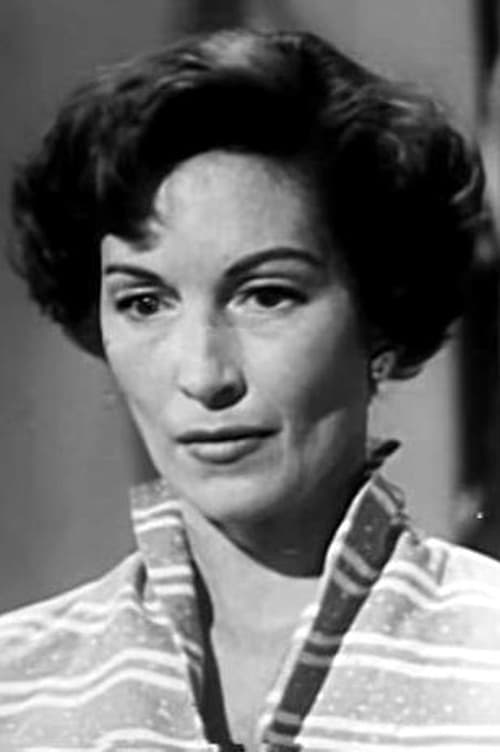
From Wikipedia, the free encyclopedia. Lorna Thayer (10 March 1919 - June 4, 2005) was an American character actress. Thayer was born in Boston, the daughter of silent screen actress Louise Gibney. She appeared often in theatre and on television. In 1955 she played in The Beast with a Million Eyes with Paul Birch. She played minor roles in the films The Lusty Men, Texas City and Frankie and Johnny. It was her role in the iconic 1970 film Five Easy Pieces as the waitress who refuses to allow Jack Nicholson's character to order a side of wheat toast that she is most likely to be remembered for and identified with. The scene has come to be known as the "chicken salad scene". She died at the Motion Picture and Television Fund Retirement Home in Woodland Hills, California aged 86, after battling Alzheimer's disease for five years. Description above from the Wikipedia article Lorna Thayer, licensed under CC-BY-SA, full list of contributors on Wikipedia.
Known For

Follows the cases of a dedicated Los Angeles police detective, Sergeant Joe Friday, and his partners. The show takes its name from the police term "dragnet", meaning a system of coordinated measures for apprehending criminals or suspects.
Dragnet

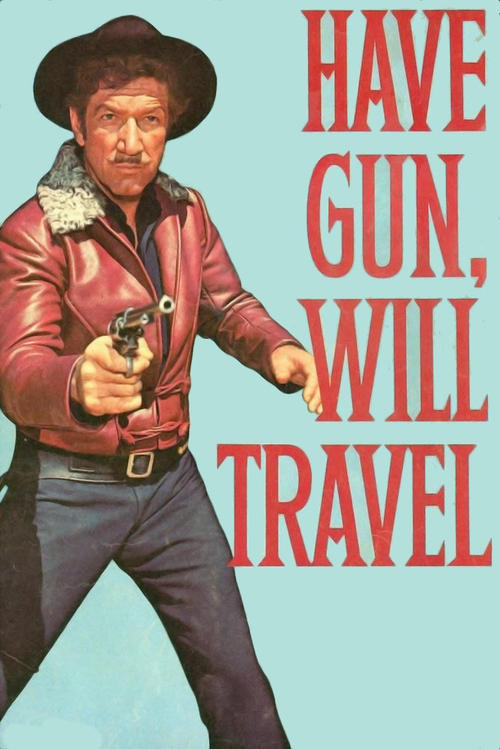
Have Gun – Will Travel is an American Western television series that aired on CBS from 1957 through 1963. It was rated number three or number four in the Nielsen ratings every year of its first four seasons. It was one of the few television shows to spawn a successful radio version. The radio series debuted November 23, 1958. The television show is presently shown on the Encore-Western channel. Have Gun – Will Travel was created by Sam Rolfe and Herb Meadow and produced by Frank Pierson, Don Ingalls, Robert Sparks, and Julian Claman. There were 225 episodes of the TV series, 24 written by Gene Roddenberry. Other contributors included Bruce Geller, Harry Julian Fink, Don Brinkley and Irving Wallace. Andrew McLaglen directed 101 episodes and 19 were directed by series star Richard Boone.
Have Gun, Will Travel

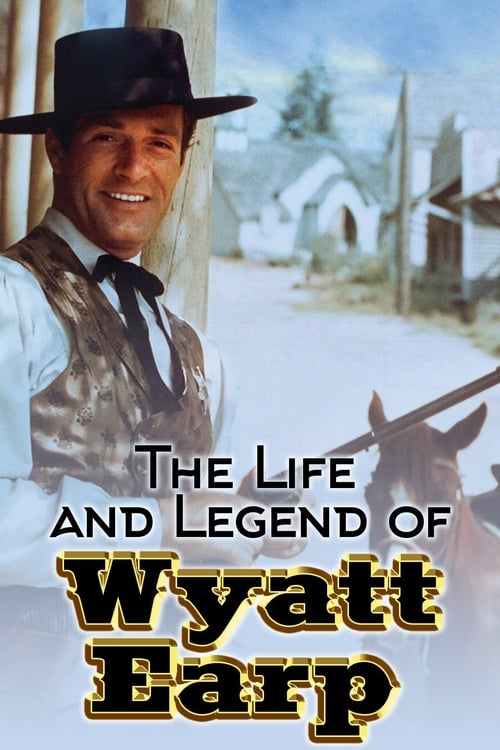
The Life and Legend of Wyatt Earp is a television western series loosely based on the life of frontier marshal Wyatt Earp. The half-hour black-and-white program aired for 229 episodes on ABC from 1955 to 1961 and featured Hugh O'Brian in the title role.
The Life and Legend of Wyatt Earp

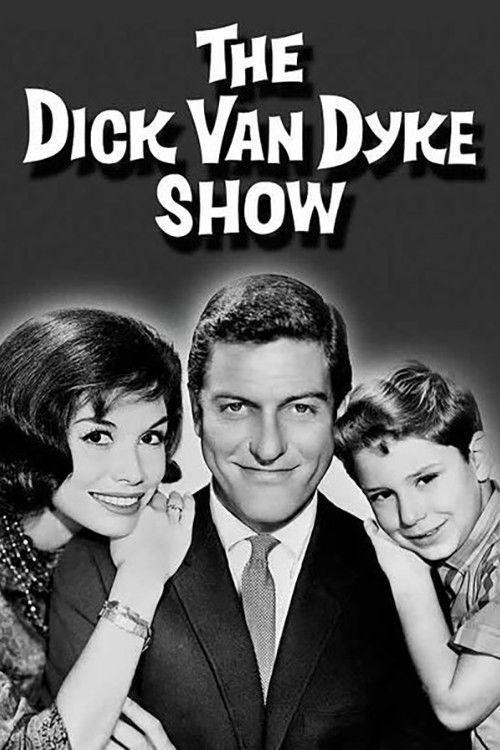
The Dick Van Dyke Show centers around the work and home life of television comedy writer Rob Petrie. The plots generally revolve around problems at work, where Rob got into various comedic jams with fellow writers Buddy Sorrell, Sally Rogers and producer Mel Cooley.
The Dick Van Dyke Show

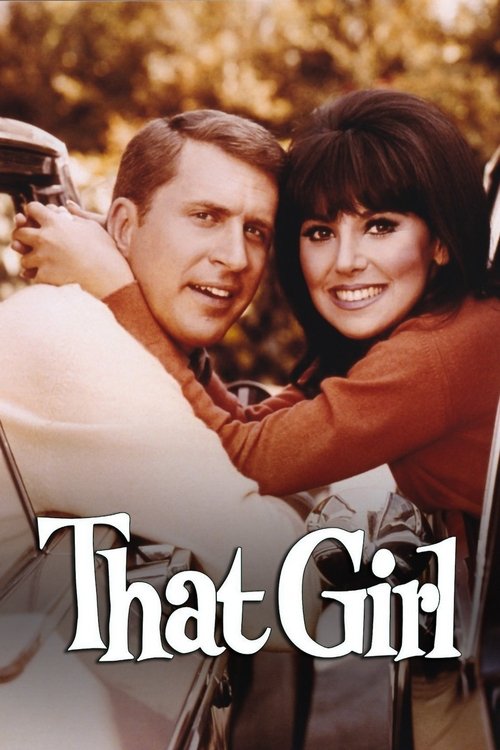
That Girl is an American sitcom that ran on ABC from 1966 to 1971. It stars Marlo Thomas as the title character Ann Marie, an aspiring actress, who moves from her hometown of Brewster, New York to try to make it big in New York City. Ann has to take a number of offbeat "temp" jobs to support herself in between her various auditions and bit parts. Ted Bessell played her boyfriend Donald Hollinger, a writer for Newsview Magazine; Lew Parker and Rosemary DeCamp played Lew Marie and Helen Marie, her concerned parents. Bernie Kopell, Ruth Buzzi and Reva Rose played Ann and Donald's friends. That Girl was developed by writers Bill Persky and Sam Denoff, who had served as head writers on The Dick Van Dyke Show earlier in the 1960s.
That Girl

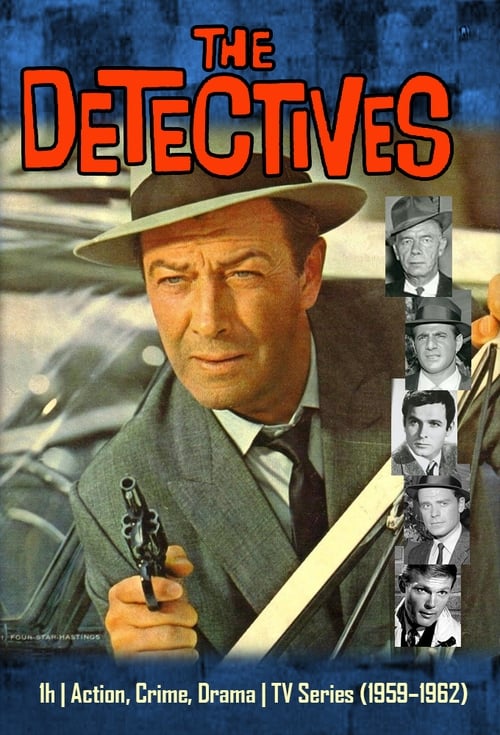
The Detectives is an American crime drama series which ran on ABC during its first two seasons, and on NBC during its third and final season. The series, starring motion picture star Robert Taylor, was produced by Four Star Television. Captain Matt Holbrook (Robert Taylor) is head of the detective division of a large metropolitan police force—a man whose devotion to duty, professional brilliance, and quick judgment are reflected in his 20-year career on the force. His aides, Lt. Johnny Russo (Tige Andrews), Lt. Otto Lindstrom (Russ Thorson), and Sgt. Chris Ballard (Mark Goddard) form a team that is both proficient and warmly human. The stories stress the interrelationships between the men as well as the solutions to crimes and the apprehension of criminals, adding a dimension of human drama to the excitement, action, and suspense inherent in each story of the detectives' difficult, sometimes thankless, and frequently dangerous assignments.
The Detectives

Playhouse 90 is an American television anthology series that was telecast on CBS from 1956 to 1960 for a total of 133 episodes. It originated from CBS Television City in Los Angeles, California. Since live anthology drama series of the mid-1950s were usually hour-long shows, the title highlighted the network's intention to present something unusual, a weekly series of hour-and-a-half dramas rather than 60-minute plays. Playhouse 90 began as a pitch by Frank Stanton—the formidable, forward-thinking right-hand man to CBS chairman William S. Paley—during a brainstorming session for program ideas. The project was ultimately developed by Hubbell Robinson, a CBS vice president who received no screen credit on Playhouse 90 but is often described as its creator.
Playhouse 90

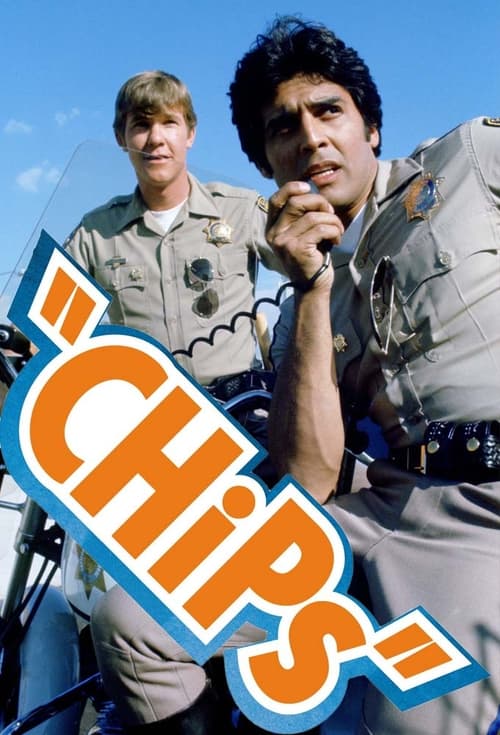
Lighthearted look at the adventures of two Highway Patrol officers in Los Angeles. The main characters are Jon Baker and Frank Poncherello, two motorcycle officers always on the street to save lives.
CHiPs

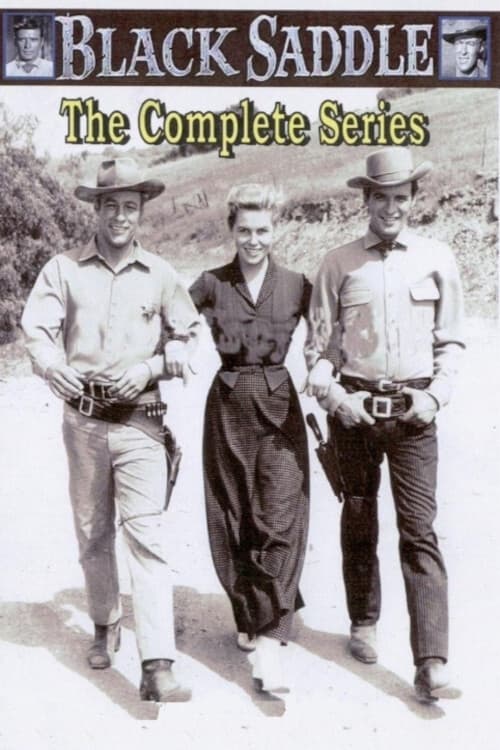
Black Saddle is an American Western television series starring Peter Breck that aired 44 episodes on ABC from January 10, 1959 to May 6, 1960. The half-hour program was produced by Dick Powell's Four Star Television, and the original pilot was an episode of CBS's Dick Powell's Zane Grey Theater, with Chris Alcaide portraying the principal character, Clay Culhane. For syndicated reruns, Black Saddle was combined with three other Western series from the same company, Law of the Plainsman starring Michael Ansara, Johnny Ringo starring Don Durant and Mark Goddard, and the critically acclaimed creation of Sam Peckinpah, The Westerner with Brian Keith, under the umbrella title, The Westerners, with new hosting sequences by Keenan Wynn.
Black Saddle

The Adventures of Jim Bowie is an American Western television series that aired on ABC from 1956 to 1958. Its setting was the 1830s-era Louisiana Territory. The series was an adaptation of the book Tempered Blade, by Monte Barrett. The series stars Scott Forbes as the real-life adventurer Jim Bowie. The series initially portrayed Jim Bowie as something of an outdoors-man, riding his horse through the wilderness near his home in Opelousas, where he would stumble across someone needing his assistance. He was aided by the Bowie Knife, his ever-present weapon. He designed it in the first episode, The Birth of the Blade.
The Adventures of Jim Bowie

Cavalcade of America is an anthology drama series that was sponsored by the DuPont Company, although it occasionally presented a musical, such as an adaptation of Show Boat, and condensed biographies of popular composers. It was initially broadcast on radio from 1935 to 1953, and later on television from 1952 to 1957. Originally on CBS, the series pioneered the use of anthology drama for company audio advertising. Cavalcade of America documented historical events using stories of individual courage, initiative and achievement, often with feel-good dramatizations of the human spirit's triumph against all odds. This was consistent with DuPont's overall conservative philosophy and legacy as an American company dating back to 1802. The company's motto, "Maker of better things for better living through chemistry," was read at the beginning of each program, and the dramas emphasized humanitarian progress, particularly improvements in the lives of women, often through technological innovation.
Cavalcade of America

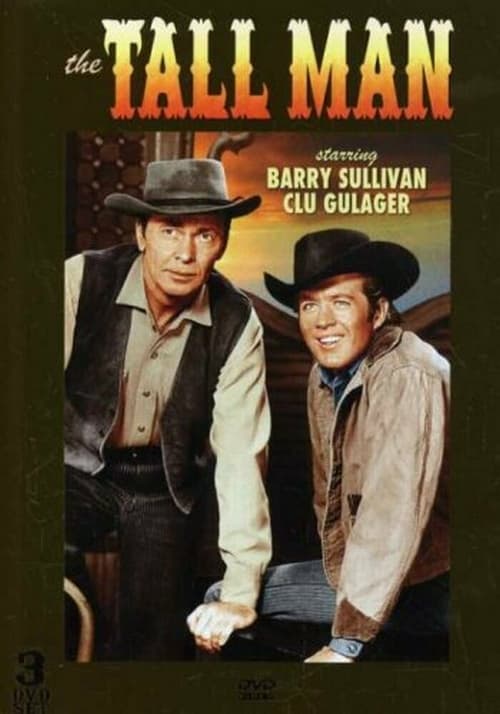
The Tall Man is a half-hour American western television series about Sheriff Pat Garrett and the gunfighter Billy the Kid that aired seventy-five episodes on NBC from 1960 to 1962, filmed by Revue Productions.
The Tall Man
Lux Video Theatre is an American anthology series that was produced from 1950 until 1959. The series presented both comedy and drama in original teleplays, as well as abridged adaptations of films and plays.
Lux Video Theatre

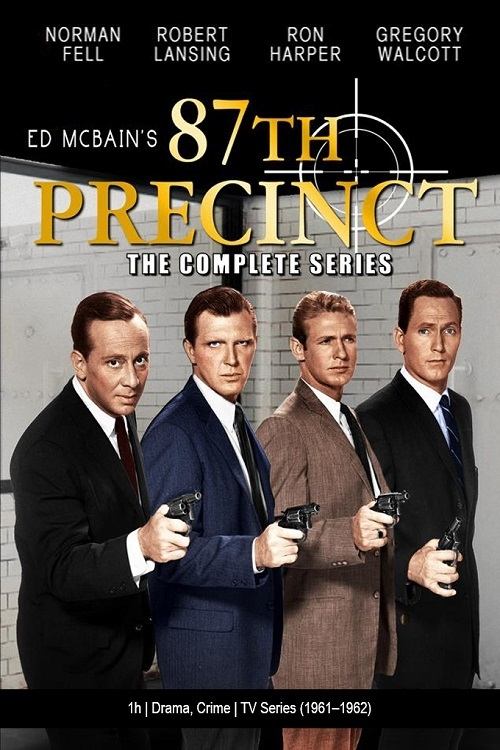
87th Precinct is an American crime drama starring Robert Lansing, Gena Rowlands, and Ron Harper, which aired on NBC on Monday evenings during the 1961–1962 television season.
87th Precinct

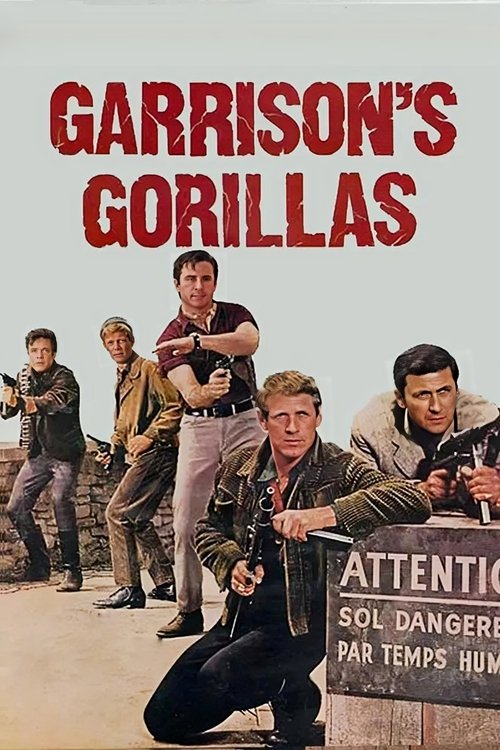
Garrison's Gorillas is an ABC TV series broadcast from 1967 to 1968; a total of 26 hour-long episodes were produced. It was inspired by the 1967 film The Dirty Dozen, which featured a similar scenario of training Allied prisoners for World War II military missions. Garrison's Gorillas was canceled at the close of its first season and replaced by The Mod Squad in 1968. It managed to gather a cult following in China in the 1980s.
Garrison's Gorillas

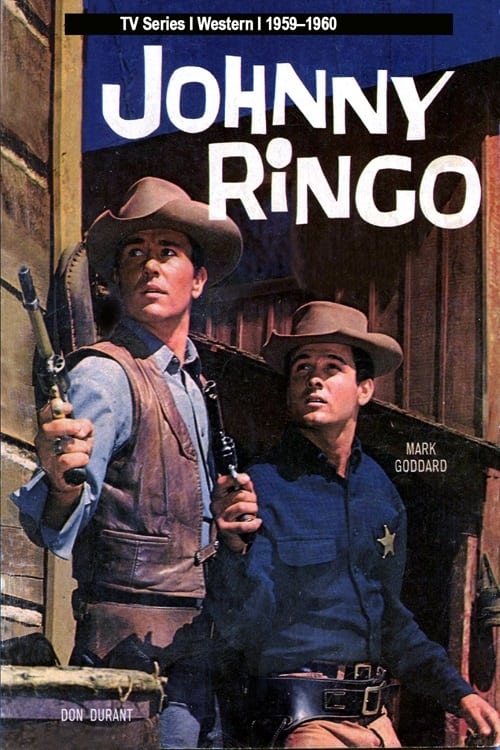
Johnny Ringo is an American Western television series starring Don Durant that aired on CBS from October 1, 1959, until June 30, 1960. It is loosely based on the life of the notorious gunfighter and outlaw Johnny Ringo, also known as John Peters Ringo or John B. Ringgold, who tangled with Wyatt Earp, Doc Holliday, and Buckskin Franklin Leslie.
Johnny Ringo

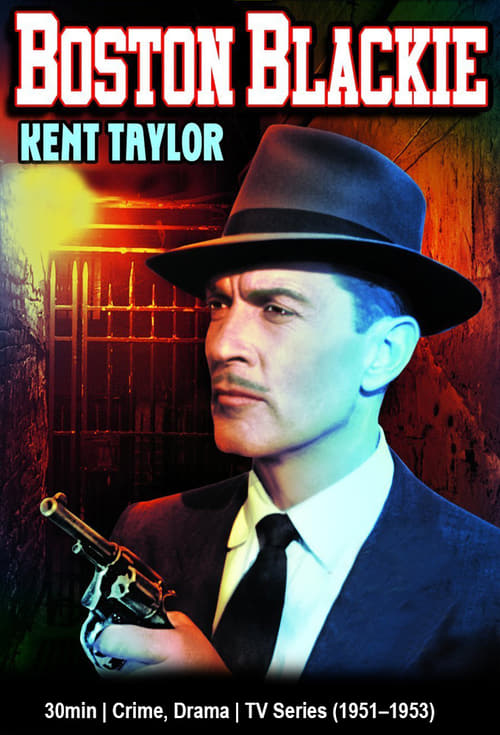
Blackie and gal pal Mary, and their dog Whitey, solve lots of Los Angeles crimes before the cops can do it.
Boston Blackie

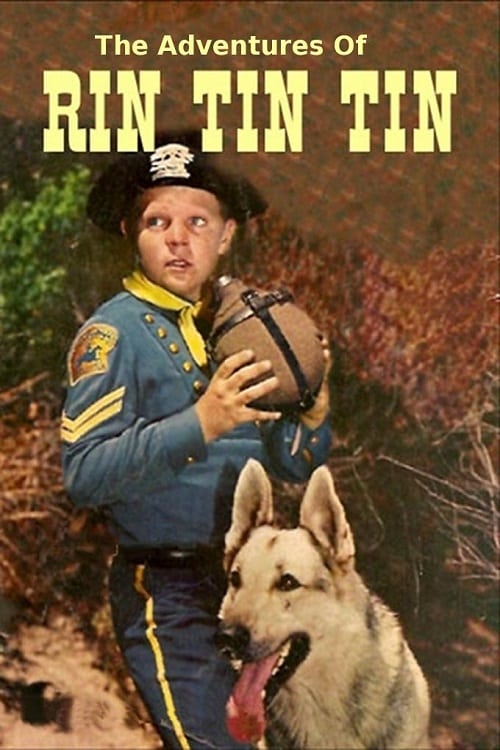
The Adventures of Rin Tin Tin is an American children's television program. Beginning in October 1954 until May 1959, 166 episodes originally aired on ABC television network. It starred child actor Lee Aaker as Rusty, a boy orphaned in an Indian raid, who was being raised by the soldiers at a US Cavalry post known as Fort Apache. He and his German shepherd dog, Rin Tin Tin, helped the soldiers to establish order in the American West. Texas-born actor James Brown appeared as Lieutenant Ripley "Rip" Masters. Co-stars included veteran actor Joe Sawyer and actor Rand Brooks from Gone with the Wind fame.
The Adventures of Rin Tin Tin

Letter to Loretta is an American anthology drama series telecast on NBC from September 1953 to June 1961 for a total of 165 episodes. The filmed show was hosted by Loretta Young who also played the lead in various episodes. Letter to Loretta was sponsored by Procter & Gamble from 1953 through 1960. The final season's sponsor was Warner-Lambert's Listerine.
Letter to Loretta

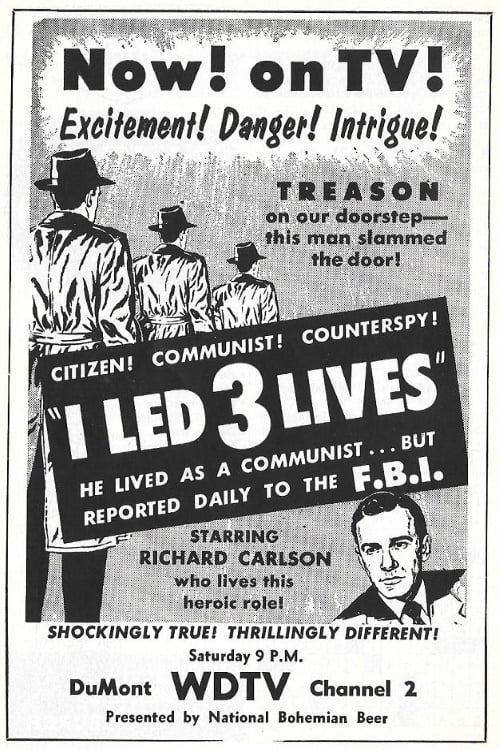
I Led Three Lives is an American drama series which was syndicated by Ziv Television Programs from October 1, 1953 to January 1, 1956. The series stars Richard Carlson. The show was a companion piece of sorts to the radio drama I Was a Communist for the FBI, which dealt with a similar subject and was also syndicated by Ziv from 1952 to 1954.