Writing
No description available.
In a pre-revolutionary Russia, a poor Jewish milkman struggles with the challenges of a changing world as his daughters fall in love and antisemitism grows.
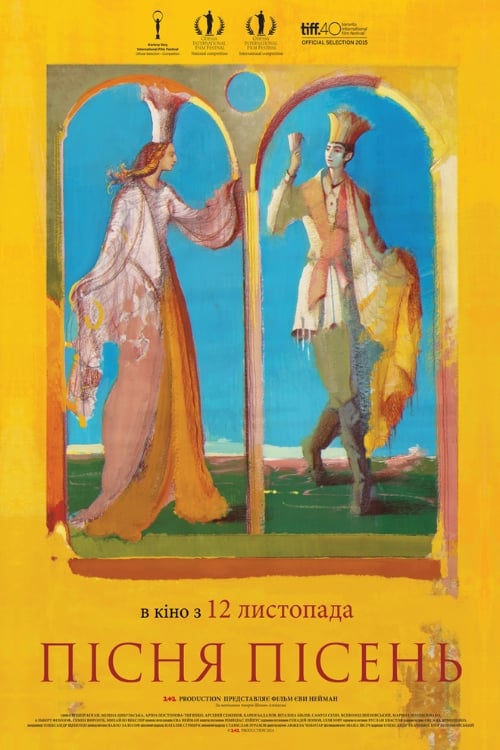
1905. A Jewish Shtetl. Shimek and Buzya are two 10 year olds. Of course, she is a princess and he is a prince. They live in the same yard, in neighboring palaces. What Buzya really means to him, Shimek begins to understand only years later when, far away from home, when he receives the news that Buzya is about to be married off.
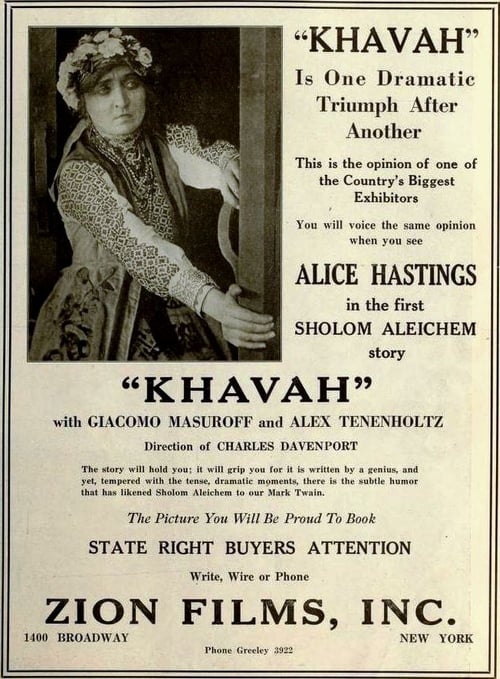
This 1919 silent is the first American film based on the same Sholem Aleichem stories as Fiddler on the Roof, but produced 50 years before the blockbuster musical. Unlike most adaptations of Aleichem’s work, Broken Barriers (Khavah) focuses not on Tevye the milkman, but on his daughter Khavah, who falls in love with the gentile boy Fedka and must navigate the reverberations from this with both her community and her family.
A tale based on Shalom Alechem stories.
Tevye is a dairyman in the Russian Ukraine early in the 20th century. He lives in a cabin outside Boyberik with his wife Goldie, his widowed daughter Tseytl, her two children, and his younger daughter, the unmarried Khave. Khave is being courted by Fedya, a Christian, the son of a local government official. Tevye warns Khave against romance and marriage outside her faith, but Fedya is persuasive too. What will Khave decide, how will Tevye react, and when the Tsar initiates a pogrom, will Tevye's friends come to his defense? Can the stubborn Tevye reconcile his heart and tradition?
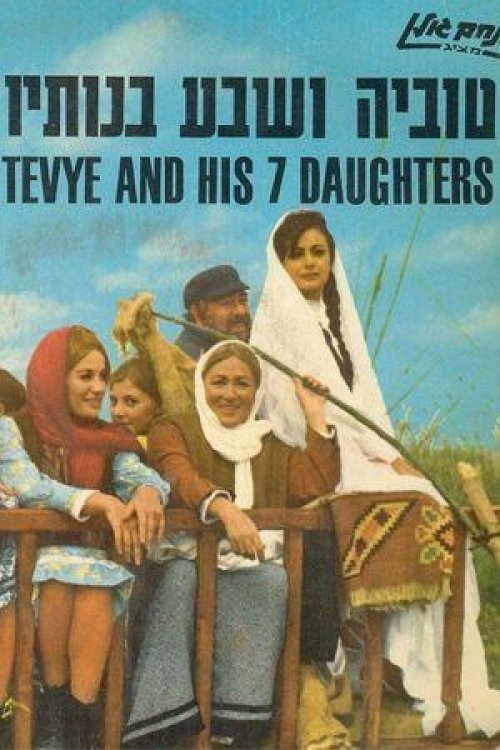
Russia, 1905. Tuvia is the only Jew living in the village of Antevka. He is very poor but things change when, as a token of gratitude for a service rendered, he is given a cow and some food. Now, his wife, his seven daughters and himself have access to a better life. Tuvia sells his milk and his butter. Moreover, he is now able to give his daughters a dowry and marry them. But you can't buy happiness...
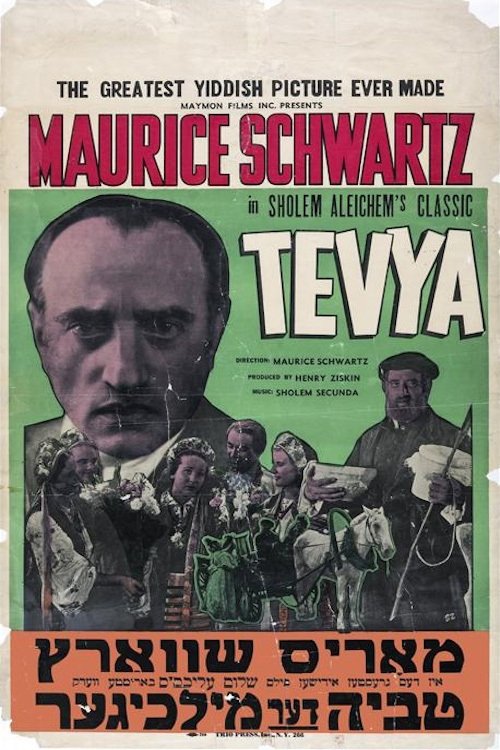
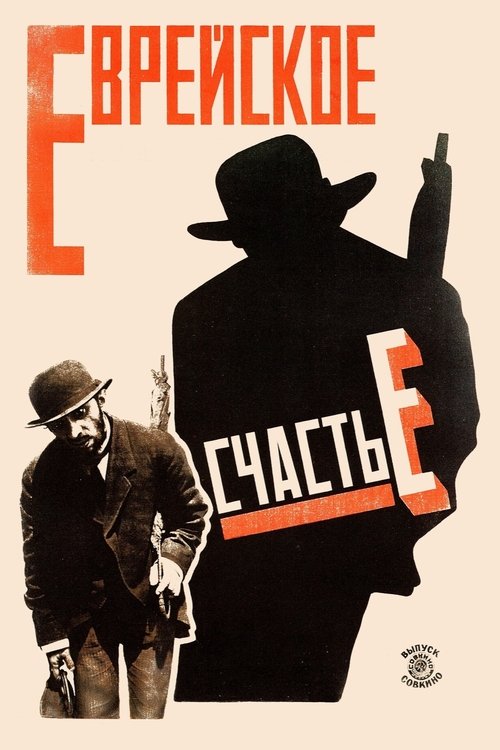
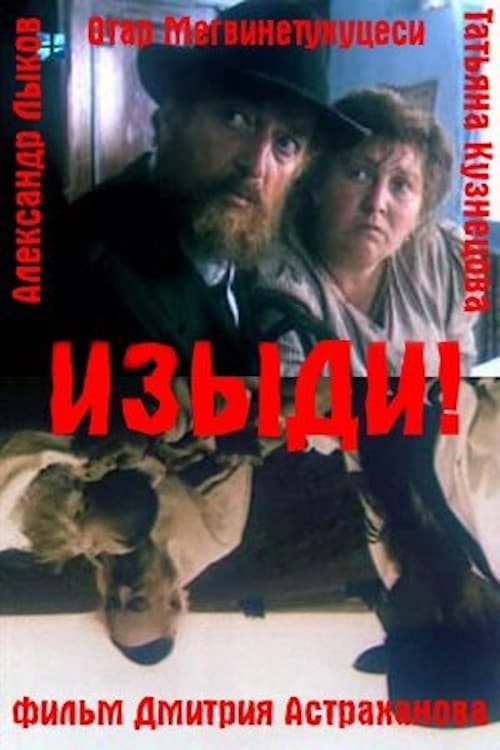
An amazing story about how Tevye the Dairyman, a poor man burdened with a family, was suddenly made happy by an extraordinary event, one worthy of description. It is told by Tevye himself and passed on word for word.
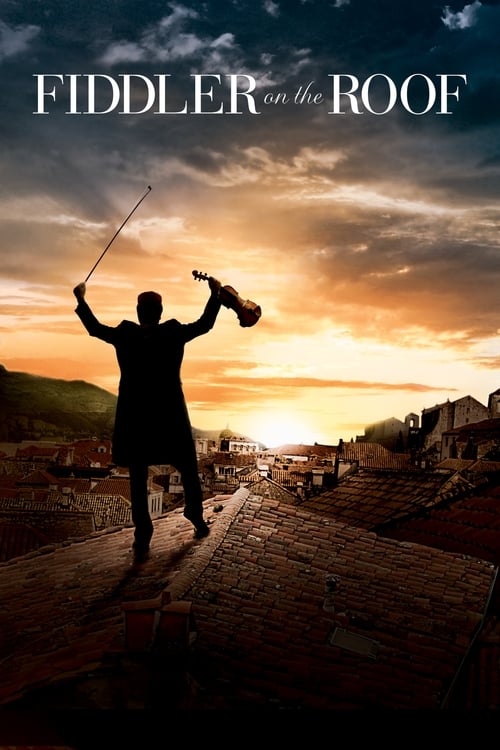
Special 50th anniversary recording of the Tokyo Imperial Theater production of the Fiddler on the Roof. Set in the little village of Anatevka, the story centers on Tevye, a poor milkman, and his five daughters. With the help of a colorful and tight-knit Jewish community, Tevye tries to protect his daughters and instill them with traditional values in the face of changing social mores and the growing anti-Semitism of Czarist Russia.
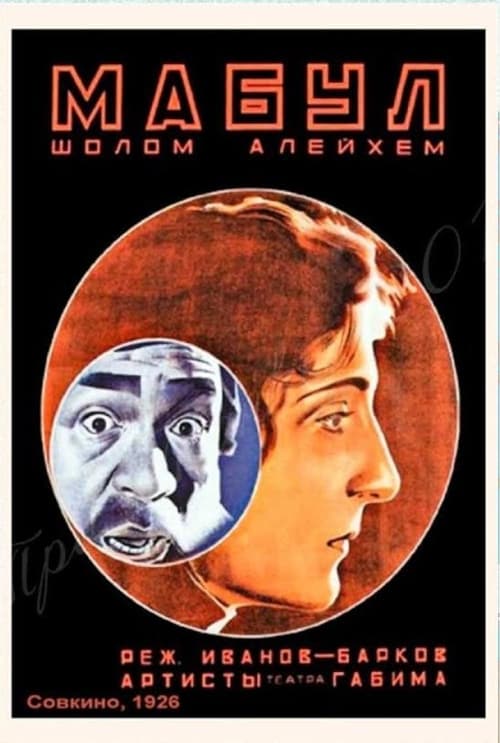
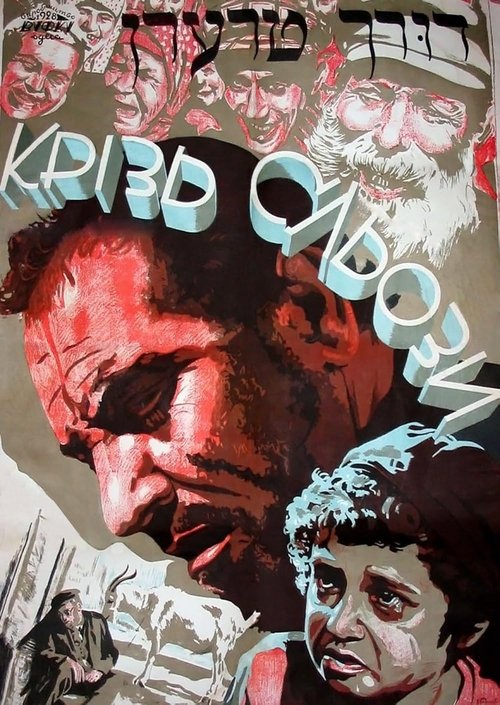
Against the will of the fathers (1926) was shot based on the story of Sholom Aleichem "Blood Stream", which talks about the participation of Jews in the 1905 revolution. The first version of the film, entitled "Mabul," was banned by the Soviet government. The 5-part version of the film has survived: a version modified by the will of censorship with other names of the characters, an updated storyline, a more positive attitude and a happy ending. The finale of the final reel shows the mass scenes of the revolutionary struggle in St. Petersburg, the scene of the Jewish pogrom.
This omnibus release consists of three playlets filmed and aired during television's Golden Age, and starring some of the legends of film and television. The collection originally ran as a two-hour segment on December 14, 1959, on the anthology series The Play of the Week, broadcast locally in New York City via the independent radio station WNTA. Each "tale" in the anthology was adapted from a single tale by the inimitable Sholom Aleichem, regarded by many as the "Yiddish Mark Twain". Included are: "A Tale of Chelm" starring Zero Mostel and Nancy Walker in the story of a bookseller attempting to buy a goat; "Bontche Schweig" about a poor man (Jack Gilford) whose recent arrival in Heaven makes the angels cry; and "The High School" about a Jewish merchant (Morris Carnovsky) persuaded by his wife (Gertrude Berg) to let their son attend a particular high school despite the enforcement of quotas for Jewish students.
The story of a Jewish entrepreneur ins Tsarist Russia always look for a get rich quick scheme.
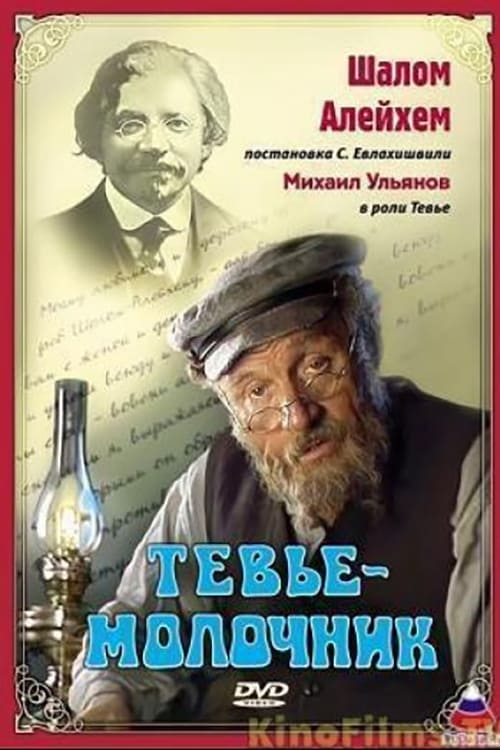
It is the early 20th century. Tevye the Dairyman lives in a small village in Ukraine. He is poor and believes that his daughters have one chance to escape poverty – a successful marriage. Tevye accepts a profitable proposition from a matchmaker, but his beautiful daughters have a different plan.
A drama based on classical novel by Sholom Aleichem. Labelle and Raisle are madly in love with each other. Possessing outstanding acting and musical talent, they leave home, leaving with a touring theater company. But fate separates their loving hearts.
The poor tailor Perchyk who dreams to buy a she-goat lives in a small town. Meanwhile, Perchyk’s daughter Frida falls in love with the unemployed Elia. Perchyk is totally against their marriage, as he cannot buy a she-goat if the son-in-law does not have any money. Finally, Perchyk buys a she-goat from a rich tavern owner but he gives him… a goat. Moreover, a police officer dissatisfied with the tailored uniform forges a document, according to which Perchyk and his whole family are expelled from the town as troublemakers.
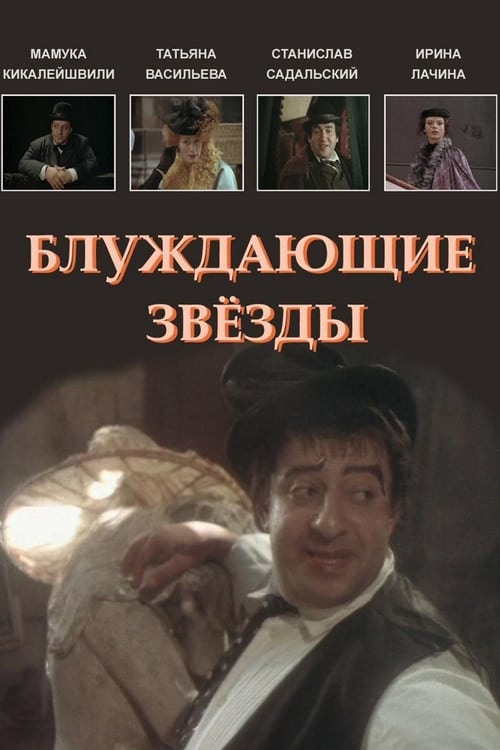
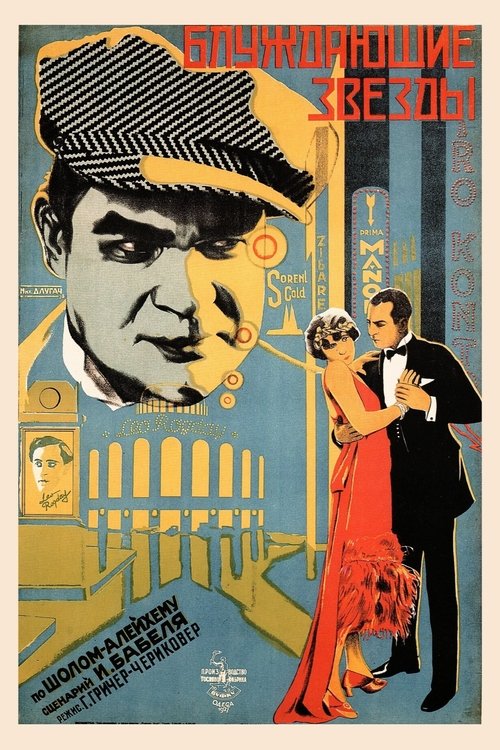
The violinist Leva Ratkovich loved the poor girl Rachel, but her father did not allow her to marry a "beggar". Making sure that in tsarist Russia he could not achieve recognition, Leva decided to emigrate. After wandering, he falls into the hands of an impressionario, who made him a celebrity. On tour, Leva met his Rachel, who was also forced to emigrate. The Wandering Stars finally meet.
In a small Jewish community in a pre-Revolutionary Russian village, a poor milkman, determined to find good husbands for his five daughters, consults the traditional matchmaker – and also has words with God.
In Russia at the turn of the century, a wealthy Jewish merchant enjoys the best of relations with his Russian neighbours, while his respected home forms the obvious social centre of the entire community. However, the atmosphere grows more tense as the local authorities come under pressure to fall in line with the officially sanctioned anti-Semitic policies of the Tsarist Government. The village elder is one of our hero's best friends and together they seem to find a way to outwit these evil intentions but unfortunately they fail to understand what forces they are dealing with in a country where anti-Semitism is state policy.