FEEL IT.STREAM
Vincenzo Bellini

Vincenzo Bellini

Sound

Biography

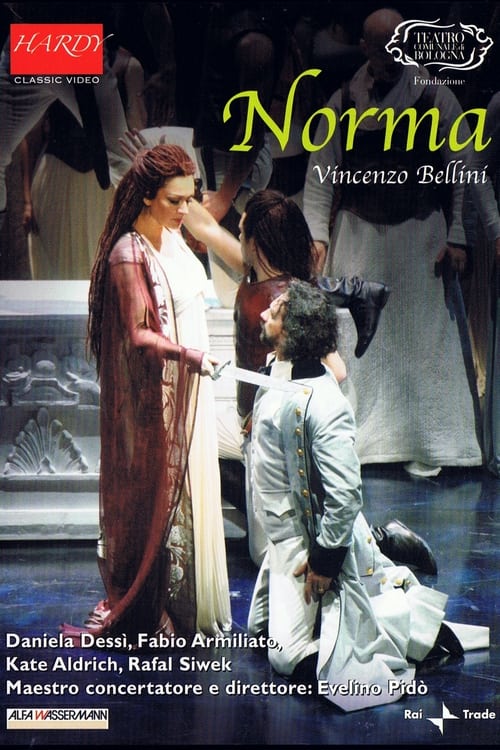
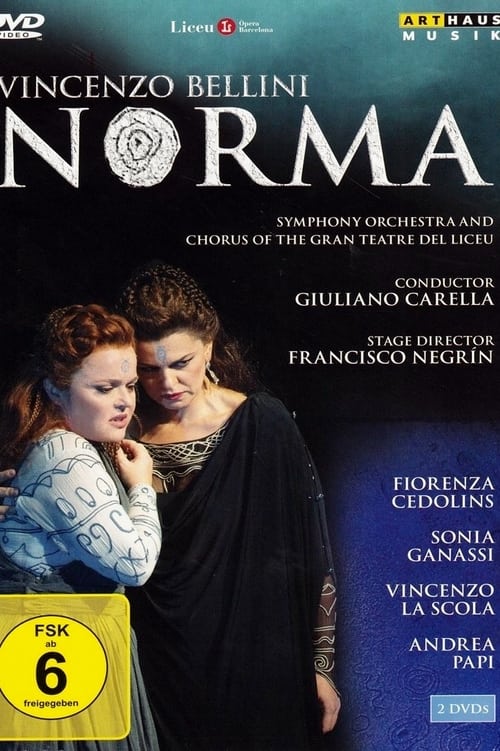
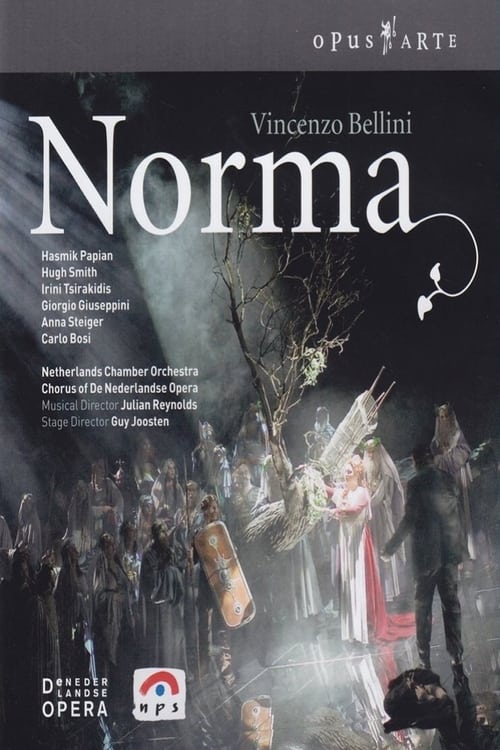
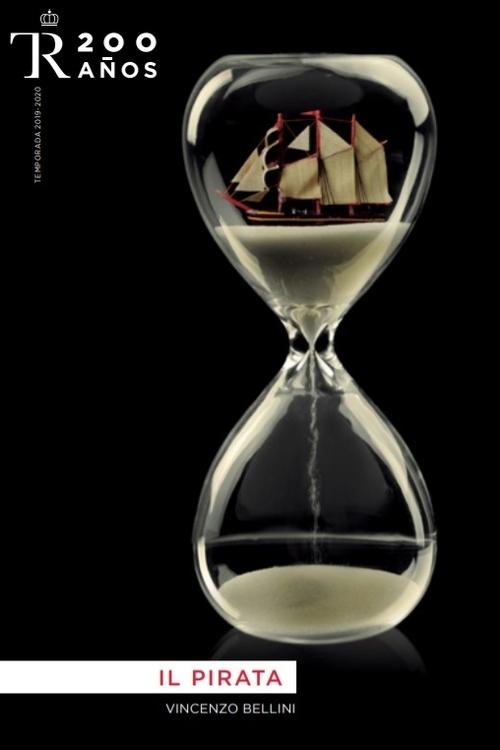
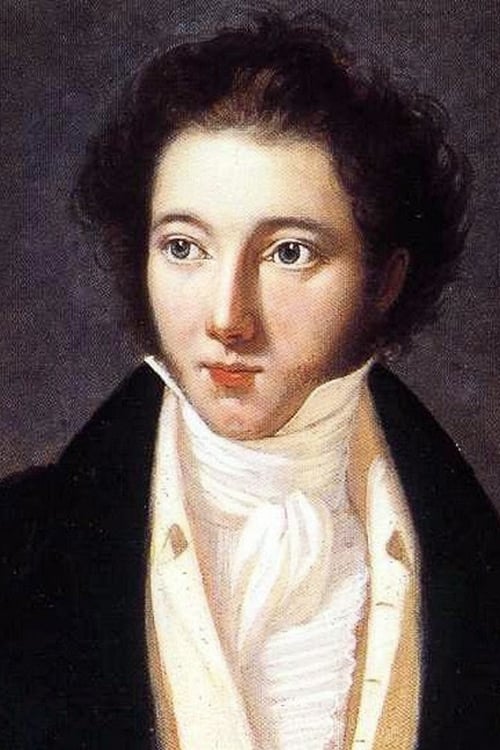
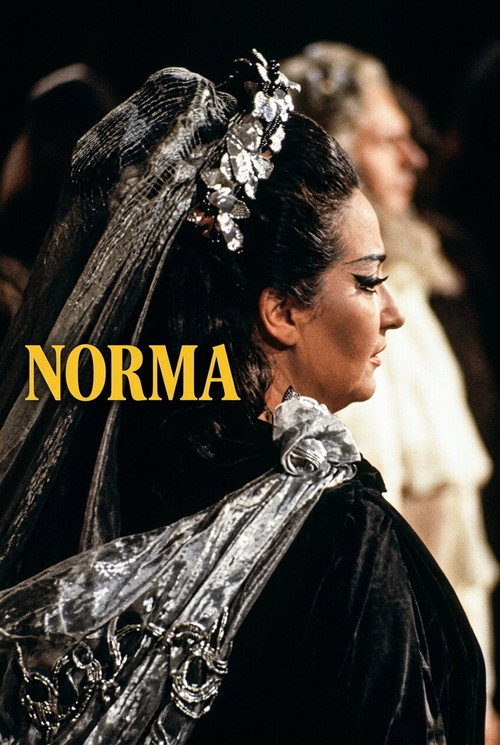
Vincenzo Salvatore Bellini was born on November 2, 1801 in Catania, Sicily, Italy. He was the first of seven children in a musical family. His grandfather gave him first piano lessons at the age of 3, and at the age of 5 young Bellini could play good piano to an audience. His first composition dates from around that age. He was granted a scholarship from the municipal government of Catania to study music at the Conservatory of Naples. Bellini studied under composer Niccolo Zingarelli and a vocal teacher Girolamo Crescenti. His fellow student soprano Isabella Colbrani eventually became his wife. Bellini's graduation opera "Adelson e Salvini" generated a commission from the Royal court. Impresario Domenico Barbaja secured a commission for Bellini's opera for La Scala in Milan. "Il Pirata" started Bellini's fruitful partnership with the librettist Felice Romani, who complemented Bellini's flowing serpentine vocal lines with meticulously chosen words. Their tandem created 7 Bel canto operas in about six years. In Paris Bellini received a commission from the Theatre Italien for "Il Puritani", which he composed on the libretto by Count Carlo Pepoli. It became a triumph over his competitor Gaetano Donizetti. Bellini was recognized by the leading cultural figures of his time; Franz Liszt, Mikhail Glinka, Frédéric Chopin, George Sand, Alfred de Musset, Victor Hugo and Alexandre Dumas père, among others. Heinrich Heine was fond of Bellini's works; But he predicted that Bellini will die, like Wolfgang Amadeus Mozart and Raphael, at the hight of his genius. Bellini died of peritonitis on September 23, 1835, in Paris, France, and was laid to rest in the cemetery of Pere Lachaise in Paris. In 1876 his remains were moved to the cathedral of his native town of Catania, Italy. Bellini's opera "Norma" became a hallmark of the Bel canto style. It was premiered on December 26, 1831 at the La Scala, Milan, and initially had a cool reception on its first night. The title role is still considered the most difficult role in all of the soprano repertoire. Its performances by Maria Callas are among the finest. The extremely popular cavatina "Casta diva" was used in soundtracks for many films, such as A Midsummer Night's Dream (1999), The Game of their Lives, The Bridges of Madison County (1995), Atlantic City (1980), and Lorenzo's Oil (1992) among other films. - IMDb Mini Biography By: Steve Shelokhonov
Known For

No image
8.0

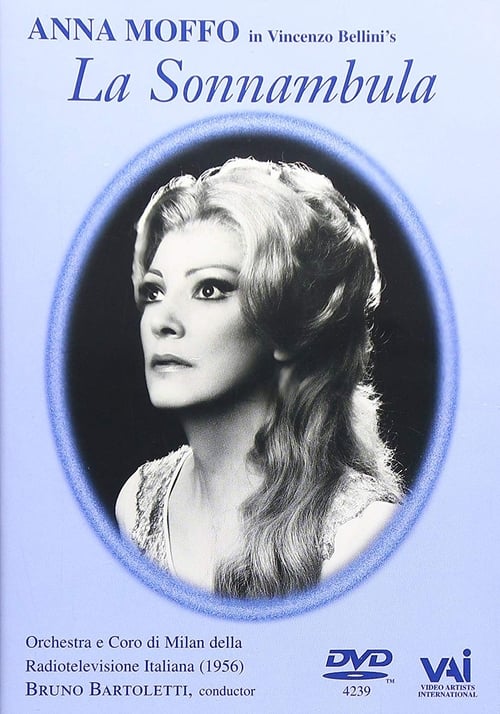
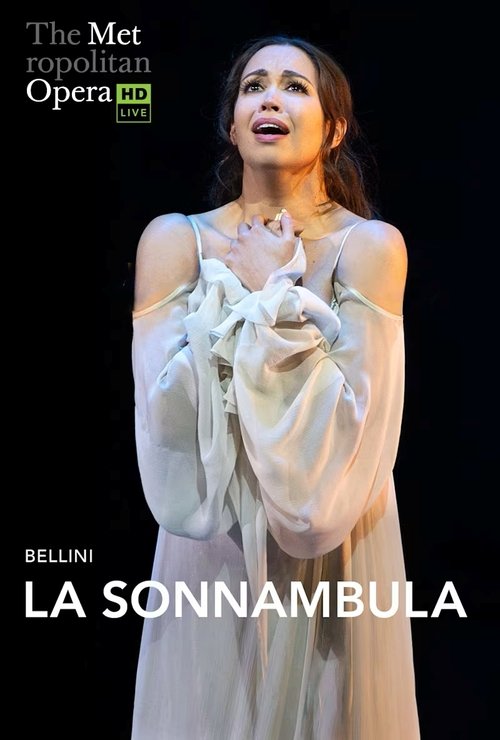
La Sonnambula is an idillic, classical and intense melodramma with an extremely fine, lyrical musicality and tense with pure "canto", suspended between Arcadia and Romanticism. It is a combination of tender and melancholic sentiments and of tragic and moving passion, in a natural uncontaminated and innocent atmosphere and humanity which clearly represent the artistic experience of the composer. The charming staging by Hugo de Ana, at the Teatro Lirico di Cagliari goes back to January 2007. Through fascinating tableaux vivants, references to 17th century Romantic painting and refined visual projections, it is a tribute to Luchino Visconti. Visconti produced the memorabile performance of Sonnambula in March at the Scala di Milano with the magnificant Maria Callas.

La Sonnambula

2008Movie
Maria Callas: Toujours (Paris 1958)
8.3

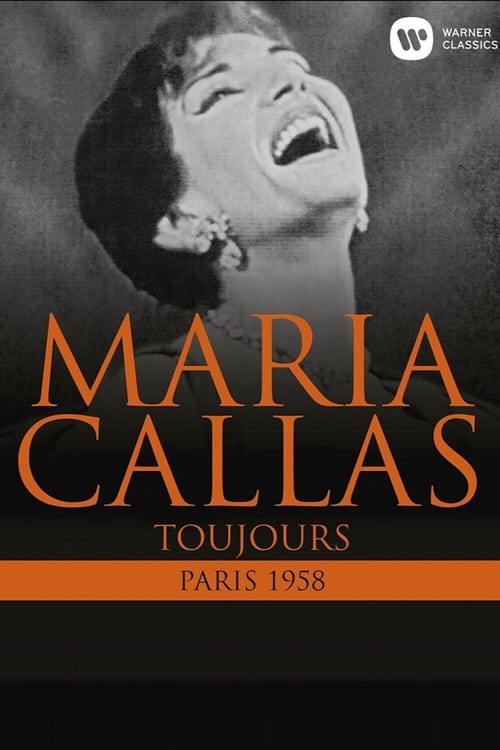
The career of Maria Callas was just a bit too early and too brief to receive full and satisfying video documentation like that now being accorded to such singers as Renée Fleming and Luciano Pavarotti. This black-and-white televised recital (Callas's Paris debut) took place at the Paris Opera on December 19, 1958 when television was still in its infancy. We might wish that it had happened earlier, when her voice was in better condition, or later, when video recording technology was more advanced--so that, for example, we would not have to take the narrator's word that Callas is wearing a red dress. But this is probably the best available Callas video recording, and her fans will welcome it warmly. Visual elements were as important as the vocal dimensions in her art.

Maria Callas: Toujours (Paris 1958)

1958Movie
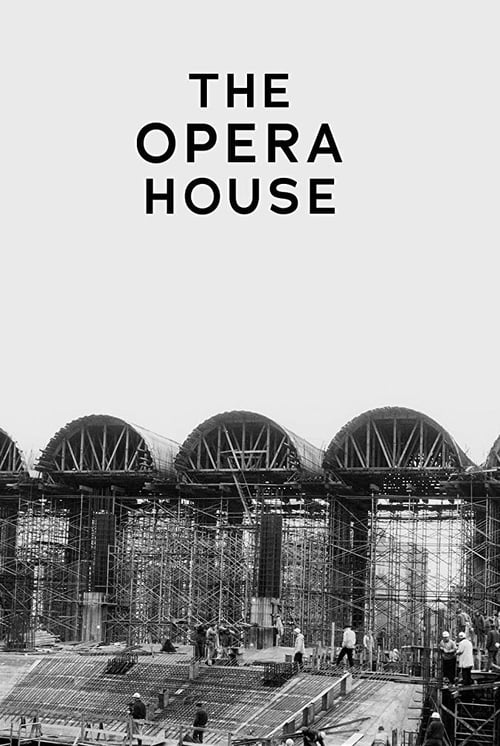
The Opera House
8.3

In this documentary, award-winning filmmaker Susan Froemke explores the creation of the Metropolitan Opera’s storied home of the last five decades. Drawing on rarely seen archival footage, stills, and recent interviews, The Opera House looks at an important period of the Met’s history and delves into some of the untold stories of the artists, architects, and politicians who shaped the cultural life of New York City in the ’50s and ’60s. Among the notable figures in the film are famed soprano Leontyne Price, who opened the new Met in 1966 in Samuel Barber’s Antony and Cleopatra; Rudolf Bing, the Met’s imperious General Manager who engineered the move from the old house to the new one; Robert Moses, the unstoppable city planner who bulldozed an entire neighborhood to make room for Lincoln Center; and Wallace Harrison, whose quest for architectural glory was never fully realized.

The Opera House

2017Movie