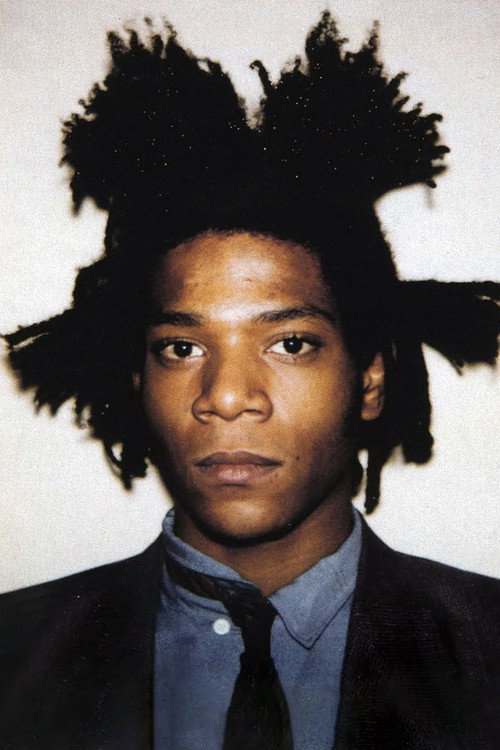
Jean-Michel Basquiat
Acting
Biography
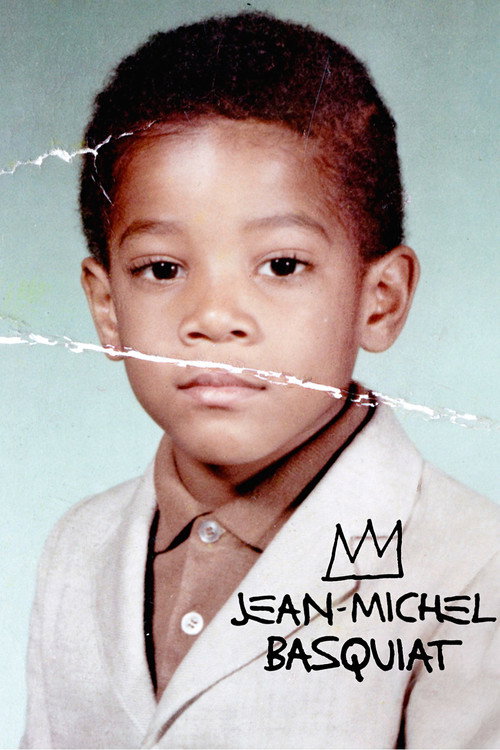
Jean-Michel Basquiat (December 22, 1960 – August 12, 1988) was an American artist. His career in art began as a graffiti artist in New York City in the late 1970s, and in the 1980s produced Neo-expressionist painting. Basquiat died of a heroin overdose on August 12, 1988, at the age of 27. Description above from the Wikipedia article Jean-Michel Basquiat, licensed under CC-BY-SA, full list of contributors on Wikipedia.
Known For

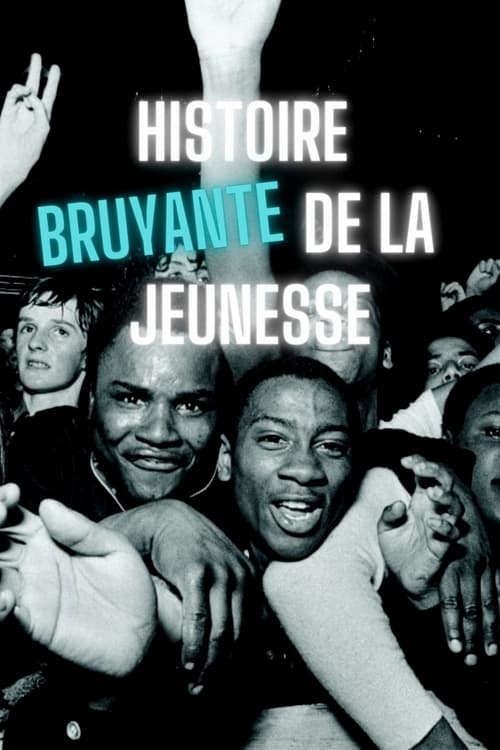
A look back at the social movements, revolts and youth subcultures from the post-war period to the present day: after the World War II, the left-bank of Paris became a mecca for jazz and alternative living, youth culture was born with trailblazing American movies, and rock became the soundtrack to a generation that wanted to change everything.
70 Years of Youth Revolt

The film is a day in the life of a young artist, Jean-Michel Basquiat, who needs to raise money to reclaim the apartment from which he has been evicted. He wanders the downtown streets carrying a painting he hopes to sell, encountering friends, whose lives (and performances) we peek into.
Downtown '81

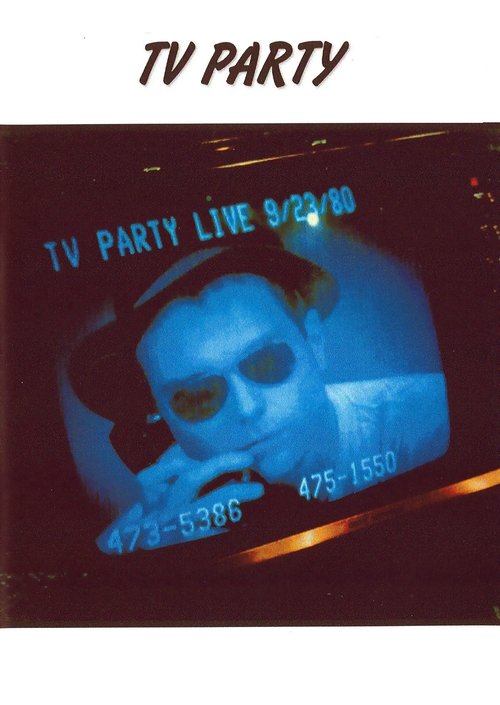
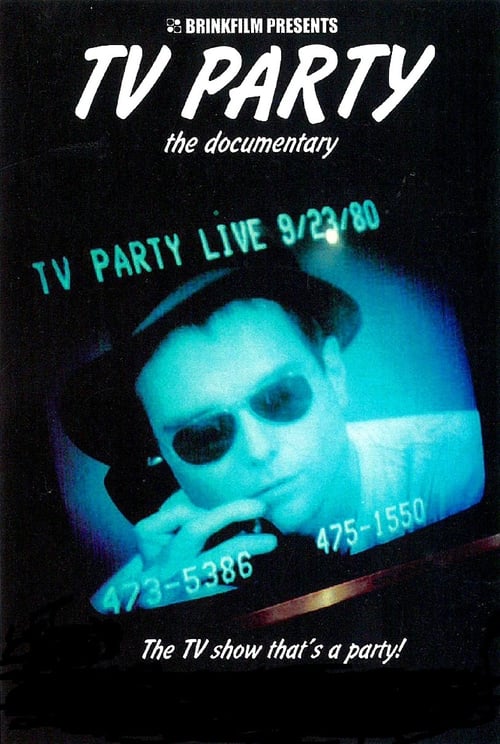
From 1978 to 1982, Glenn O'Brien hosted a New York city public access cable TV show called TV Party. Co-hosted by Chris Stein, from Blondie, and directed by filmmaker Amos Poe, the hour long show took television where it had never gone before: to the edge of civility and "sub-realism" as Glenn would put it. Walter Steding and his TV Party "Orchestra" provided a musical accompaniment to the madness at hand, and many artists and musicians, from The Clash, Nile Rodgers, Jean-Michel Basquiat, David Bryne and Arto Lindsey were regular guests. It was the cocktail party that could be a political party. With 80 hours of disintegrating 3/4 inch videotape as a starting point, we tracked down the trend setting participants still living today and found out what they remember of the period and how the show influenced their lives. This, combined with clips from the orginal show, became the documentary "TV Party.
TV Party

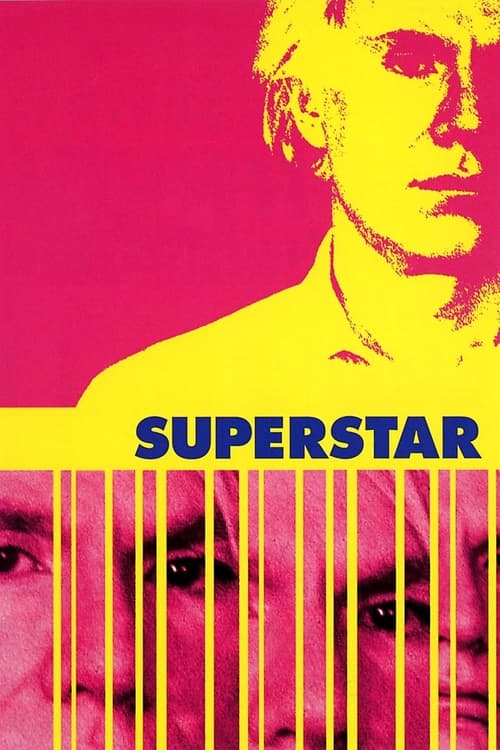
Iconic American artist and filmmaker Andy Warhol is the subject of this documentary, which looks at both his life and his influence on pop culture. The film provides details about Warhol's upbringing in Pittsburgh and follows his move to New York City, where he found massive success turning pop imagery into art and eventually founded "The Factory," his famed studio and party venue. Among the many notables interviewed are Dennis Hopper, David Hockney, and Roy Lichtenstein.
Superstar: The Life and Times of Andy Warhol

TV Party was a public-access television cable TV show in New York City that ran from 1978 to 1982. Glenn O'Brien was the host. Chris Stein, the co-founder of the pop band Blondie, was the co-host and Walter "Doc" Steding was the leader of the TV Party orchestra. Amos Poe was the director. Guests included Mick Jones, David Byrne, Debbie Harry, James Chance and Jean-Michel Basquiat. Brink Films has re-released some of the best of the 80 plus episodes on DVD, as well as a documentary about the TV show.
TV Party

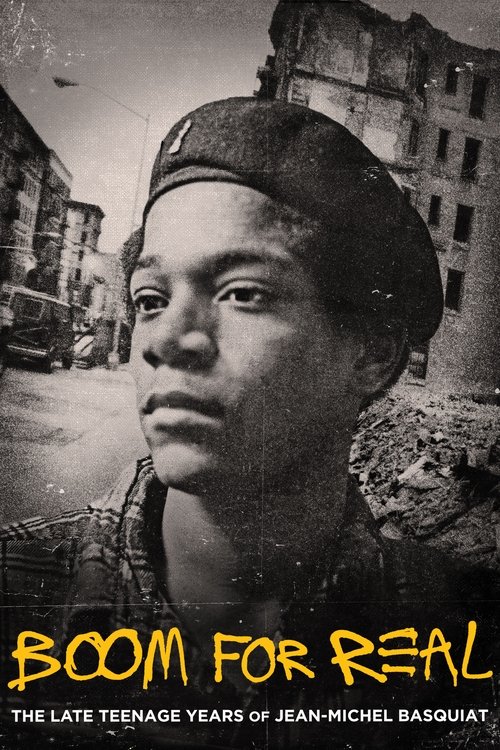
Exploring the pre-fame years of the celebrated American artist Jean-Michel Basquiat, and how New York City, its people, and tectonically shifting arts culture of the late 1970s and '80s shaped his vision.
Boom for Real: The Late Teenage Years of Jean-Michel Basquiat

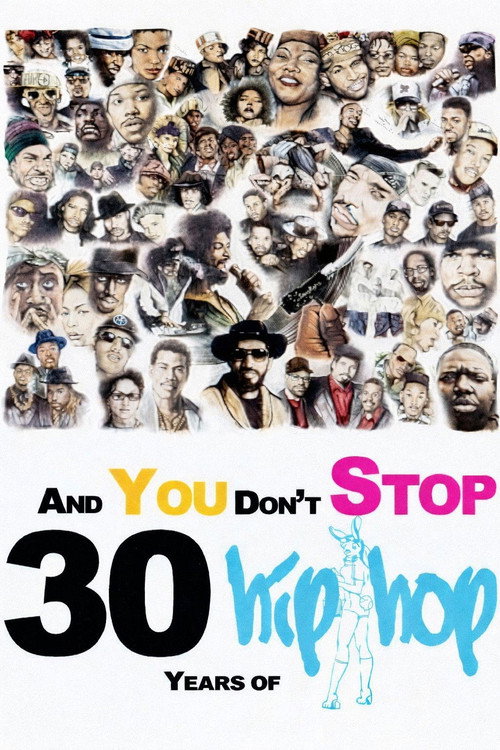
The film documents the development of hip hop culture since its inception in the 1970s. With interviews from various figures in the community such as Afrika Bambaataa, Grandmaster Flash, Fab 5 Freddy, KRS-One, MC Hammer and Busy Bee.
And You Don't Stop: 30 Years of Hip-Hop

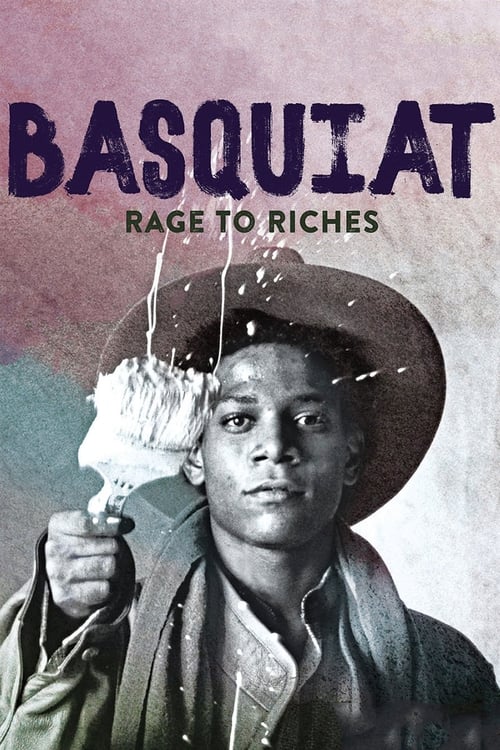
This film tells Jean-Michel's story through exclusive interviews with his two sisters Lisane and Jeanine, who have never before agreed to be interviewed for a TV documentary. With striking candour, Basquiat's art dealers - including Larry Gagosian, Mary Boone and Bruno Bischofberger - as well as his most intimate friends, lovers and fellow artists, expose the cash, the drugs and the pernicious racism which Basquiat confronted on a daily basis. As historical tableaux, visual diaries of defiance or surfaces covered with hidden meanings, Basquiat's art remains the beating heart of this story.
Basquiat: Rage to Riches

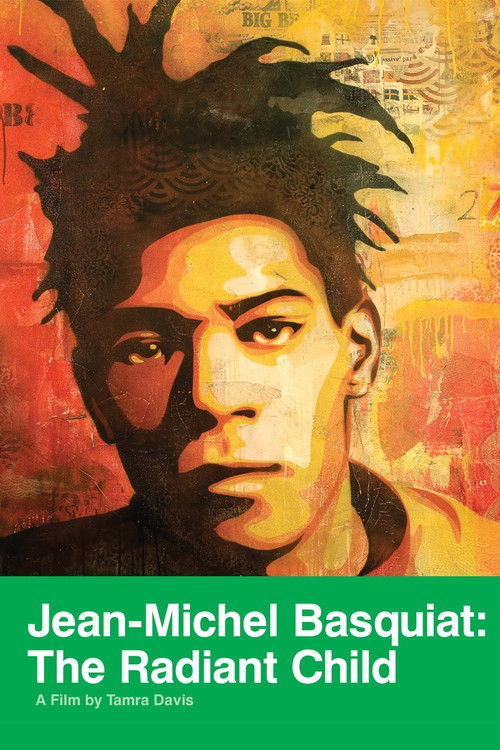
A thoughtful portrait of a renowned artist, this documentary shines the spotlight on New York City painter Jean-Michel Basquiat. Featuring extensive interviews conducted by Basquiat's friend, filmmaker Tamra Davis, the production reveals how he dealt with being a black artist in a predominantly white field. The film also explores Basquiat's rise in the art world, which led to a close relationship with Andy Warhol, and looks at how the young painter coped with acclaim, scrutiny and fame.
Jean-Michel Basquiat: The Radiant Child

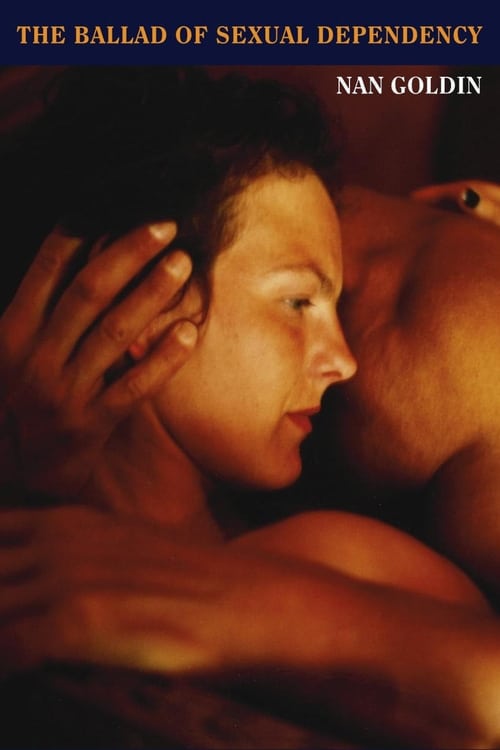
Nan Goldin's slide show “The Ballad of Sexual Dependency” converted, mixed and screened as a film by the artist, portraying the American underground culture, the no wave scene, post-Stonewall gay subculture, among others.
The Ballad of Sexual Dependency

Follows Basquiat’s early life as the child of middle-class Haitian and Puerto Rican parents in Brooklyn, through his adventures in the punk subculture and up to his breakout as a major American artist. All the while, special attention is paid to Basquiat’s mental and emotional state, with interviews from former friends and colleagues to supplement his sisters’ impressions.
Jean-Michel

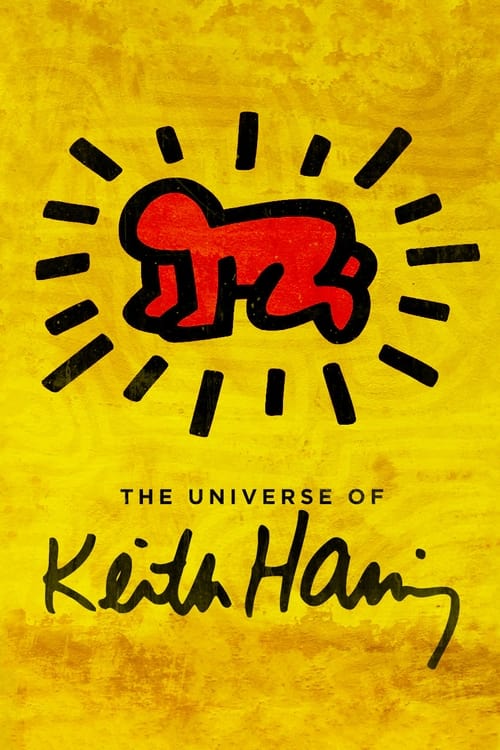
A portrait of New York artist Keith Haring. The film looks to Haring as an artistic role model for his preternatural talent, of course, but also for his infectious lust for life that had him as committed to social activism and teaching children as to his latest painting.
The Universe of Keith Haring

The life and work of New York artist Jean-Michel Basquiat have been marked by a long quest for identity, by his Haitian and Puerto Rican family origins and by a founding trip to Africa. To portray this major painter of the 20th century, who died in 1988 at only 27 years old, is also to evoke the place of black American artists in the conservative and racist America of the Reagan years.
Jean-Michel Basquiat, artiste absolu

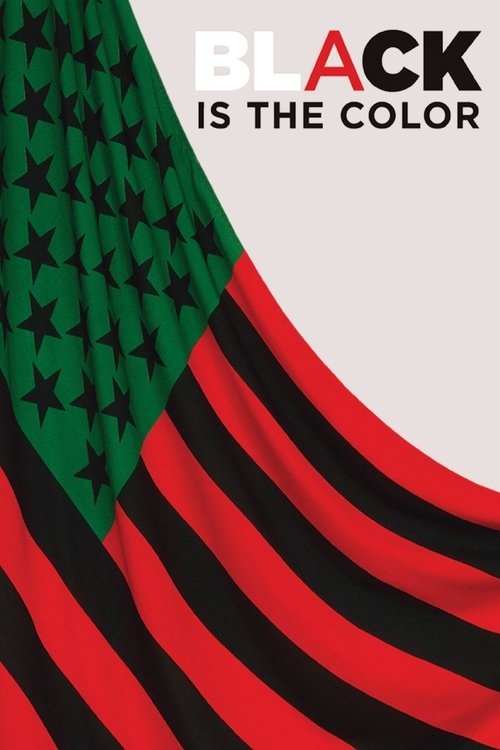
Black Is the Color highlights key moments in the history of Black visual art, from Edmonds Lewis’s 1867 sculpture Forever Free, to the work of contemporary artists such as Whitfield Lovell, Kerry James Marshall, Ellen Gallagher, and Jean-Michel Basquiat. Art historians and gallery owners place the works in context, setting them against the larger social contexts of Jim Crow, WWI, the civil rights movement and the racism of the Reagan era, while contemporary artists discuss individual works by their forerunners and their ongoing influence.
Black Is the Color: African-American Artists and Segregation

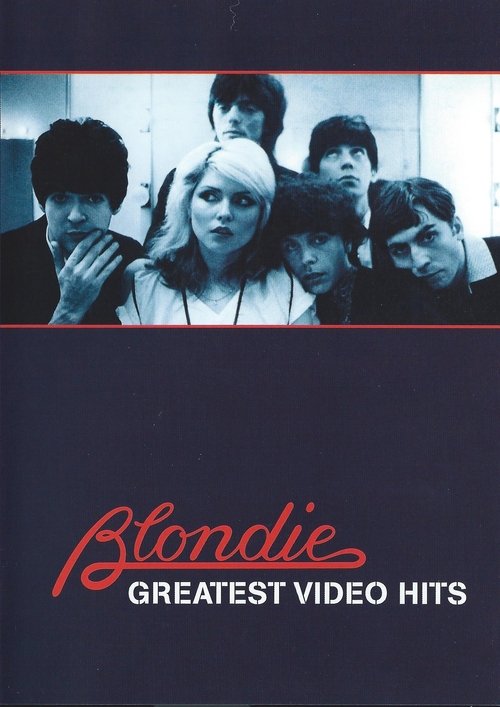
1)In The Flesh 2)X Offender 3)Denis 4)Detroit 442 5)(I'm Always Touched By Your)Presence,Dear 6)Picture This 7)Hanging On The Telephone 8)Heart Of Glass 9)Dreaming 10)Union City Blue 11)Atomic 12)The Tide Is High 13)Rapture 14)The Hardest Part 15)Island Of Lost Souls 16)Maria
Blondie Greatest Video Hits

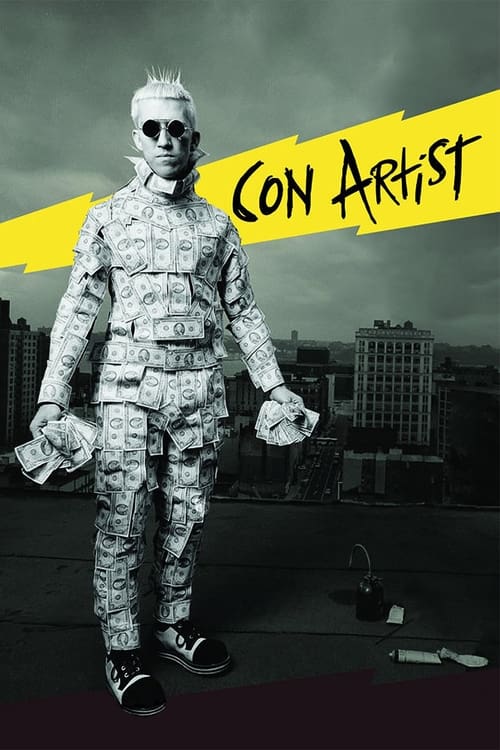
A docu-comedy feature film about a once-famous millionaire "business artist" forced to confront his own legendarily obnoxious behavior, while trying to find love through fame.
Con Artist
A candid interview with the artist Jean-Michel Basquiat near the end of his life.
A Conversation with Basquiat

Traces the meteoric rise to fame of the Haitian-Puerto Rican artist whose success was unprecedented for an artist of colour in the U.S. Geoff Dunlop avoids the tawdry gossip and spectacle that have been the focus of other documentaries about the artist, and instead we see Basquiat speaking for himself in interviews and home movies, with former teachers and close friends sharing their accounts of Basquiat's life.
Shooting Star: Jean-Michel Basquiat

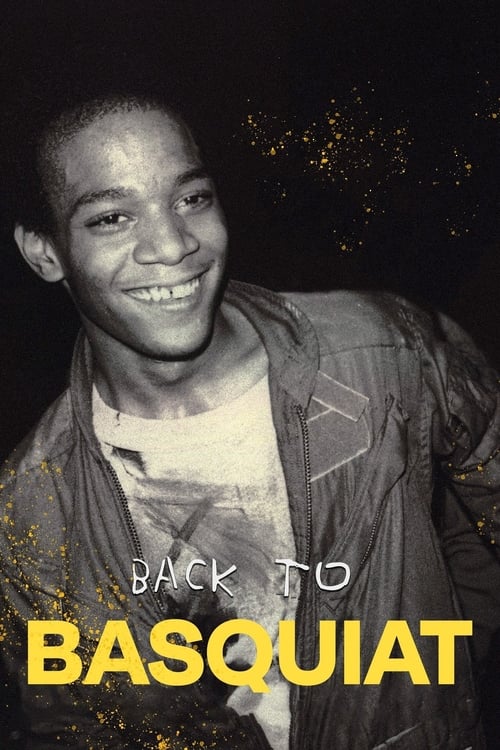
In a time of conservatism and racism during the Reagan years, New York artist Jean-Michel Basquiat flourished with brush in hand.
Back To Basquiat

On this program we see a rare interview with the mercurial painter, Jean-Michel Basquiat, conducted in 1981 in his studio on Crosby Street, in SOHO. Basquiat, an internationally renowed as well as the enfant terrible of the 1980's art scene, died tragically in 1988 at the age of 28. Both during his brief life and since his untimely death, stories and legends abound which chronicle his metoric rise to art world stardom. In 1996, Basquiat's life was fictionalized in the film entitled BASQUIAT, directed by fellow artist Julian Schnabel. On this ART/new york program, the 21 year old Basquiat is interviews by art historian - curator Marc. H Miller, PhD. Already a well known art world figure, Basquiat's fondness for high jinks as well as his exuberant spirit are captured as he describes his working process and comments upon his art world persona.