FEEL IT.STREAM
Peter Watkins

Peter Watkins

Directing

Biography

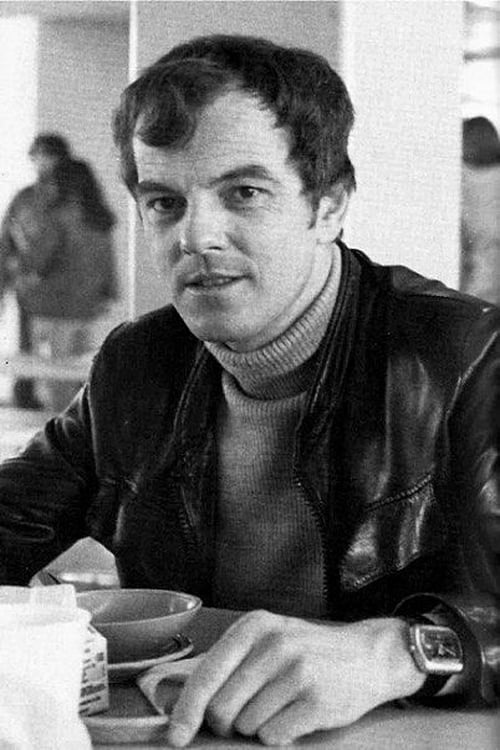
Peter Watkins (29 October 1935 – 30 October 2025) was an English filmmaker, documentarian, writer and film theorist. He is known as a pioneer of the docudrama and the mockumentary genres, typically with heavy political content. His films present pacifist and radical ideas in a nontraditional style. He mainly concentrated his works and ideas around the mass media and viewers' relation/participation to a movie or television documentary. Nearly all of Watkins' films have used a combination of dramatic and documentary elements to dissect historical occurrences or possible near future events. The first of these, Culloden, portrayed the Jacobite uprising of 1745 in a documentary style, as if television reporters were interviewing the participants and accompanying them into battle; a similar device was used in his biographical film Edvard Munch. La Commune (Paris, 1871) reenacts the Paris Commune days using a large cast of French non-actors. In 2004 he also wrote a book, Media Crisis, an engaged essay about the media crisis, the monoform and, foremost, the lack of debate around the construction of new forms of audiovisual media. Description above from the Wikipedia article Peter Watkins, licensed under CC-BY-SA,full list of contributors on Wikipedia.

Known For

Reflets de Cannes
5.0

No description available.

Reflets de Cannes

1954
Punishment Park
7.3

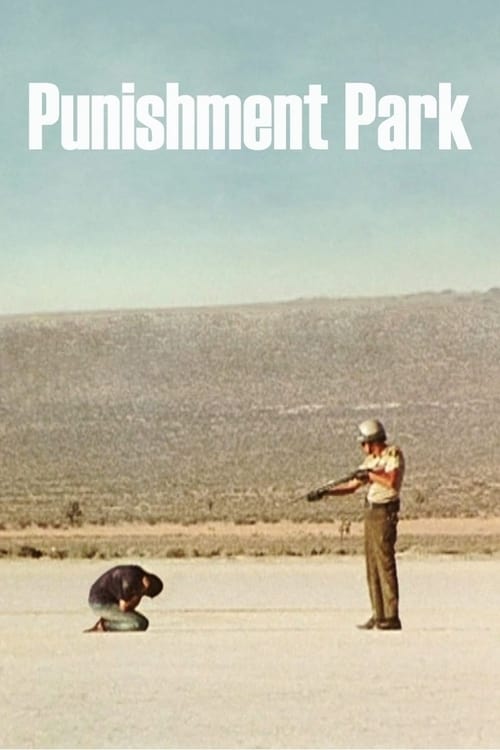
In this fictional documentary, U.S. prisons are at capacity, and President Nixon declares a state of emergency. All new prisoners, most of whom are connected to the antiwar movement, are now given the choice of jail time or spending three days in Punishment Park, where they will be hunted for sport by federal authorities. The prisoners invariably choose the latter option, but learn that, between the desert heat and the brutal police officers, their chances of survival are slim.

Punishment Park

1971
La Commune (Paris, 1871)
N/A

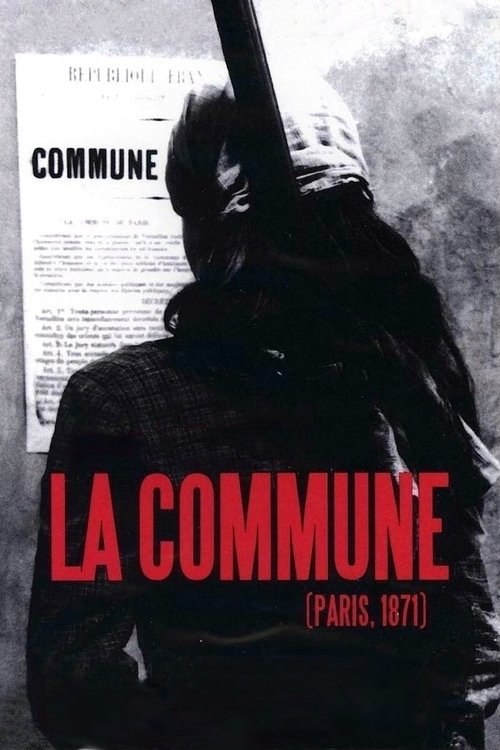
In this war drama blurring the lines between documentary and fiction, the working class and the bourgeoisie of 19th century Paris are interviewed and covered on television, before and during a tragic workers' class revolt.

La Commune (Paris, 1871)

2000
The War Game
7.7

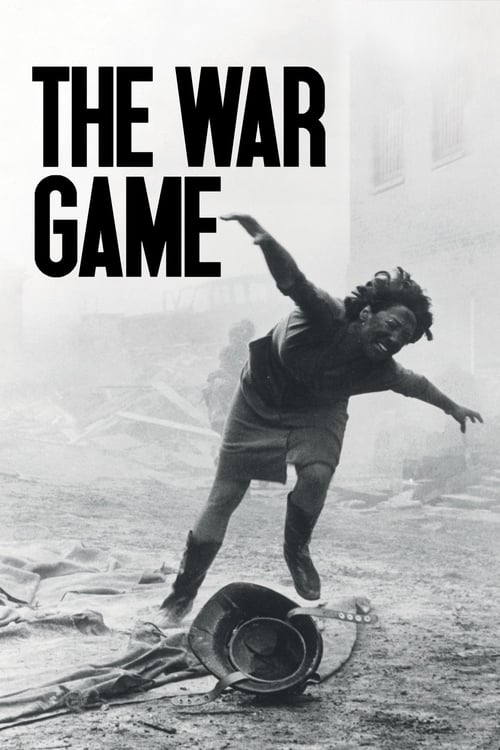
A docudrama depicting a hypothetical nuclear attack on Britain. After backing the film's development, the BBC refused to air it, publicly stating "the effect of the film has been judged by the BBC to be too horrifying for the medium of broadcasting." It debuted in theaters in 1966 and went on to great acclaim, but remained unseen on British television until 1985.

The War Game

1966
Culloden
7.4

Culloden, Scottish Highlands, April 16th, 1746. It was one of the most mishandled and brutal battles ever fought in Great Britain. Its aftermath was tragic. The men responsible for such a disaster must be exposed. The men, women and children who suffered because of it must be remembered.

Culloden

1964
It Happened Here
6.9

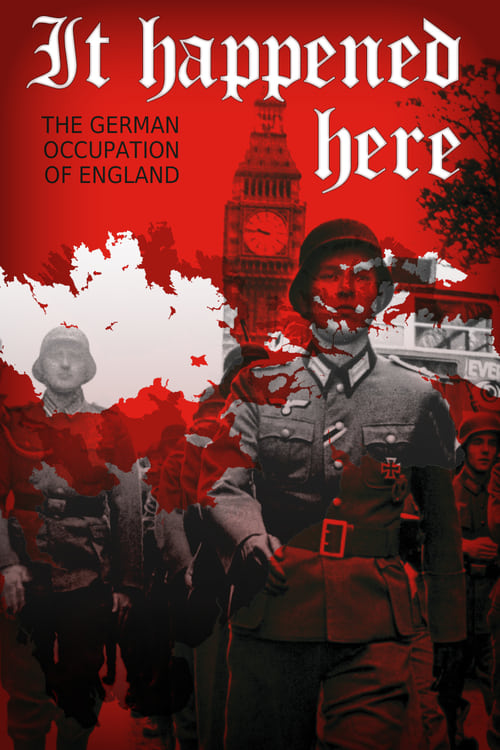
World War II, 1940. When the Nazi hordes invade and occupy Great Britain, the English citizens are soon divided between those who choose to submissively collaborate and those who are willing to fight.

It Happened Here

1966
La Commune (Paris, 1871)
7.5

We are in the year 1871. A journalist for Versailles Television broadcasts a soothing and official view of events while a Commune television is set up to provide the perspectives of the Paris rebels. On a stage-like set, more than 200 actors interpret characters of the Commune, especially the Popincourt neighborhood in the XIth arrondissement. They voice their thoughts and feelings concerning the social and political reforms.

La Commune (Paris, 1871)

2003
Edvard Munch
7.3

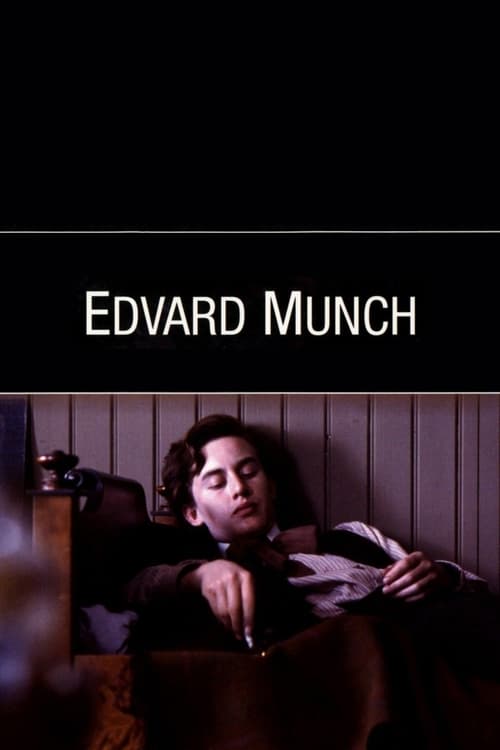
Edvard Munch's childhood is overshadowed by death: he suffers the loss of his sister and mother, while enduring serious illness himself, almost dying. At university, Munch discovers his talent as a painter. As he immerses himself in the art world, he becomes part of a cultural revolution led by the likes of nihilist Hans Jæger.

Edvard Munch

1974
Privilege
6.8

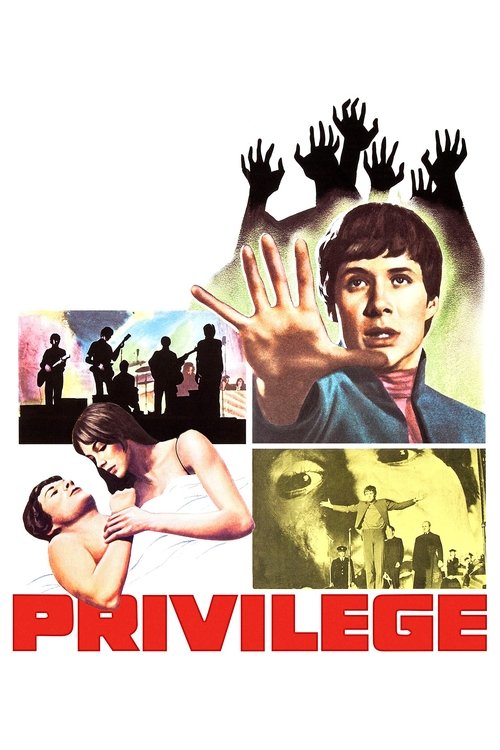
Britain's biggest pop singer, Steven Shorter, receives unwavering adulation and possesses total control over his rabid fans, which includes nearly the entire population. Yet Shorter is not an autonomous performer -- he is little more than a puppet for the government, promoting whatever agenda they see fit. When a beautiful artist, Vanessa Ritchie, is commissioned to paint his portrait, she pushes Shorter to question his obedience to his manipulative handlers.

Privilege

1967
Edvard Munch
6.8

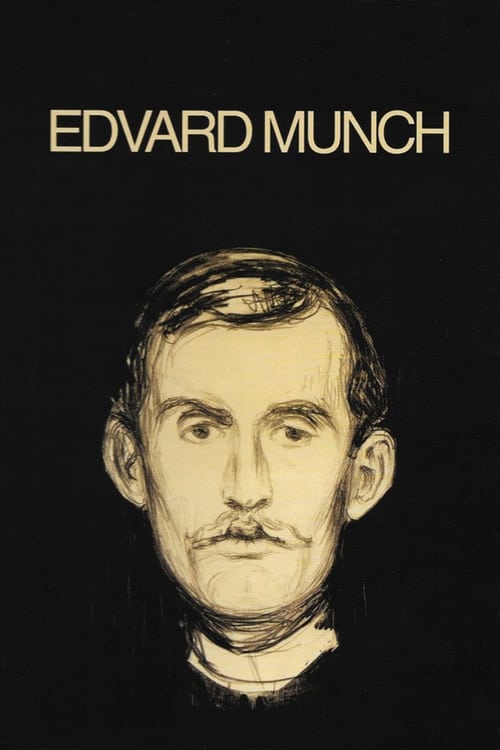
Edvard Munch is a 1974 biographical film about the Norwegian Expressionist painter Edvard Munch, written and directed by Peter Watkins. It was originally created as a three-part miniseries co-produced by the Norwegian and Swedish state television networks NRK and SVT, but subsequently gained an American theatrical release in a three-hour version in 1976. The film covers about thirty years of Munch's life, focusing on the influences that shaped his art, particularly the prevalence of disease and death in his family and his youthful affair with a married woman. The film was screened at the 1976 Cannes Film Festival, but wasn't entered into the main competition.

Edvard Munch

1974
The Gladiators
6.1

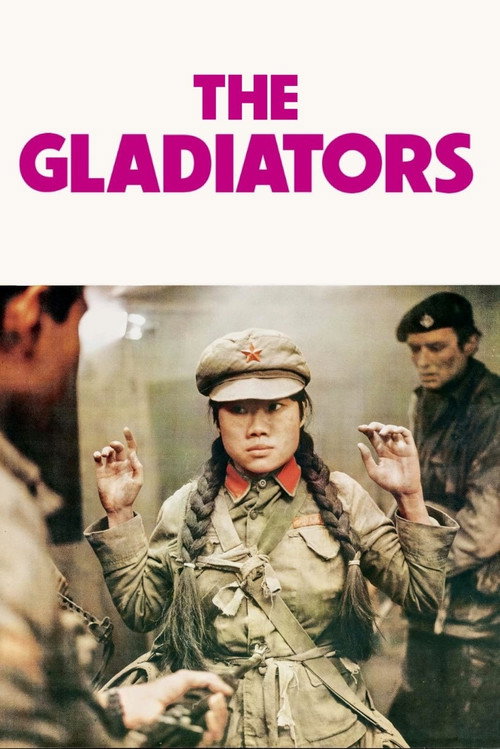
Some time in the future, East and West have stopped maintaining standing armies and nuclear weapons. Instead, to settle their differences they pit different teams of crack combat specialists against each other.

The Gladiators

1969
The Journey
4.6

Peter Watkins' global look at the impact of military use of nuclear technology and people's perception of it, as well as a meditation on the inherent bias of the media, and documentaries themselves.

The Journey

1987
The Freethinker
7.1

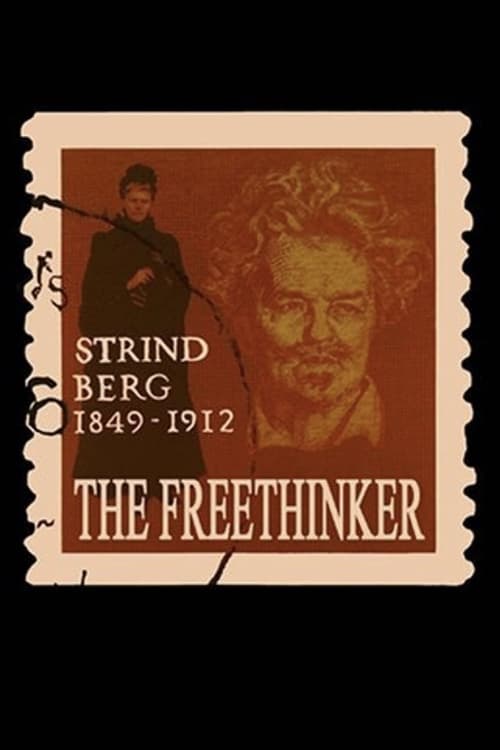
The film portrays the Swedish playwright, novelist, poet, essayist and painter August Strindberg's life 1849-1912. Through his extensive correspondence and literary production, from the supposed first work, the drama "The Free Thinker" (1869), to the posthumously published "The Occult Diary" (published 1977 ). But also his three wives, Siri von Essen, Frida Uhl and Harriet Bosse, and the children Karin, Greta and Hans are given space in the film. The unpublished first drama "The Free Thinker", depicts a young man forced to break with family and tradition to follow his conscience and ideals, becomes a prophecy about the author's own life.

The Freethinker

1994
The Diary of an Unknown Soldier
6.4

A short story narrated by an unknown British soldier who reveals his hopes, fears, and disillusionment while heading into battle against the German army.

The Diary of an Unknown Soldier

1959
Evening Land
7.1

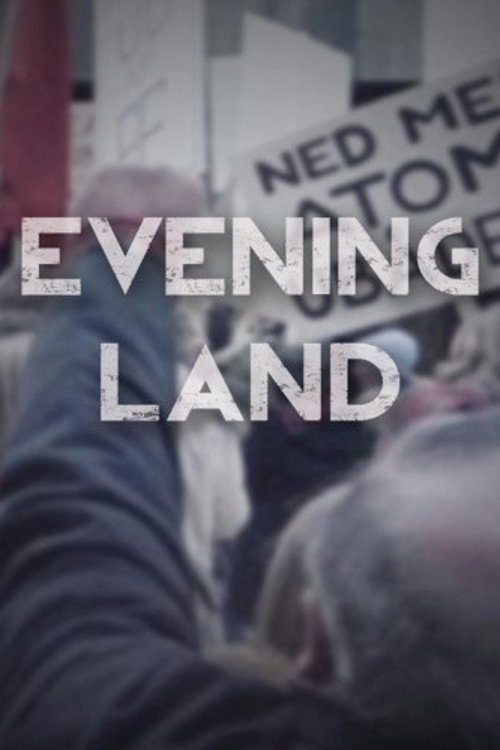
Denmark is in deep crisis: the country is hit by general strike, during the holding of a NATO summit in Copenhagen. Meanwhile, a minister is kidnapped by extremists, and state power cracks down against politically-active leftists.

Evening Land

1977
The Trap
6.5

Set in the underground living quarters of a scientist working at an international nuclear waste station near the west coast of Sweden. It is the end of 1999, and the TV in the oppressive living room inhabited by John (the scientist), his wife Margereta, and their son Peter, is proclaiming optimistic statements about the promise of the New Millennium.

The Trap

2012
No image
N/A

The film’s core concept started to emerge: I would visit families or groups of people in various countries, and interview them to find out what they knew about the state and consequences of the world arms race, and the effects of nuclear weapons. The interviews would also focus on the role that mass media and educational systems played in shaping a world view, and on the knowledge that these people had – or did not have – vis-à-vis these subjects.

THE JOURNEY Parts 17-19

The Web
9.0

A reconstruction of the Allied landing in occupied France during the Second World War.

The Web

1956
The Seventies People
8.0

The Seventies People is a 1975 television docu-drama that was produced by Danmarks Radio. The film explores the high suicide rate in Denmark, the many factors behind it and how the average citizen deals with the stress of life, work, school and family.

The Seventies People

1975
The Universal Clock: The Resistance of Peter Watkins
6.4

This feature documentary is a portrait of Peter Watkins, an Oscar®-winning British filmmaker who, for the past 4 decades, has proved that films can be made without compromise. With the proliferation of TV channels, documentaries are enjoying an unprecedented boom fuelled by audiences seeking an alternative to infotainment. But now documentary filmmaking, too, finds itself constrained by the imperatives of television. However, there is a rebel resisting this uniformity of the spirit. Pre-eminent among today's documentary filmmakers concerned about this mind-numbing standardization, Peter Watkins has never strayed from either his principles or the cause.

The Universal Clock: The Resistance of Peter Watkins

2001