FEEL IT.STREAM
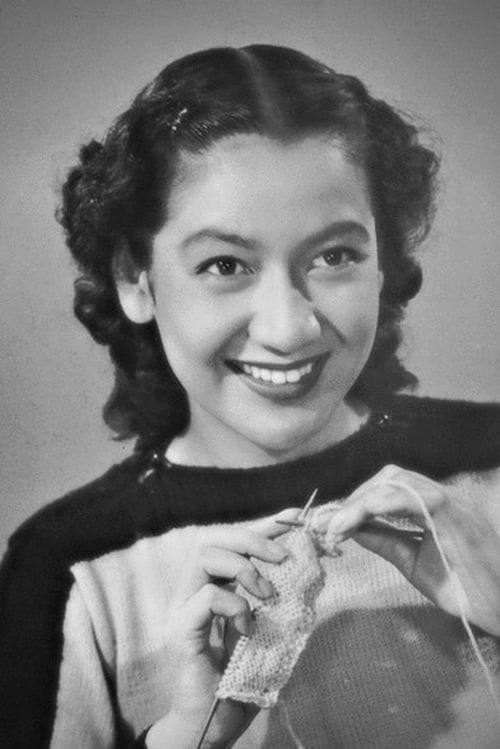
Setsuko Hara

Setsuko Hara

Acting

Biography

From Wikipedia, the free encyclopedia. Setsuko Hara (June 17, 1920 – September 5, 2015) was a Japanese actress who appeared in six of Yasujirō Ozu's films, most notably as Noriko in the "Noriko Trilogy": Late Spring (1949), Early Summer (1951), and Tokyo Story (1953). Her other films for Ozu were Tokyo Twilight (1957), Late Autumn (1960), and finally The End of Summer in 1961. She was born  Masae Aida in Yokohama, Kanagawa prefecture. She came to prominence as an actress at an early age, in the 1937 German-Japanese co-production Die Tochter des Samurai (Daughter of the Samurai), known in Japan as Atarashiki Tsuchi (The New Earth), directed by Arnold Fanck and Mansaku Itami. She also starred in films by Akira Kurosawa, Mikio Naruse, and other prominent directors. She was called "the Eternal Virgin" in Japan and is a symbol of the golden era of Japanese cinema of the 1950s. She suddenly quit acting in 1963 (the same year as Ozu's death), and led a secluded life in Kamakura, refusing all interviews and photographs. Her last major role was Riku, wife of Ōishi Yoshio, in the 1962 film Chushingura. She was the inspiration for the protagonist of the 2001 movie Millennium Actress. Description above from the Wikipedia article Setsuko Hara, licensed under CC-BY-SA, full list of contributors on Wikipedia.
Known For

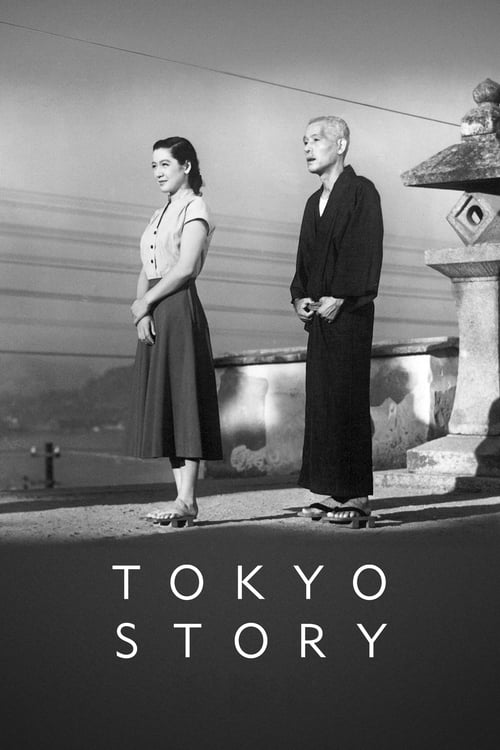
Tokyo Story
8.2

The elderly Shukishi and his wife, Tomi, take the long journey from their small seaside village to visit their adult children in Tokyo. Their elder son, Koichi, a doctor, and their daughter, Shige, a hairdresser, don't have much time to spend with their aged parents, and so it falls to Noriko, the widow of their younger son who was killed in the war, to keep her in-laws company.

Tokyo Story

1953
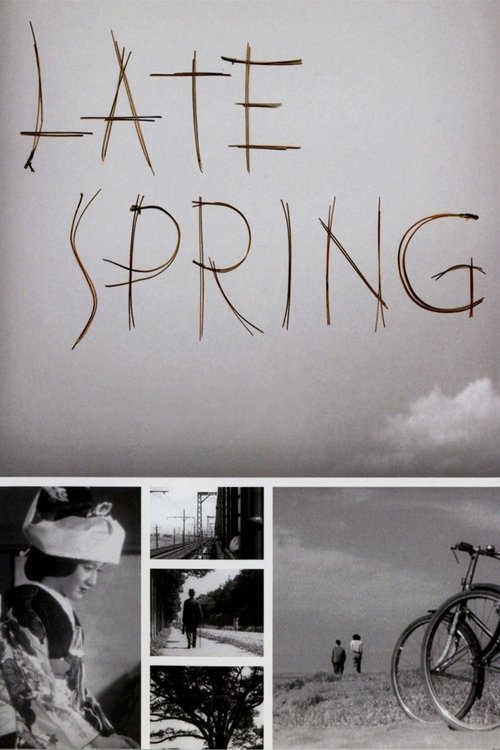
Late Spring
8.0

Noriko is perfectly happy living at home with her widowed father, Shukichi, and has no plans to marry -- that is, until her aunt Masa convinces Shukichi that unless he marries off his 27-year-old daughter soon, she will likely remain alone for the rest of her life. When Noriko resists Masa's matchmaking, Shukichi is forced to deceive his daughter and sacrifice his own happiness to do what he believes is right.

Late Spring

1949
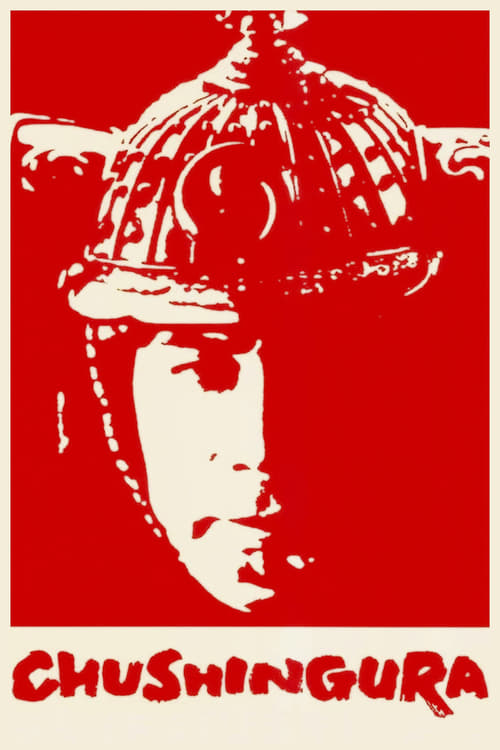
Chûshingura
7.1

After their lord is tricked into committing ritual suicide, forty-seven samurai warriors await the chance to avenge their master and reclaim their honor.

Chûshingura

1962
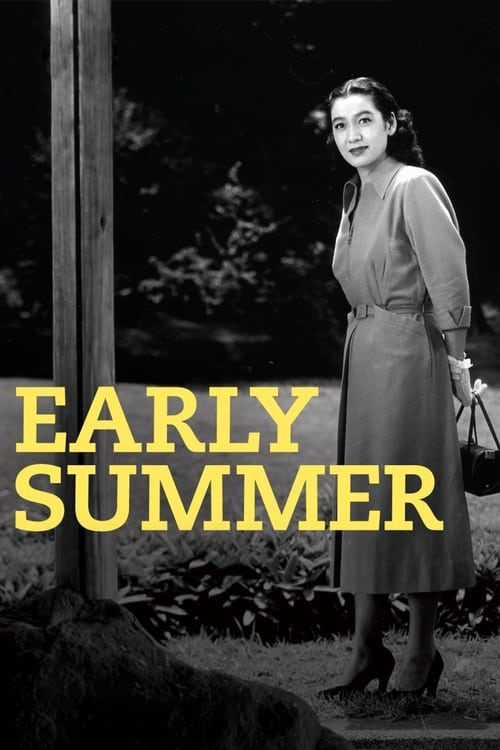
Early Summer
7.8

In postwar Tokyo, Noriko lives with her extended family. Although she enjoys her career and her social life, her more traditional family worries about her single marital status at the advanced age of 28. 40-year-old business associate Takako proposes, Noriko's family press her into accepting, but when her widowed childhood friend Kenkichi returns to the neighborhood, she finds her heart leading in another direction.

Early Summer

1951
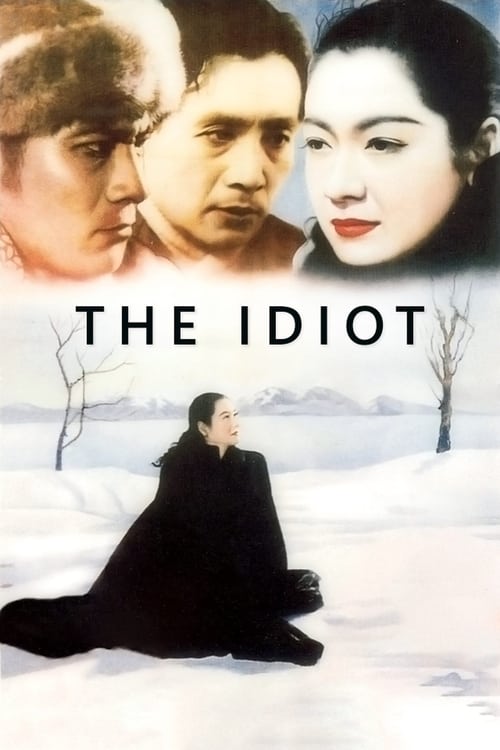
The Idiot
7.0

A gentle, war-shattered ex-soldier, Kinji Kameda, arrives in wintry Hokkaidō and is pulled into a volatile tangle of love and pity between the disgraced Taeko Nasu, the proud Ayako, and his possessive friend Akama. Kameda’s saintly compassion exposes everyone’s wounds, steering the quartet toward jealousy, violence, and inexorable tragedy. Adapted from Dostoevsky’s novel.

The Idiot

1951
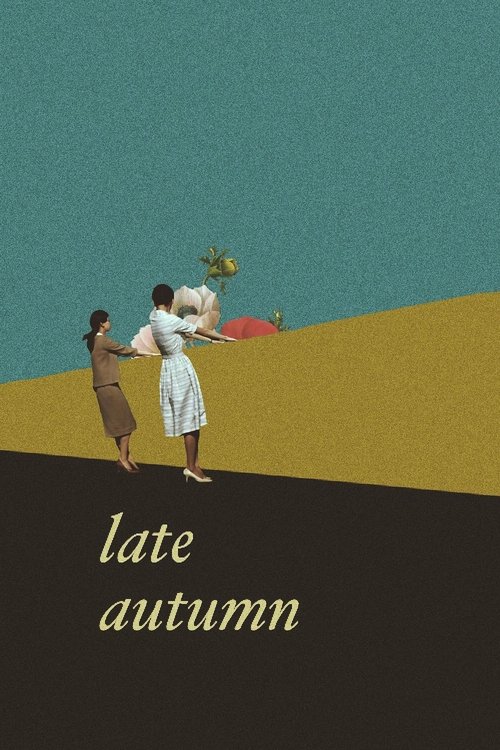
Late Autumn
7.7

A woman and her daughter are each forced to contend with an increasing pressure to marry, particularly from three men who knew her late husband.

Late Autumn

1960
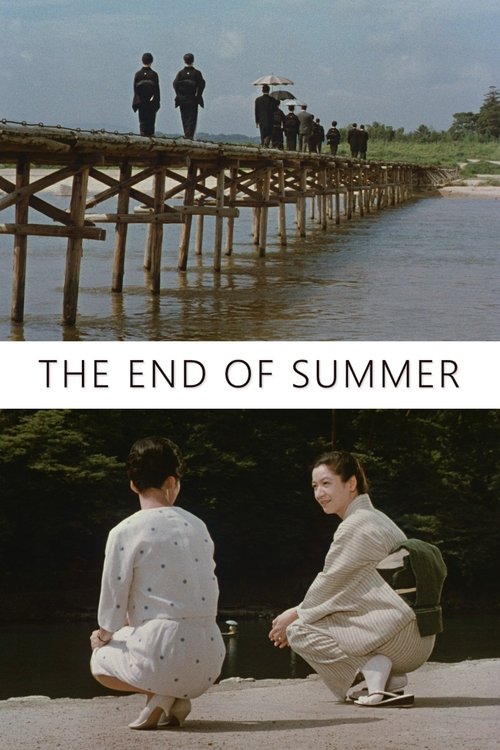
The End of Summer
7.5

The family of an older man who runs a small sake brewery become concerned with his finances and his health after they discover him visiting an old mistress from his youth.

The End of Summer

1961
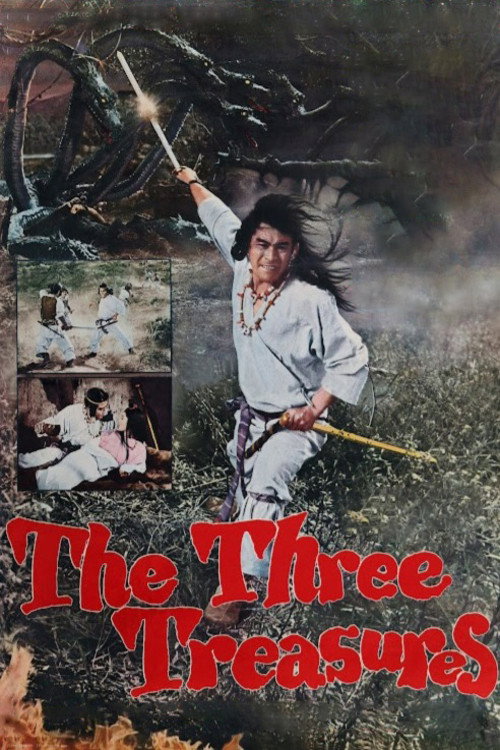
The Three Treasures
5.5

The legend of the birth of Shintoism. In Fourth Century Japan, the Emperor's son Ouso expects to succeed his father on the throne, but Otomo, the Emperor's vassal, prefers Ouso's stepbrother, and conspires to have Ouso die on a dangerous mission he has contrived. But Ouso prevails in the mission and returns to his father's castle under a new name, Prince Yamato Takeru. Otomo plots to have the Prince sent into even greater danger, but Otomo is unaware that the gods have favored the Prince and the outcome is far from what any of them expected.

The Three Treasures

1959
Daughters, Wives and a Mother
7.3

Sanae is left a widow after her prestigious husband dies, but holds the proceeds of a million yen insurance policy. Being childless, her former in-laws have no objection to her return to her own family.

Daughters, Wives and a Mother

1960
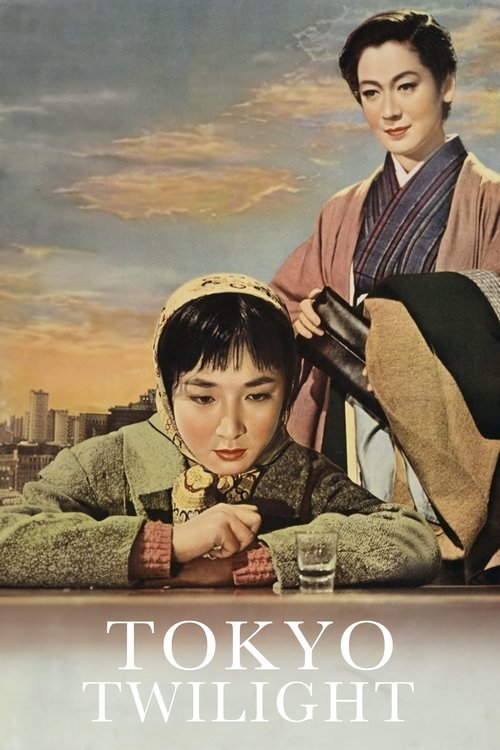
Tokyo Twilight
7.7

Two sisters find out the existence of their long-lost mother, but the younger cannot accept the fact that she was abandoned as a child.

Tokyo Twilight

1957
No Regrets for Our Youth
6.9

After her anti-fascist professor father is dismissed, Yukie navigates love, political repression, and wartime upheaval—ultimately forging her own path in pre- and post-WWII Japan.

No Regrets for Our Youth

1946
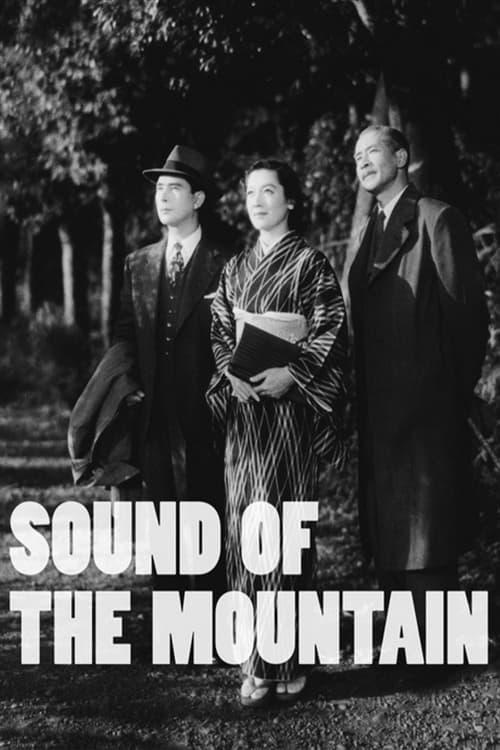
Sound of the Mountain
7.4

An ingratiating bride develops warm ties to her father-in-law while her cold husband blithely slights her for another woman.

Sound of the Mountain

1954
The Ball at the Anjo House
6.9

After Japan's defeat in the war, the Anjo family lose their peerage and wealth. Since their mansion is due to pass into the hands of a creditor, the family holds one last ball before leaving.

The Ball at the Anjo House

1947
Priest of Darkness
7.1

A boy steals a knife from an old samurai, unaware of its value, setting off a strange chain of events.

Priest of Darkness

1936
Sudden Rain
6.7

Fumiko and Ryōtarō Namiki's marriage has gone stale, with both constantly arguing over what to do on a day off, or about her cutting out recipes from the newspaper before he finishes reading it. Their animosities are witnessed by Fumiko's niece Ayako, who visits to complain about her own husband's inattentiveness, and their new neighbours, the Imasatos.

Sudden Rain

1956
Zoku Ôban: Fûun hen
9.0

Ushinosuke returns broke to his hometown, where everyone believes he's rich and successful. Part two (of four) of the film adaptation of Bunroku Shishi's novel, Oban.

Zoku Ôban: Fûun hen

1957
Tokyo Sweetheart
8.0

Following the Second World War, the lives of various people in a poverty-stricken area of Tokyo are entertwined. Pachinko parlor girls, shoeshine boys, a maker of costume jewelry, and a streetcorner artist all struggle to make their livings and to find happiness in difficult surroundings.

Tokyo Sweetheart

1952
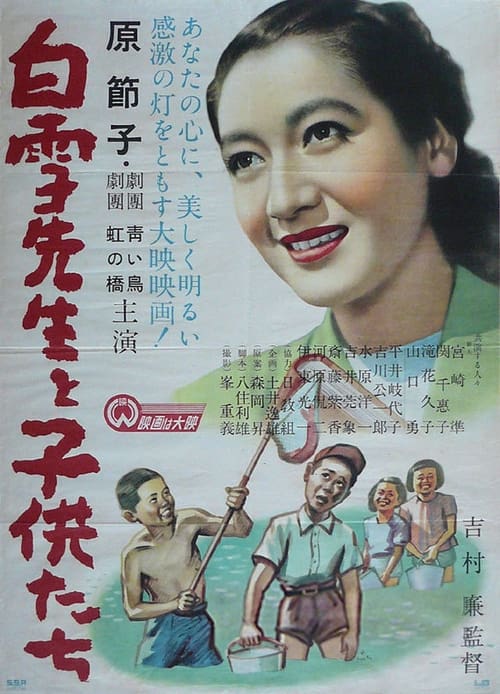
Shirayuki sensei to kodomo tachi
N/A

The film centers a compassionate teacher (Setsuko Hara) who teaches at a Tokyo grade school where students curse and gamble. The school has a pond on-premises that she's in charge of and cares for. The pond holds a number of carp, but someone is snatching them. The teacher forms a special bond with a child who lives in abject poverty.

Shirayuki sensei to kodomo tachi

1950
Holiday in Tokyo
9.0

May Kawaguchi is a famous Japanese fashion designer. Returning to Tokyo from her home in New York, she travels incognito with a tour group, in hopes of having a quiet vacation without being noticed. But she is spotted and the press has a field-day with the returning celebrity. Her hopes of rest shattered, she agrees to put on a large-scale fashion show.

Holiday in Tokyo

1958
Ôban
9.0

A young country boy leaves his village for Tokyo, where he begins to work as a stock trader. First part (of four) of the film adaptation of Bunroku Shishi's novel, Oban.

Ôban

1957