Yasujirō Ozu
Directing
Biography
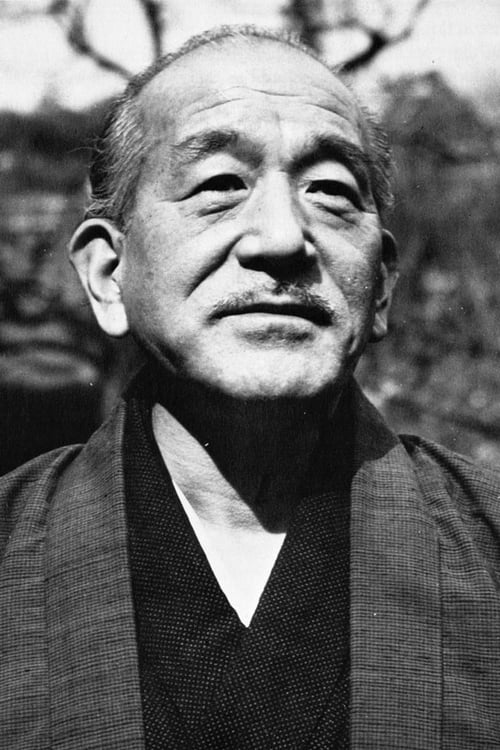
Yasujirō Ozu was a Japanese film director and screenwriter. He began his career during the era of silent films. Ozu first made a number of short comedies, before turning to more serious themes in the 1930s. Marriage and family, especially the relationships between the generations, are prominent themes in Ozu's work. His most lauded films include Late Spring (1949), Tokyo Story (1953), Floating Weeds (1959), and An Autumn Afternoon (1962). His reputation has continued to grow since his death, and he is widely regarded as one of the world's most influential directors. In the 2012 Sight & Sound poll, Ozu's Tokyo Story was voted the greatest film of all time by world directors.
Known For

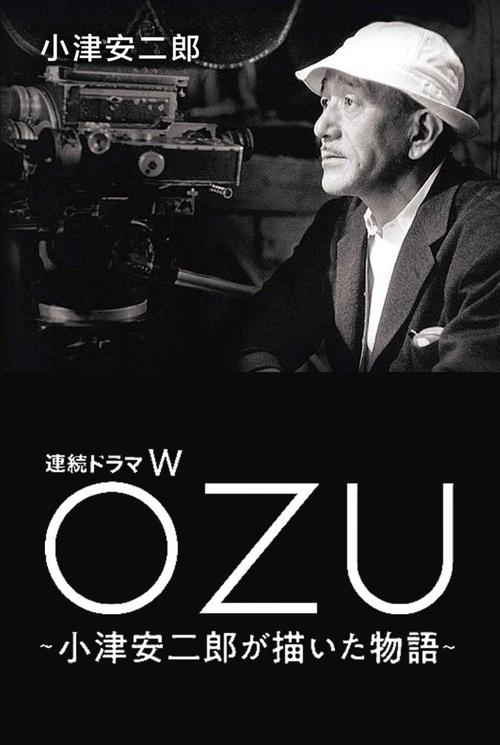
Commemorating the 120th anniversary of Ozu Yasujiro's birth, six up-and-coming filmmakers remade six of his early silent films as a contemporary mini-series.
Ozu

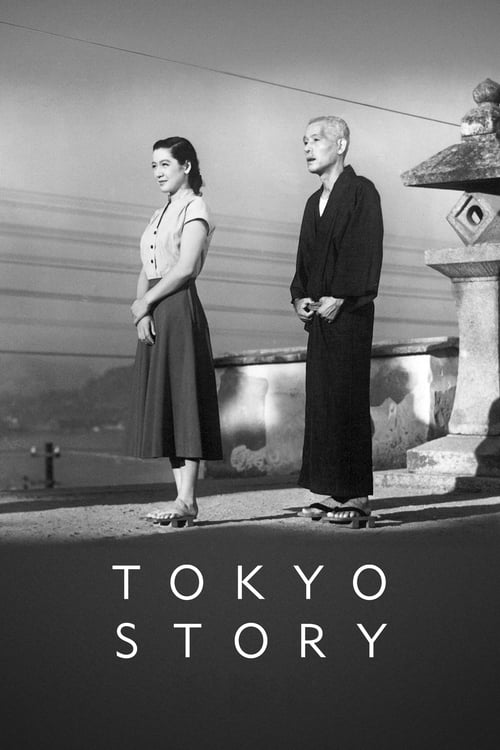
The elderly Shukishi and his wife, Tomi, take the long journey from their small seaside village to visit their adult children in Tokyo. Their elder son, Koichi, a doctor, and their daughter, Shige, a hairdresser, don't have much time to spend with their aged parents, and so it falls to Noriko, the widow of their younger son who was killed in the war, to keep her in-laws company.
Tokyo Story

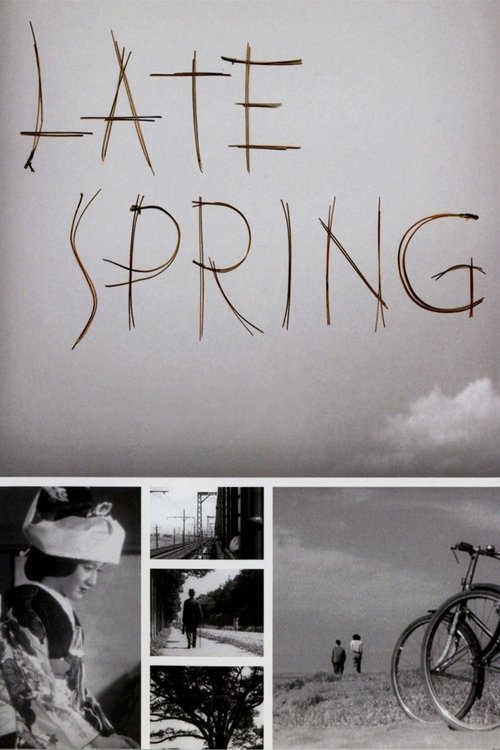
Noriko is perfectly happy living at home with her widowed father, Shukichi, and has no plans to marry -- that is, until her aunt Masa convinces Shukichi that unless he marries off his 27-year-old daughter soon, she will likely remain alone for the rest of her life. When Noriko resists Masa's matchmaking, Shukichi is forced to deceive his daughter and sacrifice his own happiness to do what he believes is right.
Late Spring

Two angels, Damiel and Cassiel, glide through the streets of Berlin, observing the bustling population, providing invisible rays of hope to the distressed but never interacting with them. When Damiel falls in love with lonely trapeze artist Marion, the angel longs to experience life in the physical world, and finds — with some words of wisdom from actor Peter Falk — that it might be possible for him to take human form.
Wings of Desire

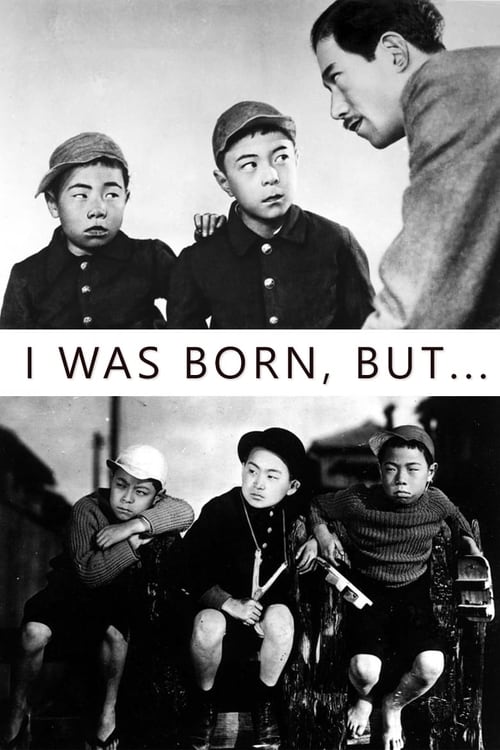
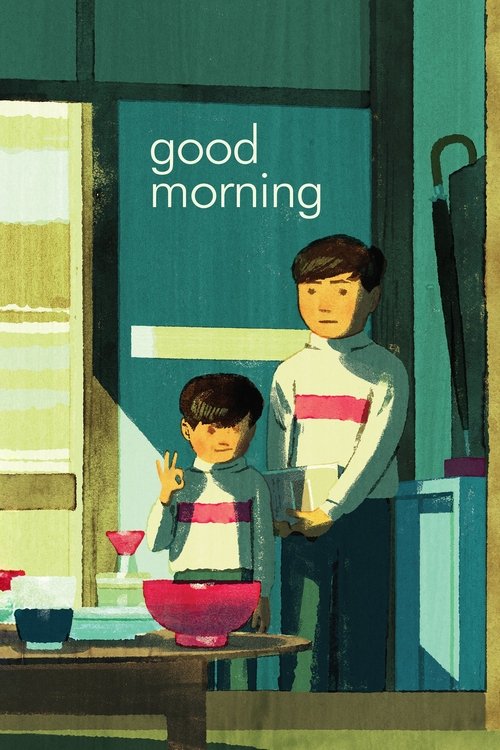
A lighthearted take on director Yasujiro Ozu’s perennial theme of the challenges of intergenerational relationships, Good Morning tells the story of two young boys who stop speaking in protest after their parents refuse to buy a television set. Ozu weaves a wealth of subtle gags through a family portrait as rich as those of his dramatic films, mocking the foibles of the adult world through the eyes of his child protagonists. Shot in stunning color and set in a suburb of Tokyo where housewives gossip about the neighbors’ new washing machine and unemployed husbands look for work as door-to-door salesmen, this charming comedy refashions Ozu’s own silent classic I Was Born, But . . . to gently satirize consumerism in postwar Japan.
Good Morning

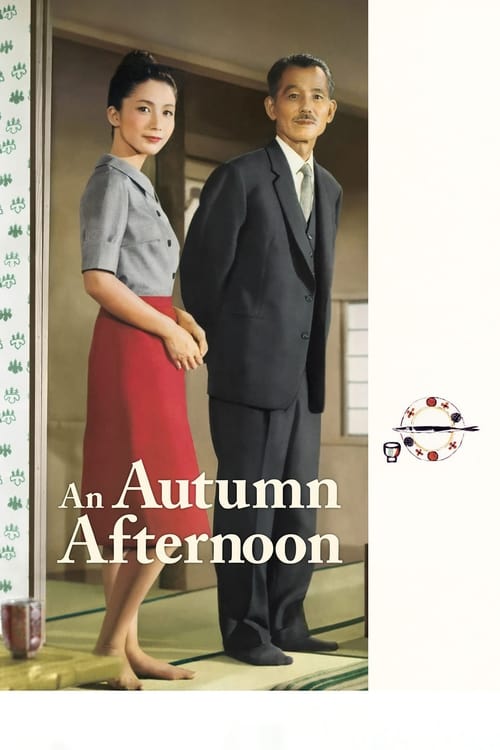
Widower Shuhei Hirayama's caretaker is his 24-year-old daughter, Michiko. Gradually, he comes to realize that Michiko should not be obliged to look after him for the rest of his life, so he arranges a marriage for her.
An Autumn Afternoon

A theater troupe master's visit with his old flame unintentionally sets off a chain of unexpected events with devastating consequences.
Floating Weeds

The family of an older man who runs a small sake brewery become concerned with his finances and his health after they discover him visiting an old mistress from his youth.
The End of Summer

A gangster tries to find redemption with the inadvertent help of an innocent shop girl and his jealous girlfriend will do anything to keep him.
Dragnet Girl

A woman and her daughter are each forced to contend with an increasing pressure to marry, particularly from three men who knew her late husband.
Late Autumn

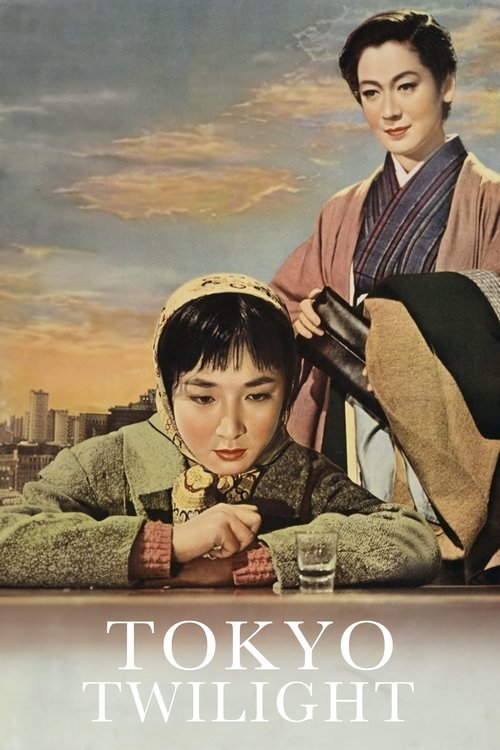
Two sisters find out the existence of their long-lost mother, but the younger cannot accept the fact that she was abandoned as a child.
Tokyo Twilight

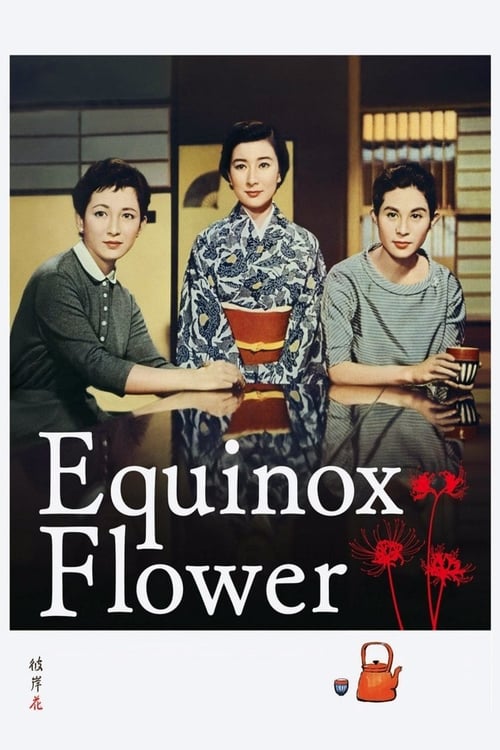
Wataru's outwardly liberal views on marriage are severely tested when his daughter declares her love for a coworker and is adamant to live her own way, instead of agreeing to an arranged marriage. Outwitted by his female relatives, Hirayama stubbornly refuses to admit defeat.
Equinox Flower

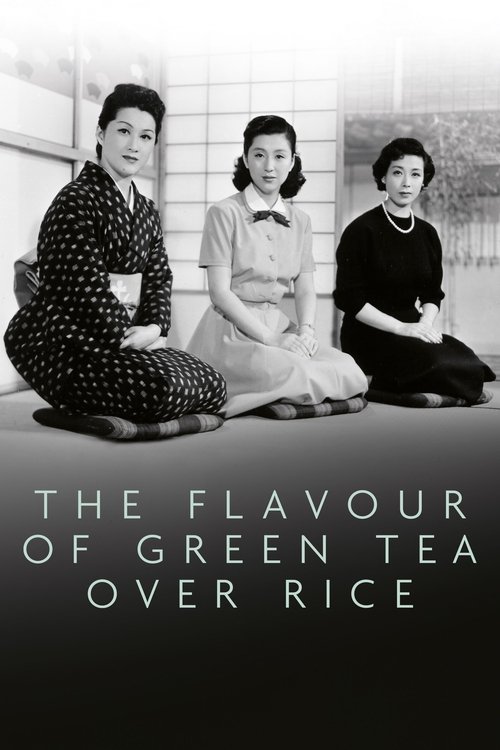
The arranged marriage between a capricious woman from Tokyo high society and a quiet rustic man is tested by a marital crisis.
The Flavor of Green Tea Over Rice

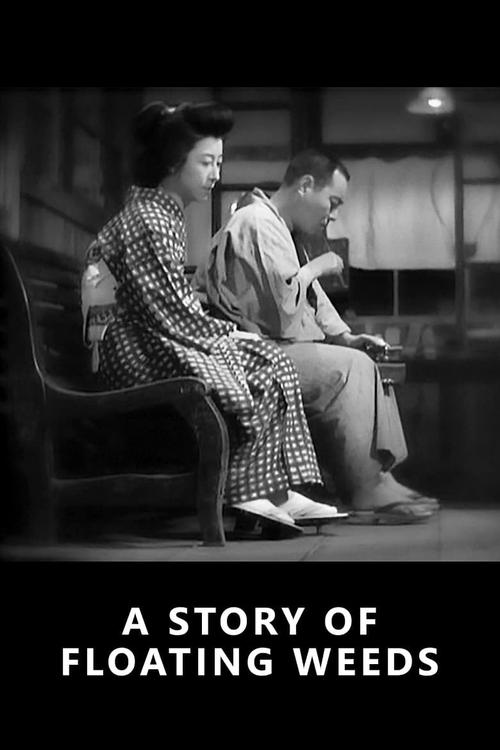
An aging actor returns to a small town with his troupe and reunites with his former lover and illegitimate son, a scenario that enrages his current mistress and results in heartbreak for all.
A Story of Floating Weeds

In postwar Tokyo, Noriko lives with her extended family. Although she enjoys her career and her social life, her more traditional family worries about her single marital status at the advanced age of 28. 40-year-old business associate Takako proposes, Noriko's family press her into accepting, but when her widowed childhood friend Kenkichi returns to the neighborhood, she finds her heart leading in another direction.
Early Summer

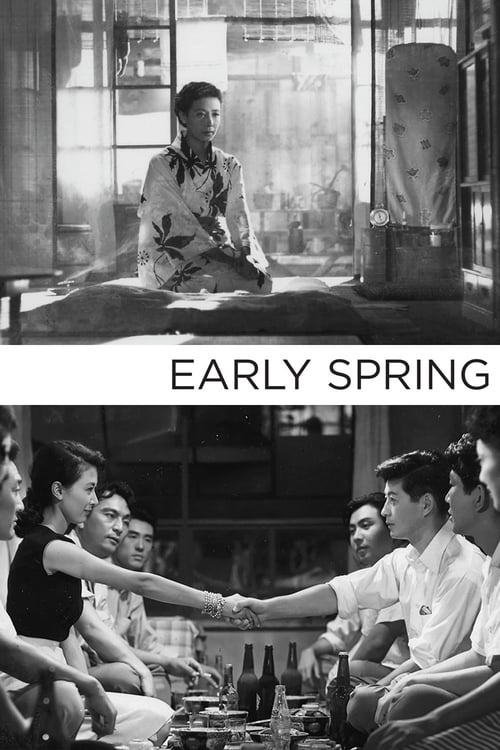
A young salaryman and his wife struggle within the confines of their passionless relationship while he embarks on an extramarital affair.
Early Spring

One day a company executive learns that his younger brother, whom he recommended, embezzled company funds. To save the situation he withdraws his life savings and gives money to his younger brother. He then suddenly disappears…
The Radish and the Carrot

Setsuko is in an unhappy marriage to Mimura, an unemployed, alcoholic engineer. She had always been in love with Hiroshi but both failed to propose when Hiroshi left for France a few years ago. But now he's back and Mariko tries to reunite them, although she too is secretly in love with Hiroshi.
The Munekata Sisters

A rural widow sends her only son to Tokyo to receive a better education. Years later, she visits him and finds he has become a night school teacher struggling to support his wife and son.
The Only Son

Tokiko patiently awaits her husband's return from WWII when her four-year old son falls ill. She takes him to the doctor but has no means of paying, so she resorts to prostitution. A month later, her husband returns to find his desperate wife, who tells him the truth. Together, they must deal with the consequences.