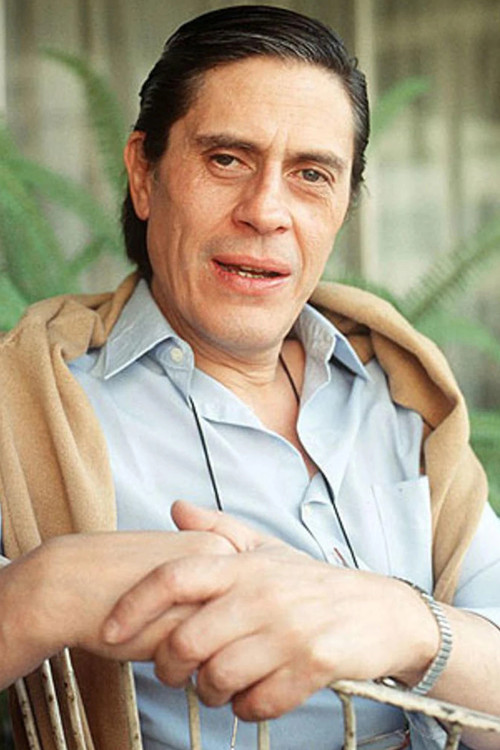
Marcelo Romo
Acting
Biography
Marcelo Romo (Santiago, April 23, 1941 – January 23, 2018) was a renowned Chilean actor of film, theater, and television. Trained at the University of Chile’s School of Theater, he became one of the leading figures of Chilean acting from the 1960s onward. He made his film debut in El Chacal de Nahueltoro (1969) by Miguel Littín, playing a journalist —a landmark in Chilean cinema that marked the beginning of a prolific film career spanning over thirty titles. During the Pinochet dictatorship, Romo went into exile in Venezuela, where he continued his career in film, participating in movies such as La máxima felicidad (1982) and Señora Bolero (1991), as well as in theater, and television, later working also in Mexico and Colombia. He returned to Chile in the 1990s and became a familiar face in popular TV series such as Rojo y Miel, Sucupira, Estúpido Cupido, and Pecadores (his last television appearance, in 2003). A versatile and socially committed performer, Romo was admired for the emotional depth of his characters and his dedication to the arts. He spent his final years away from the public eye due to Alzheimer’s disease and passed away in Santiago in 2018, aged 76.

Known For

ITV Playhouse is a British comedy-drama TV series that ran from 1967 to 1983, which featured contributions from playwrights such as Dennis Potter, Rhys Adrian and Alan Sharp. The series began in black and white, but was later shot in colour and was produced by various companies for the ITV network, a format that would inspire Dramarama. Actors appearing in the series included Leslie Anderson, Gwen Nelson, Ricky Alleyne, Pat Heywood, Michael Elphick, Ian Hendry, Edward Woodward, Margaret Lockwood, Jessie Matthews and Lloyd Peters.
ITV Playhouse

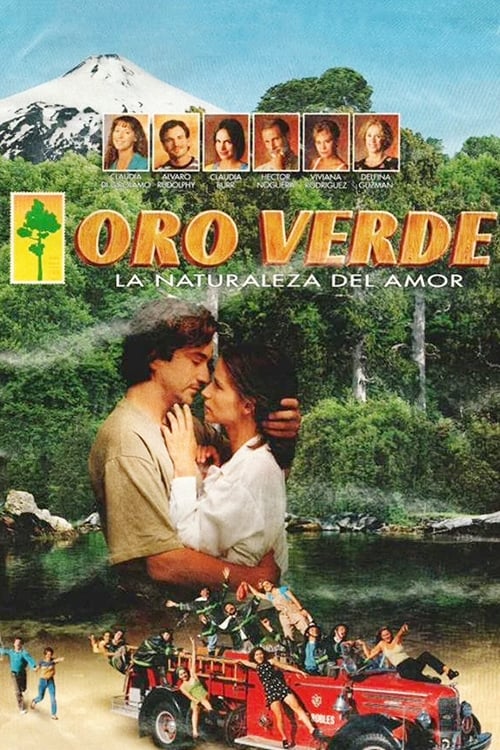
An ambitious entrepreneur wants to cut down the forest of southern Chile, but a young ecologist girl will hinder their plans.
Oro verde

A rich man decides to fake his death in order to save himself from a millionaire debt, before fleeing to Europe for a facial surgery. He leaves his fortune to one of his 3 lovers, while the other 2 and their families have to deal with the ecomic aftermath.
Rompecorazón

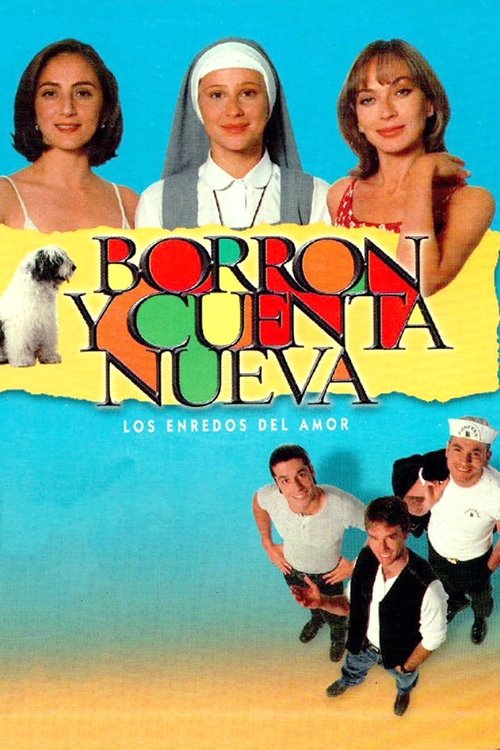
A billionaire who, as a result of his death, leaves an inheritance of 100 million dollars to his three daughters. But in order for them to receive the money, they must follow some exclusive conditions such as living in his mansion, marrying within a year and arriving there before midnight. Problems scalate when a fourth heir appears...
Borrón y cuenta nueva

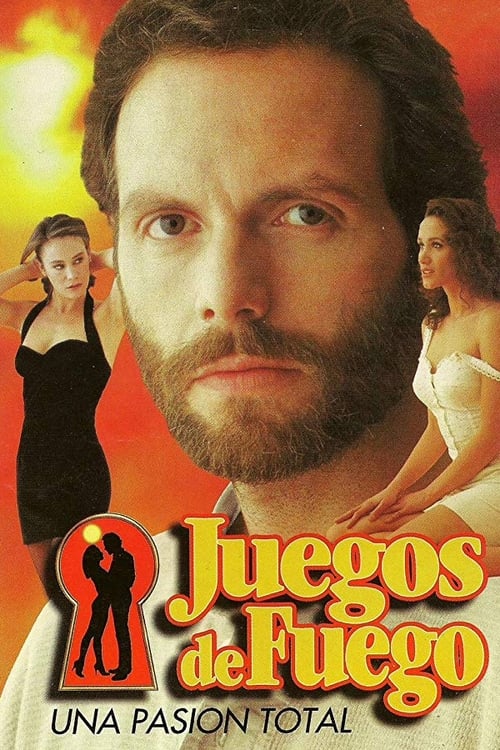
Lucas must choose between love and the power he acquires after becoming a renowned sculptor.
Juegos de fuego

'Pelluco' Solís, a young lower-middle class waiter, crosses paths with Rodolfo Ruttenmeyer -a man who looks just like him- in an unfortunate accident that will change their lives forever.
Amores de mercado

Daniela, a young student, falls in love with Luciano the son of the owner of her high school. He corresponds her love. But both must face Francisca, an unbalanced and beautiful young woman who holds an insane obsession for Luciano.
Ámame

As a result of a vile abuse cause in the past, Violeta Salazar has sworn to herself to take revenge on the Callassis family and all their descendants. She sends her daughter Amanda to make the life of the Callasis as miserable as possible, but love can be surprising, and not everything comes out as planned.
Purasangre
The exploits of an investigative police group that from anonymity, solve intricate criminal cases.
Brigada Escorpión

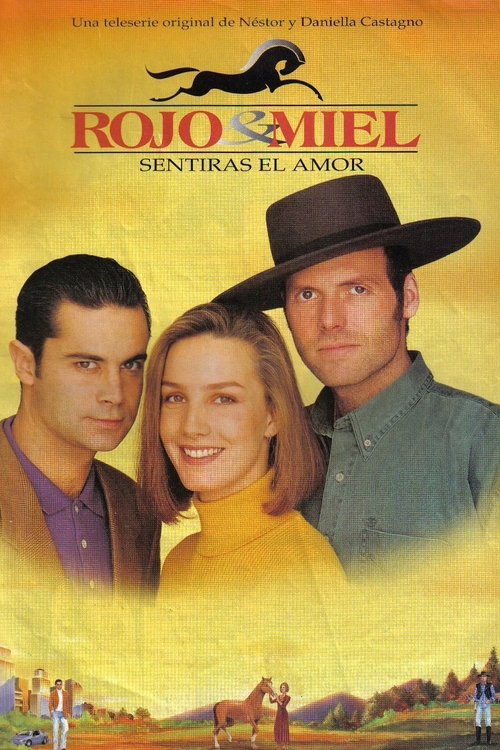
The love story of Claudia Bernhardt and Rodrigo Carvajal, they come from different worlds: she was a young university student, used to urban lifestyle and he was in charge of his father's ranch. Their romance is at stake when another man offers Claudia the stability she needs. The honey of the city will clash with the red passion of the countryside.
Rojo y miel

A spin-off sequel of the 1996 TV series "Sucupira". The story takes place when Sucupira Mayor Federico Valdivieso, who was thought gone and buried comes out of his grave, causing confussion and chaos among the town's citizens.
Sucupira, la comedia
Sussi, a beautiful young woman lives in Santiago with three other women. Each episode tells different situations and jobs that Sussi have, knowing in each of those different men with whom she has some kind of affair. Through these experiences, she learns about life and love. Based on Gonzalo Justiniano's movie Sussi.
Las historias de Sussi

Six people find a mysterious mark in the center of their left hand and all independently go to Easter Island in hopes to uncover the mystery.
The Suns of Easter Island
No description available.
Mi amada Beatriz

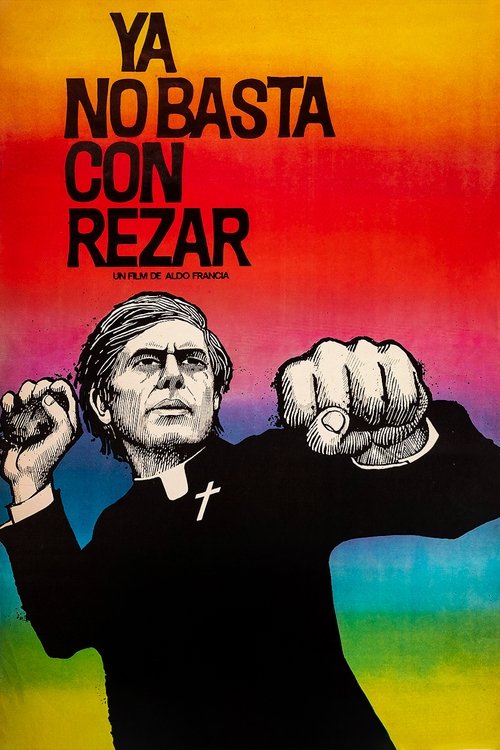
Many socially-concerned priests in Catholic Latin America have at some time left their parish churches to go and work in the fields and factories of the poor. Such priests, usually adherents of "liberation theology," are called "worker-priests." This Chilean film tells the story of how one man became a "worker-priest" and won the trust of the poor.
Enough Praying

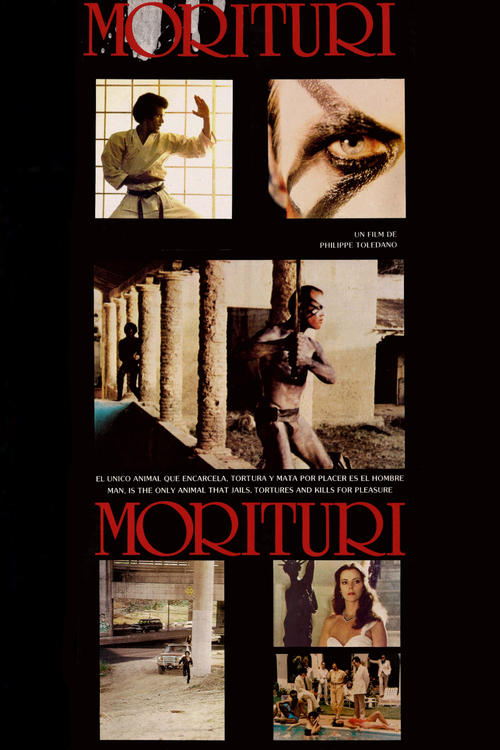
An eccentric millionaire gives a party for his birthday. With his friends, gamblers and collectors , they play games in their own way. One of them, a woman, suggests this: since they're all gamblers they should play a fortune on the life of one of them.
Morituri

The documentary narrates the events that took place during the first year of the Unidad Popular government, in chronological order.
The First Year
In this film the director's recurring concerns return: the divisions in the Chilean left, and its contradictions between what the director calls the "traditional" and the "revolutionary" left. The problem is exposed through the doubts and obsessions of a strange police chief who cannot establish the limits between critical behavior and militant responsibility.
Metamorphosis of the Chief of the Political Police

Directed by Pablo de la Barra, Queridos compañeros (1977) is a Chilean-Venezuelan political drama that delves into the fervent revolutionary movements of the late 1960s. The film follows a group of young radical leftists that struggle to change the Chilean political status quo. The production of Queridos compañeros faced significant challenges, since filming started in 1973 but was abruptly halted due to the military coup in Chile that year. Director Pablo de la Barra managed to save the film's footage but lost the original audio tracks. In exile in Venezuela, he reconstructed the sound with the help of the original actors, completing the film in 1977. The film offers a poignant reflection on the aspirations and struggles of a generation striving for systemic change, providing insight into the political dynamics of Chile during a tumultuous period.
Dear Comrades

Based on an actual murder case that ignited a furious debate over the death penalty in Chile in 1960, this experimental social drama portrays the life and death of an illiterate peasant who, while drunk, murdered the woman with whom he had a relationship and her five children.