Ken Ogata
Acting
Biography
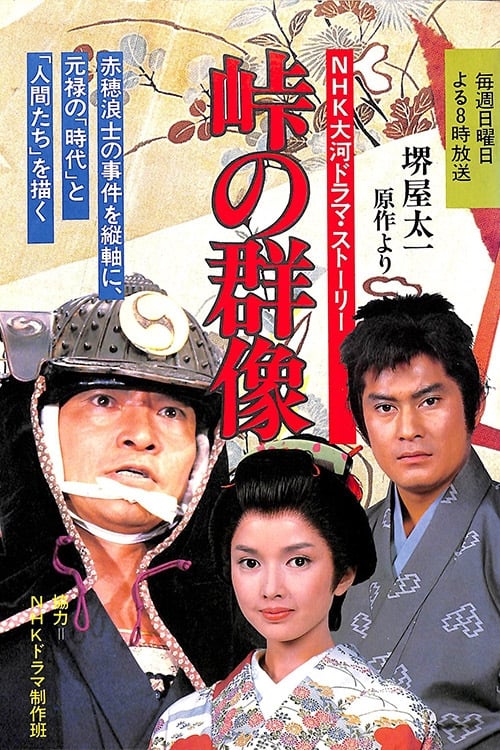
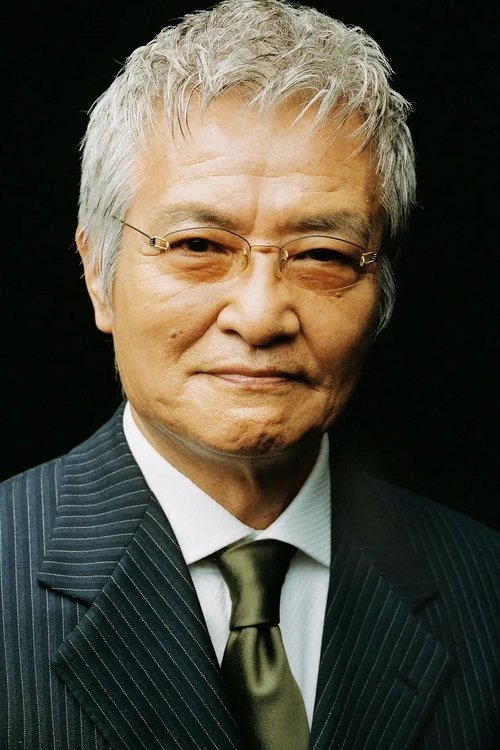
Ken Ogata (緒形 拳 Ogata Ken, 20 July 1937-5 October 2008) was a Japanese actor. Ogata was born in Tokyo, Japan. Ogata is well known for his roles in Peter Greenaway's The Pillow Book, Paul Schrader's Mishima: A Life in Four Chapters and Shohei Imamura's The Ballad of Narayama. He won the award for best actor at the 26th Blue Ribbon Awards for Okinawan Boys. In television, his starring role as Toyotomi Hideyoshi in the 1965 NHK Taiga drama Taikōki catapulted him to fame. Ken went on to many prominent roles in subsequent programs. The following year, he portrayed Benkei in Minamoto no Yoshitsune. The network tapped him again for the role of Fujiwara no Sumitomo in the 1976 Kaze to Kumo to Niji to. He returned to playing Hideyoshi in the 1978 Ōgon no Hibi, and returned to the lead as Ōishi Kuranosuke in Tōge no Gunzō, the 1982 Chūshingura. Another featured appearance in a Taiga drama was in Taiheiki (1991, as Ashikaga Sadauji, father of Takauji). Mr. Ogata died on October 5, 2008, just days after finishing his role in the production of the Fuji TV drama "Kaze no Garden" (Garden of the Winds), filmed in the rural Furano area of northern Japan. In his final role, Ogata, himself 71 years of age, played a doctor involved in the end-of-life care of elderly patients. His sons Kanta and Naoto Ogata are actors. NHK selected Naoto for the starring role of Oda Nobunaga in the 1992 Taiga drama Nobunaga King of Zipangu; Kanta played Inaba Masakatsu in Aoi Tokugawa Sandai (2000). Description above from the Wikipedia article Ken Ogata, licensed under CC-BY-SA, full list of contributors on Wikipedia

Known For

SMAP×SMAP was an ongoing weekly Japanese variety show on Kansai TV and Fuji TV starring the members of SMAP. The show began on April 15, 1996 and it aired from 22:00 to 22:54 every Monday. The show's usual ratings were higher than 20%, which is considered high since most variety shows range from 10-20%. Each episode begins a variety of skits, comedic performances, and/or games. These are followed by Bistro SMAP, in which the SMAP members compete against each other to impress celebrity judges with their gourmet cooking. Last is a musical performance by SMAP which may include celebrity guests, as well.
SMAP×SMAP

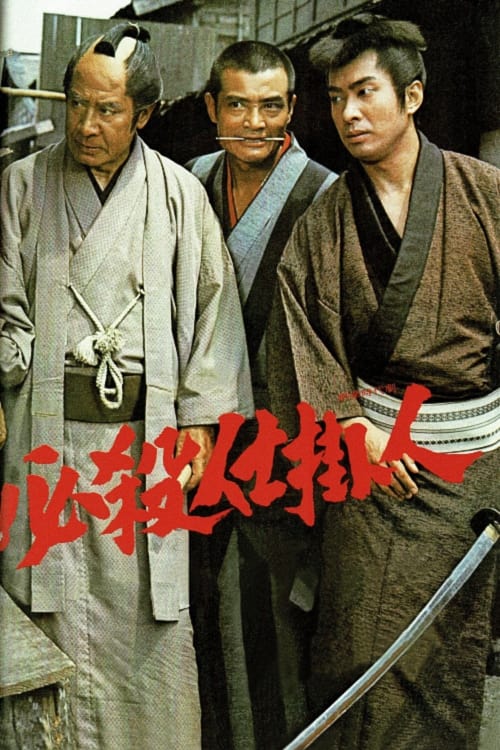
A shikakenin was an under-the-cover trade that undertook killing in Edo. Hanemon of Otowa, an agency that introduced laborers and maids, was also one of these. Katsugoro Iseya was a timber dealer who had come in as a client. His target was the constructions magistrate Hanno, and the Tatsumiya who sipped on the benefits. Hanemon who had a stong code towards killing, where he would only kill those who do no good to be in the world, accepts this request. Baian Fujieda, a needle doctor would carry out the killing. However, the professional killer Baian fails to bring down Tatsumiya. Hanemon then looks to another shikakenin, the ronin Sanai Nishimura for the role. Although Sanai's ability with the sword is good, he lives poorly in a tenement, and accepts this commission on the condition that it is kept a secret from his wife and child. Here, they close in on Hanno and Tatsumiya again...
Professional Killers

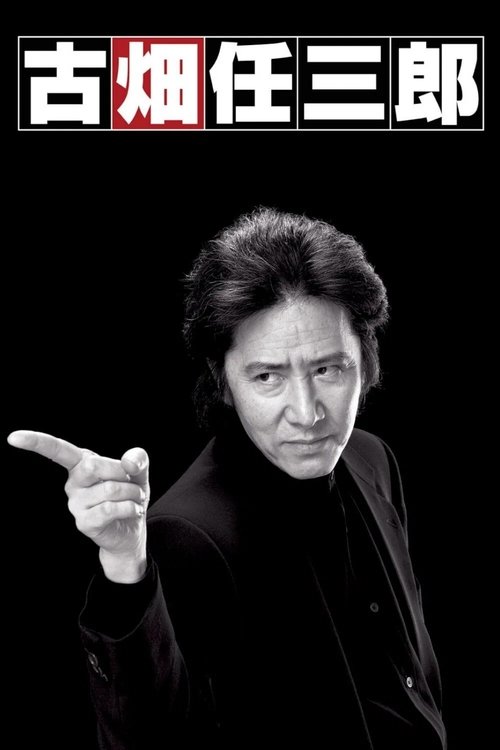
Furuhata Ninzaburō is a Japanese television series that ran periodically on Fuji Television from 1994 until its final episodes in 2006. It was written by Japanese playwright Kōki Mitani and is often referred to as the Japanese version of Columbo. The series is a police detective drama starring actor Masakazu Tamura as Furuhata Ninzaburo and Masahiko Nishimura as his stereotypically bumbling sidekick, Shintaro Imaizumi. The program aired weekly and featured a guest villain each time, usually a famous talent in Japan. Pop-stars like SMAP, television hosts like Sanma Akashiya and even sports figures like Ichiro Suzuki have been featured on this program. It was one of the most popular television dramas in the history of Japanese television, having spawned several seasons and TV specials.
Furuhata Ninzaburo

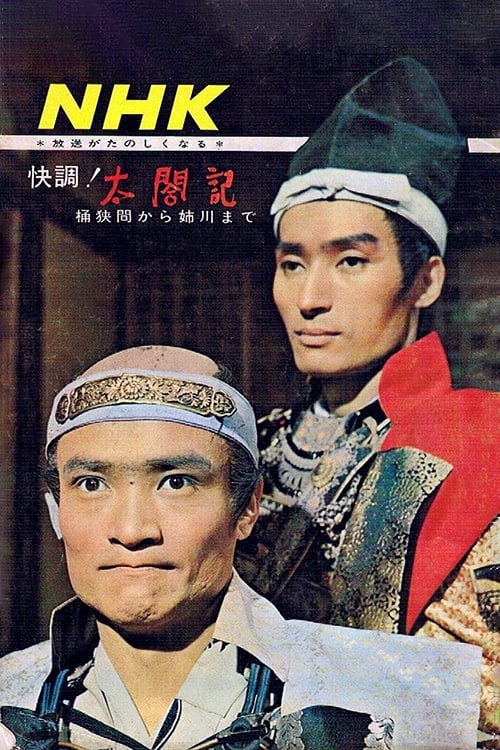
Based on the life of Hideyoshi Toyotomi (February 2, 1537 – September 18, 1598) a Sengoku period daimyo who unified Japan.
Taikouki

The chronicles of the life of Minamoto no Yoshitsune (1159 - May 17th, 1189). He was a late Heian and early Kamakura general of the Minamoto clan of Japan. Yoshitsune was the ninth son of Minamoto no Yoshitomo. His older brother Minamoto no Yoritomo founded the Kamakura shogunate.
Minamoto no Yoshitsune

No description available.
Toge no Gunzo

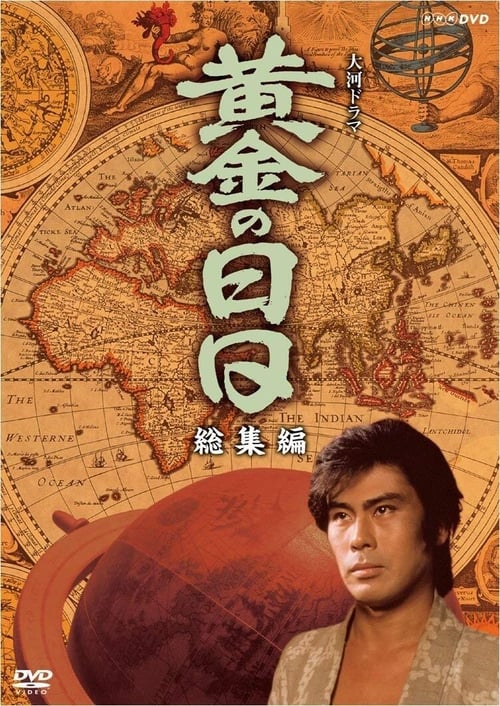
Luzon Sukezaemon is a merchant who imports vases from the Philippines. The vases are highly valued as tea utensils and he makes a huge profit. This was the first taiga drama to concentrate on the lives of commoners and the reviled merchant class of the Tokugawa period. It documents the rise and fall of the merchant city of Sakai, as seen by its most famous resident, the semilegendary Luzon.
Ōgon no Hibi

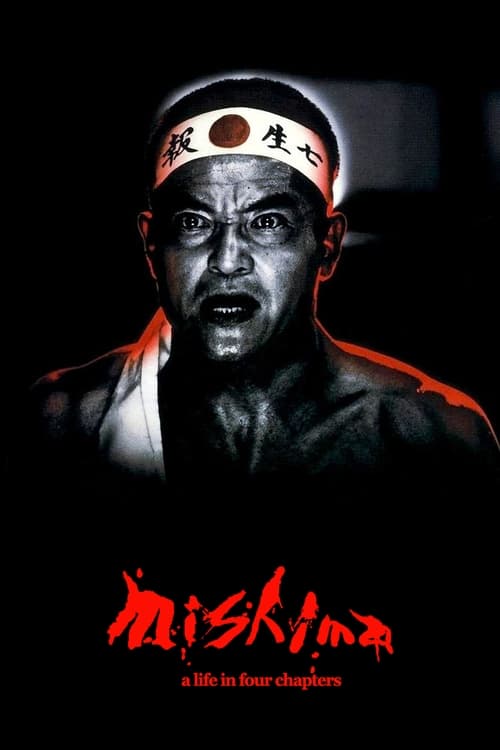
A fictional account of the life of Japanese author Yukio Mishima, combining dramatizations of three of his novels and a depiction of the events of November 25th, 1970.
Mishima: A Life in Four Chapters

An unconscious young man is found inside the closet of a missing billionaire. Amnesiac, he is given the name Yukio and kept close to Naomi—the woman who was supposed to disappear alongside the billionaire, Shibata—in case he ever recovers his memories of the night he was rescued and the whereabouts of Shibata and his fortune.
Gift

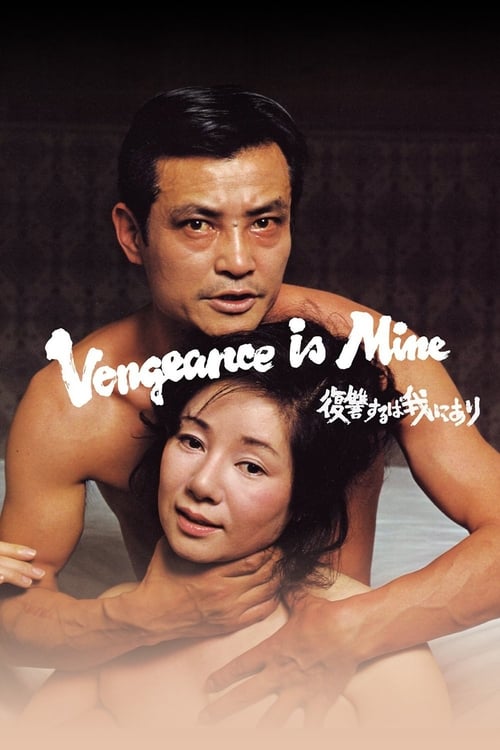
When a fugitive begins a romance with the woman hiding him from the law, it becomes uncertain whether he will ever escape the shadow of his heinous crimes--or the detectives hot on his trail.
Tracked

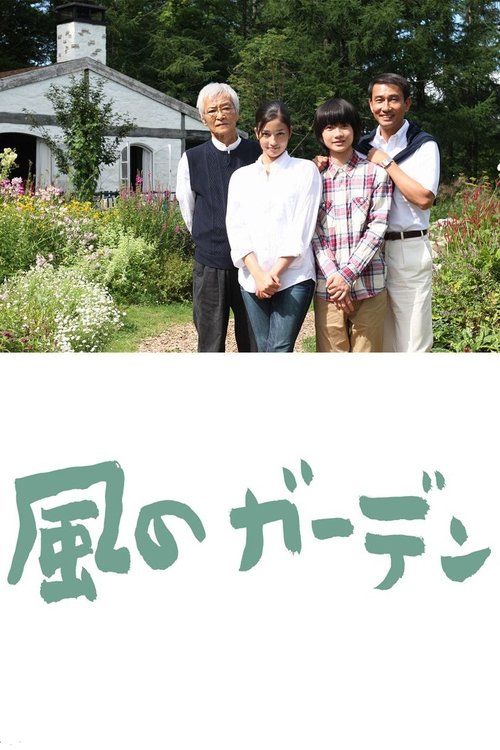
The lead, Dr. Sadami Shiratori worked in the operating room at a famous Tokyo hospital was around death on a daily basis. His own father, Teizo Shiratori is also a doctor, called Grandfather as he raised the estranged children of his wayward son, he practiced medicine in a small town on Hokkaido, Japan’s most northern island. His practice was limited only to terminal patients…in their own homes. He cared for them and helped both them and their families prepare for the ‘final journey’.
Garden of the Wind

In a small village in a valley everyone who reaches the age of 70 must leave the village and go to a certain mountain top to die. If anyone should refuse they would disgrace their family. Old Orin is 69. This winter it is her turn to go to the mountain. But first she must make sure that her eldest son Tatsuhei finds a wife.
The Ballad of Narayama

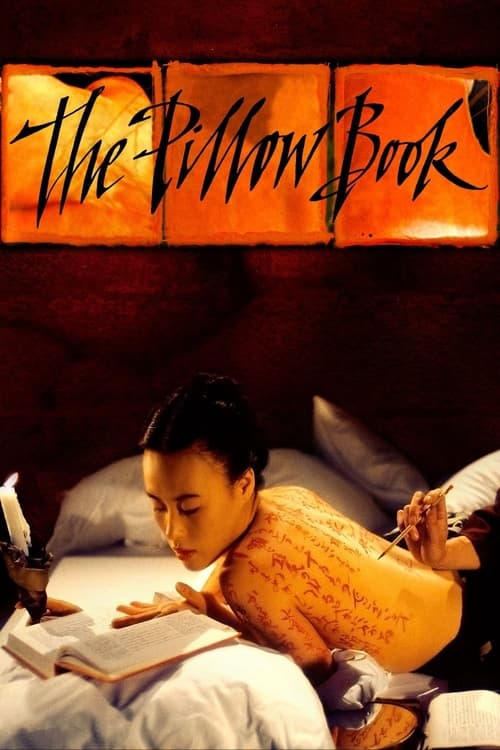
Nagito has a fetish for calligraphy on the human body and meets her ideal soulmate Jerome, an English translator sent to Japan. However, once Nagiko's father's gay publisher rejoins the scene, the story is overtaken by treachery and bloodlust.
The Pillow Book

Coerced by the evil Witch Raga, Ashura, the Hell Virgin, attempts to unlock the four Earth holes that lead to the Gates of Hell. Together, Raga aims to control the Earth. However, two monks skilful in magical powers set off on a journey to the cities to obstruct Ashura from unlocking the gates and stop Raga. Otherwise, not only will control of the Earth be at stake, but the King of Hell will resurrect and darkness will overcome the world.
The Peacock King

Eijiro Saito is a graduate of the prestigious Eidai Medical School and is sent to Eidai Hospital as a trainee doctor. There, under the supervision of Dr. Shiratori at the surgery department, Eijiro trains hard with Dekune and Munekata. But all they seem to do is take care of menial work for low hours and low pay. So low in fact bad that they have to do part-time work at other hospitals just to make ends meet. Eijiro picks Seido Hospital, run by Dr. Hattori, for his part-time job. The surgery is like a battleground. Eijiro is very impressed by his senior Dr. Ushida and the nurse Kaori. But one night, when he is on duty, Eijiro runs from the surgery leaving a badly injured patient behind! It is the story of an intern doctor and the various problems and contradictions of the medical industry. -- TBS
Say Hello to Black Jack

Scientists in Antarctica desperately try to find a cure to a military virus that was released in a plane crash and has wiped out the rest of the world.
Virus

The 36th NHK Taiga Drama is Mori Motonari. This series chronicles the life of Mori Motonari, a warlord of the early 1500s who stood at the vanguard of the Warring States era. All Japanese school textbooks contain the Mitsuya no kyokun, Mori's famous lesson to his three sons that teaches that while one arrow is easily broken, three arrows together cannot be broken. In 1997, 500 years after his birth, NHK dramatizes Motonari's rise from a chief of the region of Aki (now Hiroshima) to a daimyo who rules over ten provinces of the Chugoku region. Motonari was 64 years old and already the patriarch of a powerful dynasty about the time Oda Nobunaga and Takeda Shingen appeared on the scene. And even after his death, the Mori family figured prominently in Japanese history. His grandson Terumoto became a loyal Toyotomi vassal. Defeated at the Battle of Sekigahara, Ieyasu confiscated most of his lands, leaving him only with Suwo and Nagato, later known as Choshu. But 260 years later, the Mori got their ultimate revenge, leading the imperial forces against the Tokugawa in the Meiji Restoration.
Mouri Motonari

Ruri, having been abandoned by her mother to a foster care facility, lives a life of reckless abandonment. When Nakama Yuzo, a kind man but for a trigger-happy temper, runs into Ruri he realizes that perhaps she's the child he's been looking for. Yuzo lives in Hatomijima, a small insland in Okinawa where the population is 49 and the average age group is 61. There are no children. The island has only one school - a primary school. If a child is not enrolled in the school, it will be closed. As a result, society will abandon the island and in a few years, it will cease to have any inhabitants. To save their island, the locals decide to bring in a foster child. Ruri is their candidate, and with her she brings the hope of the island's survival.
Ruri's Island

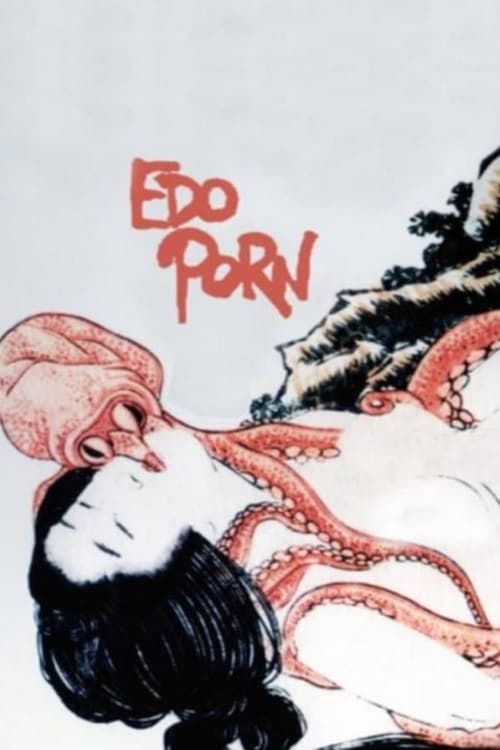
The world-famous woodblock artist Hokusai (1760-1849), a widower in need of a steady income, lives with his daughter Oei in the house of his friend Bakin.
Edo Porn

In the 50s, the complicated life of a popular writer who must share his life with his family, his numerous mistresses and his work