FEEL IT.STREAM
Virginia Bruce

Virginia Bruce

Acting

Biography

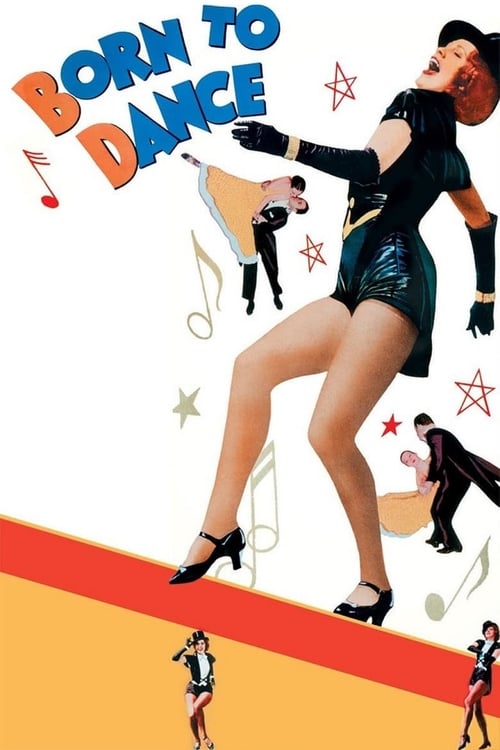
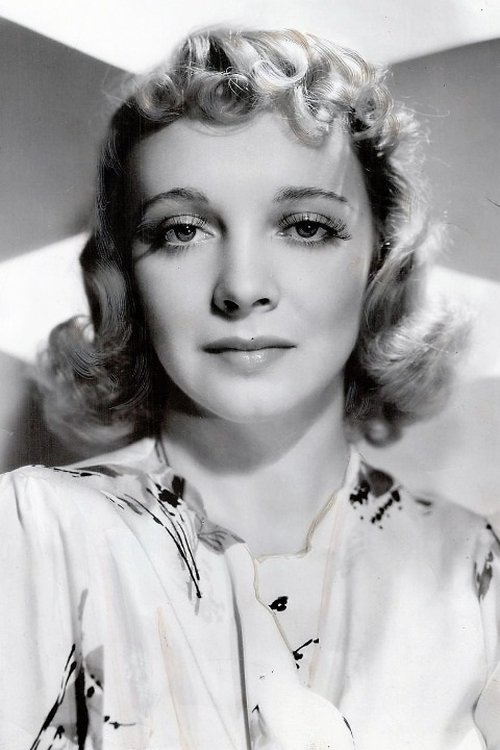
From Wikipedia, the free encyclopedia Virginia Bruce (September 29, 1910 – February 24, 1982) was an American actress and singer. Born Helen Virginia Briggs in Minneapolis, Minnesota. In 1928, she moved with her family to Los Angeles intending to enroll in the University of California, Los Angeles when a friendly wager sent her seeking film work. She got it as an extra in Why Bring That Up?. In 1930 she appeared on Broadway in the musical Smiles, followed by America's Sweetheart in 1931. She returned to Hollywood in 1932, where on August 10, 1932, she married John Gilbert, her co-star in the film Downstairs. She retired briefly after the birth of their daughter Susan Ann Gilbert. The couple divorced in 1934, and Virginia returned to a hectic schedule of film appearances. Gilbert died two years later in 1936. Bruce introduced the Cole Porter standard "I've Got You Under My Skin" in the film Born to Dance and co-starred in the Metro-Goldwyn-Mayer musical The Great Ziegfeld. One of her final film appearances was in Strangers When We Meet. In 1949, Bruce starred in a daily 30-minute radio drama. Make Believe Town was an afternoon program on CBS. Bruce married her second husband, film director J. Walter Ruben, in 1937, making the Wallace Beery western The Bad Man of Brimstone with him that year. Together they had a son named Christopher (b. 1941), before Ruben's death in 1942. In 1946, Bruce married Ali Ipar. They divorced in 1951 in order for him to receive a commission in the Turkish Military (which forbade promotions of men married to foreigners), but remarried in 1952 before divorcing again in 1964. Bruce died of cancer on February 24, 1982, at the Motion Picture & Television Country House and Hospital in Woodland Hills, California. She was 71.
Known For

Matinee Theater
5.3

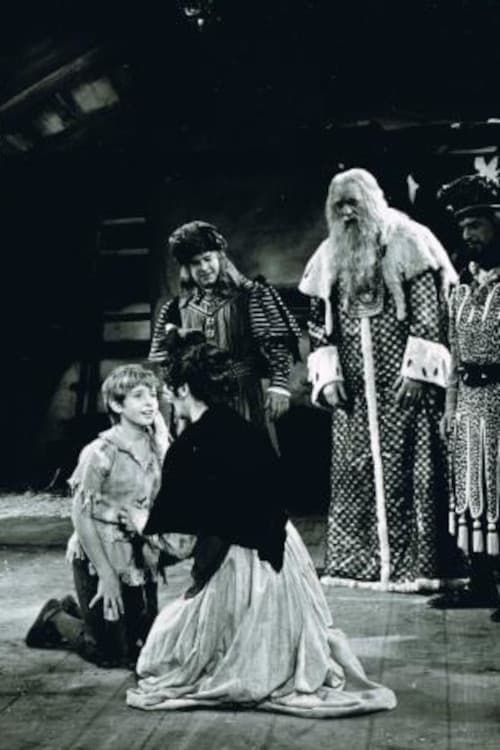
Matinee Theater is an American anthology series that aired on NBC during the Golden Age of Television, from 1955 to 1958. The series, which ran daily in the afternoon, was frequently live. It was produced by Albert McCleery, Darrell Ross, George Cahan and Frank Price with executive producer George Lowther. McCleery had previously produced the live series Cameo Theatre which introduced to television the concept of theater-in-the-round, TV plays staged with minimal sets. Jim Buckley of the Pewter Plough Playhouse recalled: When Al McCleery got back to the States, he originated a most ambitious theatrical TV series for NBC called Matinee Theater: to televise five different stage plays per week live, airing around noon in order to promote color TV to the American housewife as she labored over her ironing. Al was the producer. He hired five directors and five art directors. Richard Bennett, one of our first early presidents of the Pewter Plough Corporation, was one of the directors and I was one of the art directors and, as soon as we were through televising one play, we had lunch and then met to plan next week’s show. That was over 50 years ago, and I’m trying to think; I believe the TV art director is his own set decorator —yes, of course! It had to be, since one of McCleery’s chief claims to favor with the producers was his elimination of the setting per se and simply decorating the scene with a minimum of props. It took a bit of ingenuity.

Matinee Theater

1955
No image
6.7

Lux Video Theatre is an American anthology series that was produced from 1950 until 1959. The series presented both comedy and drama in original teleplays, as well as abridged adaptations of films and plays.

Lux Video Theatre

1950
Letter to Loretta
6.6

Letter to Loretta is an American anthology drama series telecast on NBC from September 1953 to June 1961 for a total of 165 episodes. The filmed show was hosted by Loretta Young who also played the lead in various episodes. Letter to Loretta was sponsored by Procter & Gamble from 1953 through 1960. The final season's sponsor was Warner-Lambert's Listerine.

Letter to Loretta

1953
General Electric Theater
6.8

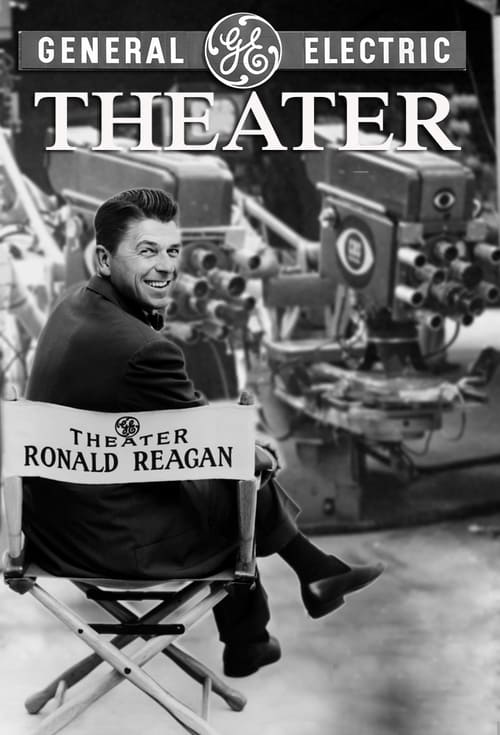
General Electric Theater is an American anthology series hosted by Ronald Reagan that was broadcast on CBS radio and television. The series was sponsored by General Electric's Department of Public Relations.

General Electric Theater

1953
James Stewart: A Wonderful Life
6.5

Documentary about James Stewart's long career as an actor and positive personal life.

James Stewart: A Wonderful Life

1987
The Invisible Woman
5.7

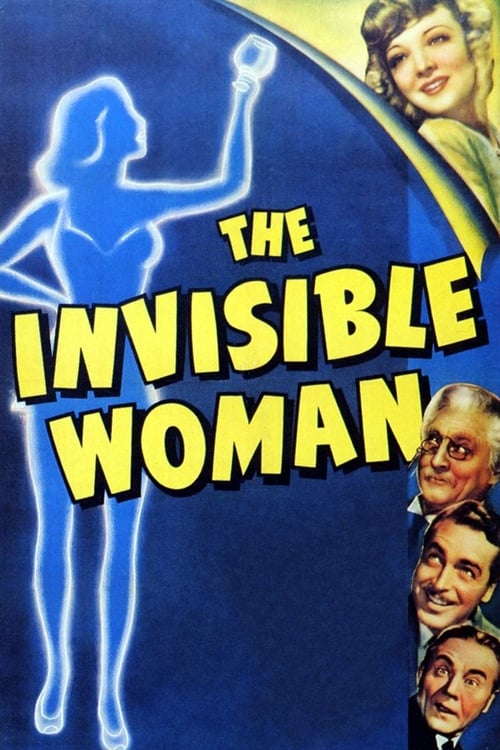
Kitty Carroll, an attractive store model, volunteers to become a test subject for a machine that will make her invisible so that she can use her invisibility to exact revenge on her ex-boss.

The Invisible Woman

1940
Strangers When We Meet
6.4

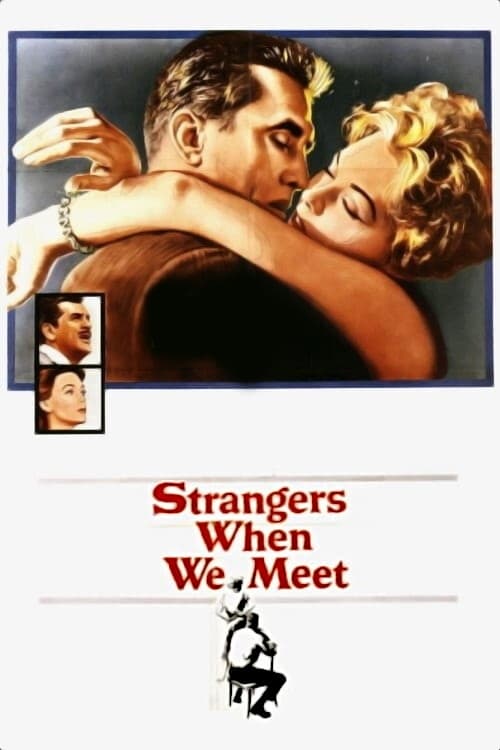
A suburban architect loves his wife but is bored with his marriage and with his work, so he takes up with the neglected, married beauty who lives down the street.

Strangers When We Meet

1960
Pirate Party on Catalina Isle
6.1

Various Hollywood performers put on a pirate-themed variety show on Catalina Island, with a number of amiable stars in the audience.

Pirate Party on Catalina Isle

1935
Complicated Women
6.9

Looks at the stereotype-breaking films of the period from 1929, when movies entered the sound era, until 1934 when the Hays Code virtually neutered film content. No longer portrayed as virgins or vamps, the liberated female of the pre-code films had dimensions. Good girls had lovers and babies and held down jobs, while the bad girls were cast in a sympathetic light. And they did it all without apology.

Complicated Women

2003
Brazil
5.2

Brazil is perhaps the best of the handful of US films made by singing sensation Tito Guizar. In typical screwball-comedy fashion, the plot is set in motion by authoress Nicky Henderson, who has hit the best-seller charts with her latest tome, Why Marry a Latin? While researching her next book in Rio De Janeiro, she finds out "why" when she meets handsome songwriter Miguel Soares. Upon learning about Nicky's book, Miguel decides to teach her a few lessons in the affairs of the heart. Edward Everett Horton is also on hand, twittering his way through the role of a well-meaning buttinsky. Thanks to the "Good Neighbor" policy of the 1940s, South American musicals were a glut on the market, but Brazil was good enough on its own merits to pay its way at the box office.

Brazil

1944
Cavalcade of the Academy Awards
6.5

This 1940 presentation features highlights of earlier (1928 onward) Oscar ceremonies including Shirley Temple and Walt Disney, plus acceptance speeches for films released in 1939 with recipients and presenters including Vivien Leigh, Judy Garland, Hattie McDaniel, Fay Bainter, Mickey Rooney, Thomas Mitchell, Sinclair Lewis, and more, with host Bob Hope.

Cavalcade of the Academy Awards

1940
That's Entertainment!
7.4

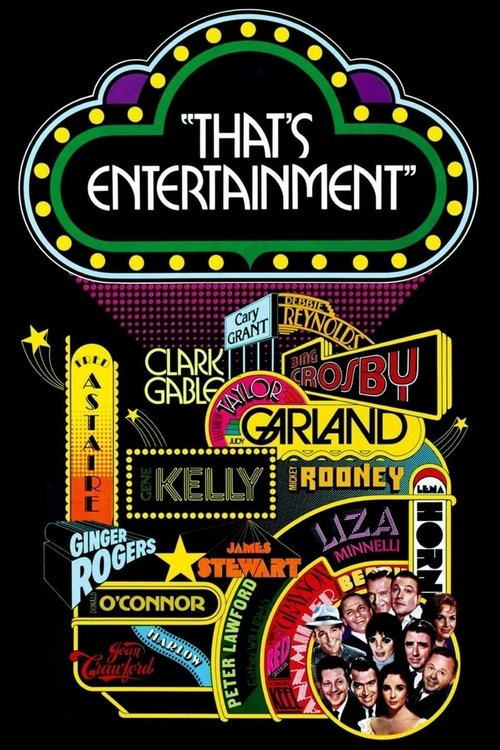
Various MGM stars from yesterday present their favorite musical moments from the studio's 50 year history.

That's Entertainment!

1974
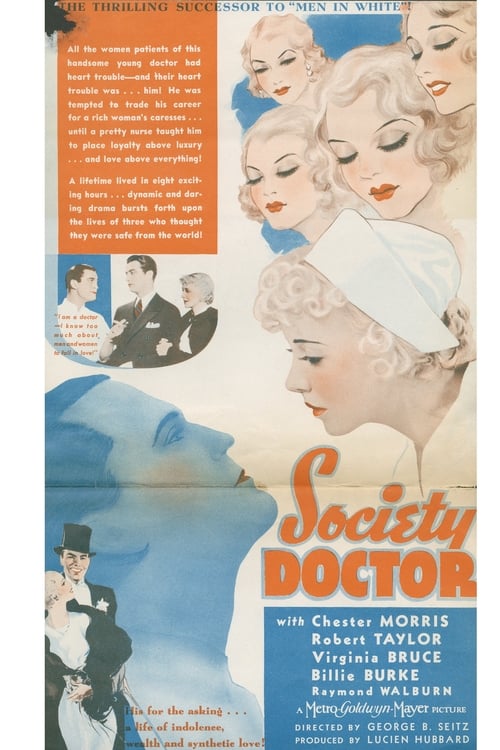
Society Doctor
7.3

Two surgeons in love with a nurse end their rivalry in the operating room.

Society Doctor

1935
Let Freedom Ring
6.8

A Harvard man fights a railroad baron with a disguise and the power of the press.

Let Freedom Ring

1939
Night Has a Thousand Eyes
6.8

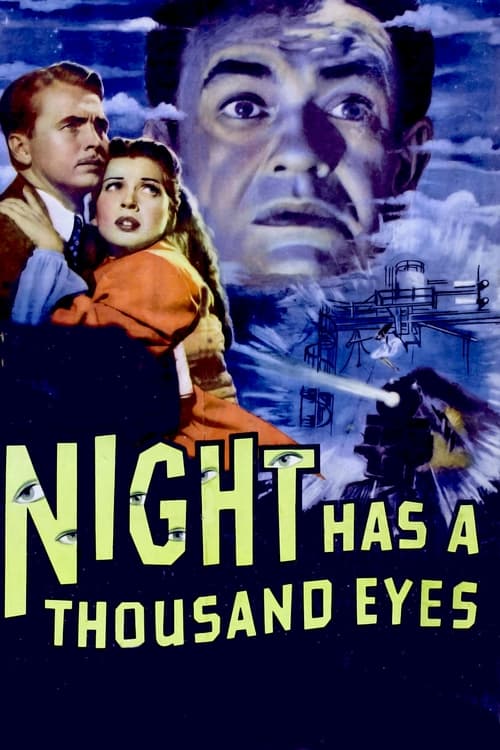
When heiress Jean Courtland attempts suicide, her fiancée Elliott Carson probes her relationship with John Triton. In flashback, we see how stage mentalist Triton starts having terrifying flashes of true precognition. Now years later, he desperately tries to prevent tragedies in the Courtland family.

Night Has a Thousand Eyes

1948
The Great Ziegfeld
6.3

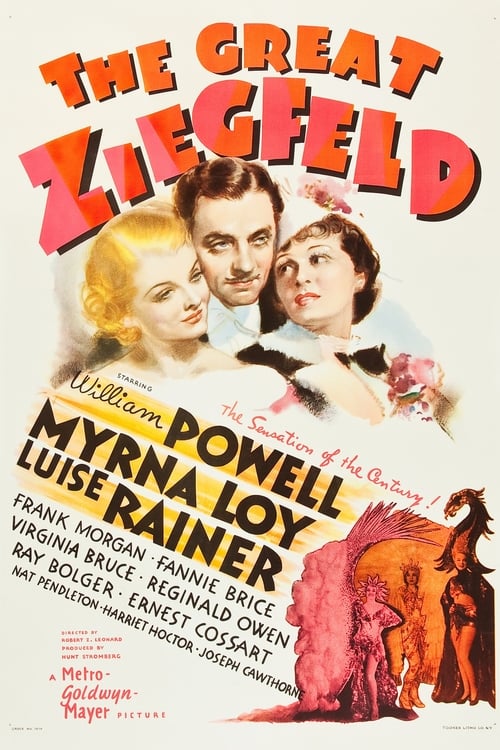
At the 1893 Chicago World's Fair, sideshow barker Florenz Ziegfeld turns the tables on his more-successful neighbor Billings, and also steals his girlfriend. This pattern repeats throughout their lives, as Ziegfeld makes and loses many fortunes putting on ever-bigger, more spectacular shows

The Great Ziegfeld

1936
Kongo
6.4

The ruthless Flint, a disabled man, rules an isolated region of Kongo like an omnipotent god, through superstition and sadism, living only for the day when he can get revenge on the man who ruined his life.

Kongo

1932
Society Lawyer
5.4

Society lawyer Christopher Durant agrees to defend his friend Phil Siddall who was arrested for the murder of an ex-girlfriend. With the help of nightclub singer Pat Abbott and crime boss Tony Gazotti (a former client), Durant launches his own investigation of the murder in order to prove his friend's innocence.

Society Lawyer

1939
Hollywood Goes to Town
7.0

This short shows how Hollywood gets ready for the world premiere of an "important" movie. The film celebrated here is Marie Antoinette (1938), which had its premiere at the Carthay Circle Theatre. We see the street leading to the theatre transformed to suggest a garden that might be seen in a French palace. This includes the placement of trees and other foliage, as well as large statues along the route. Grandstands are set up so fans can see their favorite stars as they arrive for the premiere. Finally, the proverbial "galaxy of stars" arrives in their limousines. Fanny Brice and Pete Smith make remarks at the microphone set up on the carpet outside the theatre.

Hollywood Goes to Town

1938
Follow Thru
7.6

Lora Moore, the club champion, loses a golf match to a woman from another golf club. Then Jerry Downs, a handsome golf pro, and his goofy friend, Jack Martin, show up. Lora takes him on as her golf teacher to work on her putt. She falls for him, but so do several other women. Meanwhile Angie Howard, Lora's friend, chases after Jack. A lot of silliness ensues.

Follow Thru

1930