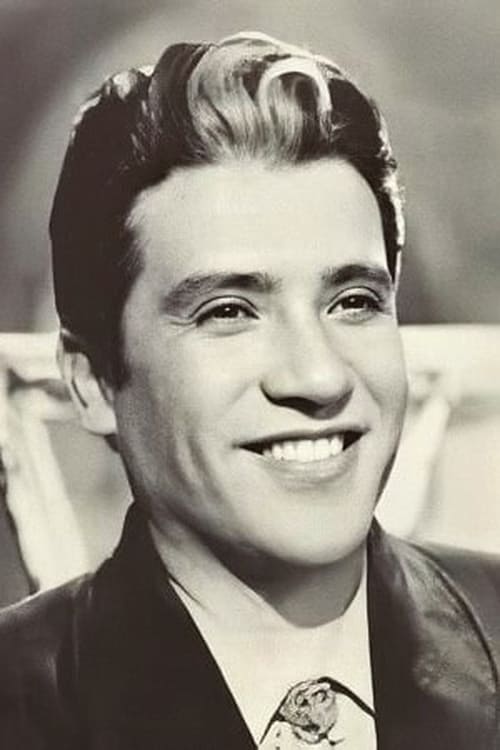
Miguel Aceves Mejía
Acting
Known For
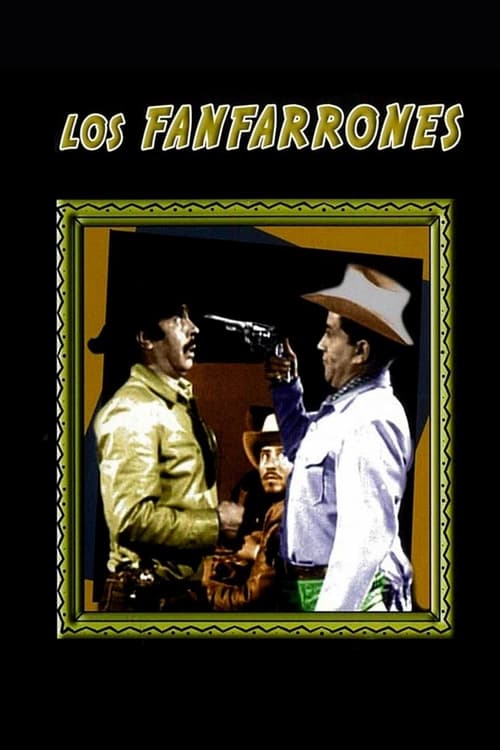
Three young ladies become the owners of a rough and tumble cowboy bar that they're not well-equipped to manage.
Los fanfarrones
Romcom with music: owner of an auto-repair shop woos the owner of a beauty parlor.
El cariñoso
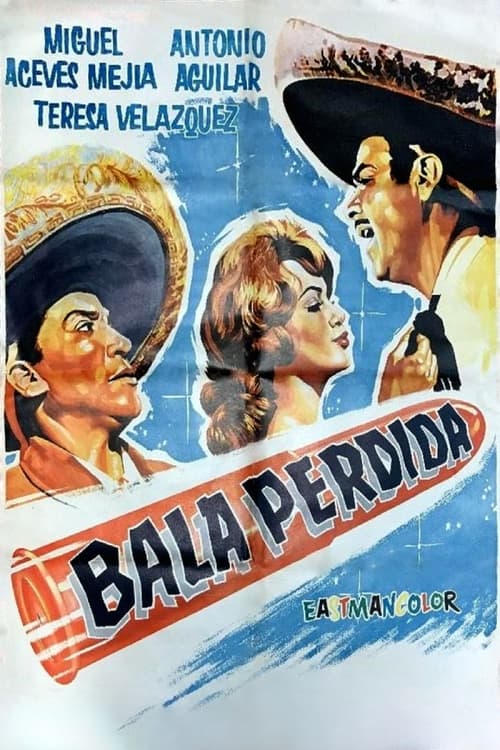
Daniel is let out of jail for his mothers funeral. During his furlough he kidnaps his son and takes him to a movie set where a western is being shot.
Bala Perdida
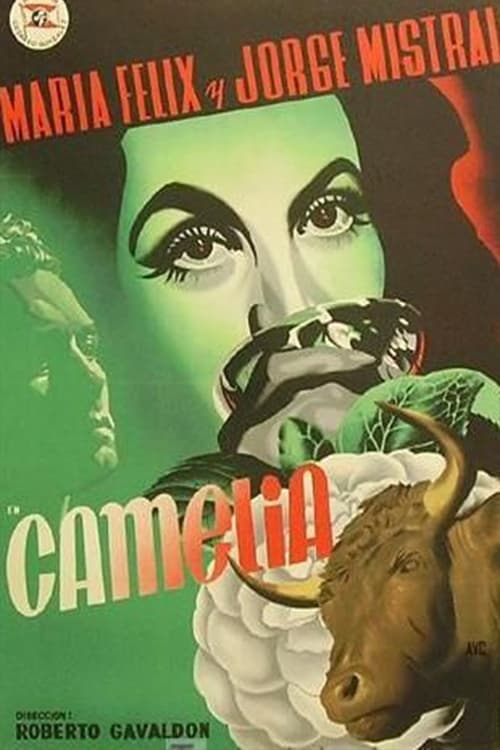
A sort of meta riff on Alexandre Dumas fils' novel The Lady of the Camellias (La Dame aux Camélias or Camille) here in Mexican melodrama form involving the doomed love of a bullfighter and a beautiful but ailing actress/courtesan.
Camelia
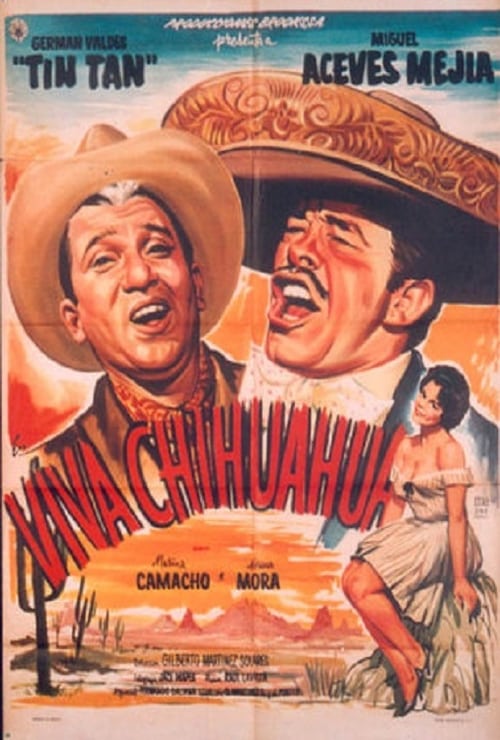
Respectable guy uses a pseudonym when he wants to cut loose in a neighboring town. A friend of his picks up the pseudonym habit, and they take turns pretending to be the same person, until their cover stories get too snarled to continue.
Viva Chihuahua
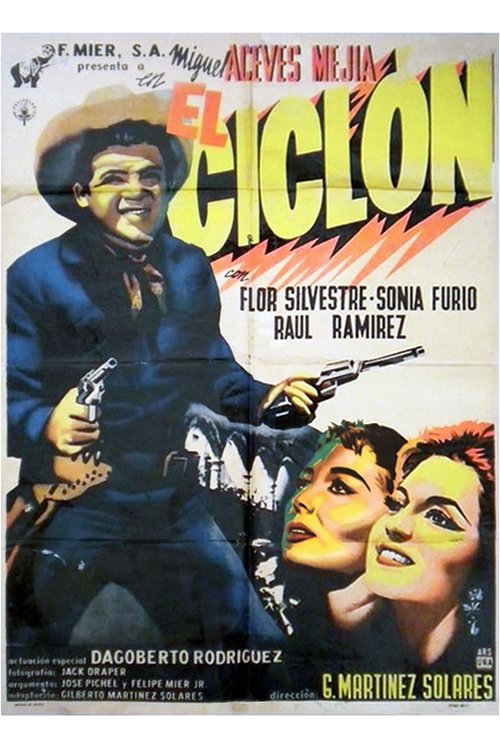
Cowboy revenge-drama, paired with a love triangle between two Mexican fellers and a rather unpleasant gringa.
El ciclón
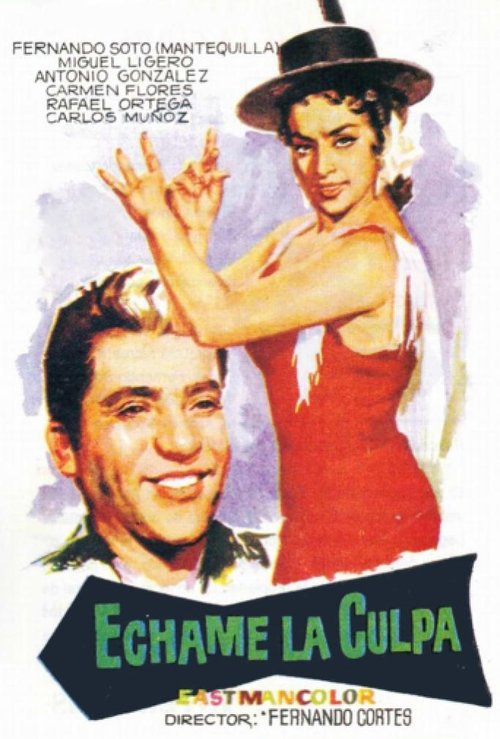
A Mexican steer rancher goes to Spain to get some bulls he bought but that were never delivered. He meets a flamenco dancer during his stay in Madrid and falls for her.
Blame Me
Three Black Angels (Spanish: Tres angelitos negros) is a 1960 Mexican comedy film directed by Fernando Cortés and starring Miguel Aceves Mejía, Yolanda Varela and Pedro Vargas.
Three Black Angels
Itinerant folk-singer returns to his home town, gets caught in two intersecting love triangles. It ends badly.
Rogaciano el huapanguero
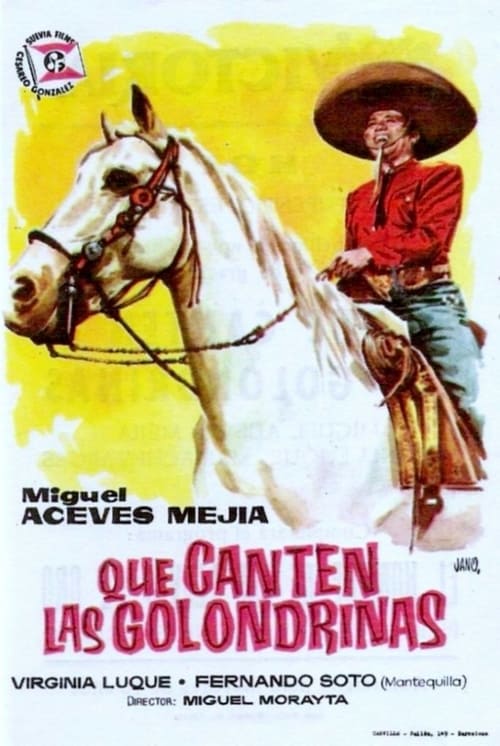
A Mexican singer travels the world and finds love in Argentina.
Que me toquen las golondrinas
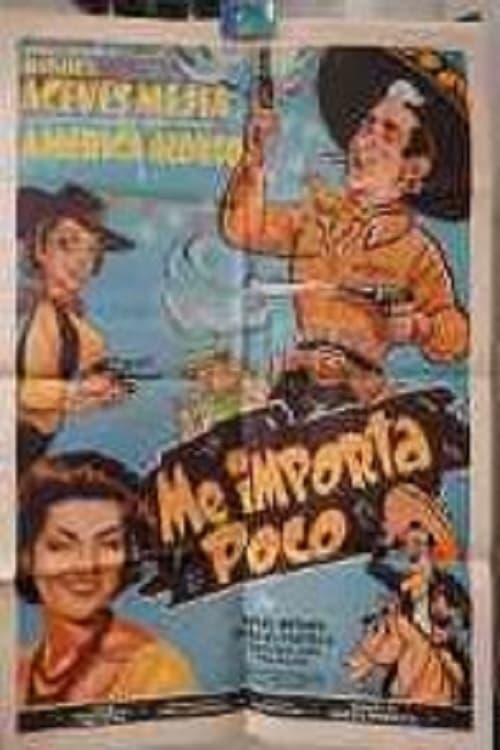
Anthropologist goes to small town to do field work supporting her theories about the primitive/subhuman origins of machismo.
Me importa poco
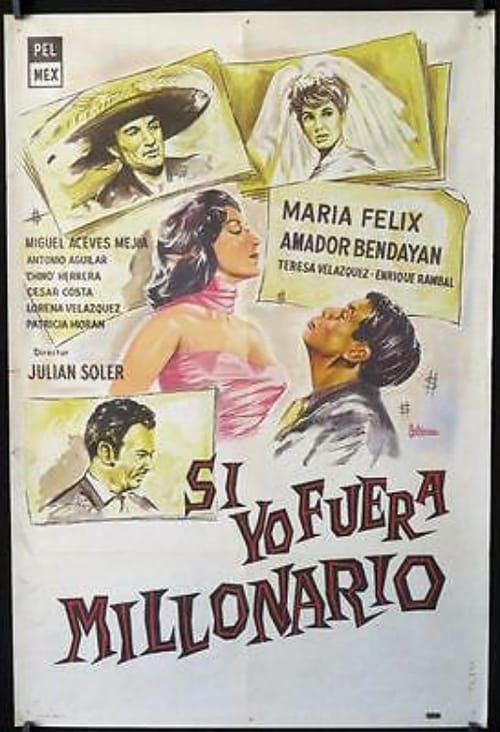
White-collar criminals conspire to prevent a shmuck from collecting an inheritance.
Si yo fuera millonario
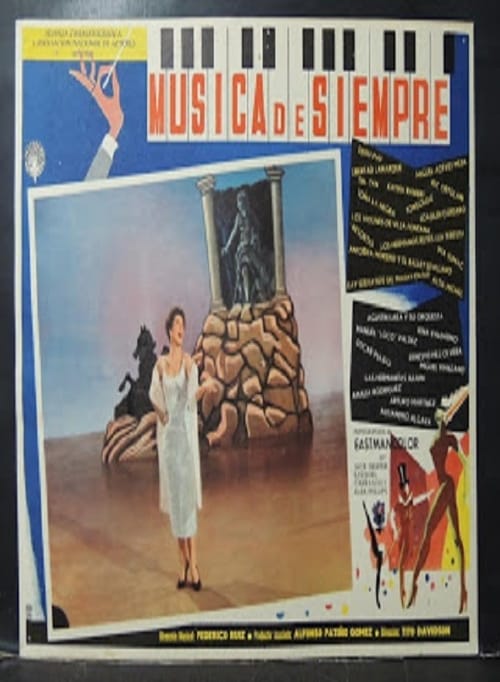
Producer, director and projectionist watch an assortment of musical numbers and brainstorm about framing narrative that could contain them all.
Music of Always
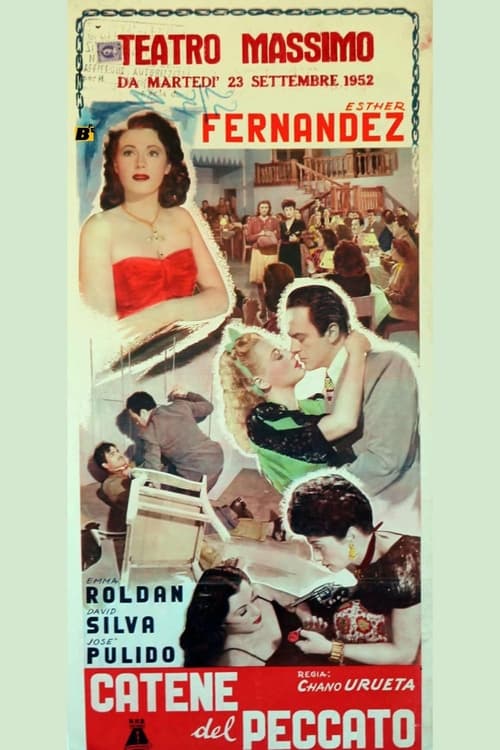
This post-World War II drama, (released to a world-wide audience on July 9, 1949), is definitively unique for the caliber of each of its contributing writers, who are clearly better-known for their cinematic talents in black and white . For instance, the film's Director Chano Urueta ( who became an acclaimed actor in his own right), actually co-wrote the script along with one of its principal actresses, namely Esther Fernandez, as well as adding in the literary abilities of a well-known movie-producer of the era named Luis Marique.
De pecado en pecado
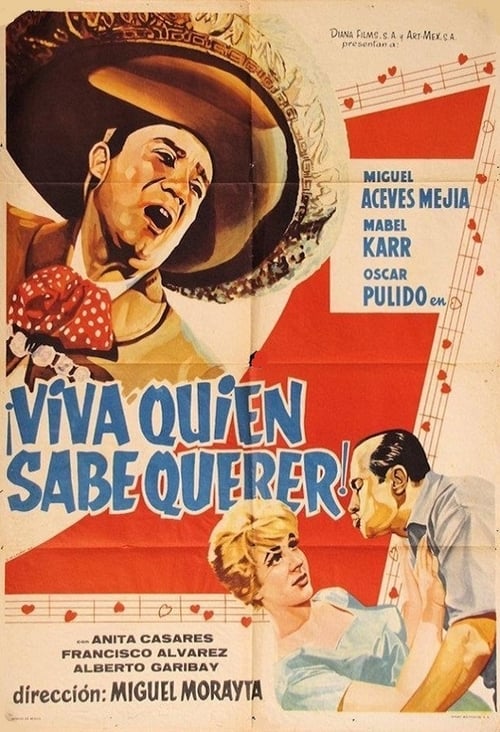
Ranchera singer and his sidekick travel to Argentina to mix it up with a playboy who bragged to them about the tour he'd book for them.
¡Viva quien sabe querer!
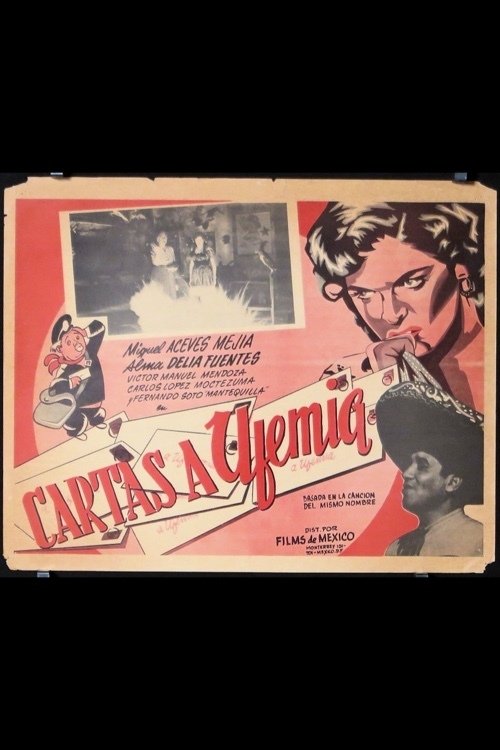
Small-town rom-com from a female POV.
Letters to Ufemia
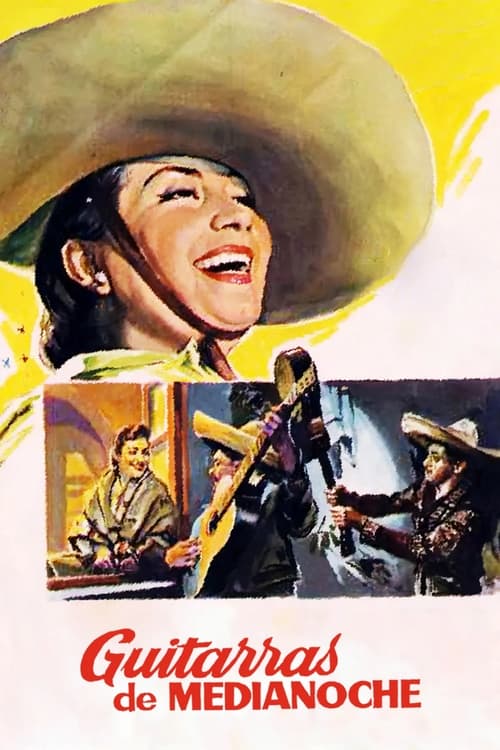
Wealthy land-owner poses as a bandit, robbing only his own properties, to get the romantic attention of a woman who lives down the road.
Guitarras de medianoche
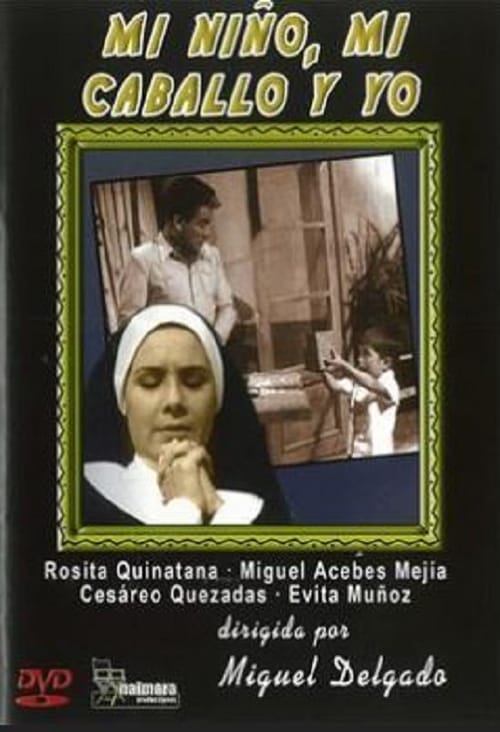
Nun tries to heal the relationship between a six-year-old boy and his estranged father.
Mi niño, mi caballo y yo
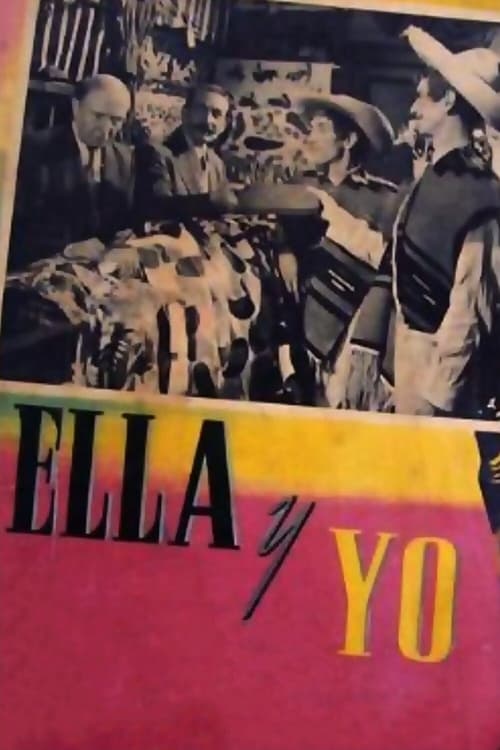
Pedro Muñoz is a womanizer that does not escape one until Irene Garza arrives and makes him to see his luck, while the aunt of her tries to separate them.
Ella y Yo
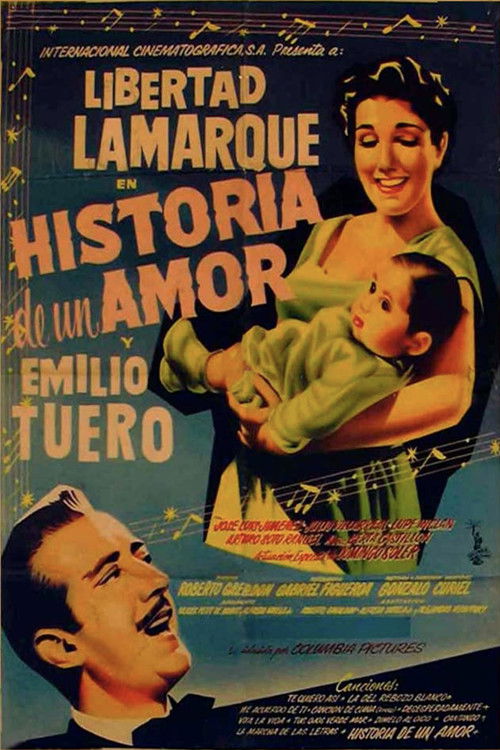
Elena (Libertad Lamarque), already a star, falls madly in love with Roberto. They make it to the altar. Elena and Roberto adopt a baby. The years go by and everything is happiness in the couple’s life—until one day the girl’s grandfather appears.