FEEL IT.STREAM
?

Richard Sale

Writing

Biography

​From Wikipedia, the free encyclopedia.   Richard Sale, (17 December 1911, New York – 4 March 1993, Los Angeles) was an American screenwriter and film director. He started his career writing for the pulps in the Thirties, appearing regularly in Detective Fiction Weekly (with the Daffy Dill series), Argosy, Double Detective, and a number of other magazines. In the Forties, he graduated to slick publications like The Country Gentleman and The Saturday Evening Post. In the mid-Forties, he made a career change from writing magazine fiction to screenplays. A big boost to Sale's success was his novel Not Too Narrow...Not Too Deep, filmed as Strange Cargo (1940) starring Joan Crawford and Clark Gable. He directed several films, including A Ticket to Tomahawk (1950), Meet Me After the Show (1951) with Betty Grable, Let's Make It Legal (1951) with one of Marilyn Monroe's earliest film appearances, Suddenly (1954), Malaga (1954), and Gentlemen Marry Brunettes (1955) with Jane Russell. He also authored many screenplays, The French Line (1954) and Gentlemen Marry Brunettes, both with Mary Loos, The Oscar (1966) and Assassination (1987) Together with his wife, they created the TV series Yancy Derringer. Description above from the Wikipedia article Richard Sale, licensed under CC-BY-SA, full list of contributors on Wikipedia.
Known For

Bewitched
7.9

Samantha Stephens is a seemingly normal suburban housewife who also happens to be a genuine witch, with all the requisite magical powers. Her husband Darrin insists that Samantha keep her witchcraft under wraps, but situations invariably require her to indulge her powers while keeping her bothersome mother Endora at bay.

Bewitched

1964
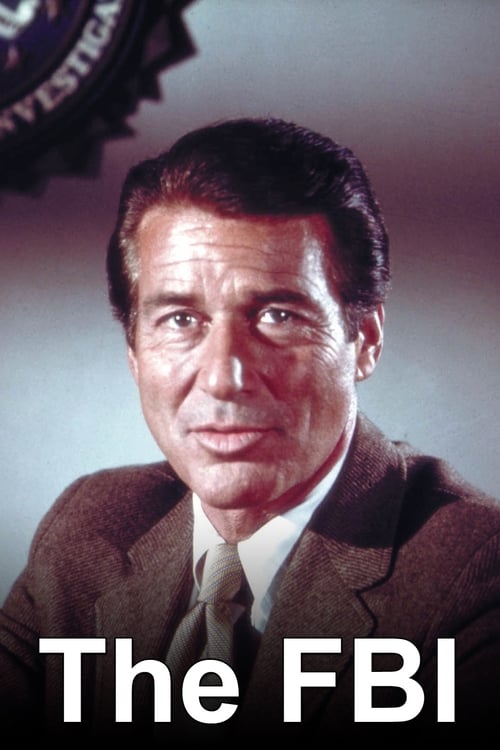
The F.B.I.
5.6

The F.B.I. is an American television series that was broadcast on ABC from 1965 to 1974. It was sponsored by the Ford Motor Company, and the characters almost always drove Ford vehicles in the series. Alcoa was co-sponsor of Season One only.

The F.B.I.

1965
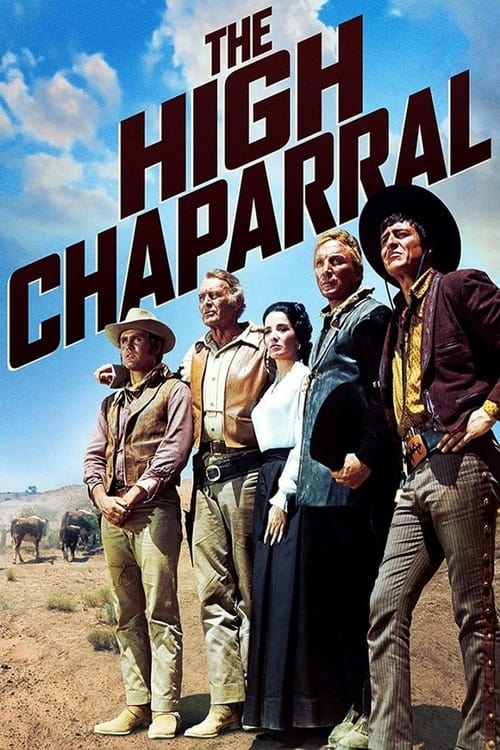
The High Chaparral
6.8

The High Chaparral is an American Western-themed television series starring Leif Erickson and Cameron Mitchell which aired on NBC from 1967 to 1971. The series, made by Xanadu Productions in association with NBC Productions, was created by David Dortort, who had previously created the hit Bonanza for the network. The theme song was also written and conducted by Bonanza scorer David Rose, who also scored the two-hour pilot.

The High Chaparral

1967
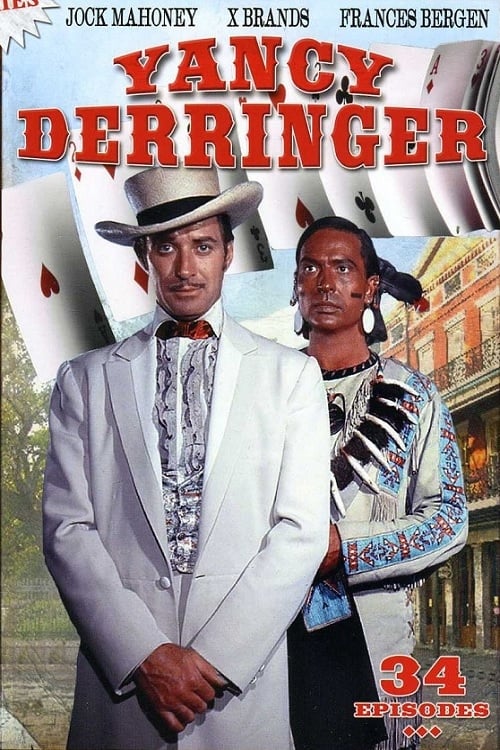
Yancy Derringer
6.2

Yancy Derringer is an American Western series

Yancy Derringer

1958
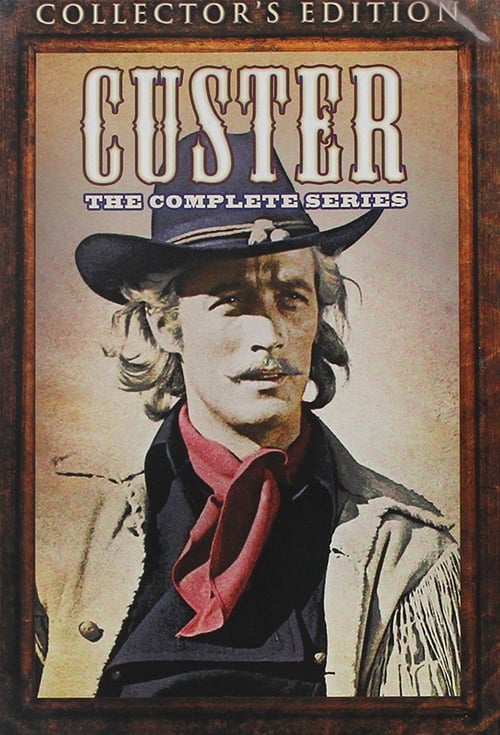
Custer
6.4

Custer, also known as The Legend of Custer, is a 17-episode military-western television series which ran on ABC from September 6 to December 27, 1967, with Wayne Maunder in the starring role of then Lieutenant Colonel George Armstrong Custer. During the American Civil War, Custer had risen to the rank of major general, the youngest in the Union Army. He was demoted after the war during force reductions to the rank of Captain, but was reinstated in 1866 as a Lieutenant Colonel in command of the Seventh Cavalry, stationed at Fort Riley, Kansas. Many of the soldiers in the regiment were derelicts, former Confederates, or even criminals. The series was cancelled before the script timeline would have reached the Little Big Horn River of southeastern Montana, where all perished on June 25, 1876, in a Sioux Indian ambush, Robert F. Simon played Custer's commanding officer, U.S. General Alfred H. Terry, who disapproved of Custer's long hair and much of his methodology of fighting Indians. Slim Pickens starred as a scout named California Joe Milner. Michael Dante appeared as Sioux Chief Crazy Horse. Peter Palmer played Sergeant James Bustard, a former Confederate soldier. Grant Woods appeared as Captain Myles Keogh. Read Morgan, formerly a cavalry officer on NBC's The Deputy, appeared in the episode "Spirit Woman" in the role of a medicine man.

Custer

1967
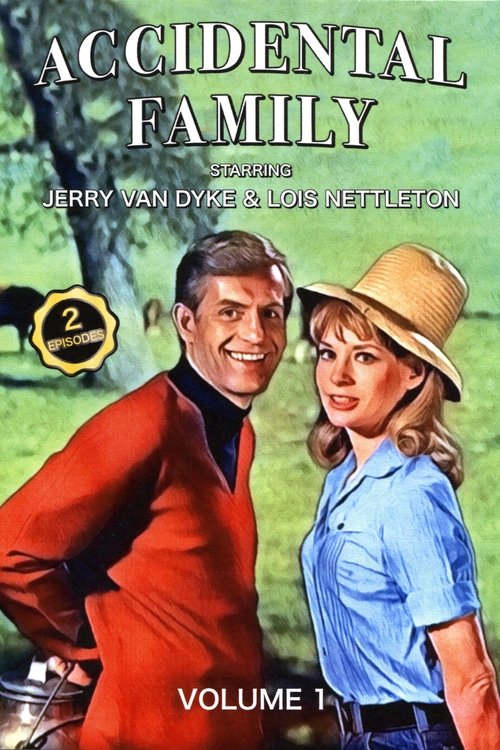
Accidental Family
6.5

Accidental Family is an American sitcom broadcast on NBC during the first part of the 1967-68 U.S. television season.

Accidental Family

1967
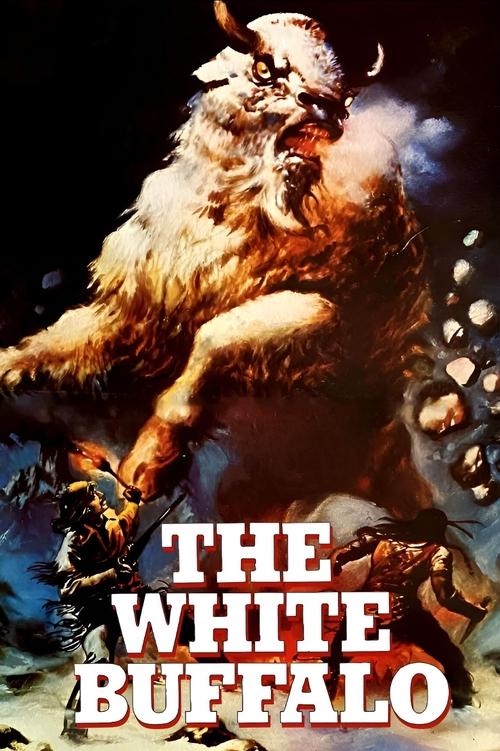
The White Buffalo
6.0

In this strange western version of Moby Dick, Wild Bill Hickok hunts a white buffalo he has seen in a dream. Hickok moves through a variety of uniquely authentic western locations - dim, filthy, makeshift taverns; freezing, slaughterhouse-like frontier towns and beautifully desolate high country - before improbably teaming up with a young Crazy Horse to pursue the creature.

The White Buffalo

1977
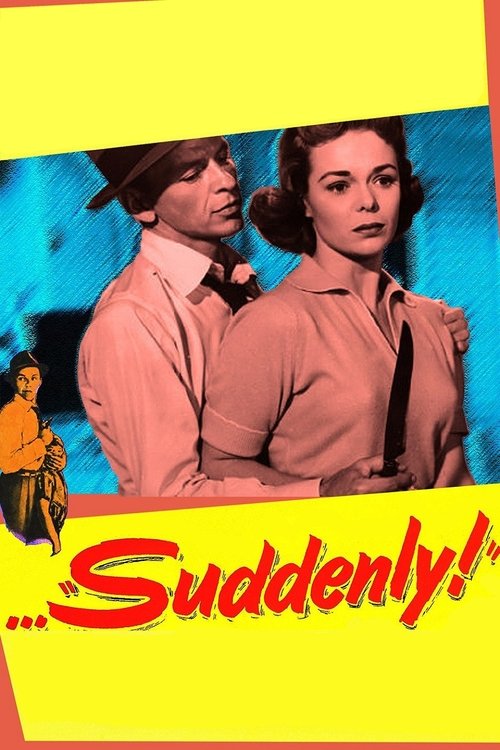
Suddenly
6.4

The tranquility of a small town is marred only by sheriff Tod Shaw's unsuccessful courtship of widow Ellen Benson, a pacifist who can't abide guns and those who use them. But violence descends on Ellen's household willy-nilly when the U.S. President passes through town... and slightly psycho hired assassin John Baron finds the Benson home ideal for an ambush.

Suddenly

1954
Assassination
5.7

Jay Killon is the bodyguard of the recently elected US president, but he is assigned to the first lady (Lara Royce). Lara hates Killon so she does all she can to escape. The story complicates when someone tries to kill Lara.

Assassination

1987
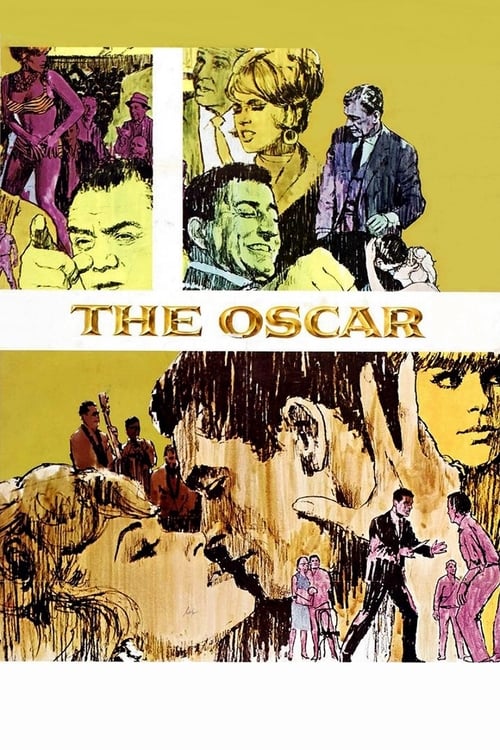
The Oscar
5.0

An amoral lowlife accidentally stumbles into an acting career that sets him on a trajectory to Hollywood stardom. But everyone on whom he steps on the way to the top remembers when he is nominated for an Oscar and he runs a dirty campaign in an attempt to win.

The Oscar

1966
Seven Waves Away
7.5

After a massive luxury liner sinks into the ocean, the ship's officer must command a rickety lifeboat, built for only nine, that is stuffed with over twenty desperate and injured passengers. As a hurricane approaches and the many wounded passengers struggle for life, difficult decisions must be made about who will remain on the boat and who must be cast to the sea in order to give others the chance to survive.

Seven Waves Away

1957
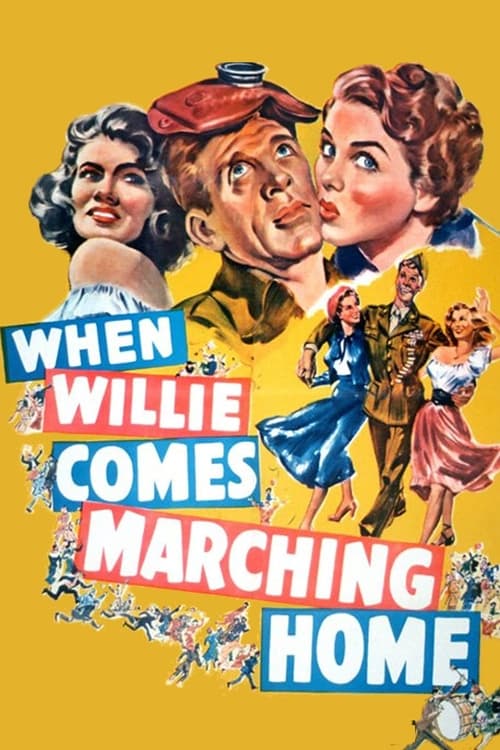
When Willie Comes Marching Home
6.9

When Willie leaves home to join the war effort he is all ready to become a hero, but he is only frustrated when his posting ends up to be in his home town, and he is recruited into training, keeping him from the action. However, when he finds himself accidently behind enemy lines he unexpectedly becomes a hero after all.

When Willie Comes Marching Home

1950
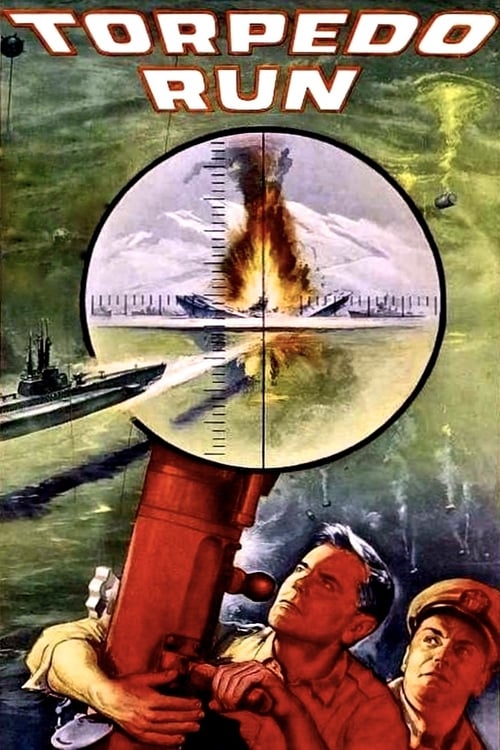
Torpedo Run
6.1

A submarine commander is on a relentless pursuit of a Japanese aircraft carrier in the South Seas during World War II.

Torpedo Run

1958
Woman's World
7.2

Needing to fill the position of general manager of his company, and believing that an executive's wife is crucial to her husband's success, auto industry mogul Gifford brings three couples to New York to size up: Jerry and Carol: he hard-driven and self-reliant, she willing to use her beauty to further her husband's career; Sid and Elizabeth, he ulcer-ridden and torn between achieving success and restoring their troubled marriage, she positive that his job will kill him, but gamely agreeing to play the good wife for the duration; and down-to-earth Bill, whose good-natured Katie fears that his promotion would spell the end of their idyllic familiy existence.

Woman's World

1954
Let's Make It Legal
5.7

A woman divorces her husband of 20 years because he gambles too much.

Let's Make It Legal

1951
Strange Cargo
7.0

Convicts escaping from Devil's Island come under the influence of a strange Christ-like figure.

Strange Cargo

1940
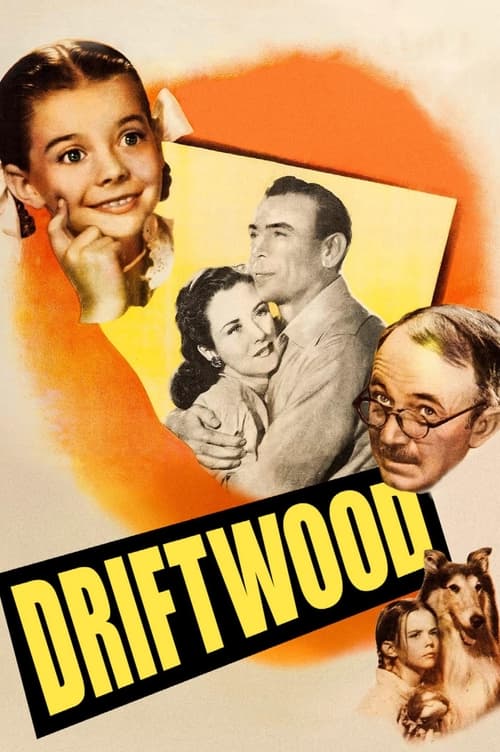
Driftwood
6.8

An orphan helps a doctor fight an epidemic in a small western town, in one of Allan Dwan’s closely observed studies in Americana.

Driftwood

1947
Mr. Belvedere Goes to College
7.3

A middle-aged genius goes to college for the first time.

Mr. Belvedere Goes to College

1949
The French Line
4.4

Oil heiress Mame Carson takes an incognito cruise so that men will love her for her body, not her money.

The French Line

1954
Over-Exposed
5.2

This titillating bit of pulp sensationalism was the last in a string of "B" films that Cleo Moore starred in at Columbia. Moore plays Lila Crane, an ambitious clip-joint floozie turned photographer with flexible morals and a penchant for fast money.

Over-Exposed

1956