Euripides
Writing
Biography
Euripides (c. 480 – c. 406 BC) was a Greek tragedian of classical Athens. Along with Aeschylus and Sophocles, he is one of the three ancient Greek tragedians for whom any plays have survived in full. Some ancient scholars attributed ninety-five plays to him, but the Suda says it was ninety-two at most. Of these, eighteen or nineteen have survived more or less complete (Rhesus is suspect). There are many fragments (some substantial) of most of his other plays. More of his plays have survived intact than those of Aeschylus and Sophocles together, partly because his popularity grew as theirs declined — he became, in the Hellenistic Age, a cornerstone of ancient literary education, along with Homer, Demosthenes, and Menander. Euripides is identified with theatrical innovations that have profoundly influenced drama down to modern times, especially in the representation of traditional, mythical heroes as ordinary people in extraordinary circumstances. This new approach led him to pioneer developments that later writers adapted to comedy, some of which are characteristic of romance. He also became "the most tragic of poets",[nb 1] focusing on the inner lives and motives of his characters in a way previously unknown. He was "the creator of ... that cage which is the theatre of Shakespeare's Othello, Racine's Phèdre, of Ibsen and Strindberg," in which "imprisoned men and women destroy each other by the intensity of their loves and hates". But he was also the literary ancestor of comic dramatists as diverse as Menander and George Bernard Shaw. Known among the writers of classical Athens for his unparalleled sympathy towards all victims of society, including women, slaves or strangers, his contemporaries associated him with Socrates as a leader of a decadent intellectualism. Both were frequently lampooned by comic poets such as Aristophanes. Socrates was eventually put on trial and executed as a corrupting influence. Ancient biographies hold that Euripides chose a voluntary exile in old age, dying in Macedonia, but recent scholarship casts doubt on these sources.

Known For

A series of dramas featuring staged theatre plays.
Theatre Night

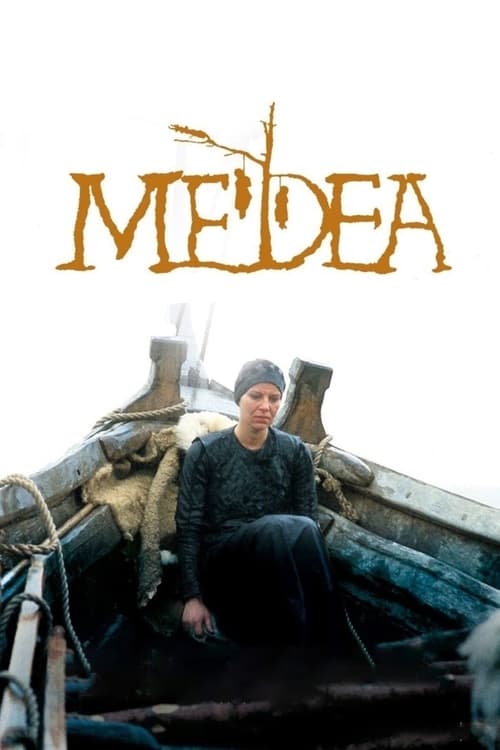
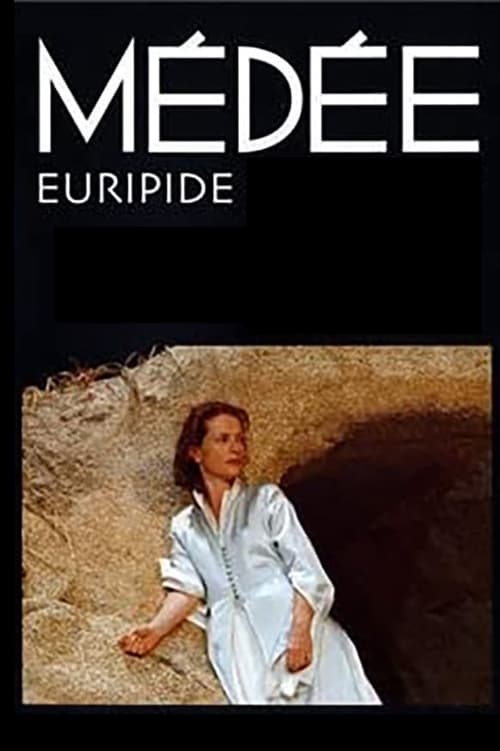
Based on the plot of Euripides' Medea. Medea centers on the barbarian protagonist as she finds her position in the Greek world threatened, and the revenge she takes against her husband Jason who has betrayed her for another woman.
Medea

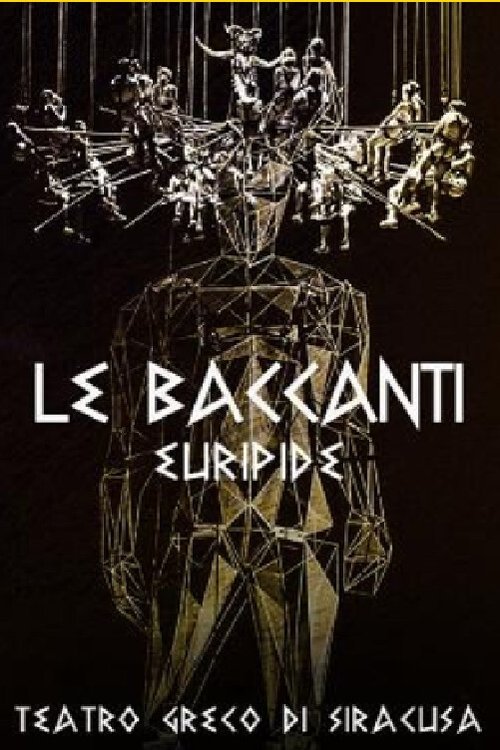
The god Dionysus decides to pay a visit to the city of Thebes. Dionysus wants to be the worshiped by the masses, but the kingdom is suffering a horrific drought and the king Pentheus wants instead to sacrifice a virgin to the God Demeter.
The Bacchantes

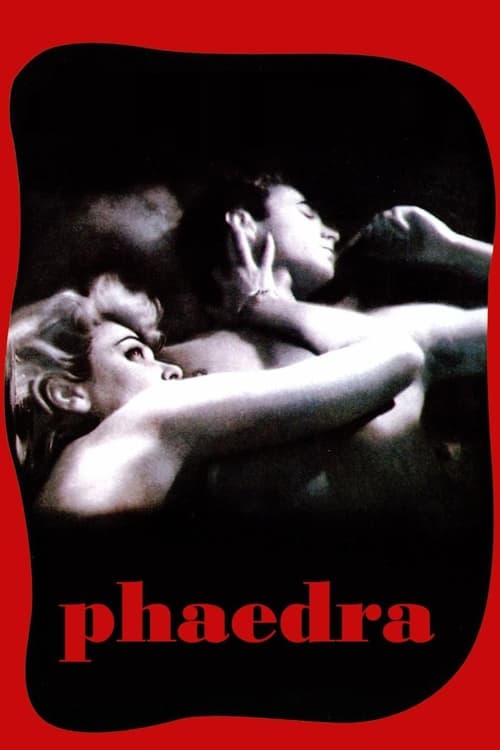
A modern retelling of the Greek myth of Phaedra. The young and fiery second wife of an extremely wealthy shipping magnate meets her estranged stepson Alexis and sparks immediately fly. Their love seems doomed from the beginning when she convinces him to come to Paris to meet his father.
Phaedra

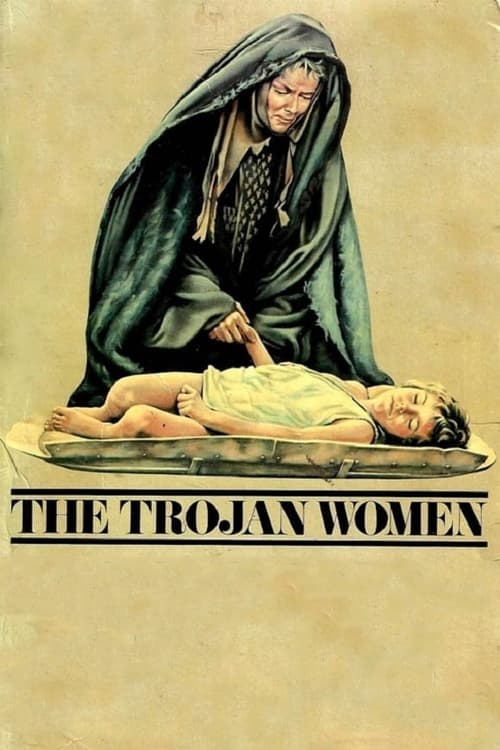
In the aftermath of the Trojan Wars, Queen Hecuba takes stock of the defeated kingdom. Her son has been killed, and his widow, Andromache, is left to raise their son, Astyanax, alone. Hecuba's daughter, Cassandra, fears being enslaved by her Greek masters, while Helen of Troy risks being executed. Astyanax also becomes the focus of the Greeks' attention as the last male heir of the Trojan royal family.
The Trojan Women

The Greek army is about to set sail to a great battle, but the winds refuse to blow. Their leader, King Agamemnon, seeks to provide better food, but accidentally slays a sacred deer. His punishment from the gods, the sacrifice of his daughter Iphigenia.
Iphigenia

Living in exile after the death of their father, the grown children of a murdered and usurped king converge to exact eye-for-an-eye revenge.
Electra

Medea after having helped the man she loves, Jason, and given him to birth two children, is driven into fury and vengeful madness after he decides to abandon her to become successor to the throne by marring Glauce, the daughter of Creon, king of Corinth.
Medea

Medea is a wife and a mother. For the sake of her husband, Jason, she’s left her home and borne two sons in exile. But when he abandons his family for a new life, Medea faces banishment and separation from her children. Cornered, she begs for one day’s grace. It’s time enough. She exacts an appalling revenge and destroys everything she holds dear.
National Theatre Live: Medea

The movie comprises three vignettes of actors-speaking-to-audience, two of which are monologues. All three revolve around violence or murder.
Bash: Latter-Day Plays

The young wine god Dionysus returns to his native town of Thebes after having established his cult in the east. In his entourage, he has a run of Bacchantes. Semele, his mother, was distrusted by her family when she claimed that Zeus was the father of her child. Dionysus has come to restore her, revealing his divinity, and require proper worship of the Theban legion.
The Bacchae

A betrayed queen takes a terrible revenge.
Medea

In 1967 the director Vittorio Cottafavi produces the TV movie Le Troiane from Euripides. He uses the classical Italian translation by Enzio Cetrangolo, but creates an original way of film adaptation, inspired by the Brechtian conception of staging the ancient theater. He does not use costume or set design, but is based only on the simple performance of the actors, highlighted by the shooting technique. The absolute sense of tragedy is perceived by the public through emotional engagement and imagination. So, the Trojan war is all the wars and the pain of the Trojan women is the pain of all the victims of any war.
The Trojan Women

Melina Mercouri plays Maya, a jet-setting Greek actress who returns to her homeland to undertake the role of Medea. Searching for inspiration and clues as to how a mother could kill the children she loves, Maya discovers Brenda (Ellen Burstyn), a bible-spouting American woman serving time in an Athens prison for that very crime.
A Dream of Passion

In 1963 Boultenhouse wrote, produced, and directed Dionysius,which he described as a “free treatment of Euripides' The Bacchae.”It starred the dancers Louis Falco, Anna Duncan, and Nicolas Magallanes as Dionysius, Agave, and Pentheus respectively, and the experimental filmmakers Charles Levine, Willard Maas, Gregory Markopoulos, Marie Menken, Lloyd Williams and William Wood as the Chorus of Cameras. The film's score was by Teiji Ito.
Dionysus

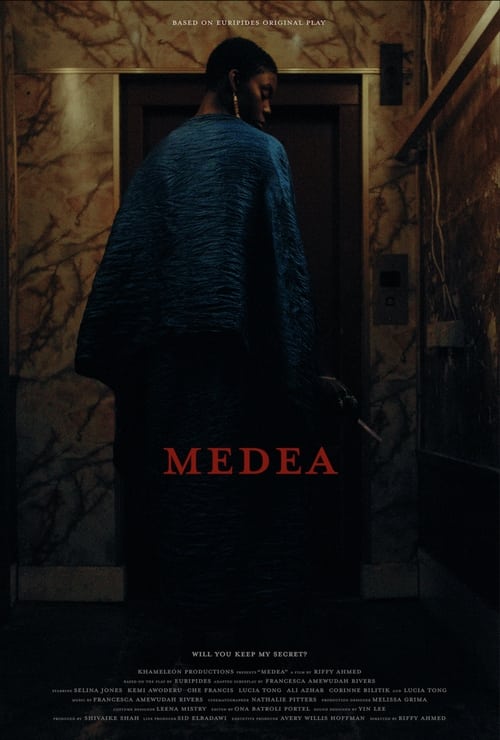
Medea is a powerful witch who gets revenge on her cheating husband Jason by killing their children.
Medea
Medea is in Corinth with Jason and their two young sons. King Kreon wants to reward Jason for his exploits: he gives the hand of his daughter, Glauce, to Jason.
Medea

Medea is expelled from the mining region in the Atacama Desert and is given just one day to disappear. But in that single day, she comes up with a plan for revenge. In order to carry out this plan, which will culminate in her murdering her own son, she invokes her innermost strength, summoning the power of the female gender.
Medea

Having triumphed at the Met in some of the repertory’s fiercest soprano roles, Sondra Radvanovsky stars as the mythic sorceress who will stop at nothing in her quest for vengeance. Joining Radvanovsky in the Met-premiere production of Cherubini’s rarely performed masterpiece is tenor Matthew Polenzani as Medea’s Argonaut husband, Giasone; soprano Janai Brugger as her rival for his love, Glauce; bass Michele Pertusi as Glauce’s father, Creonte, the King of Corinth; and mezzo-soprano Ekaterina Gubanova as Medea’s confidante, Neris. Carlo Rizzi conducts.
The Metropolitan Opera: Medea

Filmed stageplay based on the ancient greek play The Bacchae written by Euripides. This play is performed by members of The Performance Group, an NYC experimental theater group who has made their own personal adaptation of this ancient text.