FEEL IT.STREAM
Philip Ahn

Philip Ahn

Acting

Biography

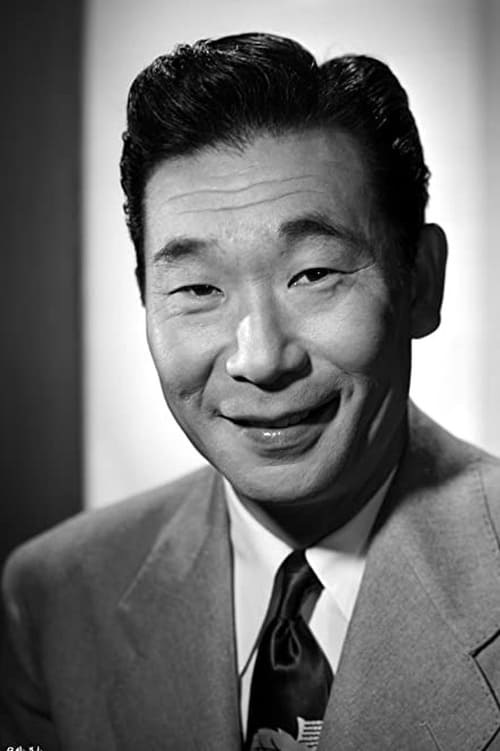
From Wikipedia, the free encyclopedia Philip Ahn (born Pil Lip Ahn (안필립), March 29, 1905 – February 28, 1978) was a Korean American actor. He was the first Korean American film actor to receive a star on the Hollywood Walk of Fame. Ahn's first film was A Scream in the Night in 1935. He appeared in the Bing Crosby film Anything Goes, though director Lewis Milestone had initially rejected him because his English was too good for the part. His first credited roles came in 1936 in The General Died at Dawn and Stowaway, opposite Shirley Temple. He starred opposite Anna May Wong in Daughter of Shanghai (1937) and King of Chinatown (1937). During World War II, Ahn often played Japanese villains in war films. Mistakenly thought to be Japanese, he received several death threats. He enlisted in the United States Army, having served in the Special Services as an entertainer. He was discharged early because of an injured ankle and returned to making films. Ahn appeared in Love Is a Many-Splendored Thing, Around the World in Eighty Days, Thoroughly Modern Millie and Paradise, Hawaiian Style, with Elvis Presley. He got to play Korean characters in Korean War movies such as Battle Circus (1953) and Battle Hymn (1956). In 1952, Ahn made his television debut on the Schlitz Playhouse, a series he would make three additional appearances on. Ahn would also be cast in four episodes of ABC's Adventures in Paradise, four episodes of the ABC/Warner Brothers crime drama Hawaiian Eye, and the CBS crime drama Hawaii Five-O. He made three appearances each on Crossroads, Bonanza, and M*A*S*H. He would also appear in two television movies. Ahn's most notable television role was as "Master Kan" on the television series Kung Fu. A Presbyterian, Ahn felt that the Taoist homilies his character quoted did not contradict his own religious faith.
Known For

Mission: Impossible
7.6

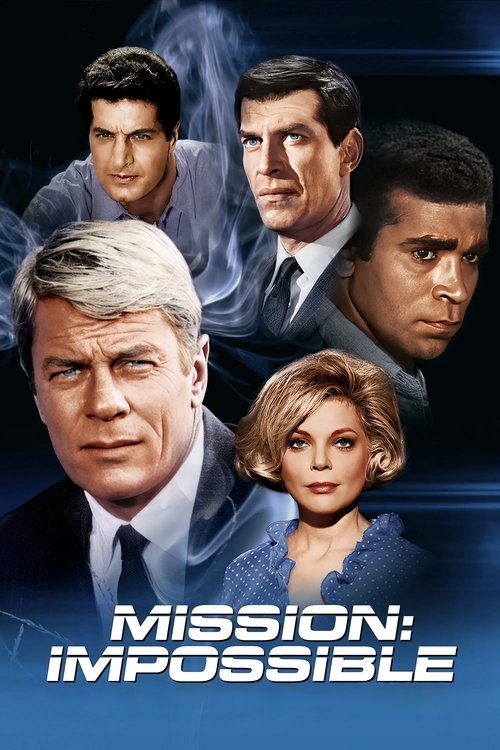
Mission: Impossible is an American television series that was created and initially produced by Bruce Geller. It chronicles the missions of a team of secret government agents known as the Impossible Missions Force. In the first season, the team is led by Dan Briggs, played by Steven Hill; Jim Phelps, played by Peter Graves, takes charge for the remaining seasons. A hallmark of the series shows Briggs or Phelps receiving his instructions on a recording that then self-destructs, followed by the theme music composed by Lalo Schifrin. The series aired on the CBS network from September 1966 to March 1973, then returned to television for two seasons on ABC, from 1988 to 1990, retaining only Graves in the cast. It later inspired a popular series of theatrical motion pictures starring Tom Cruise, beginning in 1996.

Mission: Impossible

1966Series
The Wild Wild West
7.6

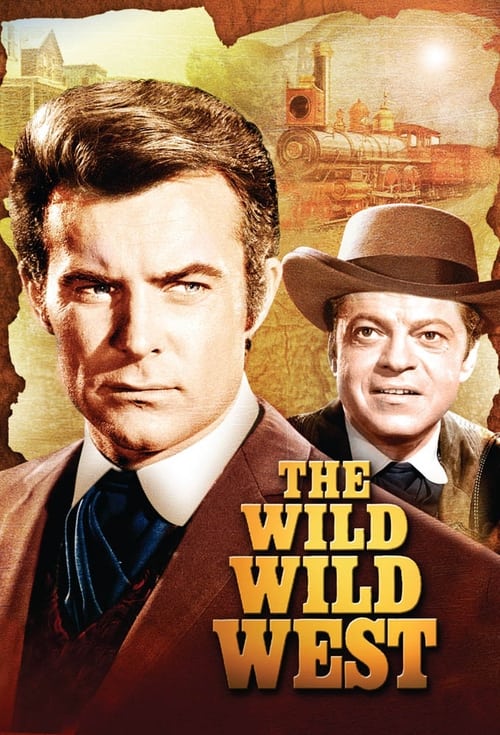
The Wild Wild West is an American television series. Developed at a time when the television western was losing ground to the spy genre, this show was conceived by its creator, Michael Garrison, as "James Bond on horseback." Set during the administration of President Ulysses Grant, the series followed Secret Service agents James West and Artemus Gordon as they solved crimes, protected the President, and foiled the plans of megalomaniacal villains to take over all or part of the United States. The show also featured a number of fantasy elements, such as the technologically advanced devices used by the agents and their adversaries. The combination of the Victorian era time-frame and the use of Verne-esque style technology have inspired some to give the show credit for the origins of the steam punk subculture.

The Wild Wild West

1965Series
Have Gun, Will Travel
7.3

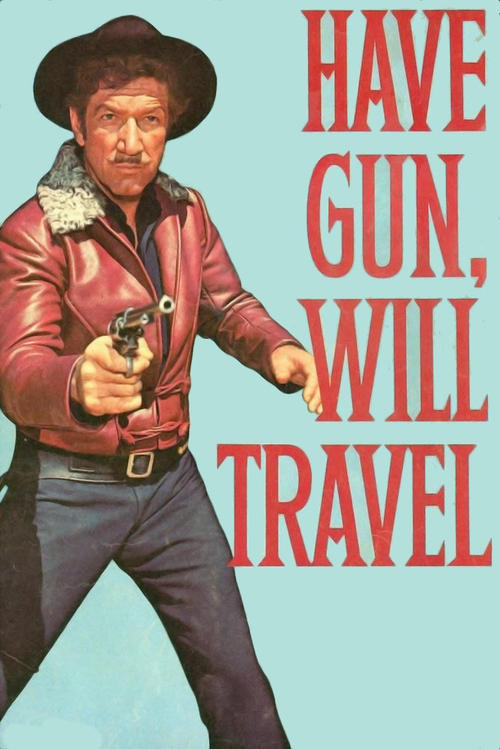
Have Gun – Will Travel is an American Western television series that aired on CBS from 1957 through 1963. It was rated number three or number four in the Nielsen ratings every year of its first four seasons. It was one of the few television shows to spawn a successful radio version. The radio series debuted November 23, 1958. The television show is presently shown on the Encore-Western channel. Have Gun – Will Travel was created by Sam Rolfe and Herb Meadow and produced by Frank Pierson, Don Ingalls, Robert Sparks, and Julian Claman. There were 225 episodes of the TV series, 24 written by Gene Roddenberry. Other contributors included Bruce Geller, Harry Julian Fink, Don Brinkley and Irving Wallace. Andrew McLaglen directed 101 episodes and 19 were directed by series star Richard Boone.

Have Gun, Will Travel

1957Series
Lawman
5.8

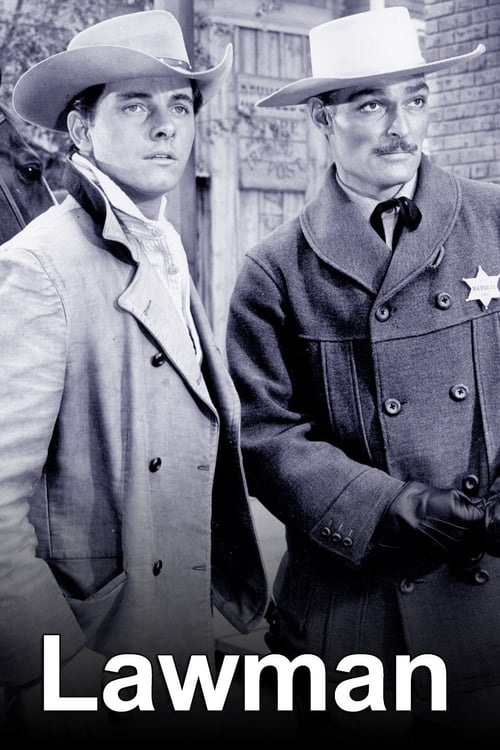
Lawman is an American western television series originally telecast on ABC from 1958 to 1962 starring John Russell as Marshal Dan Troop and featuring Peter Brown as Deputy Marshal Johnny McKay. The series was set in Laramie, Wyoming during 1879 and the 1880s. Warner Bros. already had several western series on the air at the time, having launched Cheyenne with Clint Walker as early as 1955. The studio continued the trend in 1957 with the additions of Maverick with James Garner and Jack Kelly, Colt .45 with Wayde Preston, and Sugarfoot with Will Hutchins. One year later, Warner Bros. added Lawman and Bronco with Ty Hardin. Prior to the beginning of production, Russell and Brown and producer Jules Schermer made a pact to maintain the quality of the series so that it would not be seen as "just another western." At the start of season two, Russell and Brown were joined by Peggie Castle as Lily Merrill, the owner of the Birdcage Saloon, and a love interest for Dan.

Lawman

1958Series
Four Star Playhouse
6.8

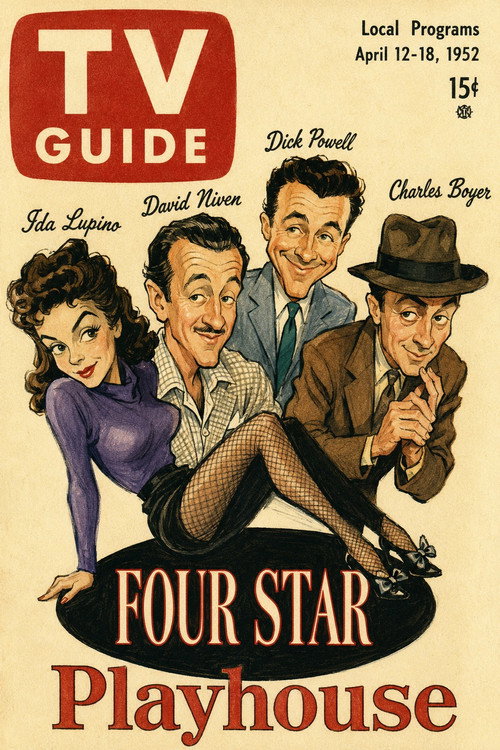
Four Star Playhouse is an American television anthology series that ran from 1952 to 1956, sponsored in its first bi-weekly season by The Singer Company; Bristol-Myers became an alternate sponsor when it became a weekly series in the fall of 1953. The original premise was that Charles Boyer, Ida Lupino, David Niven, and Dick Powell would take turns starring in episodes. However, several other performers took the lead from time to time, including Ronald Colman and Joan Fontaine. Blake Edwards was among the writers and directors who contributed to the series. Edwards created the recurring character of illegal gambling house operator Willie Dante for Dick Powell to play on this series. The character was later revamped and spun off in his own series starring Howard Duff, then-husband of Lupino. The pilot for Meet McGraw, starring Frank Lovejoy, aired here, as did another episode in which Lovejoy recreated his role of Chicago newspaper reporter Randy Stone, from the radio drama Nightbeat.

Four Star Playhouse

1952Series