FEEL IT.STREAM
Saturnin Fabre

Saturnin Fabre

Acting

Biography

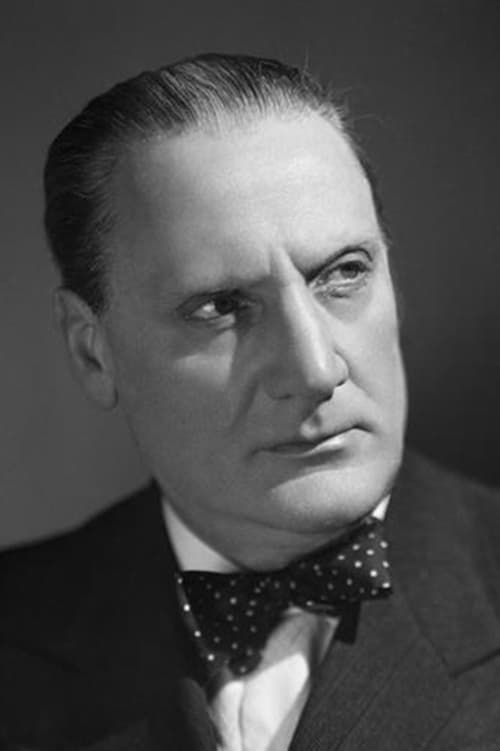
Saturnin Fabre, born April 4, 1884 in Sens (Yonne) and died October 24, 1961 in Montgeron (Essonne), is a French actor. His paternal family was from the south of France (Var and Bouches-du-Rhône). He lived in Deuil-la-Barre. He won a first prize at the Conservatoire and played dramas, boulevard comedies and operettas as well, setting himself up as the "thundering", out of phase phrasing, of French cinema. He approaches the silent cinema since 1911 with Albert Capellani to whom we owe since 1909 the first French feature film: L'Assommoir. In 1929, he switched to talking with The Road is Beautiful Robert Florey. Known for his strong personality, he is one of the most singular supporting roles of pre-war and post-war French cinema, in the tradition of Jean Tissier and Julien Carette. He occupies the screen with such a presence that he often forget the many turnips in which he participates. He is particularly remembered for his tremendous choppy voice and perfect diction. In the film Marie-Martine Albert Valentin, he addresses to Bernard Blier, who plays his nephew, his most famous replica: "Hold your candle right! ". It is said that at the third resumption of the repartee, it is the public who answered. He has played in almost 79 talking films, mostly comedies, under the direction of 57 different directors (mostly prestigious). In 1948, he signs, from the anagram Ninrutas Erbaf, perfectly wacky memories, under the title Scottish Shower. He was also a very good clarinetist, and the author of several songs and sketches he performed on stage early in his career. For the actress Danièle Delorme, "Saturnin Fabre was a hallucinated comedian". Still according to her, "It was a baroque actor, certainly, there was a grain of madness in him. But he was furiously intelligent, with great lucidity ... He embodied excess. " Saturnin Fabre died in 1961 in his property in Montgeron, overwhelmed by pulmonary edema. He is buried in the Carrières-sous-Poissy cemetery in the Yvelines. He never consoled himself for the death of his wife, Suzanne Marie Benoist, in 1957 with whom he was married on November 26, 1925 in Paris XVIII. The Cannes Film Festival paid him a late tribute, and posthumously, in 1962. From Wikipedia, the free encyclopedia. Description above from the Wikipedia article Saturnin Fabre, licensed under CC-BY-SA, full list of contributors on Wikipedia.
Known For

Si jeunesse savait...
9.0

Charles Vigne, a wealthy banker, frees Abdul, a good genius imprisoned in a vase. To thank him, Abdul grants his wish: to become a child again, while retaining the experience he has acquired. But the "disappearance" of the banker panics the financial markets and has disastrous consequences for the bank. Eventually, Charles Vigne will ask Abdul to give him back his real age.

Si jeunesse savait...

1948
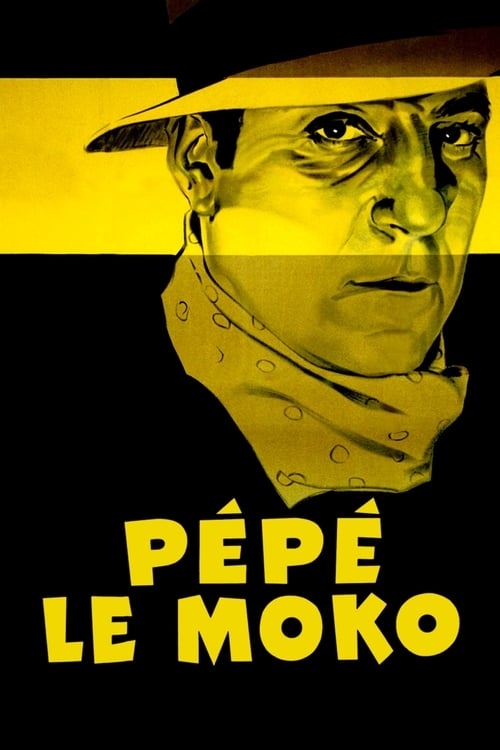
Pépé le Moko
7.2

Pépé le Moko, one of France's most wanted criminals, hides out in the Casbah section of Algiers. He knows police will be waiting for him if he tries to leave the city. When Pépé meets Gaby, a gorgeous woman from Paris who is lost in the Casbah, he falls for her.

Pépé le Moko

1937
Casanova
8.0

Talkie remake of a 1927 silent about the adventures of the notorious womaniser and venetian adventurer Chevalier Giacomo Casanova. Action starts in Venice and then the plot takes Casanova to France and Russia.

Casanova

1934
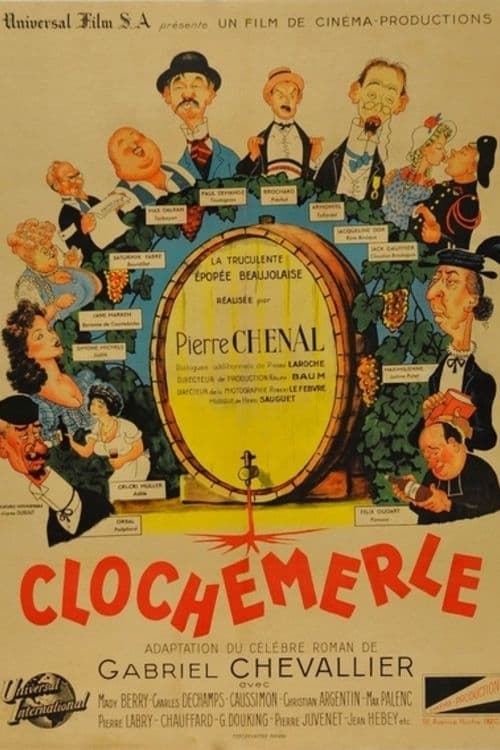
Scandals of Clochemerle
6.2

A little town erupts in turmoil about the construction of a public urinal. The army is sent in to restore order, but the military add to the confusion by getting involved with the local women.

Scandals of Clochemerle

1948
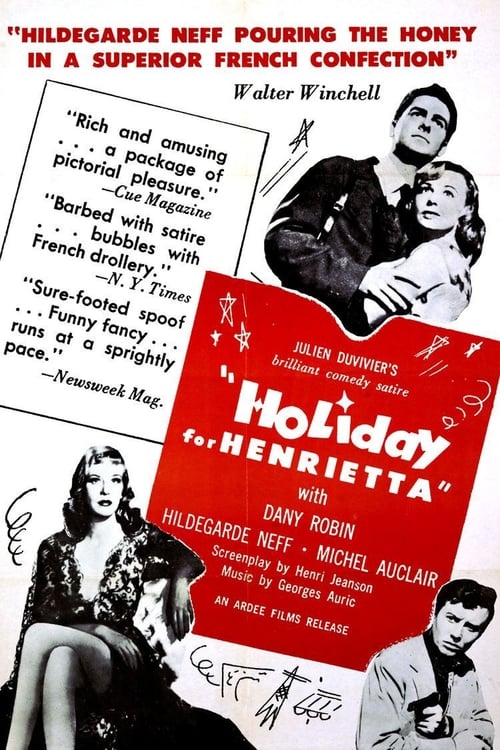
Holiday for Henrietta
7.2

Two scriptwriters argue about the fate of Henrietta, a charming and gamine shopgirl. One favors a comical path for their heroine, who is overcome with sentimental love for a young photographer on Bastille Day. The other has a more thrilling and dastardly fate in mind for her. Among the film's irresistible conceits is Hildegarde Neff as an oversexed circus bareback rider.

Holiday for Henrietta

1952
Désiré
6.8

Désiré is hired by Odette Cléry as a valet. She is the mistress of Félix Montignac, Minister of Posts, Telegraphs and Telephones. Désiré is assisted by Adèle, the cook, and Madeleine, ‘Madame’s’ maid. The summer holidays take this little group to Deauville, to a holiday villa. But here’s the thing, Désiré is a man whose appearance, self-assurance and profession—which is, in fact, hereditary—are not entirely in keeping with his tastes and mindset. As the son, grandson and great-grandson of a servant, he derives genuine pleasure from obeying—and indeed, Désiré says so himself: ‘Serving is a marvellous thing. It means having the right to be without a will...’ But, alas! Every coin has two sides, and his only real taste lies in his mistresses. Adapted from the play of the same name by Sacha Guitry, premiered at the Théâtre Édouard VII (Théâtre de Sacha Guitry) in Paris’s 9th arrondissement on 27 April 1927.

Désiré

1937
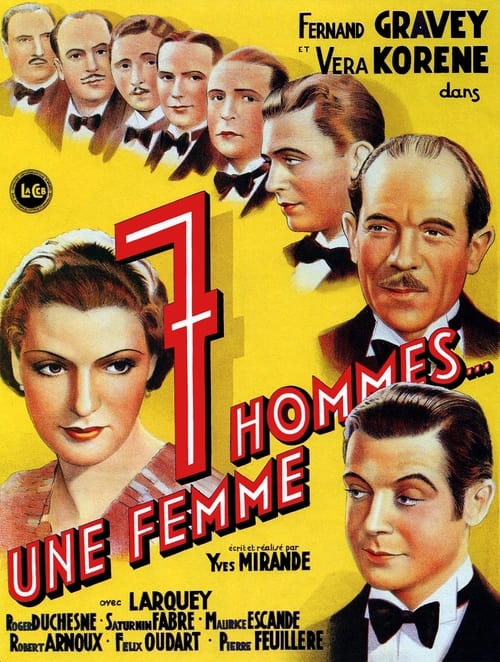
Seven Men, One Woman
6.8

At the urging of her childhood friend Brémontier, Lucie de Kéradec, a wealthy widowed countess who wishes to remarry, invites all of her seven suitors to her mansion. Her untold intention is to test them by claiming to be ruined. The experience is a success in that each of the potential husbands reveals his inner nature but a failure when it comes to finding a new life partner. None of the guests passes the test except - the eighth man, namely Brémontier who loved Lucie in secret but, being penniless, had not dared declare his flame to her.

Seven Men, One Woman

1936
Miquette
5.4

A provincial ingenue leaves her mother’s tobacco shop with dreams of a life in the Parisian theater, only to become entangled in relationships with a lecherous aristocrat, his starry-eyed nephew, and an old ham actor.

Miquette

1950
Nine Bachelors
6.5

Nine Bachelors is a 1939 French comedy film directed by Sacha Guitry and starring Guitry, Max Dearly and Elvire Popesco.[1] An opportunist dreams up a new scheme to make money when the French government passes a law forbidding foreigners from living in France. It's French title is Ils étaient neuf célibataires.

Nine Bachelors

1939
The Free Trade Hotel
7.0

There's never a dull moment at the Hôtel du Libre Echange. Deceptions, hitches and other misunderstandings make a few people mingle whereas, for their own sake, they should not. An example among others: an expert who has come to the hotel for professional reasons had better not meet his wife, who is there to cheat on him with his best friend.

The Free Trade Hotel

1934
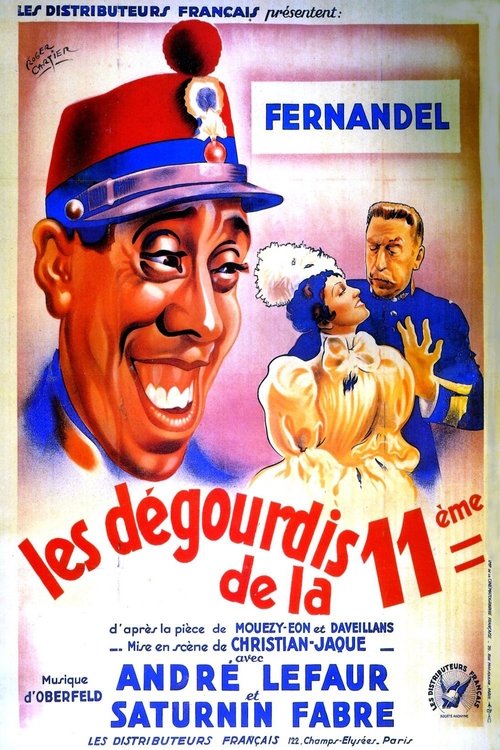
The Smart People of the 11th
5.5

A colonel decided to be represented at the regiment festival of a tragedy in verse by the poem written by his sister.

The Smart People of the 11th

1937
We Found a Naked Woman
5.7

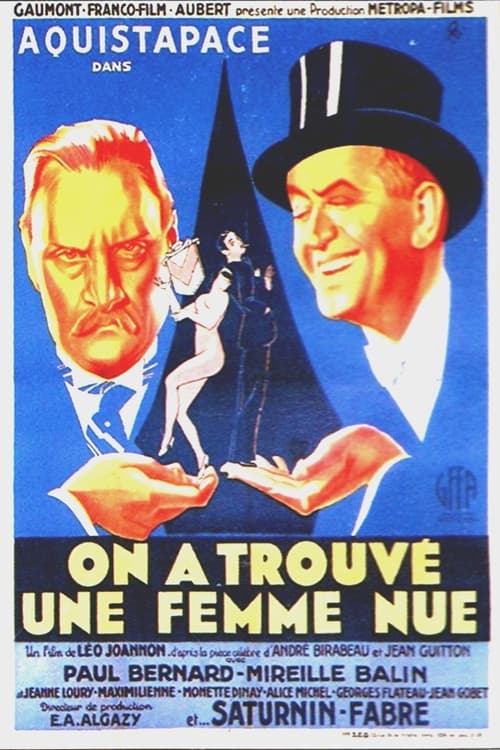
A young aristocrat whose ruined father decided to marry her spends one last night as a bachelor at the boarding school ball. But there, cheerful students strip her of her clothes and she finds refuge precisely with her future husband whom she did not know. Of course, the marriage that was so repugnant to them fills them with joy.

We Found a Naked Woman

1934
Le Roman d'un jeune homme pauvre
6.8

Maxime de Champcey, a bankrupt marquis, is hired by the wealthy Laroque and falls for his daughter Marguerite. She loves him too but rejects him under the belief he's a fortune hunter.

Le Roman d'un jeune homme pauvre

1935
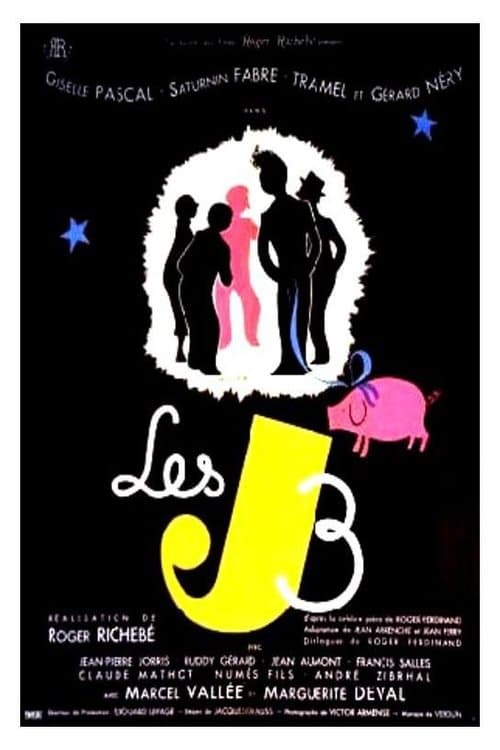
The J3
8.0

During the Second World War, in occupied Paris, a group of high school students is more active at selling cigarettes and silk stockings than at studying. But the day a new philosophy teacher takes charge of their class, things begin to change. It must be said that Mademoiselle Bravard is not only a gifted educator but a charming young woman as well. Thanks to her, all the students end up passing their finals.

The J3

1946
It's the Paris Life
4.1

In 1906, Viscount Paul de Barfleur fell in love with Cri-Cri delagrange, a singer at the cabaret "La vie parisienne". But the young man's father separated the lovers, who then married, each on his own... Forty-seven years later, in 1953, Cri-Cri and Paul's respective granddaughter and grandson meet by chance and fall in love with each other. The girl's father disapproves of the affair and is about to put an end to it. But the old Vicomte de Barfleur, who has never been consoled by not marrying Cri-Cri, intervenes in time to save the couple's happiness.

It's the Paris Life

1954
Lunegarde
4.5

A drifting woman hangs out in the suburbs of Marseille. A young engineer picks her up drunk and takes her to the hospital. He does not know then that it is the Countess Armance de Lunegarde, driven from her home and performing as a gummy in third-rate music halls.

Lunegarde

1946
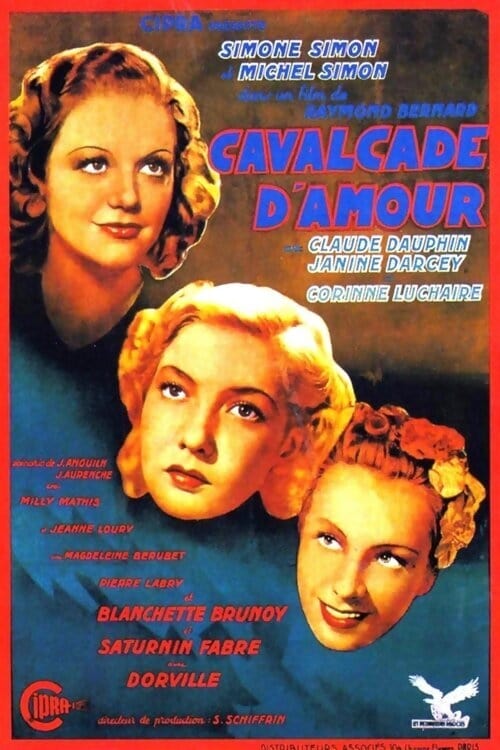
Cavalcade of Love
5.8

Cavalcade D'Amour is divided into three sections, each depicting a romance occurring within the walls of the Chateau de Champs. Legend has it that whoever marries in the Chateau is doomed to an unhappy life. This proves to be the case in 1639 and 1839, but the heroine of the 1939 segment, Corinne Luchaire, is determined to break the jinx. She is convinced that she will prove an unsuitable bride for Claude Dauphin, and he is likewise convinced that he will turn out to be an inadequate groom. But the couple's respective families will not be dissuaded, and the marriage takes place as scheduled? with unexpectedly happy results!

Cavalcade of Love

1939
Fantastic Night
6.1

Denis, a poor student in philosophy, works as a night porter in the Paris market of Les Halles in order to pay for his studies. Constantly weary, he falls asleep and dreams of a beautiful girl in white, Irène, with whom he falls in love.

Fantastic Night

1942
The Most Wanted Man
5.9

A nearsighted clerk gets fired after embarrassing mishaps. He mistakenly takes a gangster's raincoat, finds a gun inside, and is arrested as Public Enemy No. 1. Chaos erupts as both the police and the mob pursue him.

The Most Wanted Man

1953
No image
7.3

Mireille, a Frenchwoman, marries a westernized Turkish diplomat and, thinking that she will live a dream life in an Arabian Nights setting, follows him back to his native country, only to discover that, in a staunchly traditional society, she will not be a free woman there any longer.

Pasha's Wives

1939