Rafael Castanedo
Editing
Biography
Rafael Castanedo was born on November 28, 1942 in Salvatierra, Guanajuato, Mexico. He was an editor and director, known for Jubileo (1979), Don Hermenegildo y Joaquina (1985) and Quien resulte responsable (1971). He died on April 14, 2000 in Mexico, D.F., Mexico.
Known For

Driven by desire and desperate for self-love, Coral and Nicolás will abandon their past lives in a journey surrounded by murder.
Deep Crimson

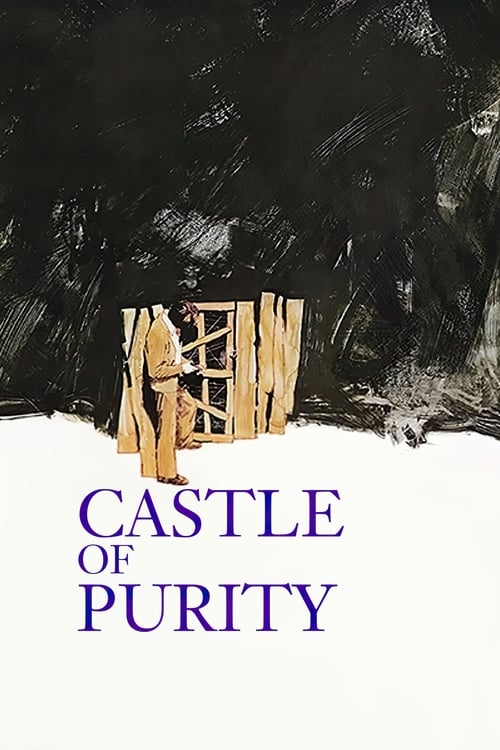
A disciplined and sexually driven man forces his family to stay isolated in their home in order to protect them from the “evil nature” of human beings.
Castle of Purity

Nearly thirty years after making his surrealist La Formula Secreta, director Rubén Gámez returned to filmmaking with this impressionistic portrait of modern-day Mexico. Reminiscent in some ways of Godfrey Reggio’s Koyaanisqatsi, Tequila appears to be a cinematic extension of Mexico’s muralist tradition, a contemporary equivalent of Diego Rivera or David Alfaro Siqueiros with vignettes, quick ideas, visual puns, cartoons, and political statements.
Tequila

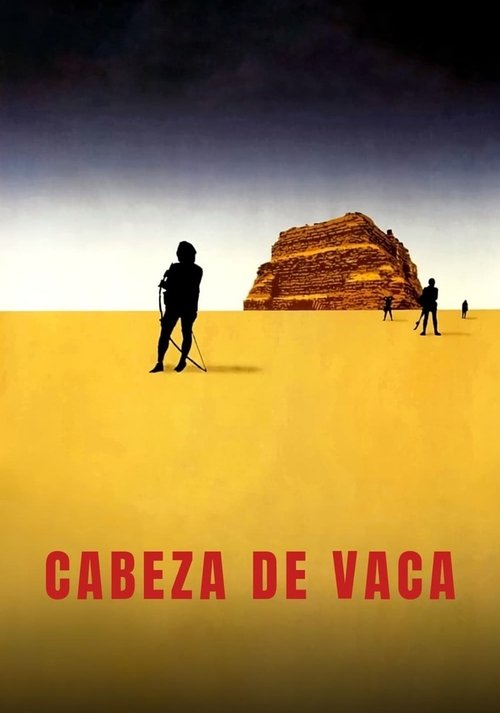
In 1528, a Spanish expedition flounders off the coast of Florida with 600 lives lost. One survivor, Alvar Nunez Cabeza de Vaca, roams across the American continent searching for his Spanish comrades. Instead, he discovers the Iguase, an ancient Indian tribe. Over the next eight years, Cabeza de Vaca learns their mystical and mysterious culture, becoming a healer and a leader. But soon this New World collides with the Old World as Spanish conquistadors seek to enslave the Indians, and Cabeza de Vaca must confront his own people and his past.
Cabeza de Vaca

Documentary about the XIX Olympic Games in Mexico City in 1968. Preserved by the Academy Film Archive in partnership with Sony Pictures Entertainment in 1999.
The Olympics in Mexico

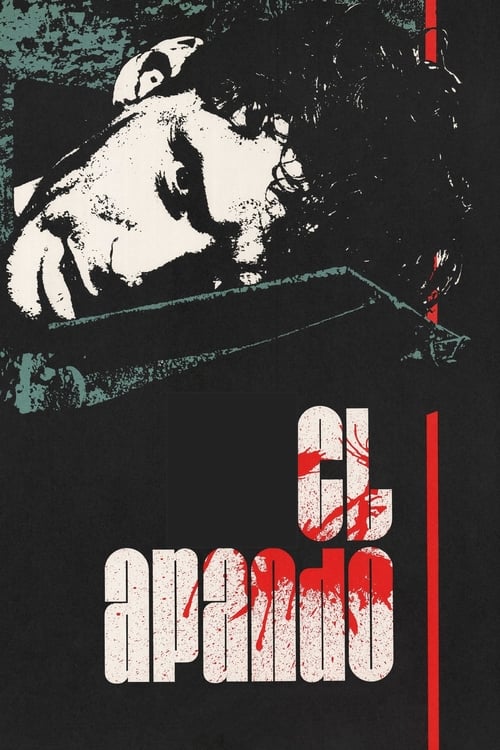
In Mexico City's infamous Lecumberri prison, three drug-addicted convicts celebrate getting drugs from one of their the mothers. They are found out and locked up in the "apando," the dreaded punishment cell. Protests over the treatment of those held in the cell lead to a bloody confrontation.
The Heist

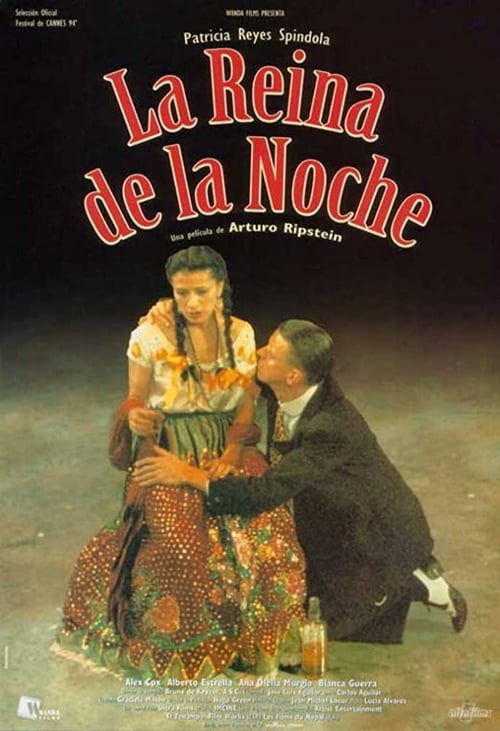
The legendary life of Mexican singer Lucha Reyes is the basis of this fictionalized biography ( or as director Arturo Ripstein puts it "an imaginary biography"). Lucha Reyes was an unconventional, and sexually liberated woman, most famous for her "cancion ranchera" style singing. Her story begins in 1939, where at 33 she still lived at home with her mother, Dona Victora, the madame of a renowned Mexico City whorehouse. Lucha marries the liberal Pedro Calderon and then buys a beggar's daughter. She becomes the mother to this child, Luzma. Lucha craves lasting love like junkies crave heroin. But for her loyal daughter, she never finds it and in the end no one can help her.
The Queen of the Night

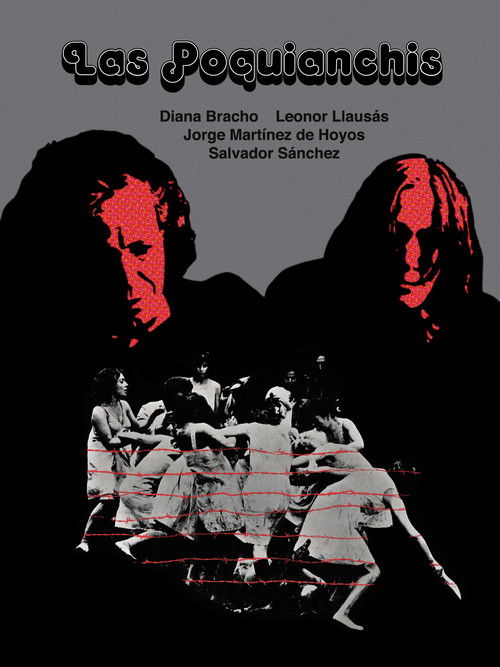
Three sisters run brothels protected by the authorities, abuse and prostitute young women under the false pretense of employing them as servants.
Las Poquianchis

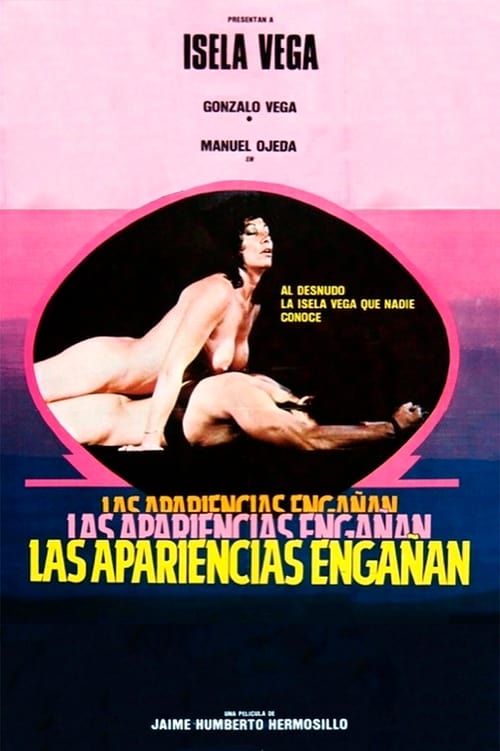
The sexual misunderstandings caused by the real identity of a rich woman serve Hermosillo to satirize the moral and social hypocrisy of the provincial that every Mexican carries inside.
Deceitful Appearances

A gritty musical drama about life in the ghettos of Mexico City during the 1980s. With a soundtrack of Mexican rock music, the camera takes the viewer through the streets, to rock concerts, and to the bars and clubs, where he exposes the hunger, repression, unhealthy conditions and violence in the marginal communities of Mexico's capital city.
What Do You Think?

This film is a chronicle of painter Frida Kahlo, and her encounter with the personalities of her time. Despite being confied to a wheelchair as a result of polio, operations and amputations, she faces and traces some of the most colorful and controversial aspects of Mexican history, during the dominant time of Mexican muralism.
Frida Still Life

A series of images, music and sounds which transport through Mexico's history, without any narrative sequence. The film spins constantly round the question 'Where are the singers from?'
Baroque

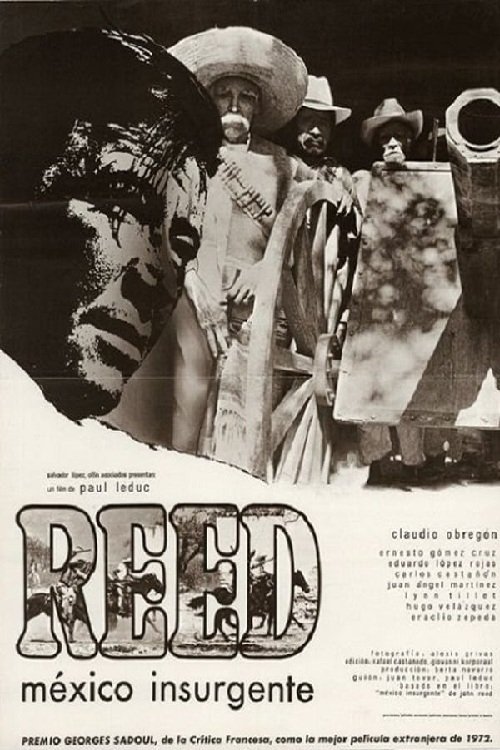
A dramatization of John Reed's newspaper accounts of the Mexican Revolution. Considered the first real film in Mexican cinema to be made on the Mexican Revolution.
Reed: Insurgent Mexico

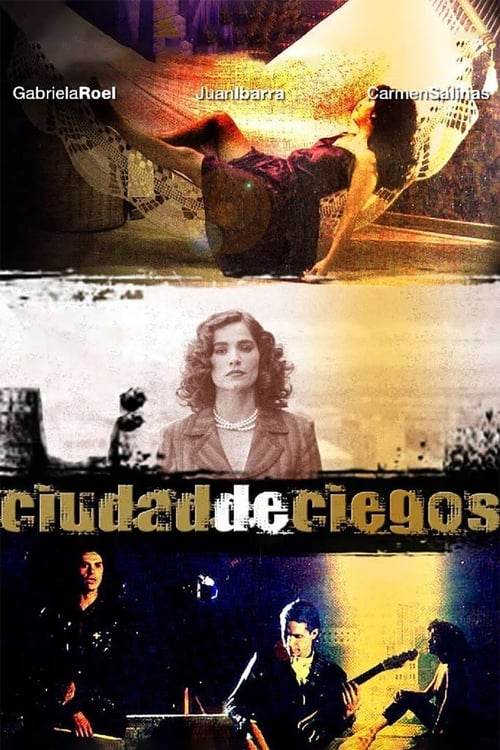
Over more than thirty years, a department of the Condesa in Mexico City, is the setting in which they are carried out ten stories, mixed, form one whose only constant is the rupture. The passage of time and the outside world only guess through the windows and objects that come with the characters. The set is a great solitude, possible in a city of the blind.
City of the Blind

A gunfighter is appointed sheriff of a town that is terrorized by a gang of criminals.
Cinco mil dolares de recompensa

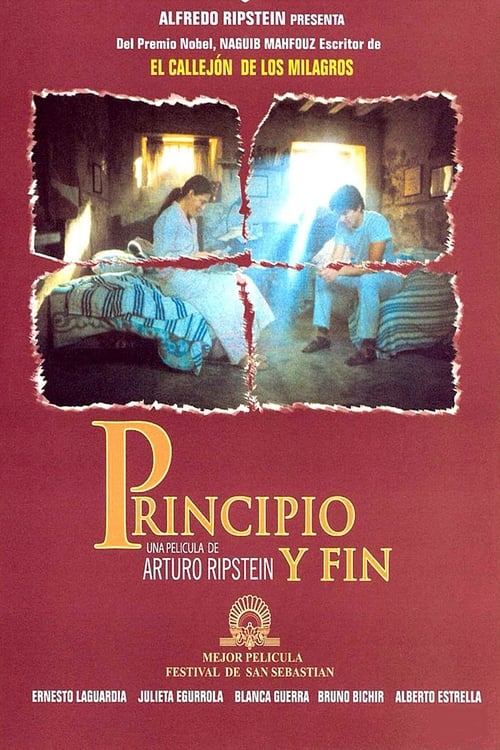
The film tells the story of the Boteros, a middle-class Mexican family struggling against poverty after their father's death. Ignacia (Egurrola) is the Boteros mother, a desperate woman who chooses to sacrifice the destiny of her three older children, in order to protect Gabriel (Laguardia) the youngest one. She believes Gabriel will climb the social structure and bring back the lost fortune to the family. But destiny has other plans for the Boteros and tragedy will overcome eventually. Based on the novel of Nobel Prize winner Naguib Mahfouz.
The Beginning and the End

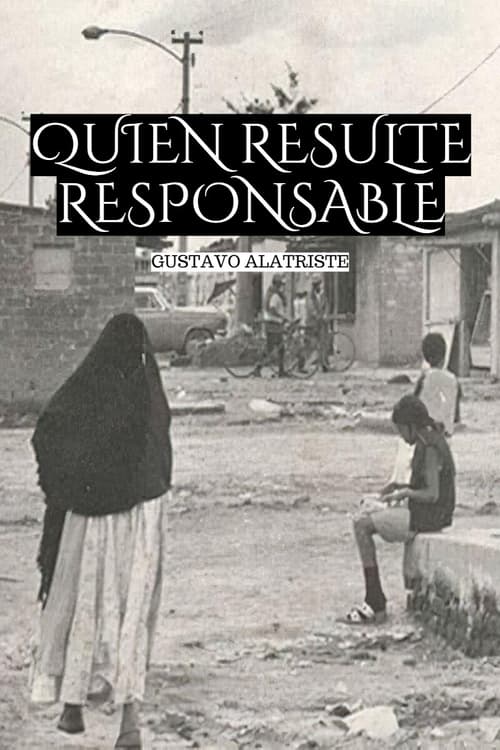
Documentary about the founding of Ciudad Nezahualcóyotl on the outskirts of Mexico City in the sixties.
Whoever is Responsible

Inspired by the social changes that the Revolution brought to our country and the admiration he felt for Mexican art, the Russian filmmaker Sergei M. Eisenstein traveled to Mexico with the intention of filming a film mosaic that culminated in the most beautiful non-existent film. The details of this odyssey are exposed in this episode of the classic television series Those Who Made Our Cinema.
Eisenstein en México

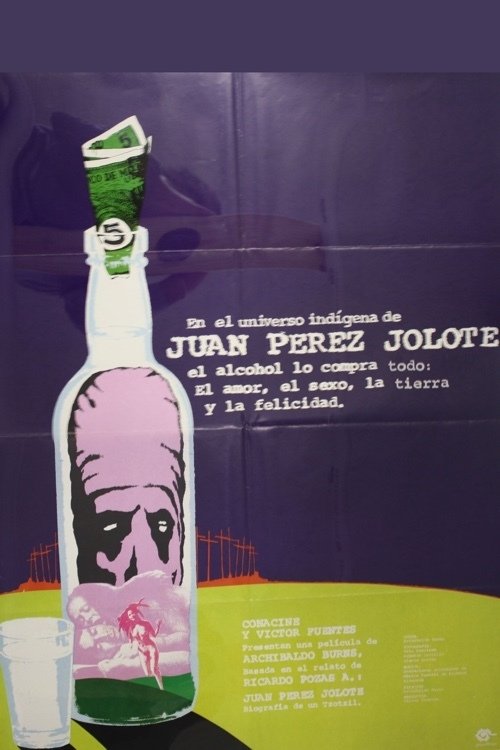
The story of a Tzotzil man who goes from his village of Chamula outside of San Cristobal de las Casas Chiapas, Mexico and joins the Mexican army. When he returns to Chamula later, he finds he has become an outsider. From the novel by Ricardo Pozas.
Juan, the Chamula

Friends of Luis Buñuel discuss the director while Buñuel mixes drinks and entertains friends in his home.