Directing
Brava Gente was a television series aired by TV Globo in Brazil between 2000 and 2003, initially as a special year-end. The program was adapted from stories and national stories, and plays by famous playwrights, screenwriters and signed by a number represented by several actors and actresses. The genres of the stories varied each week with the style of each director or author. Brava Gente in the stories ranged from comedies and dramas. In all 53 episodes were shown, broadcast on Tuesday nights.
Julius is a photographer working as a men's magazine photo retoucher. His wife, Marcia, is a criminal lawyer who defends Teodoro, a squatter accused of murder. For years they had a quiet wedlock. However, Marcia gets involved with her client, and as revenge, Julius sleeps with Ana Maria, a friend of their daughter Guida. From this episode on, their lives are no longer the same.
Raised in a conservative home, Engraçadinha challenges taboos and forbidden passions over two decades. Between desires, guilt and secrets, she lives intensely her loves and her sins.
Maria Moura loses her father in childhood and at the age of 17 finds her mother dead at home. Believing her stepfather to be the killer, Maria seeks revenge for her mother's death.
Two teenagers, Vera Lúcia and Beto, run through the forest, full of expectation, enthusiasm and fear. She seductively invites him to swim in the river. Beto has to choose between going into the water and staying with Vera Lúcia. Many years later, Roberto spends the day at the foot of a waterfall with his wife, and confronts the results of his choices.
The production portrays the dramas, neuroses, and everyday situations of the Brazilian middle class with humor, irony, and a light touch. Each episode presents a standalone story revolving around domestic life, romantic relationships, quirks, and family conflicts.
Ramiro is a 40-year-old lawyer and university professor who returns to Brazil after eight years of exile in France as a result of the military dictatorship. Recently separated from Dora, he meets Elisa, the youngest daughter of a couple of friends of his parents, who will turn his life upside down.
No description available.
At 24, our hero is a trained journalist but has a much simpler job. His flat full of discs, movies, and books, but he has trouble socializing. This situation can't last long.
The film tells the story of a man who was born in 1959 and died in 2070, told by people who knew him and somehow contributed to his trajectory.
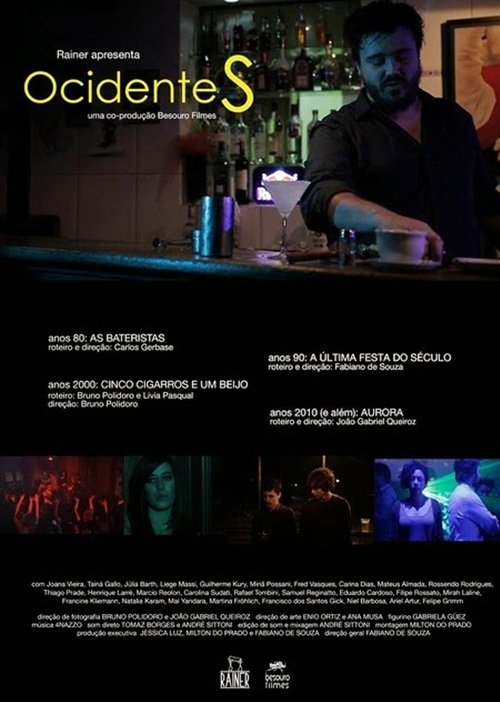
In the 1970s, in the midst of political repression and the ideology of the "Brazilian miracle", a group of teenagers live their daily concerns: the future, nights full of dancing, dating fights, conflicts with their parents. For three days they live their green years, a little more than a dream.
After her boyfriend's death, a successful executive finds some unfinished scripts in the dead man's computer, and decides to make a film of them. Her relationship with the world of movie-making is going to change her life.
Sissi, the young daughter of an unemployed widower, struggles to support her family, while dreams of sharing an apartment with her boyfriend, a soccer player. Martina, who has a more stable financial situation, struggles to be desired again by her adman husband, or by whoever is around. Giane has already changed her life, and can influence Sissi's future. According to Professor Valadares, these three women are only trying to satiate their most basic appetites: Food, Sex, and Fasma.
Between a desperate love, the kind that ends up with the dishes on the floor, and a romantic passion, the kind that seems like it will never end, a supermarket goer has a temporary affair with the girl at the checkout.
In Rio Grande do Sul, the newcomer intern Paula sees the schizophrenic Dante Becker and she decides to study his case for her graduation work in the university. She learns that Dante was left in the institution ten years ago and has been abandoned by his family, friends and even the doctors and his files are lost. Her supervisor retrieves the name of Dante's father Gregório and the women Renê Heller and Berenice that had visited him in the past and she interviews them to discover what happened with Dante.
December 11, 1983: this date sticks in the memory of the Grêmio supporters. With a spectacular performance by Renato Portaluppi, and a team that had as much strength as talent, Grêmio defeated the mighty Hamburger SV, the Champion's League winner, and was crowned world champion. In 1983 - O ANO AZUL, the responsibles of this achievement count each step of the long road to the title, which began with the conquest of the Copa Libertadores da América.
A fifteen-year-old girl is beaten by her father and seeks shelter at a friend's house. Between tears and sobs, she watches her friend's father. He feels sorry for a child, but she is a woman. Tonight, they will have to discover the difference between passion and compassion.
A typical criminal. A typical taxi driver. A typical route through the night of Porto Alegre, from the bus station to a deserted street. But at the time of the crime, the driver doesn’t react as he should. Meanwhile, on TV, Brazilian Minister of Justice make a speech against violence.