Directing
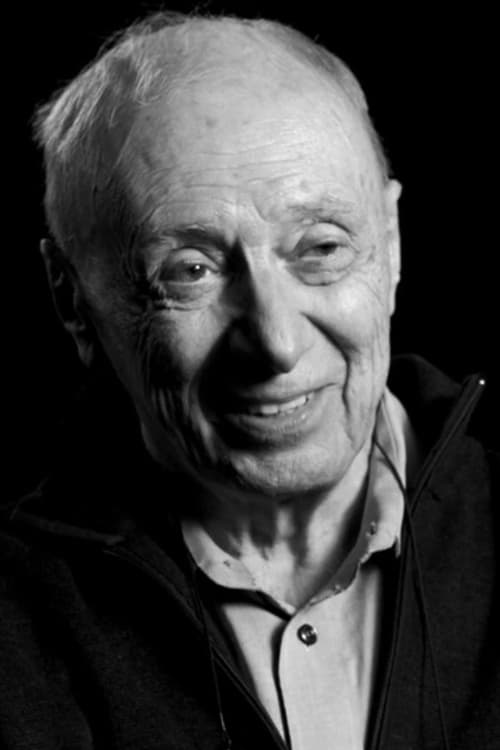
Fernand Dansereau (born April 5, 1928) is a Québécois film director, writer and film producer.
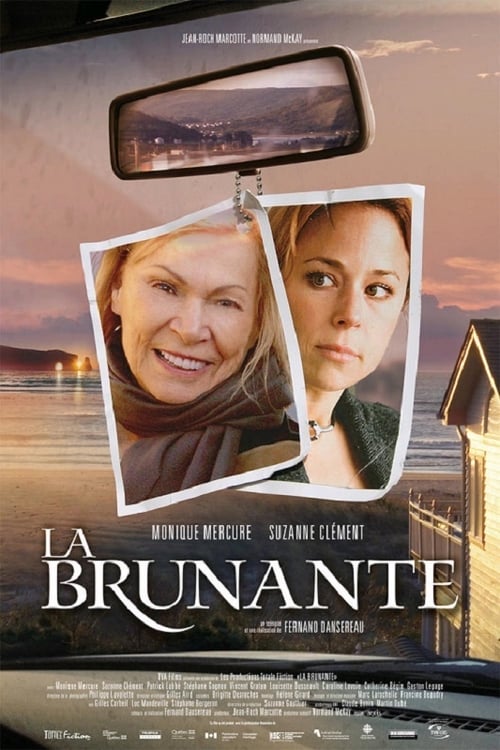
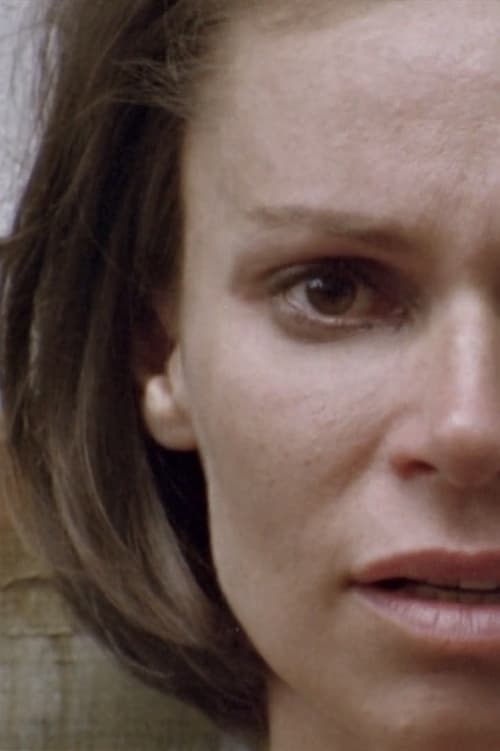
When Madeleine is diagnosed with Alzheimers, she makes two important decisions. One is to keep it from her family. The other is to revisit her beloved Gaspésie and relive, for one last time, the memories this evokes. Encountering Zoë, an emotionally disturbed young musician, Madeleine asks her to be her driver for the trip.
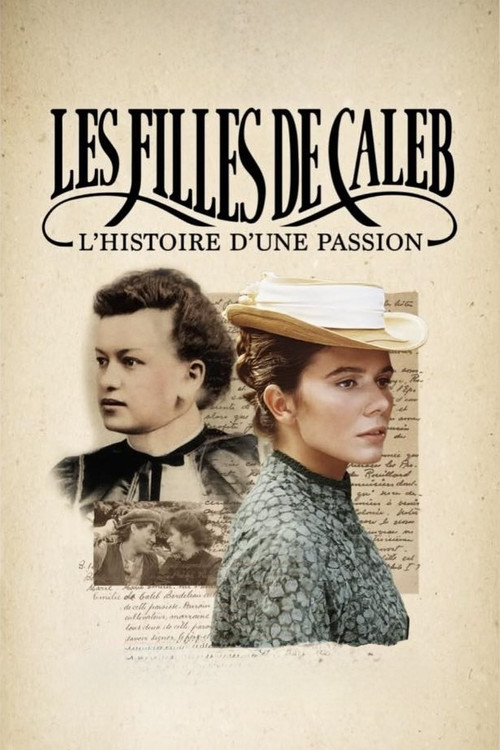
In a brand-new documentary, the actress who portrayed the unforgettable Émilie Bordeleau revisits her memories of filming and analyzes the cultural legacy of this cult saga. By exploring the timeless power of its characters, she testifies to the major impact this work has had on the collective imagination and on the history of Québec television.
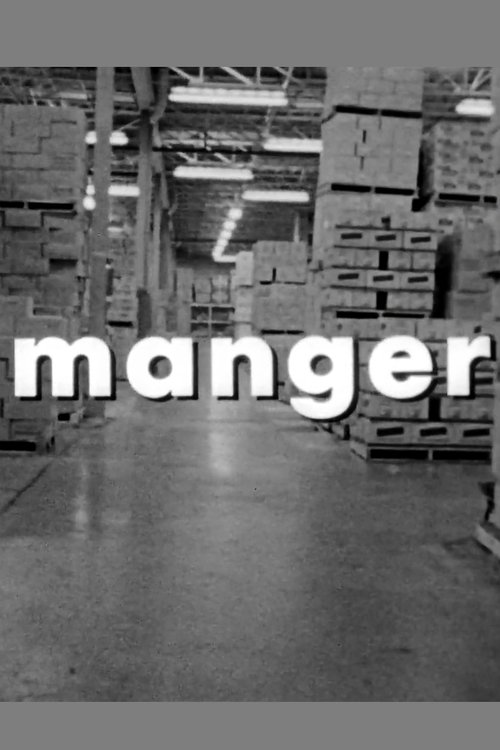
This documentary explores the economic, sociological, and cultural aspects of food systems and consumption in a major city, focusing on the disconnect between food production and consumption.
No description available.
This short documentary shows the reactions of European immigrants as they land in Halifax at the beginning of the 1960s. From the port, we follow them on a snowy journey by train to Montreal.
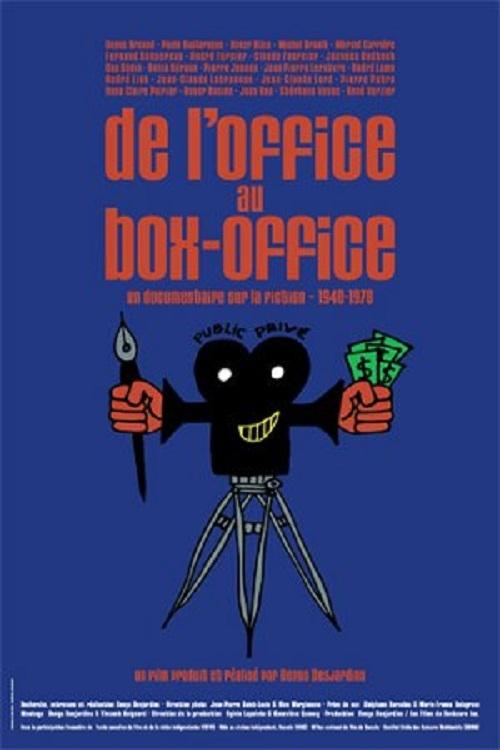
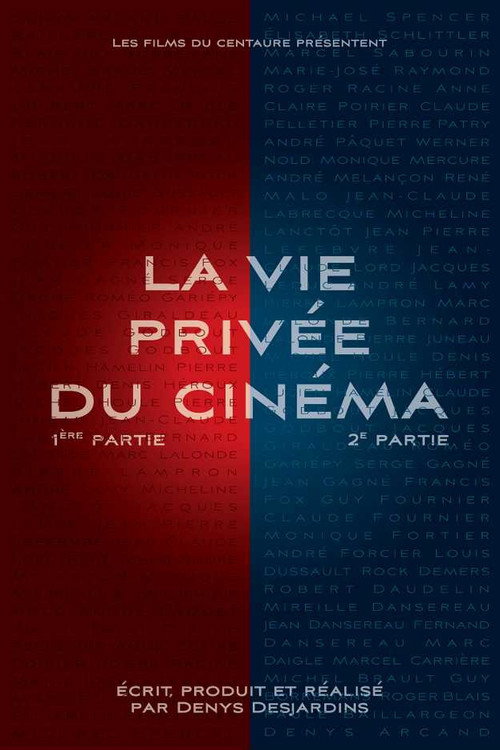
A two-part in-depth exploration of the evolution of the private film industry, seen through the eyes of more than 50 industry professionals. Part One (1939-1979) : Artists and professionals from the social and commercial film sectors recount the struggle to build a film industry that is privately operated yet publicly funded. Part Two (1980-2010) : Executives, policymakers, and industry professionals trace the origins of the major funding institutions and discuss the unintended consequences of building a cultural industry around performance metrics, revenue generation, and private profit.
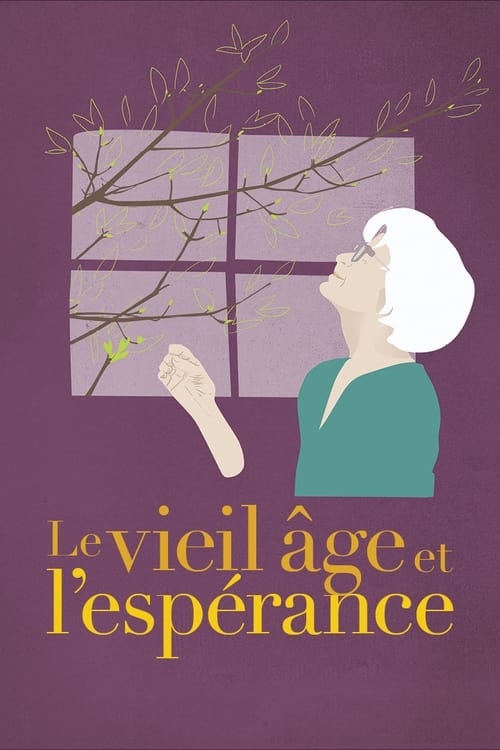
When old age imposes physical and sometimes mental decay, is there a way to maintain a hopeful attitude towards life and its mysteries? This is the question that the documentary 'Le vieil âge et l'espérance' project aims to confront not only specialists such as geriatricians, gerontologists, psychologists and philosophers, but first and foremost the lived experience of the elderly.
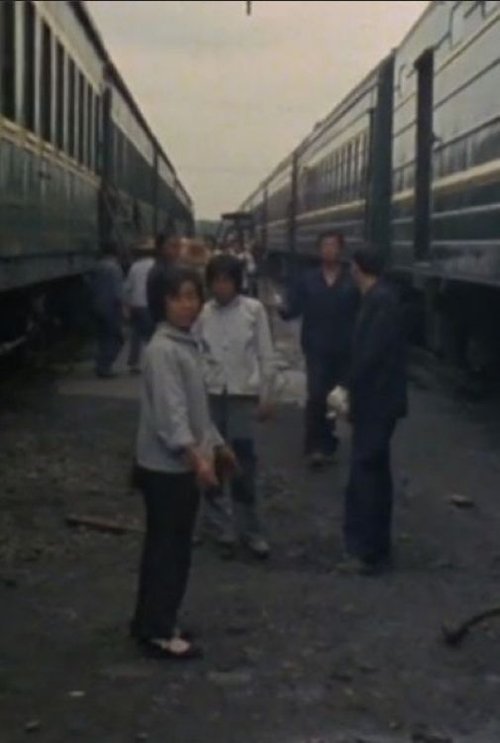
This documentary takes us on a journey of discovery of China through the eyes of the employees on the train that runs between Wuchang and Beijing. We join the team of young women responsible for the well-being of passengers, and share their daily life in all its playfulness and serenity, even if discipline is omnipresent. Behind every word, every look, a new being to get to know.
This feature documentary zooms in on a Grade 6 class in Quebec where a teacher is implementing an experimental teaching method aimed at preparing children to take up environmental challenges. Over the course of a year, Dominique Leduc’s students will learn to identify, analyze and resolve a problem that exists in their world. They also learn about the uncertainty faced by those who want change.
Ethnologist Marius Barbeau introduces us to indigenous mythology. Masks, dances, songs, and totems are used to give the audience a highly suggestive representation of the "biblical" history (Mr. Barbeau's word) of Indigenous tribes.
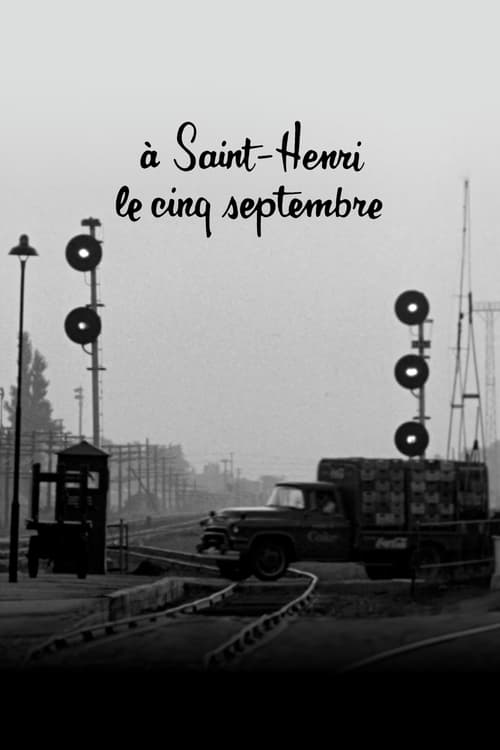
This short film is a series of vignettes of life in Saint-Henri, a Montreal working-class district, on the first day of school. From dawn to midnight, we take in the neighbourhood’s pulse: a mother fussing over children, a father's enforced idleness, teenage boys clowning, young lovers dallying - the unposed quality of daily life.
Idle hours at a summer cottage, when her husband is at work and the children busy at play, give a wife time to dream a little and reflect on her life and her marriage. Is it enough? What else might she have made of herself? But then her husband returns and she opts for things as they are. A relaxed drama that has much of the mood of a summer outdoors.
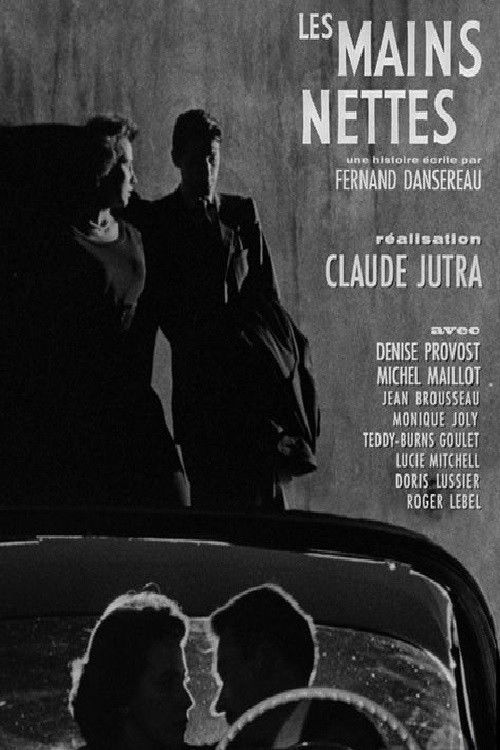
An efficiency expert is called in to downsize a trucking company and the employees fight to establish a union to save their jobs.
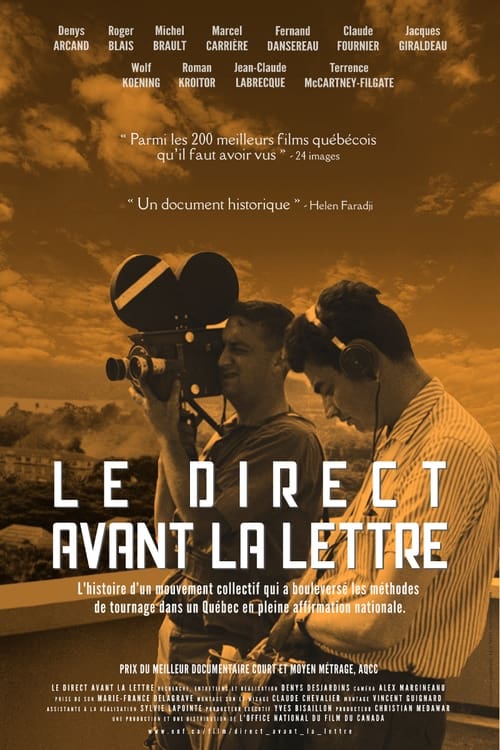
Thanks to the development of techniques and the adventurous spirit of pioneering filmmakers, among whom Michel Brault occupies a central place, a new way of making cinema was born at the turn of the 1950s and 1960s. This film relevantly retraces the history of a collective movement which revolutionized production and filming methods in Quebec and the world.
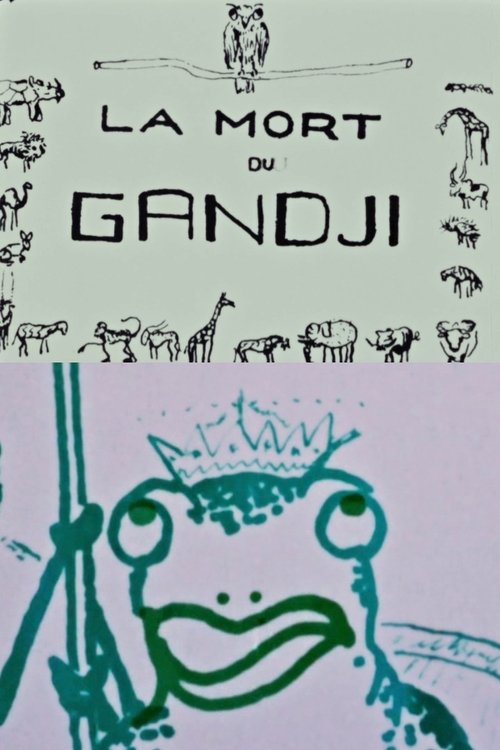
An animated film made with humor and tenderness whose action takes place in a small village in the African bush.
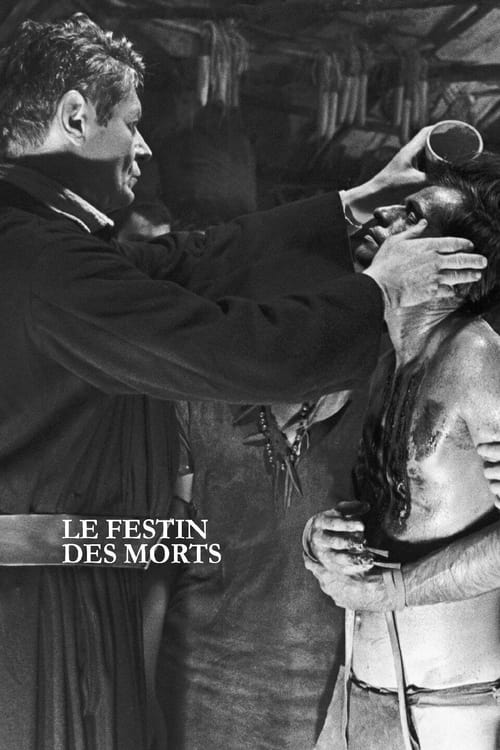
A young Jesuit missionary reflects on his life and his faith while awaiting his execution at the hands of the Native Americans he came to convert. Winner of the 1966 Canadian Film Awards best feature film award.
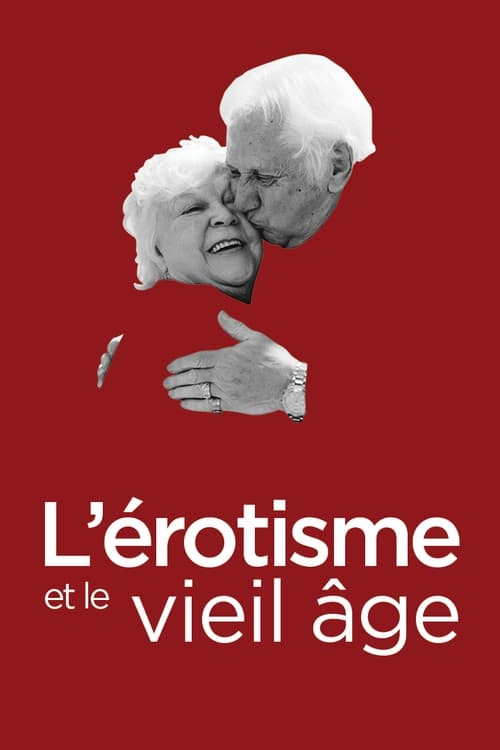
The director deals with the subject of the sexuality of older people, an often taboo subject. The actress Louise Portal and her partner Jacques Hébert participated in this documentary. They share their experience with us.
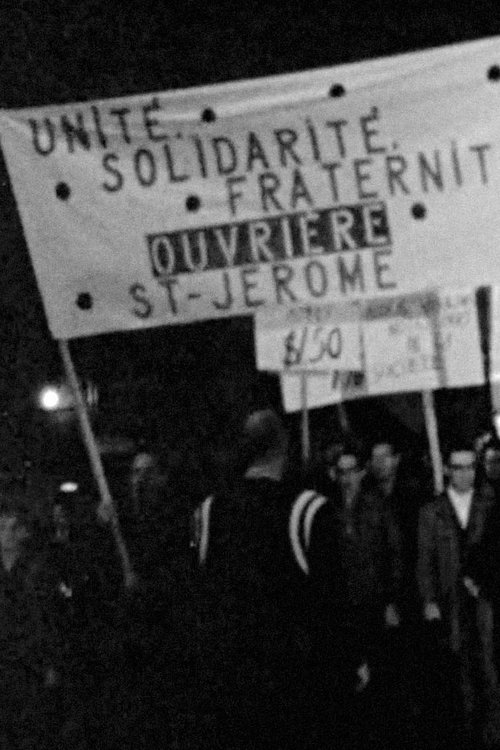
This socially-driven film explores the impact of technological changes on the city of Saint-Jérôme, which faced a severe socio-economic crisis in the 1960s, mirroring issues in other Quebec cities. Citizens from all social classes come together in a monumental effort to address the crisis. The film serves as both a reflection of this situation and a catalyst for action, acting as a mediation tool between technology and those affected, and facilitating participation in the reorganization of society.