Acting
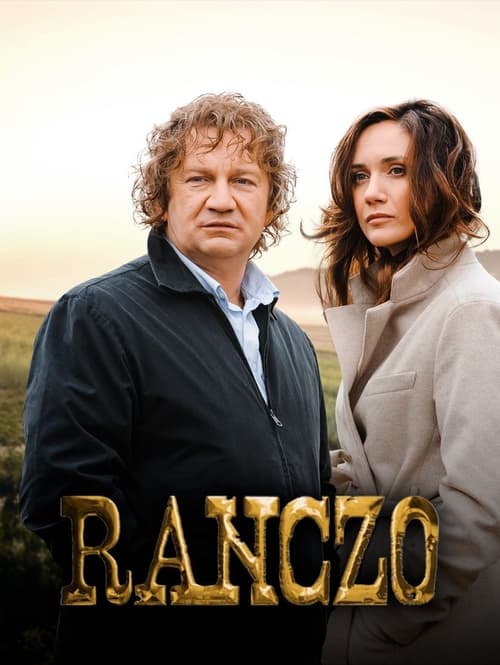
Ranczo ["Ranch"] is a Polish television comedy series, directed by Wojciech Adamczyk, that has aired since March 2006 on TVP1. It follows the story of Lucy Wilska, a Polish-American who has inherited her grandmother's country home in the fictional small town of Wilkowyje. She arrives in Wilkowyje intent on selling the cottage but, after seeing the charm of the village, decides to stay.
Jakub, who is dominated by his mother, invites a healer to his home.
The story of Stanisław Wokulski, a wealthy merchant who falls in love with a haughty aristocrat, Izabela Łęcka. Causing a misalliance in the late nineteenth century Warsaw. Young Wokulski is forced to work as a waiter, while dreaming of a life in science. After taking part in the failed uprising, he is sentenced to exile in Siberia. Upon return to Warsaw, he becomes a salesman. Marrying the late shop owner's widow, he becomes rich, He uses his money set up a partnership with a Russian merchant, met in the exile. The two makes a fortune supplying the Russian army. Wokulski falls in love with Izabela, daughter of the bankrupt aristocrat. In his quest to win her, he ventures theatres and aristocratic salons. To help her financially distressed father, he founds a company with the aristocrats as shareholders. Wokulski ability to make money is respected, but his lack of social rank is often brought. Izabela eventually accepts his affection, but without true devotion or love.
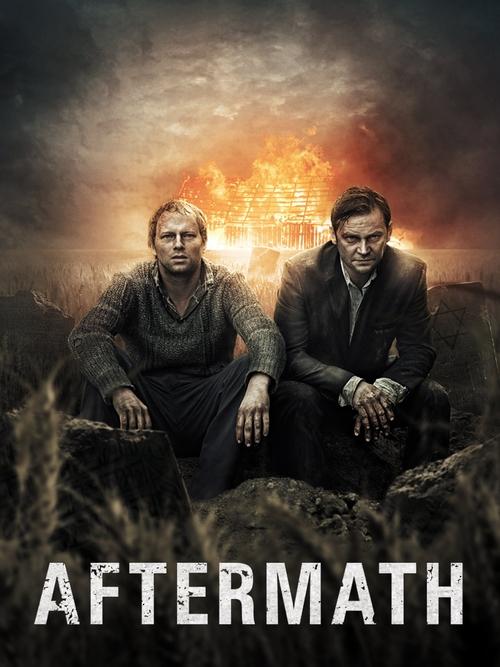
Two brothers are trying to find out the truth from years ago. The whole town is against them.
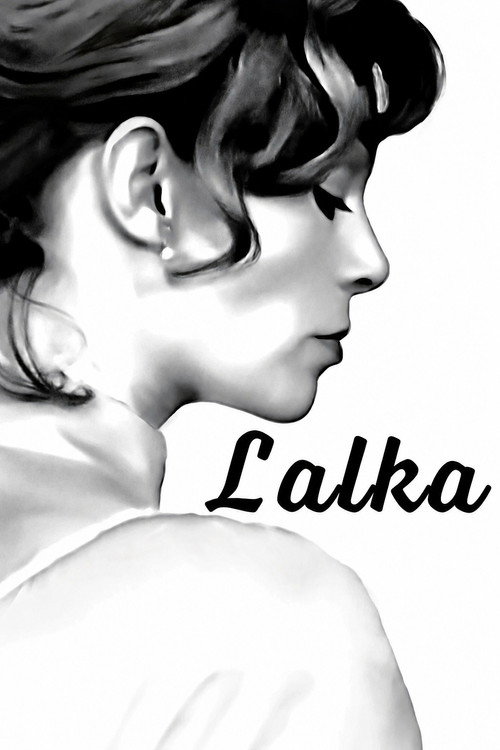
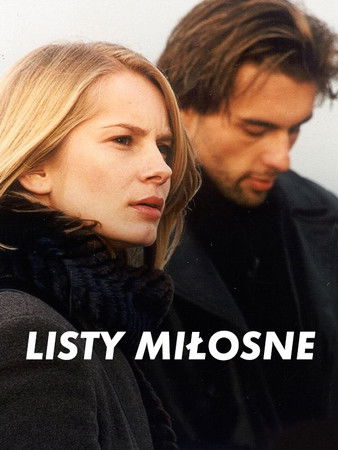
Thirty-year-old nurse Teresa spends her days caring for elderly, dying people. Janusz, a young man she met at an amusement park, enters the life of this bitter and disillusioned woman. Teresa doesn't have the courage to tell him how she feels, and he also has trouble expressing his emotions. They are helped by Julka, a girl from the neighborhood who likes Teresa. She finds a pile of love letters from the beginning of the century in the trash. By forging Teresa and Janusz's handwriting, she starts a love correspondence between them, rewriting fragments of other people's confessions.
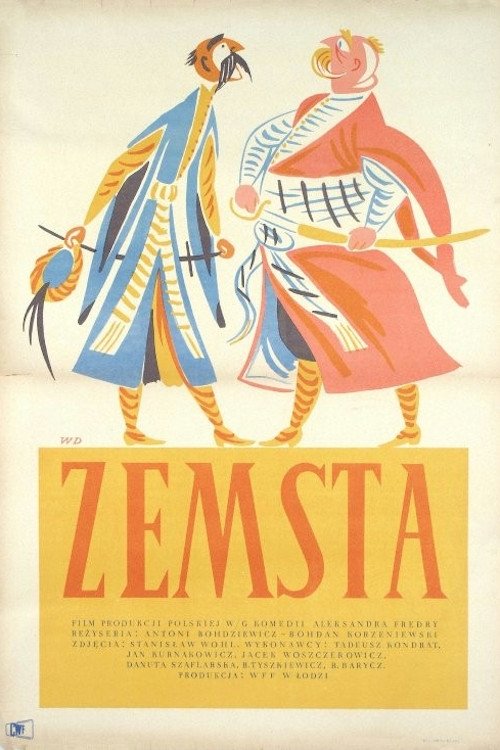
Two noblemen live in one castle, which they both own half of. After a wall dividing both halves of the castle gets damaged they start an intense rivalry.
Polish-born Russian subject Cezary Baryka comes of age during a tumultous period of ten years from 1914 to 1924, during which he witnesses revolution, rebirth of Poland, war with the Soviets and communist plots.
A mysterious magnetic spool found during a construction project is discovered to have originated from Venus. A rocket expedition to Venus is launched to discover the origin of the spool and the race that created it.
Even in Poland today, Gypsies are viewed with profound suspicion — not that things are that much better for them anywhere else in Europe. In this coming-of-age drama, Mala, an ordinary Polish girl who is about thirteen years old, is just beginning to wake up to the world around her. When she hears the adults of the village making disparaging remarks about Gypsies, that's exactly what it takes to motivate her to go out and visit them. She has a rich and rewarding encounter, until the authorities come into their camp to drive them off. No one is harmed, and Mala's life has been changed for the better by her adventures.
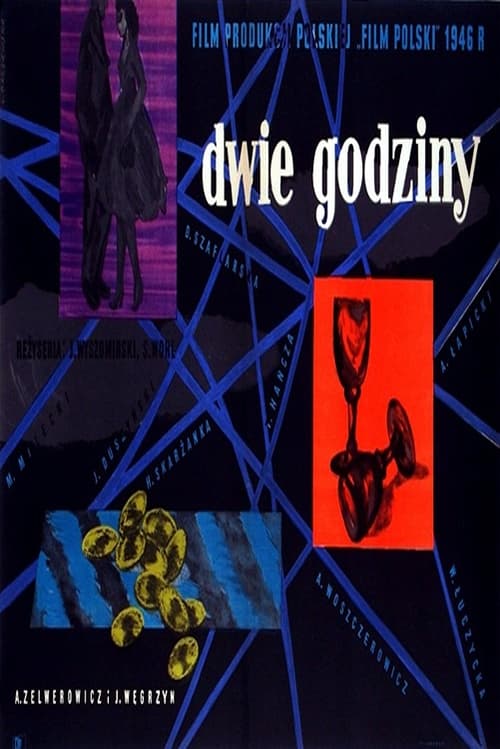
Follows the lives of people shortly after World War 2 as they try to adjust to their new lives. Completed in 1946, it was banned from release by the communist government of Poland until 1957 in edited form.
Using the backdrop of the banality and ordinariness of everyday life in a small provincial town, the film analyses the relationship between two women friends, who struggle to find their way in post-communist Poland. The small events of their lives represent universal feelings of being trapped and lost in a new world, in contrast to the successes of the dark side of democracy - drug dealing, crime and pornography. By its very nature, the film creates a picture of provincial Poland after democracy, but its charm is in the understated relationship between the two friends and the people around them and in the mosaic structure that builds up the film piece by piece.
No description available.
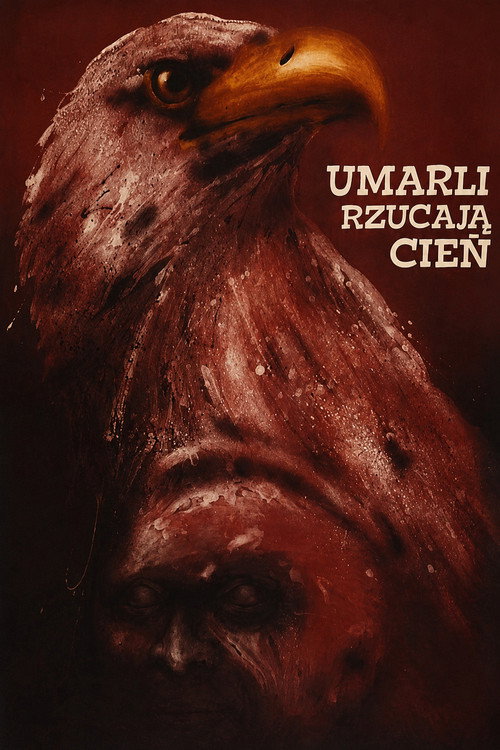
Sensational psychological drama, concerning the activities of the People's Guard in Silesia, presents from the human characters and attitudes perspective story of provocation of Gestapo agents, penetrating the ranks of the Resistance.
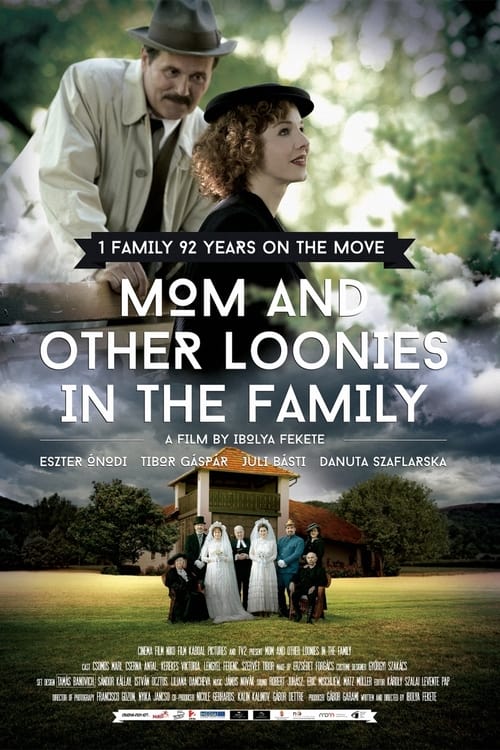
Over the course of four generations, a family in Hungary confronts poverty, political turmoil and a life that's perpetually on the move.
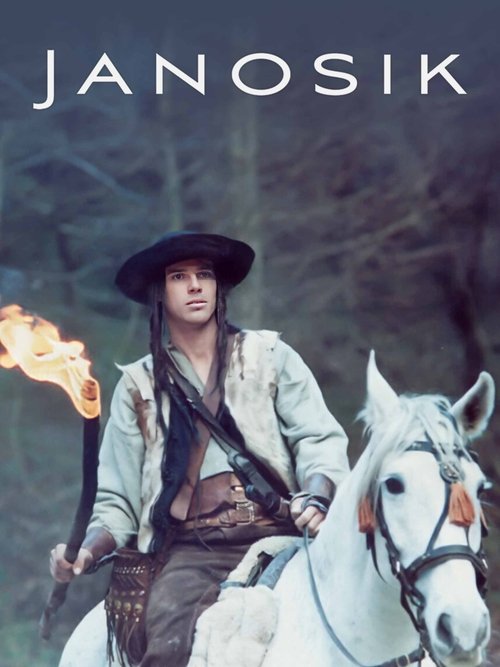
The story of Janosik, a legendary "Central European Robin Hood", based on real XVIII century documents and a romantic legend. Young Janosik, burnt out by war experiences and disappointment in love, joins a team of brigands. Soon after he becomes the troop's leader and is recognized as a brave and honorable commander, he never kills anyone he robs. Along with the fame he starts enjoying popularity among women. But Janosik's success raises jealousy in one of the troop's members, greedy and brutal Huncaga.
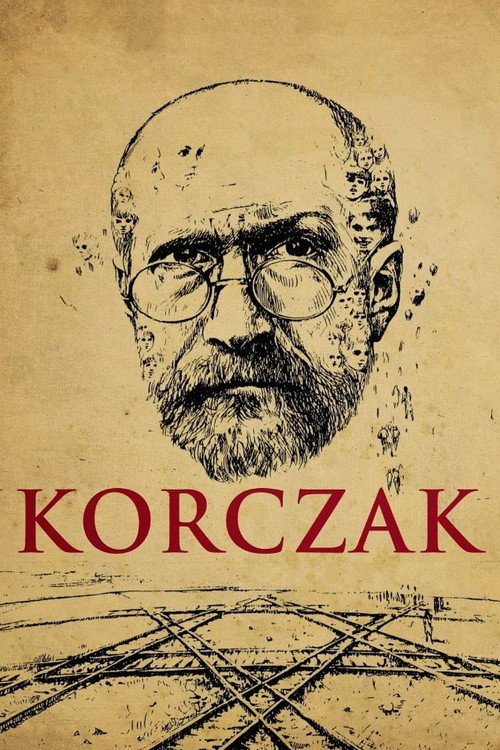
The story of Polish pedagogue Janusz Korczak and his dedication to protecting Jewish orphans during the war.
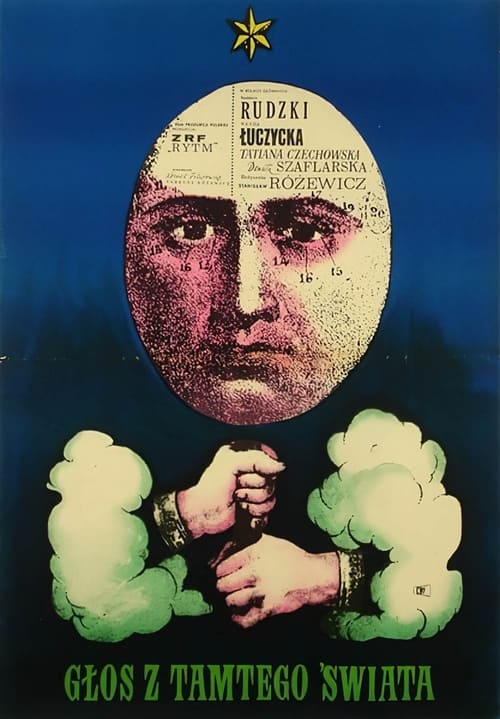
A doctor, though not having finished his studies, earns a living providing medical advice. A former nurse enters the stage, saying she hears voices from "the other world". At first, they can exploit gullible victims without problems, but soon the authorities begin showing in these quacks.
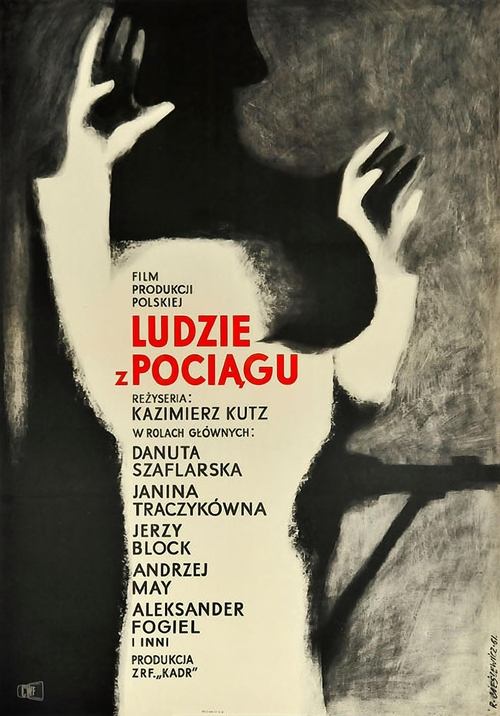
A group of people find themselves stuck in remote train station in German-occupied Poland. A drunk German station guard there gets paranoid and sees partisans all around him, phones headquarters, and when the German soldiers arrive and search the station they find a gun. They then threaten to execute every fifth person unless someone claims it.
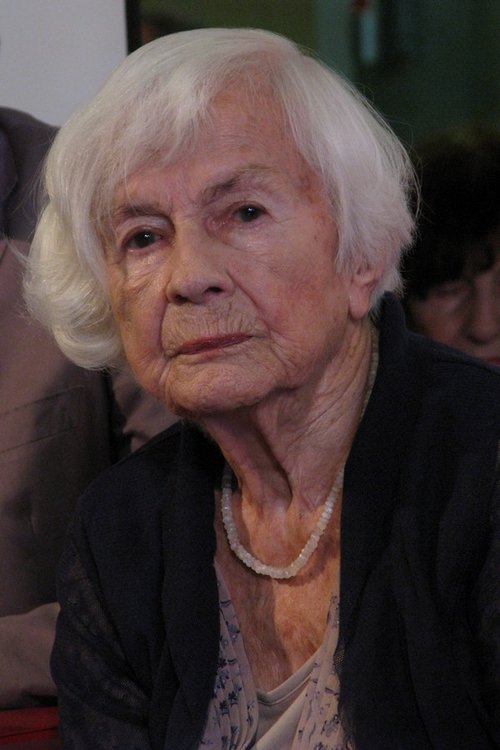
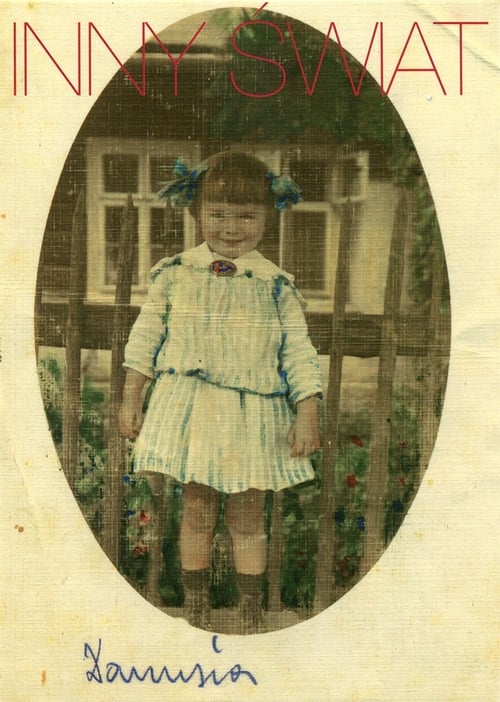
Outstanding actress Danuta Szaflarska, in a colorful and humorous way, tells about her experiences from the old years.
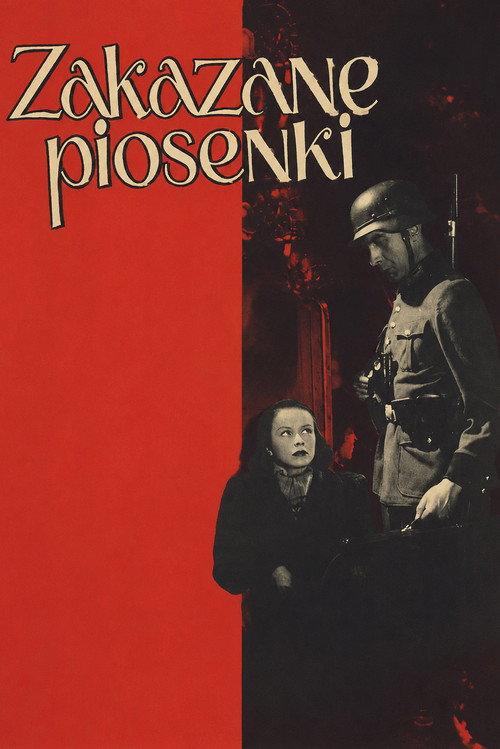
Set during the German occupation of Warsaw during WWII, this musical tells the story of several inhabitants of the same tenement house.