Rachel Perkins
Directing
Biography
Rachel Perkins is an Australian film and television director, producer, and screenwriter. Her Australian Aboriginal heritage (Arrernte/Kalkadoon) has informed her entire filmmaking career. She founded Australia's premier Indigenous production company Blackfella Films in 1992, and has contributed extensively to the development of Indigenous filmmakers in Australia and, more broadly, to the Australian film and television industry. She is known for her films Radiance (1998), One Night the Moon (2001), Bran Nue Dae (2010), and Jasper Jones (2017).
Known For

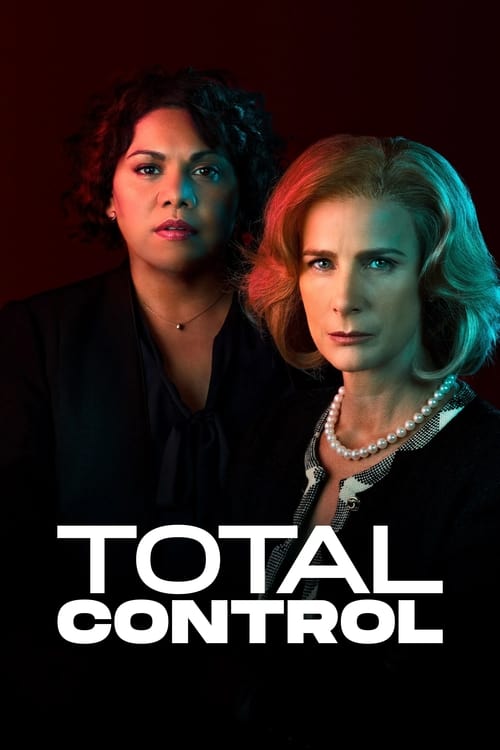
A local Indigenous politician is recruited to the senate by the Australian Prime Minister after a contentious video goes viral.
Total Control

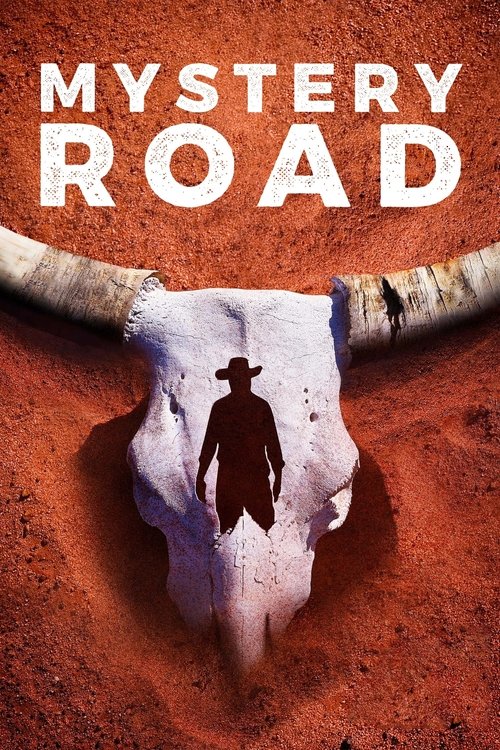
When there is a mysterious disappearance on an outback cattle station, Detective Jay Swan is assigned to investigate. Working with local cop Emma James, Jay’s investigation uncovers a past injustice that threatens the fabric of the whole community.
Mystery Road

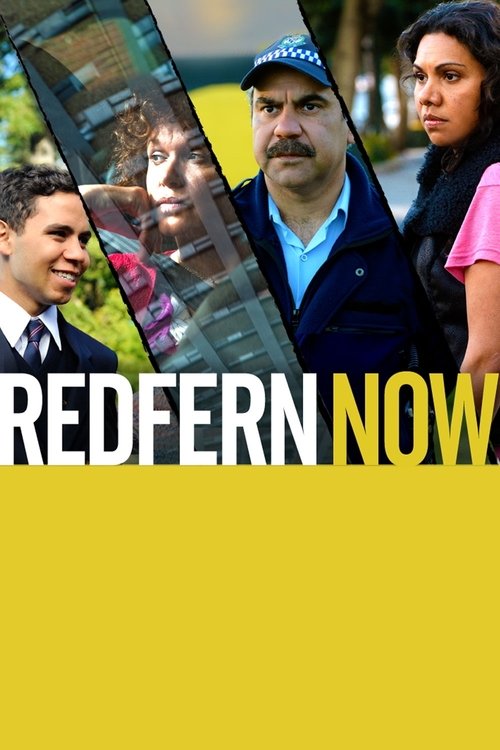
Six extraordinary stories one unmissable series. Redfern Now is the first drama series written, directed and produced by Indigenous Australians.
Redfern Now

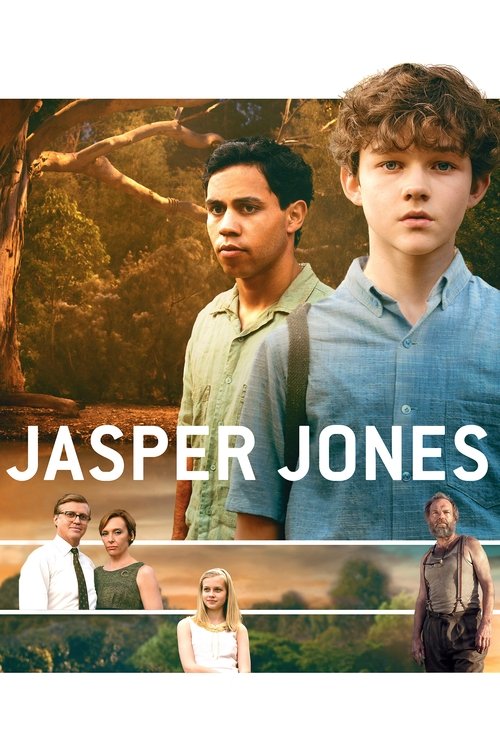
Fourteen-year-old Charlie's life changes when Jasper takes his help to dispose of the body of his girlfriend, Laura. He decides to look for the murderer and falls in love with Laura's younger sister.
Jasper Jones

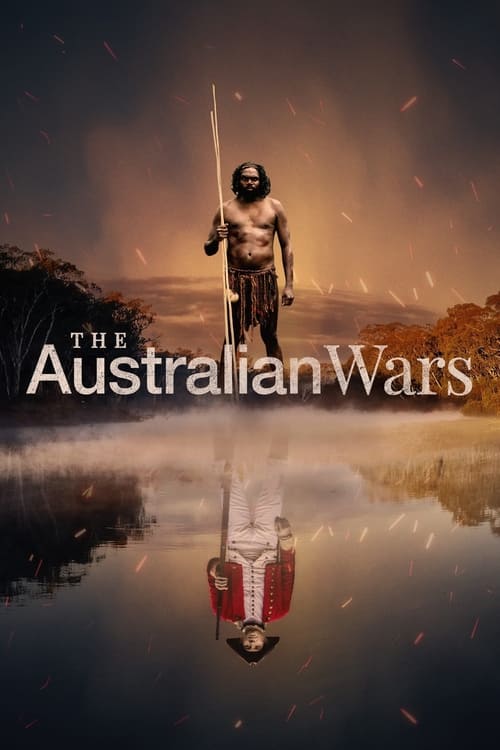
There are more than ten thousand monuments across the country that honour the war dead . But what of the bloody battles fought on our home soil, in our longest-running war that established the Australian nation?
The Australian Wars

First Australians is an Australian historical documentary series produced by Blackfella Films over the course of six years, and first aired in October 2008. The documentary is part of a greater project that further consists of a hard-cover book, a community outreach program and a substantial website featuring over 200 mini-documentaries. The series chronicles the history of contemporary Australia, from the perspective of its first people, or Aborigines. The series is essentially a synthesis of well documented historical information. It relies heavily on archival documents and interpretations from historians and members of both the Indigenous and European community and leaders. The story begins in 1788 in Sydney, with the arrival of the First Fleet and ends in 1993 with Koiki Mabo's legal challenge to the foundation of Australia. The series comprises seven episodes in which it explores what unfolded when the oldest living culture in the world was confronted by the British Empire. It explores the lives of particular individuals and uses their stories as a vehicle to explain the larger situations of the time. It explains violent aspects of European settlement of Australia, such as killings, battles, wars, as well as acts of friendship and decency between the early European settlers and Indigenous Australians. Indigenous Australian history has until recently been clouded by the "great Australian silence" where ignorance of the real history of Australia can be seen as a way for non-Indigenous to hide shame for their own history. In this respect it has been controversial in that many of these stories have not been portrayed on Australian television before and the Indigenous Australian perspective of European settlement is confrontational for many.
First Australians

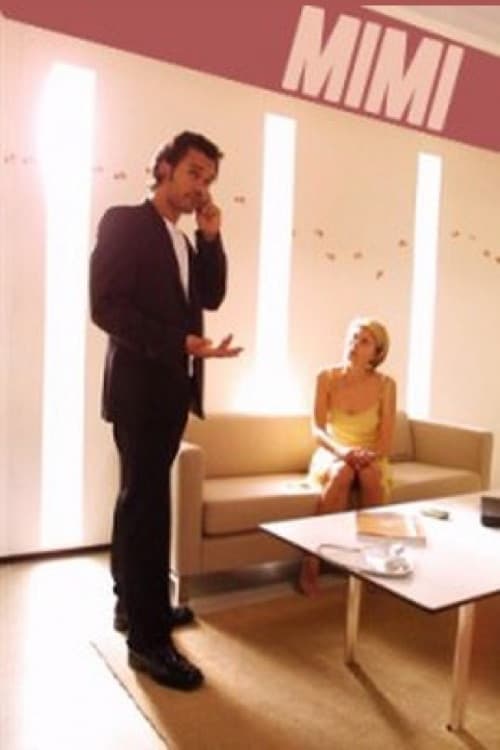
A white collector of Aboriginal art gets a shock when the Mimi sculpture she purchased comes to life.
Mimi

The remarkable life story of Eddie 'Koiki' Mabo; a Torres Strait Islander who left school at the age of 15, yet spearheaded the High Court challenge that overthrew the fiction of terra nullius.
Mabo

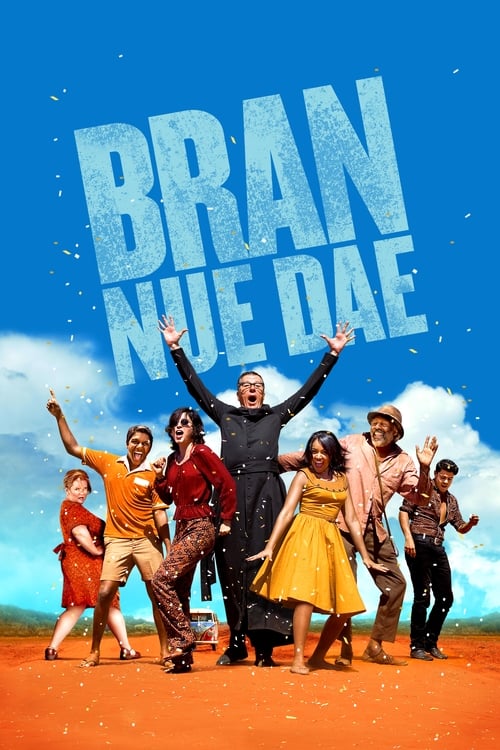
In the Summer of 1965 a young man is filled with the life of the idyllic old pearling port Broome - fishing, hanging out with his mates and his girl. However his mother returns him to the religious mission for further schooling. After being punished for an act of youthful rebellion, he runs away from the mission on a journey that ultimately leads him back home.
Bran Nue Dae

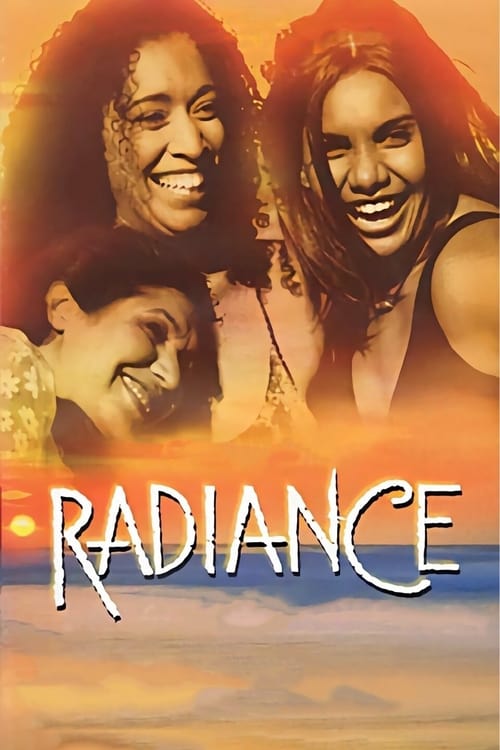
When eldest sister Cressy, middle daughter Mae and the young Nona are reunited for the first time in years it doesn’t take long for the sparks to fly. Painful memories and secrets are revealed and put into a life-changing perspective in one unforgettable night.
Radiance

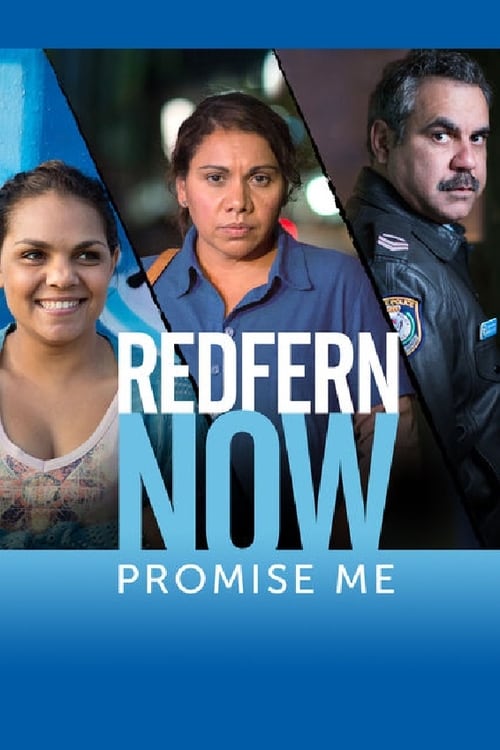
Two young women are raped on their way home. The story follows the lives of both women and the different ways they deal with the crime.
Redfern Now: Promise Me

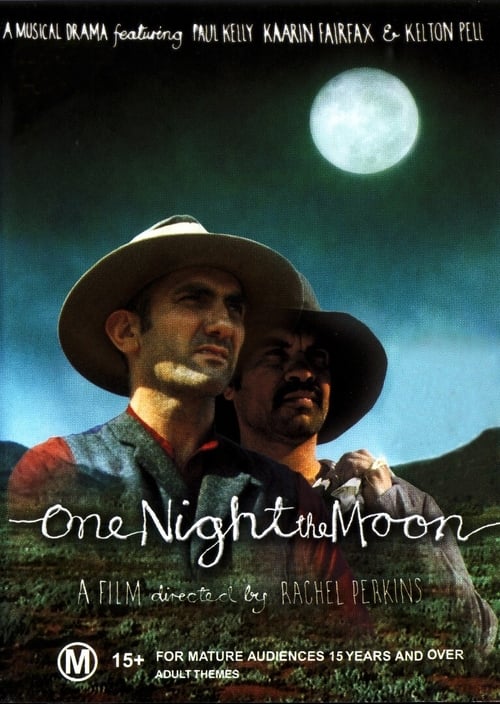
Based on the true story of a young girl who went missing in the Australian outback in 1932.
One Night the Moon

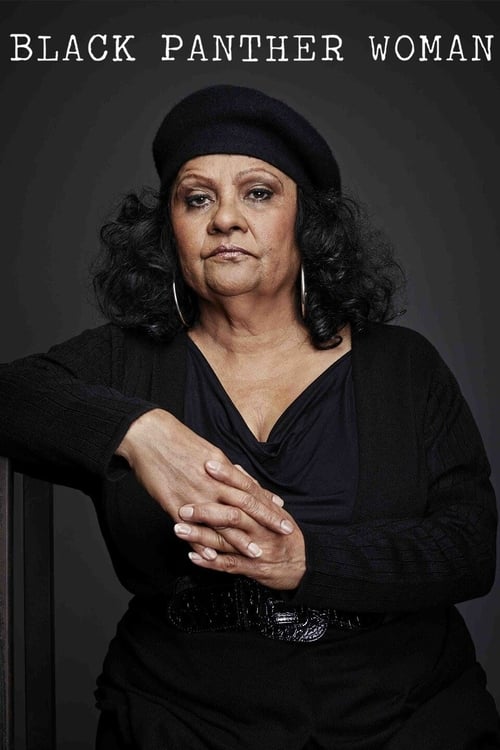
Marlene Cummins breaks a forty-year silence to tell the story of her abuse in the Australian Black protest movement, to overcome her demons of today.
Black Panther Woman

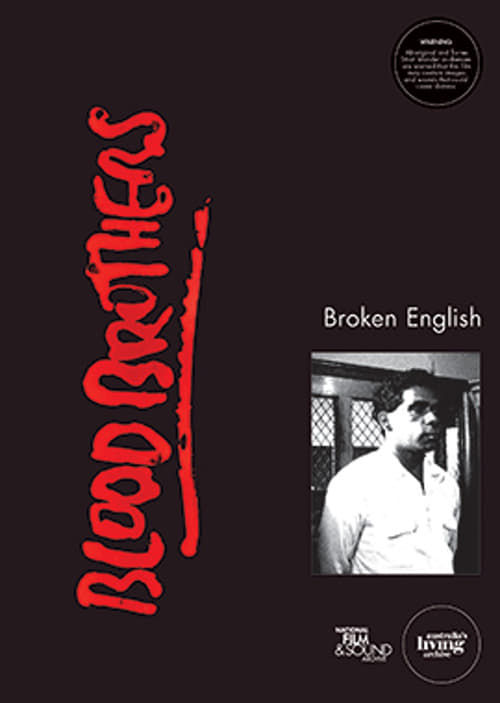
Arrernte elder Rupert Max Stuart tells his side of the story about how he was sentenced to death for a crime he says he didn’t commit. For 30 years, Arrernte man Rupert Max Stuart has maintained his innocence of the rape and murder of a young white girl. His story became the basis for the movie Black and White in 2002. In Broken English, we hear from Max and those personally involved in the case. Max Stuart claims he fell prey to prejudices in the white justice system and alleges he was beaten and verballed by police. He spent 14 years in prison and faced the gallows nine times for the crime he says he didn't commit. This film, which combines documentary and drama, recreates some of the events of his trial, appeals and subsequent Royal Commission. It features Hugo Weaving, Noah Taylor and Tony Barry, with Lawrence Turner playing Max Stuart.
Blood Brothers: Broken English

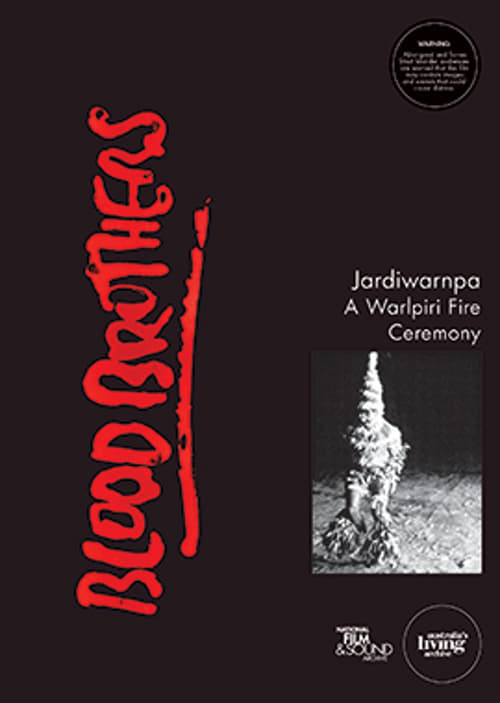
Law man Darby Jampinjimpa Ross and other Warlpiri elders introduce us to their community's fire ceremony. Made with the close co-operation of the outback Warlpiri community of Yuendumu, the film follows the staging of the ceremony, involving hundreds of people, over several weeks - part of the process of retaining traditional law and culture within the community. Anthropologists describe the ceremony as a means of resolving personal conflicts in society; the elders speak of paying tribute to their ancestors.
Blood Brothers: Jardiwarnpa - A Warlpiri Fire Ceremony
Paddy finds there are two separate laws, the white and the black.
From Sand to Celluloid: Payback

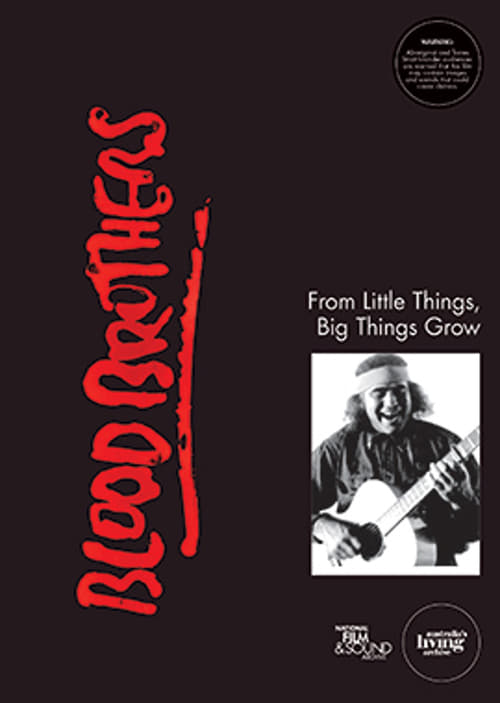
Kev Carmody is a prolific songwriter and musician with a great sense of humour. He has performed with Paul Kelly and Billy Bragg, both of whom appear in this film. When Kev released his first album, Pillars of Society, in 1989, music magazine Rolling Stone described it as "the best album ever released by an Aborigine and arguably the best protest album ever made in Australia". Kev was propelled onto the national stage as a voice of protest for black Australia. This film looks at Kev up close - cattle mustering in southern Queensland, making music in suburban Sydney and playing Long Bay Jail.
Blood Brothers: From Little Things, Big Things Grow

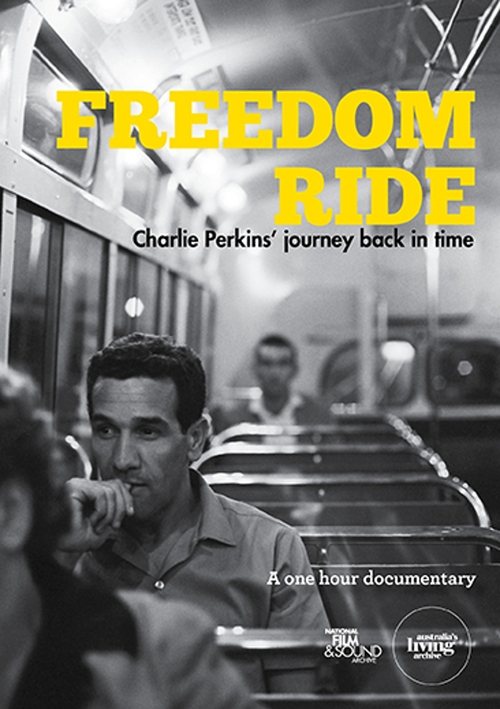
Outspoken leader Charles Perkins grew up on a reserve, separated from his relatives. He was shunned by white Australian society and his early experiences of racism spurred him to go on to university and to challenge racial inequality. One of the first Aboriginal people to graduate from university, he soon came to the forefront of direct action against oppression and injustice, leading the 1965 freedom rides that challenged apartheid practices in northern NSW. Freedom Ride takes Charles Perkins back to Moree and Walgett and uses newsreel footage and dramatic reconstructions to retrace his story. The program was directed and produced by his daughter Rachel Perkins; his son Adam Perkins plays Charles as a young man.