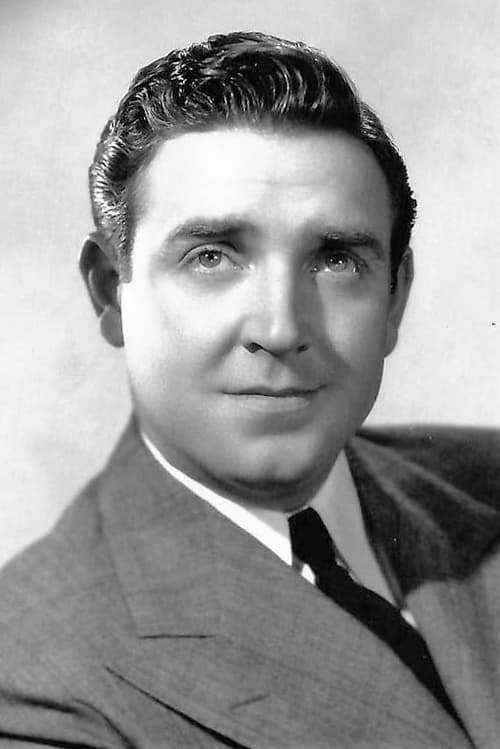
Robert Paige
Acting
Biography
Robert Paige (born John Arthur Page December 2, 1911 in Indianapolis, Indiana, died Dec 21,1987) was a TV star and Universal Pictures leading man who made 65 films in his lifetime and was the only actor ever allowed to sing on film with Deanna Durbin (in 1944's Can't Help Singing). He was a graduate of West Point and was related to Admiral David Beatty, hero of the World War I Battle of Jutland. Paige began his screen career in 1934. His handsome features and assured speaking voice earned him prominent roles in motion pictures, such as Cain and Mabel with Clark Gable and Marion Davies. In 1936, to avoid confusion with another rising leading man, John Payne, Paige briefly adopted the screen name "David Carlyle." He worked primarily for Warner Brothers and Republic Pictures during this period. In 1938 he signed a contract with Columbia Pictures, which changed his screen name to Robert Paige. Columbia cast him in "B" features and starred him in one serial, Flying G-Men. When the Columbia contract lapsed, Paige moved to Paramount Pictures and finally found a home in 1941 at Universal Pictures. Robert Paige quickly became one of Universal's reliable stars, playing romantic leads. He is prominent in many of Universal's comedies and musicals, including those of Abbott and Costello, Olsen and Johnson, Gloria Jean, and Hugh Herbert. He had a good singing voice and a flair for comedy, and the studio capitalized on these talents. Beginning in 1943 Universal gave Paige important roles in its biggest productions, but by then he was so established as a B-picture lead that he never quite graduated to mega-stardom. Paige, along with other contract players, left Universal after a corporate shakeup in 1946. He became an independent film producer in 1947 and entered the new field of television. He was the last permanent host of NBC's variety series The Colgate Comedy Hour, and won an Emmy in 1955 for "Best Male Personality" (a category that no longer exists). In the 1960s he became a TV newscaster in Los Angeles. Paige continued to work in occasional films through 1963; his last two films were The Marriage-Go-Round (1961) and Bye Bye Birdie (1963). From 1966 to 1970 Paige was a newscaster and political correspondent for ABC News in Los Angeles. He left the news desk to become Deputy Supervisor of Los Angeles under Baxter Ward, and then moved into the public relations field. He retired in the late 1970s. Robert Paige died suddenly of an aortic aneurysm in 1987.
Known For
Four Star Playhouse is an American television anthology series that ran from 1952 to 1956, sponsored in its first bi-weekly season by The Singer Company; Bristol-Myers became an alternate sponsor when it became a weekly series in the fall of 1953. The original premise was that Charles Boyer, Ida Lupino, David Niven, and Dick Powell would take turns starring in episodes. However, several other performers took the lead from time to time, including Ronald Colman and Joan Fontaine. Blake Edwards was among the writers and directors who contributed to the series. Edwards created the recurring character of illegal gambling house operator Willie Dante for Dick Powell to play on this series. The character was later revamped and spun off in his own series starring Howard Duff, then-husband of Lupino. The pilot for Meet McGraw, starring Frank Lovejoy, aired here, as did another episode in which Lovejoy recreated his role of Chicago newspaper reporter Randy Stone, from the radio drama Nightbeat.
Four Star Playhouse

The Colgate Comedy Hour is an American comedy-musical variety series that aired live on the NBC network from 1950 to 1955. The show starred many notable comedians and entertainers of the era, including Eddie Cantor, Dean Martin and Jerry Lewis, Fred Allen, Donald O'Connor, Bud Abbott and Lou Costello, Bob Hope, Jimmy Durante, Ray Bolger, Gordon MacRae, Ben Blue, Robert Paige, Tony Curtis, Burt Lancaster, Broadway dancer Wayne Lamb and Spike Jones and His City Slickers.
The Colgate Comedy Hour

An anthology series that explored the ways sudden and unexpected wealth changed life for better or for worse. It told the stories of people who were given one million dollars from a benefactor who insisted they never know him, with one exception.
The Millionaire
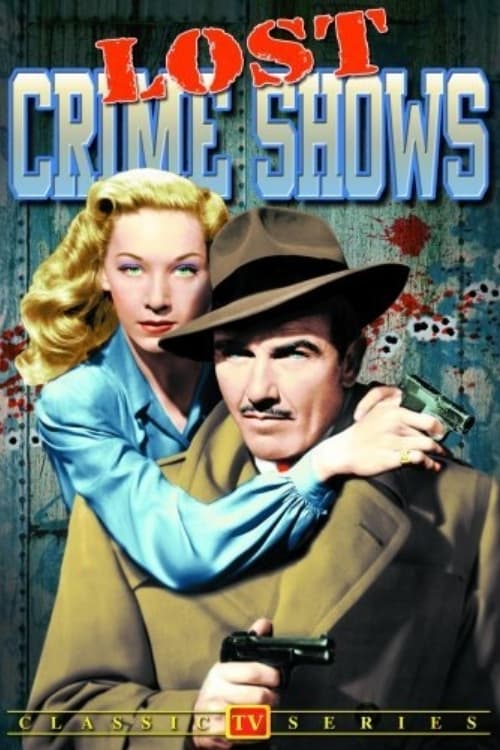
Cavalcade of America is an anthology drama series that was sponsored by the DuPont Company, although it occasionally presented a musical, such as an adaptation of Show Boat, and condensed biographies of popular composers. It was initially broadcast on radio from 1935 to 1953, and later on television from 1952 to 1957. Originally on CBS, the series pioneered the use of anthology drama for company audio advertising. Cavalcade of America documented historical events using stories of individual courage, initiative and achievement, often with feel-good dramatizations of the human spirit's triumph against all odds. This was consistent with DuPont's overall conservative philosophy and legacy as an American company dating back to 1802. The company's motto, "Maker of better things for better living through chemistry," was read at the beginning of each program, and the dramas emphasized humanitarian progress, particularly improvements in the lives of women, often through technological innovation.
Cavalcade of America
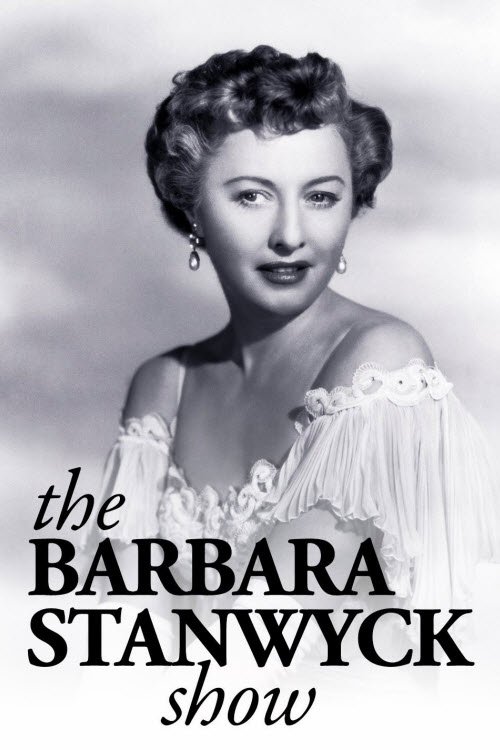
An American anthology drama television series hosted by Barbara Stanwyck served.
The Barbara Stanwyck Show
Lux Video Theatre is an American anthology series that was produced from 1950 until 1959. The series presented both comedy and drama in original teleplays, as well as abridged adaptations of films and plays.
Lux Video Theatre
The Pepsi-Cola Playhouse is an American dramatic anthology series that aired on ABC from 1953 to 1955, sponsored by Pepsi-Cola. The show was hosted by Arlene Dahl, Anita Colby, and, finally, Polly Bergen
The Pepsi-Cola Playhouse
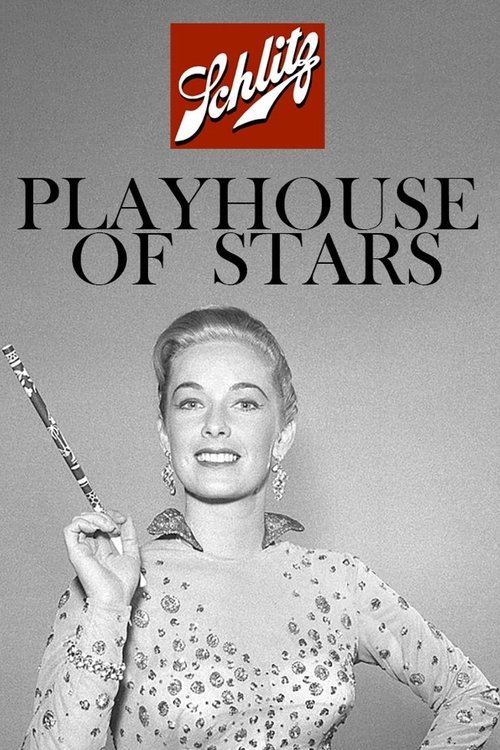
Schlitz Playhouse of Stars is an anthology series that was telecast from 1951 until 1959 on CBS. Offering both comedies and drama, the series was sponsored by the Joseph Schlitz Brewing Company. The title was shortened to Schlitz Playhouse, beginning with the fall 1957 season.
Schlitz Playhouse of Stars
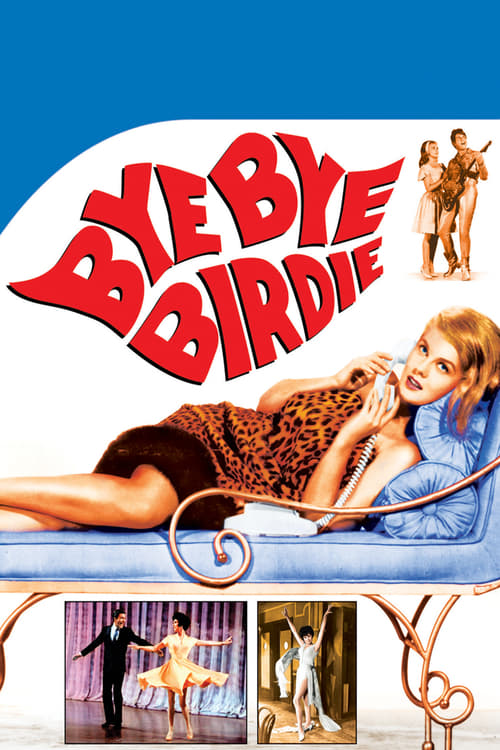
A singer goes to a small town for a performance before he is drafted.
Bye Bye Birdie
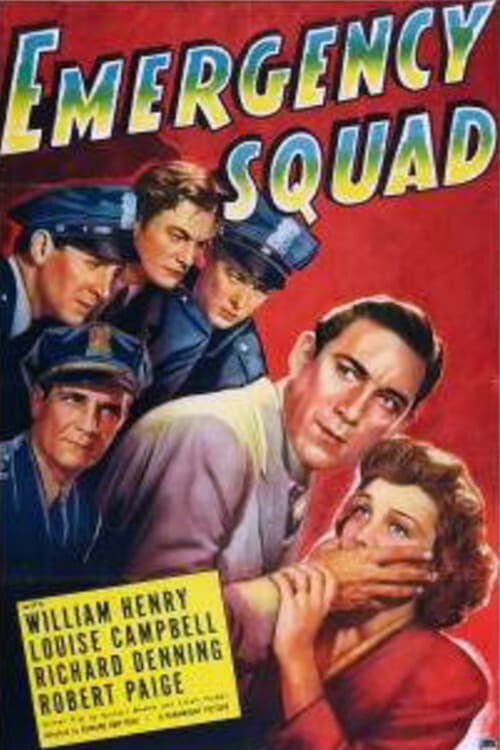
Betty Bryant is an ambitious newspaper reporter in love with Dan Barton, a member of a big-city Emergency Squad who are trained to deal with riots, cave-in, explosions, fires and other emergencies where lives are at stake. Slade Wiley, an unscrupulous tunnel builder, finds that his low bid on the Newford Tunnel project is causing him to lose a lot of money, and has underworld leader Nick Burton set off blasts to frighten the stockholders into selling their shares at a low price so he can buy up the stock. Betty is investigating the deal when Wiley and Burton take her on a "tour trip" to the tunnel.
Emergency Squad
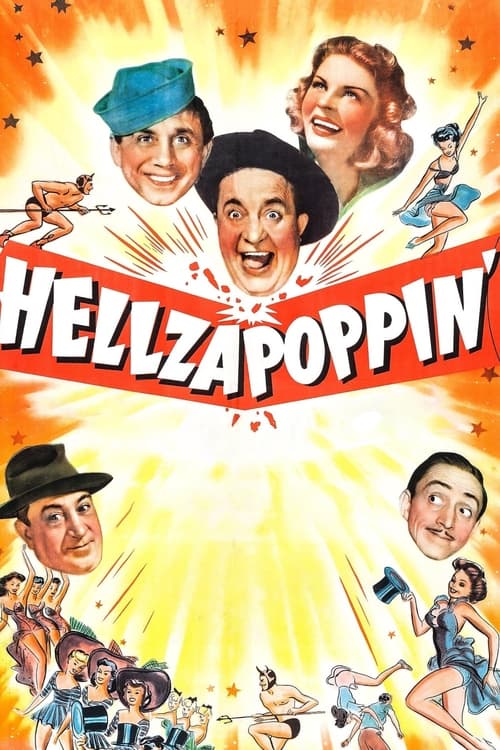
Olsen and Johnson, a pair of stage comedians, try to turn their play into a movie and bring together a young couple in love, while breaking the fourth wall every step of the way.
Hellzapoppin'
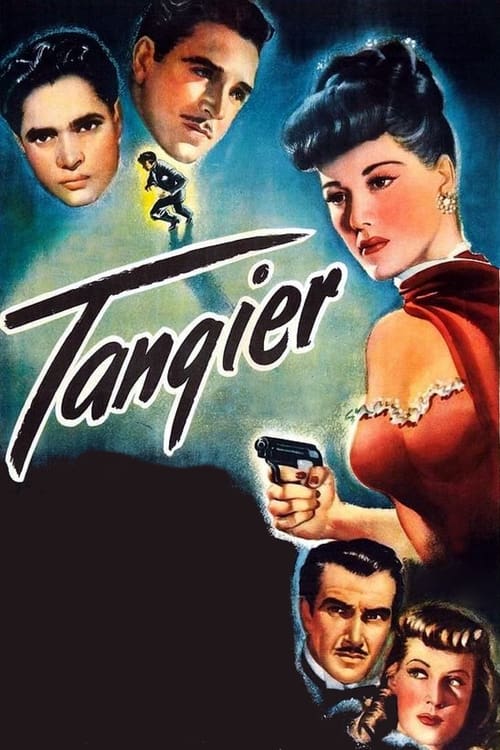
In Tangier, disgraced American war correspondent Paul Kenyon, café dancer Rita and local entrepreneur Pepe join forces to battle a Nazi diamond smuggler.
Tangier

Paddy O'Riley and Ossie Merrill, Bellport high school football heroes, enroll in distant colleges; Paddy at a small school in the East, where he is barely a substitute, and Ossie at a powerhouse-football school, where he is an instant star and all-American candidate. They leave behind Cheers Reynolds, who is fond of Paddy, who works in her family's drugstore, but she loves Ossie almost as much as he loves himself. Paddy makes friends with team fullback Dutch Schultz, who accompanies him on vacation, and they arrive back in Bellport just as Ossie is also coming home on break. Florence Taylor is also in town on a film junket. Unknown to any of the others, Paddy and Florence had gone to high school together. Back at school and three years later, Paddy and Dutch learn that their football team could get invited to the coveted Rose Bowl to play against Ossie's team, if it could get enough publicity (pre-BCS days) that would attract a large crowd...
Rose Bowl
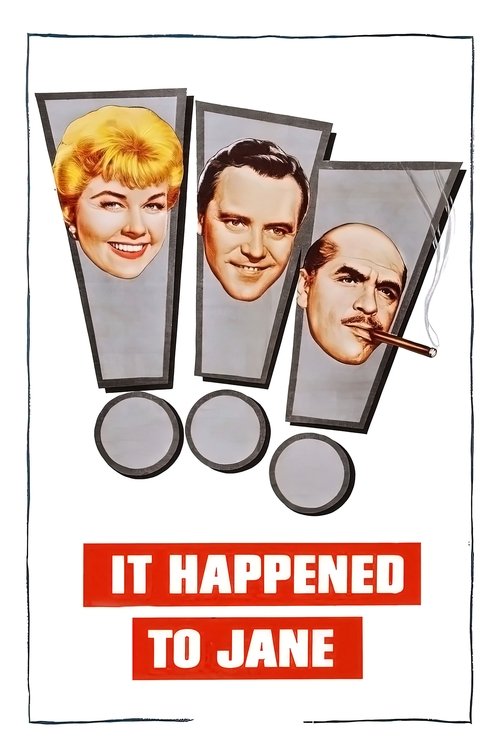
Jane Osgood runs a lobster business, which supports her two young children. Railroad staff inattention ruins her shipment, so with her lawyer George, Jane sues Harry Foster Malone, director of the line and the "meanest man in the world".
It Happened to Jane

After a young woman is coerced into prostitution and her brother framed for murder by an organized crime syndicate, retribution in the form of an ape visits the mobsters.
The Monster and the Girl
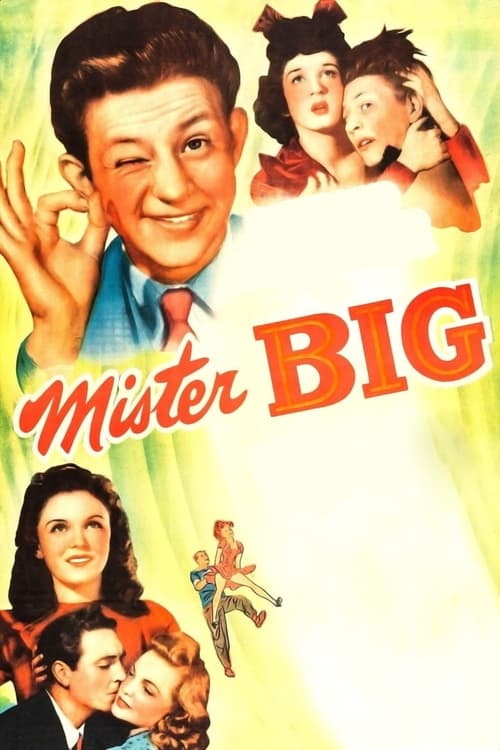
Students at the Davis School of the Theatre are assigned "Antigone" as their class play, but they conspire to do a swing musical instead.
Mister Big
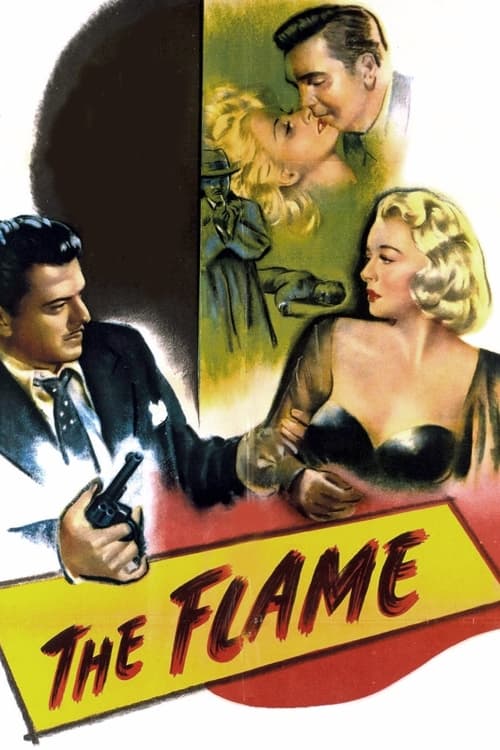
George McAllister, the black sheep of a wealthy family who has squandered his share of the family inheritance, lives in constant jealousy, hatred and resentment of his half-brother Barry, who has been supporting him. George gets his girlfriend, Carlotta Duval, a job as Barry's nurse, with the idea being to marry him, kill him, and inherit his money—and marrying George.
The Flame
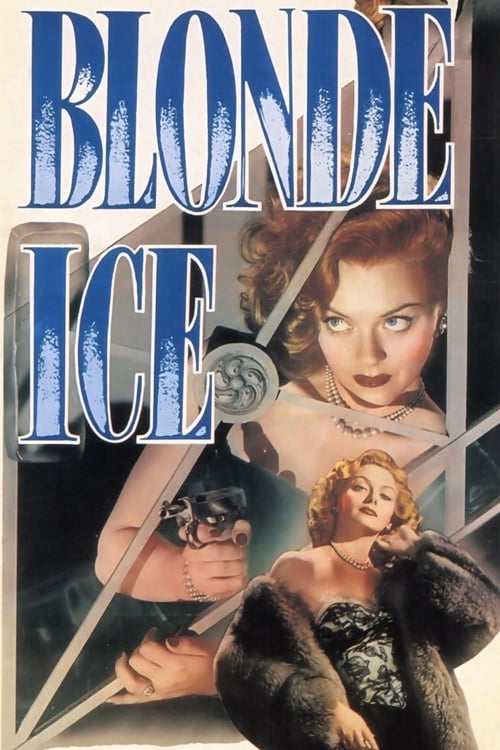
A golddigging femme fatale leaves a trail of men behind her, rich and poor, alive and dead.
Blonde Ice
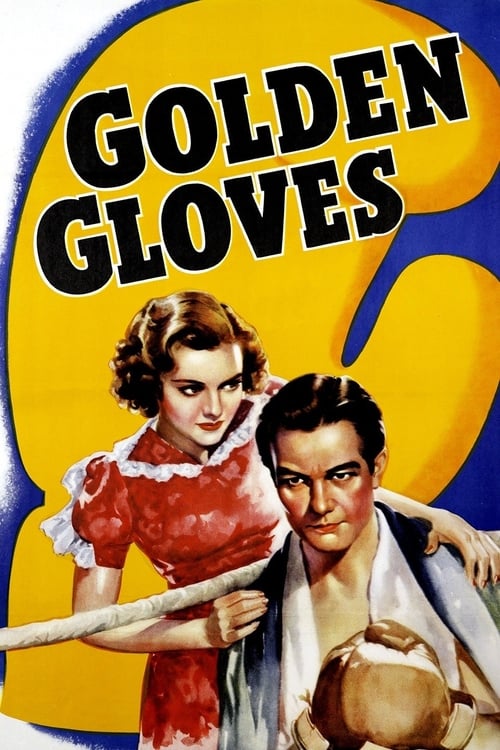
An amateur boxer's girlfriend inspires him to face a ring pro entered by a gangster.
Golden Gloves
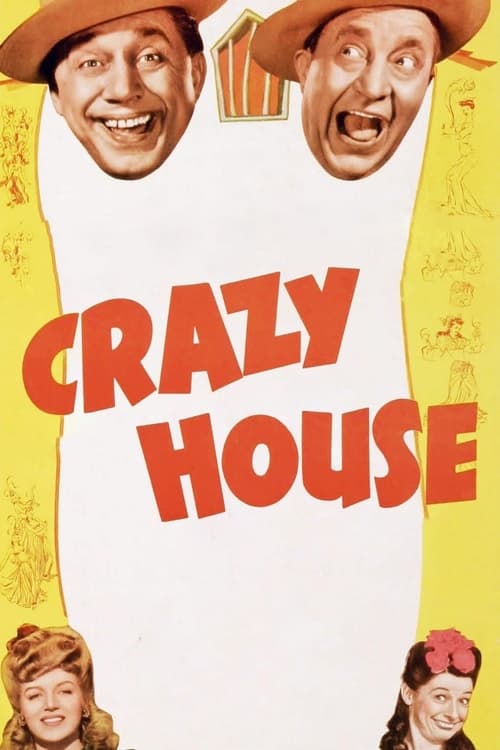
Ole Olsen and Chic Johnson are Broadway stars who return to Universal Studios to make another movie. The mere mention of Olsen and Johnson's names evacuates the studio and terrorizes the management and personnel. Undaunted, the comedians hire an assistant director and unknown talent, and set out to make their own movie.