FEEL IT.STREAM
?

Paul Leduc

Directing

Biography

Paul Leduc Rosenzweig (March 11, 1942 – October 21, 2020) was a Mexican film director. One of Leduc's most acclaimed works is Frida, naturaleza viva (1983 – marketed as Frida in the U.S.), a tribute to the indomitable spirit and determination of the painter Frida Kahlo.
Known For

The Olympics in Mexico
6.1

Documentary about the XIX Olympic Games in Mexico City in 1968. Preserved by the Academy Film Archive in partnership with Sony Pictures Entertainment in 1999.

The Olympics in Mexico

1969
Mexico: The Frozen Revolution
6.6

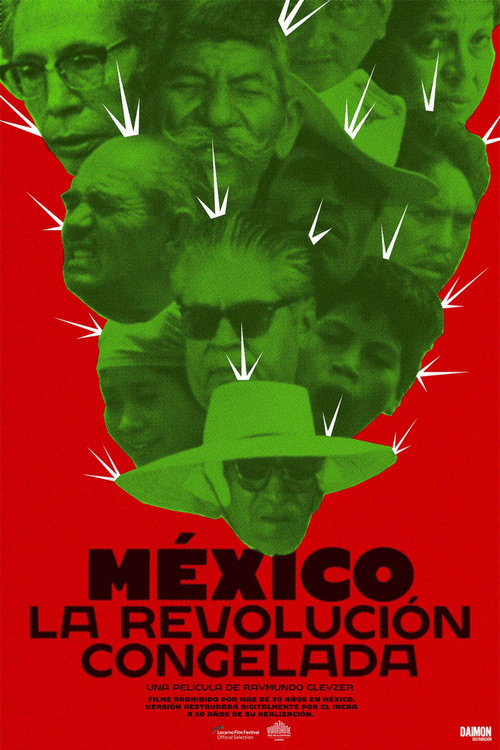
A thorough analysis of the socio-politics of Mexico, within the historical context of the Mexican Revolution reality. Includes footage from the 1910s, interviews with farmers, politicians, intellectuals, middle class, union, etc, as well as scenes from the life of an Indian family in Chiapas, their religious rituals, their crops, trials and bilingual schools. The film ends with the slaughter in the Plaza de Tlatelolco in 1968, during the infamous Olympics.

Mexico: The Frozen Revolution

1973
Baroque
5.6

A series of images, music and sounds which transport through Mexico's history, without any narrative sequence. The film spins constantly round the question 'Where are the singers from?'

Baroque

1989
What Do You Think?
5.3

A gritty musical drama about life in the ghettos of Mexico City during the 1980s. With a soundtrack of Mexican rock music, the camera takes the viewer through the streets, to rock concerts, and to the bars and clubs, where he exposes the hunger, repression, unhealthy conditions and violence in the marginal communities of Mexico's capital city.

What Do You Think?

1986
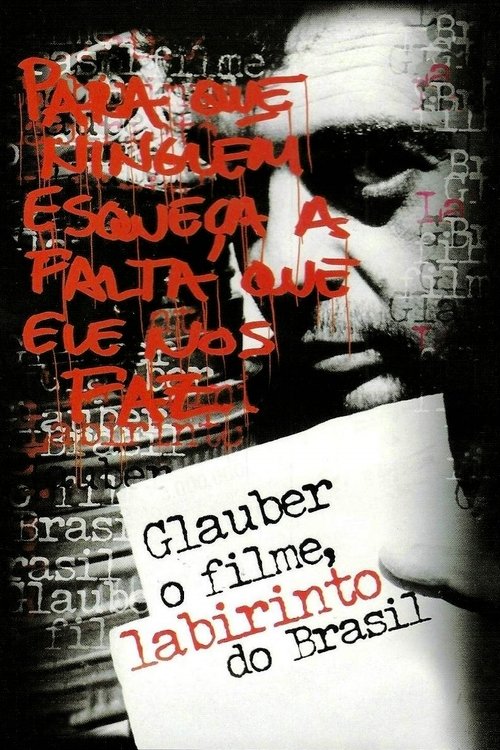
Glauber Rocha - The Movie, Brazil's Labyrinth
6.3

Documentary about Brazilian filmmaker Glauber Rocha, one of the most important names in the Cinema Novo, with interviews with some of his friends and colleagues.

Glauber Rocha - The Movie, Brazil's Labyrinth

2003
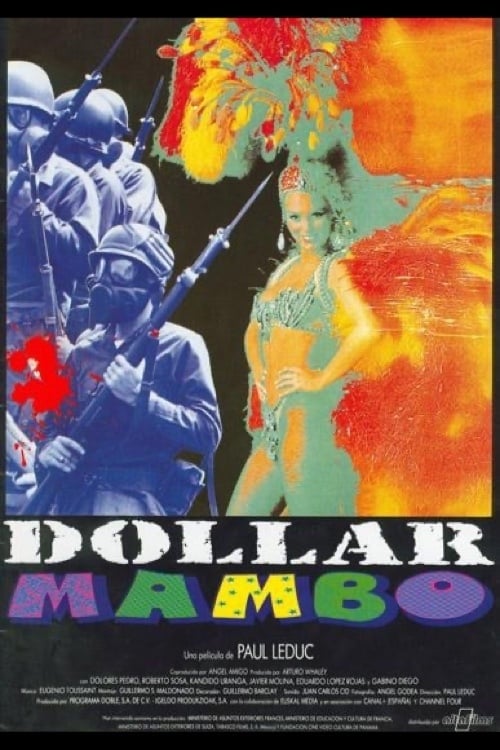
Dollar Mambo
3.8

Music and dance nurture the story of a group of people who live in a popular neighborhood. The invasion of North American soldiers to Panama will break the tranquility of the place bringing a wave of violence with them.

Dollar Mambo

1995
Complot Petróleo: La cabeza de la hidra
5.7

While Mexico swims in the oil veins that were deeded to him by the Devil, a bureaucrat is thrown into a whirlwind of intrigue and international espionage where he discovers that the guts of the beast in charge are one and the same, and the evacuation conduit itself. : We are the shit of that monster. At the same time, a man and a woman discover that behind their passion there is a dark reality that drives them to disguise as action what is only hunger, suffering, desire.

Complot Petróleo: La cabeza de la hidra

1981
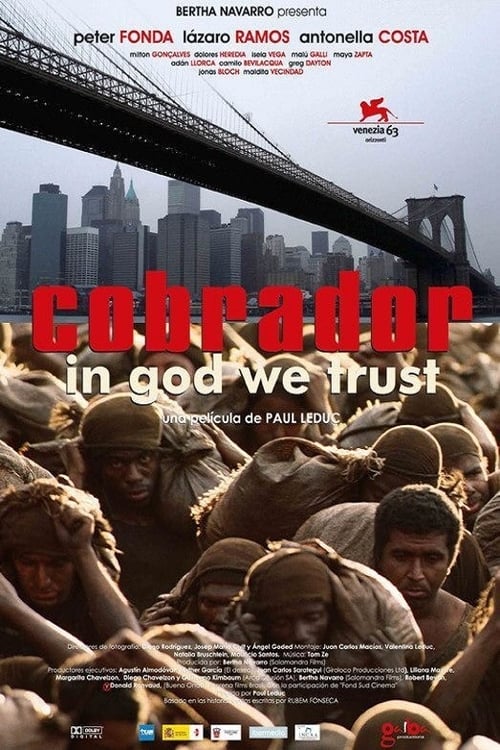
Cobrador: In God We Trust
4.1

Adaptation and unification in a single story of several stories by the writer Rubem Fonseca, where the theme of violence in contemporary society is explored.

Cobrador: In God We Trust

2007
Frida Still Life
5.5

This film is a chronicle of painter Frida Kahlo, and her encounter with the personalities of her time. Despite being confied to a wheelchair as a result of polio, operations and amputations, she faces and traces some of the most colorful and controversial aspects of Mexican history, during the dominant time of Mexican muralism.

Frida Still Life

1986
Latino Bar
4.7

A woman working in a caribean Cabaret meets a man in the harbour that just went out of jail. They recognise in each other common feelings of rage and fury and then they fall in love in a story without words.

Latino Bar

1991
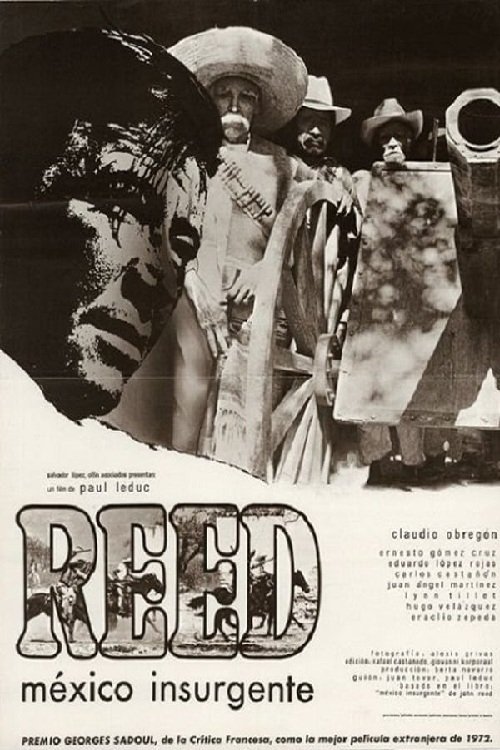
Reed: Insurgent Mexico
6.0

A dramatization of John Reed's newspaper accounts of the Mexican Revolution. Considered the first real film in Mexican cinema to be made on the Mexican Revolution.

Reed: Insurgent Mexico

1972
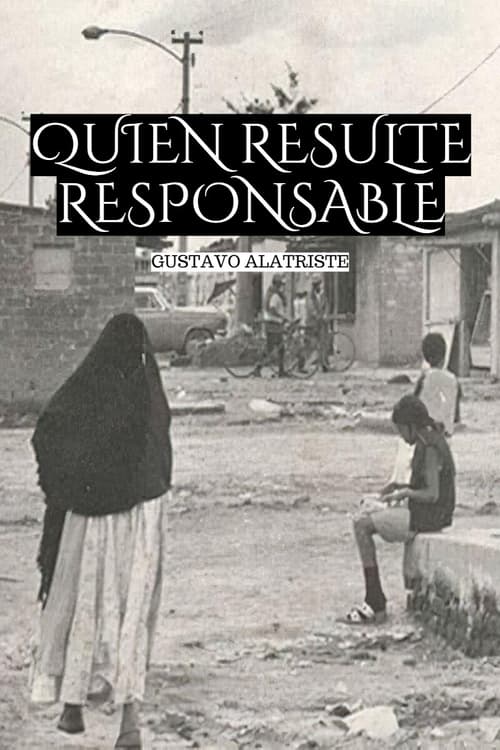
Whoever is Responsible
5.8

Documentary about the founding of Ciudad Nezahualcóyotl on the outskirts of Mexico City in the sixties.

Whoever is Responsible

1971
The Shout
7.0

In the summer of revolt 1968, student Leobardo López Aretche captured the protests in Mexico City, and the state’s brutal response, up close – and like many of his subjects and fellow comrades, would pay a high price for his audacity. Fifty years later, his movie is no longer a secret.

The Shout

1968
No image
N/A

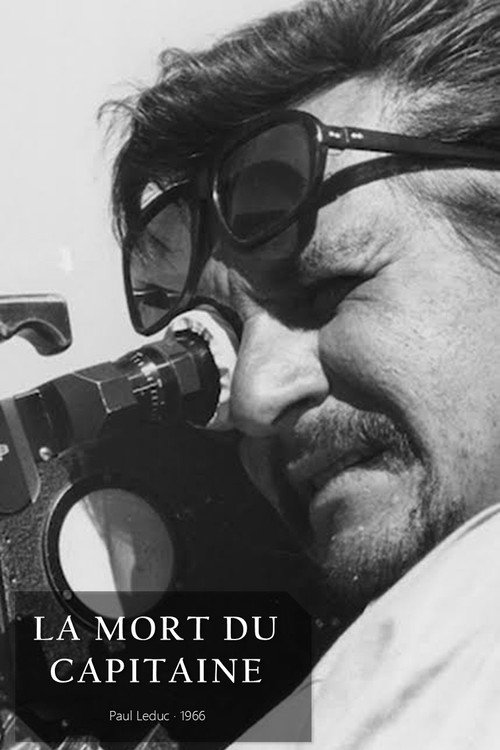
Short film Leduc participated in during his time as a student at the Institut des Hautes Études Cinématographiques, in which he served as director and in which fellow students and teachers participated.

La mort du capitaine

1966
Ziuta Travesías
N/A

Ziuta, Polish, Jewish and survivor of the Second World War, was an extraordinary woman who aroused special devotion. Her political commitment and participation in supporting the clandestine struggle, beyond being a virtue, were a direct and almost biological part of it. Ziuta had the determination, being just a teenager, to resist exile with fortitude, saving her mother and another family from perishing in flight. Despite the horrors and hardships, she maintained a grateful attitude toward life. These characteristics, and her particular sense of humor, permeate her story, even in chapters with painful themes: the death of her father, her madness; her suicide attempt in the Caspian Sea and her decision to come to Mexico, where she rebuilt her life and lived with artists, writers, dancers and filmmakers at a time of great cultural effervescence in the country, even participating as an actress in some films. .

Ziuta Travesías

2024
Historias prohibidas de Pulgarcito
7.0

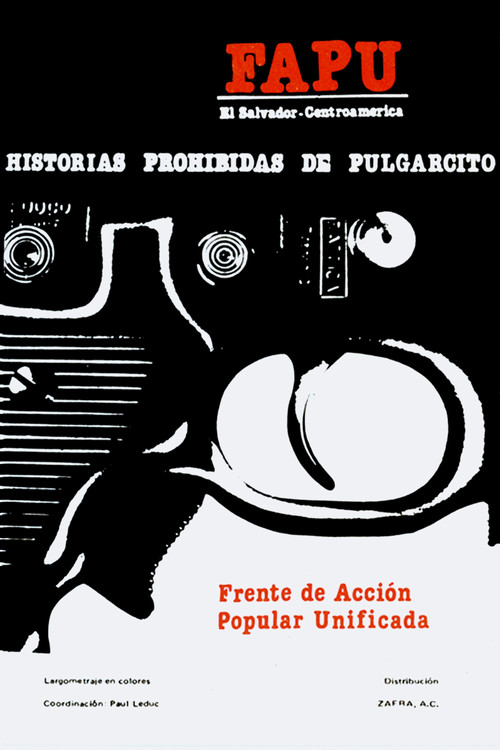
Forbidden Stories of Pulgarcito is a film produced in 1980 by the FAPU, a mass organization of the National Resistance, one of the five organizations of the Farabundo Martí National Liberation Front, FMLN. The film was filmed in El Salvador in late 1979 and early 1980 and is a testimony of the daily struggle of the people against the military regime. The team of filmmakers coordinated by Paul Leduc collects the testimonies of the main actors in the conflict that led to a civil war that lasted 12 years, causing 75,000 dead and a million displaced, in a country of 5 million inhabitants. During those years, the United States sent a million dollars a day in aid to the Salvadoran army.

Historias prohibidas de Pulgarcito

1980
No image
8.0

Paul Leduc, Rafael Castanedo, Óscar Menéndez and other students filmed the CNH assemblies and took to the streets to record the rallies, demonstrations and confrontations that the various student groups held against the police and the army throughout 1968.

Dispatches from the National Strike Council

1968
Bartolo's Flute
10.0

A journey that begins in prehistory, passes through the Mesoamerican peoples, and shows the instruments that were used in the conquest and the colony, in order to learn about the evolution of Mexican music.

Bartolo's Flute

1997
The Animals 1850 - 1950
8.0

A compilation of 20 Mexican children's song, composed from 1850 to 1950, ranging from lyrical to surrealist, illustrated with digital animation.

The Animals 1850 - 1950

1995
Hurbanistorias
N/A

Forastero, Vago and Three Souls: Mexican rock danced with jarabe tapatío steps in a "funky hole": a gymnasium disguised as a rock dance hall. The eleventh episode of the 13-part series Con la música por dentro shows the musical ingenuity of Mexico City's inhabitants: traveling troubadours, rockers, bohemian romantics, danzoneros, mariachis.

Hurbanistorias

1985