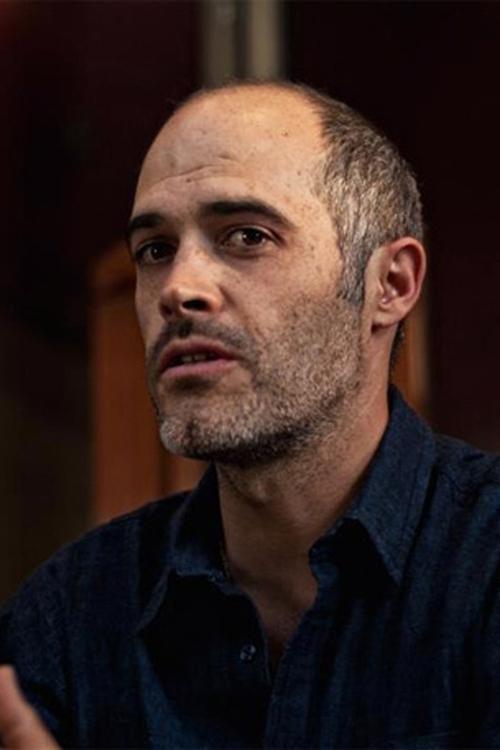
Eugenio Polgovsky
Directing
Biography
Eugenio Polgovsky (June 29, 1977 – August 11, 2017; Mexico City) was a Mexican filmmaker and visual artist. He worked as director, cinematographer, editor, sound designer and producer of his films. Polgovsky was known for the Mexican documentaries "Tropic of Cancer" ( Semaine de la Critique 2005) and Los Herederos "The Inheritors" (Mostra of Venice, Orrizontti 2008 & Berlinale Generation 2009). He was the first filmmaker invited in the history of Trinity College, Cambridge, as Fellow Communer in Arts in 2016. Polgovsky was the founder of Tecolote Films in Mexico City (2004). He has received 4 Ariel Awards, (Mexican Academy Awards) and more than 20 International awards for his films, including the Joris Ivens Award in Cinema Du Réel, París 2005. He became a visionary, innovative and independent documentarist, and he brought an experimental spirit and a poetic eye to the medium of cinematography and worked closely and in a prolonged way with the communities whose stories and conditions he has sought to explore. His personal cinematography enchained with a meticulous and original editing explored the backgrounds of the Mexican reality, from the rural ancient world to the present of the mega city of Mexico. The MoMa of NY presented his film "Tropic of Cancer" as part of a selection of the region’s most innovative contemporary films.
Known For
No description available.
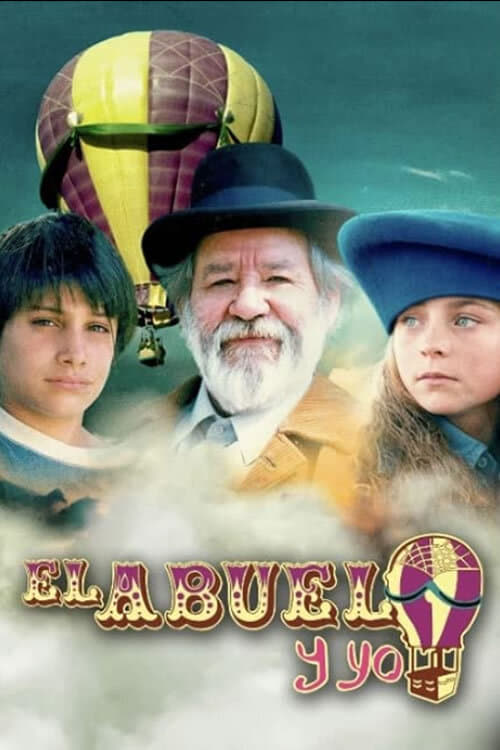
El abuelo y yo
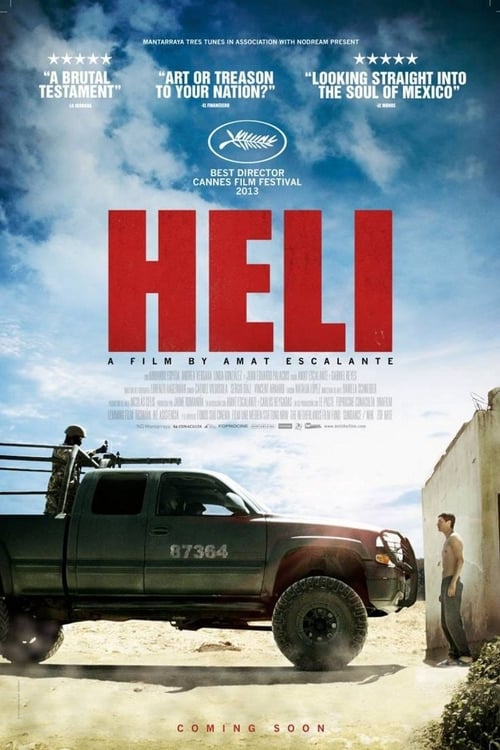
Heli must try and protect his young family when his 12-year-old sister inadvertently involves them in the brutal drug world. He must battle against the drug cartel that have been angered as well as the corrupt police force.
Heli
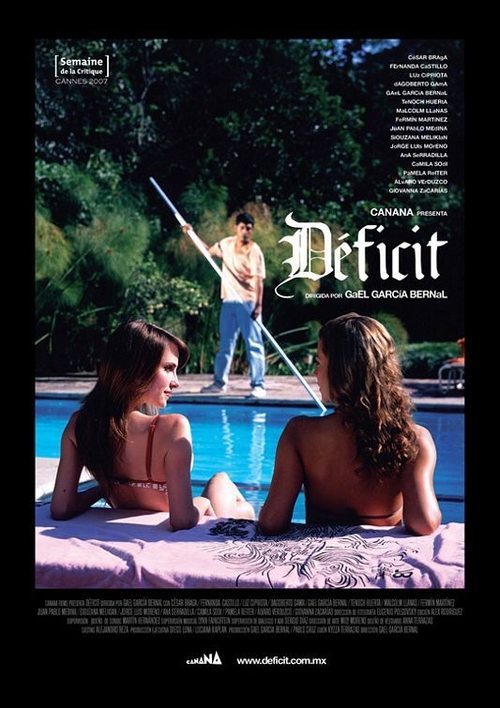
Cristóbal is the son of a corrupt politician with great power. Without his parents at home, he decides to have a party with his wealthy friends. In contrast, there will be the life of the house gardener.
Déficit

The coming-of-age story of young milkboy Martín (García Bernal). While his friends Jesús (Altomaro) and Roberto (Mora) are cocky and apparently they have a lot of experience in sex, young Martín is shy, quiet and virgin. Everything changes when the young cocky boys want to prove they're men and go to a brothel without Martín.
De Tripas, Corazón
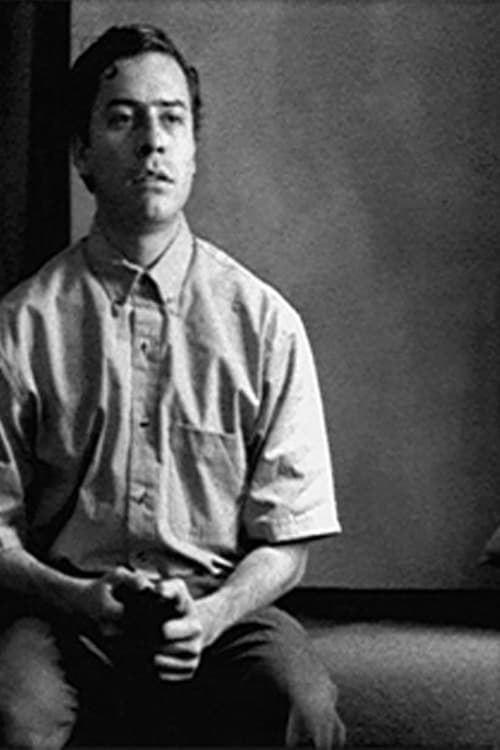
A young man is madly in love with his mother, until he discovers a horrible truth about her sexual behavior.
Family Bonds
A young man learns that people don't expect others to have good intentions.
Good Will
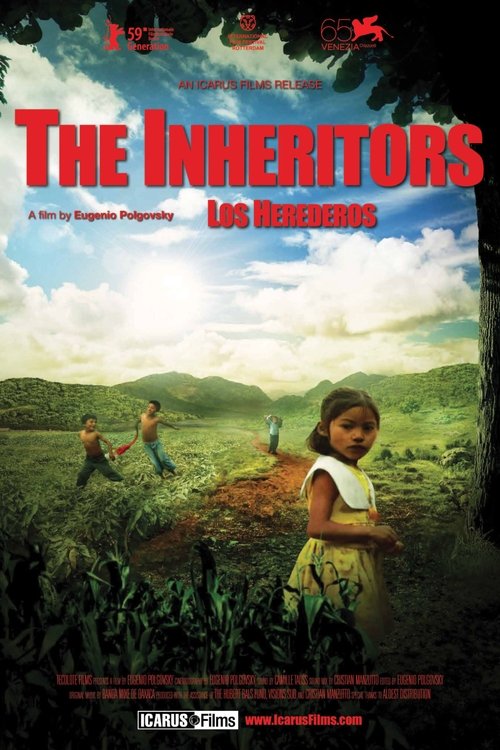
The Inheritors immerses us in the daily lives of children who, with their families, survive only by their unrelenting labor. Polgovsky spent two years filming in many of the poorest rural areas of Mexico.
The Inheritors
No description available.
Anónimo
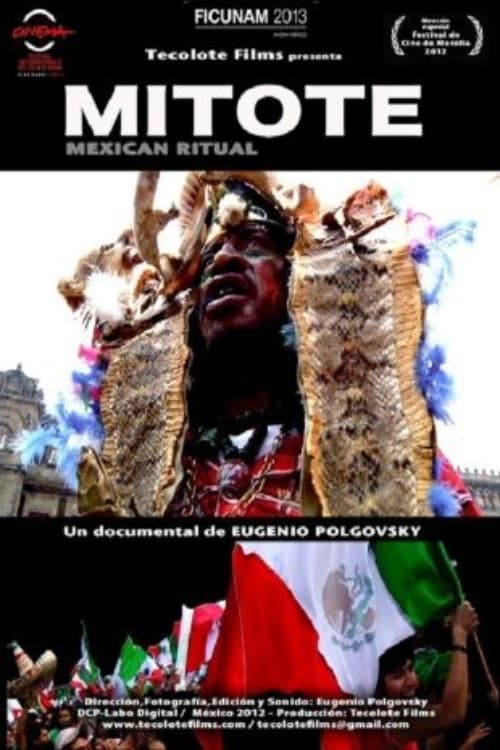
A shaman’s mystical invocations, a protest of furious electricians on a hunger strike and a euphoric football crowd collide in the Zócalo of Mexico City, the country’s central square and ancient ceremonial heart of the Aztec empire. Mitote (Nahuatl for chaos or celebration) transforms the plaza into a wrestling ring, where national commemorations, postmodern rituals and the remains of pre-Hispanic culture clash to the beat of a country enraged.
Mexican Ritual
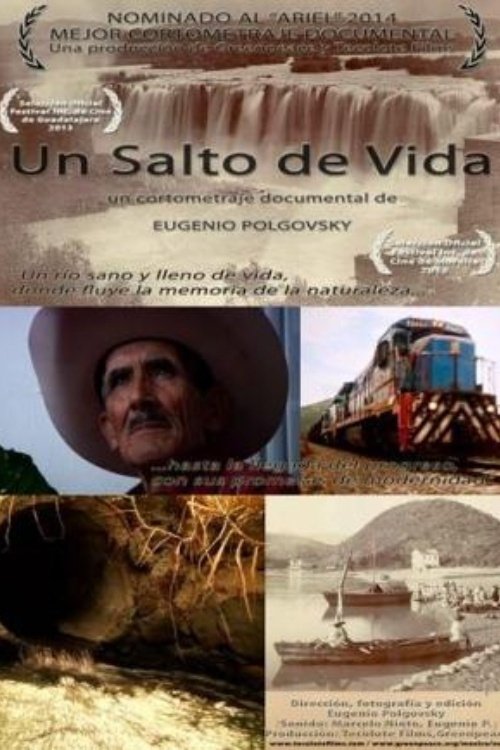
There was a time when the El Salto de Juanacatlán waterfall was considered the Niagara Falls of Mexico for its beauty and crystal-clear waters. The growth of industry in Guadalajara and the incessant pouring of toxic and chemical substances into the Santiago River have devastated this once pristine area, which now also poisons the town itself. For 30 years a family: Graciela, her husband Enrique, and their daughter Sofía, have dedicated themselves to fight against the indifference of the authorities and the impunity of corporations to rescue what was once a river full of life.
A Leap of Life
No description available.
The Colour of His Shade
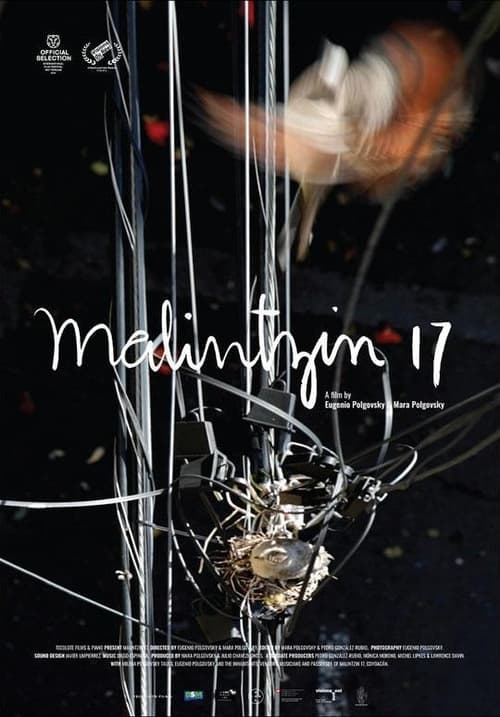
The pigeon is probably fake, says the five-year-old daughter of Mexican filmmaker Eugenio Polgovsky. Perhaps it’s a robot. Why else would a pigeon sit so still on that nest she built atop the power lines, diagonally under their window? For seven days and nights, Polgovsky filmed the bird from his second floor apartment. Together with daughter Mile, he watches life go by: the bin men, the neighbours and their dogs, the gas delivery man, the squirrels dashing through the treetops in search of food. All from the same perspective – basically identical to that of the brooding pigeon, who gets most attention. "Papa, why are you filming her, really?"
Malintzin 17
In Lightbyrinth, 21st-century digital technology meets 19th-century animation in a homage to eminent physicist James C. Maxwell. Filmed in Cambridge using his original zoetrope, the film conjures a sense of wonder at early image-making processes. Intricate editing and sound design create a playful diffraction of colors and a joyful dance of lights and bodies.
Lightbyrinth
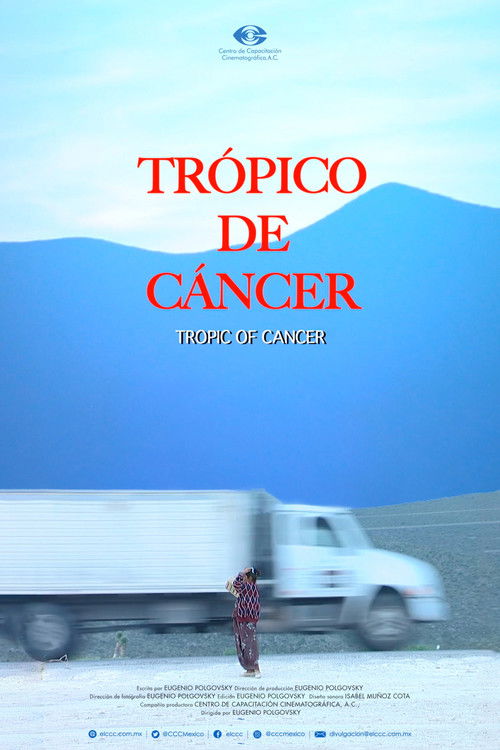
In San Luis Potosi, Mexico, residents survive by hunting animals and selling them on the freeway.
Tropic of Cancer
No description available.
Matapájaros
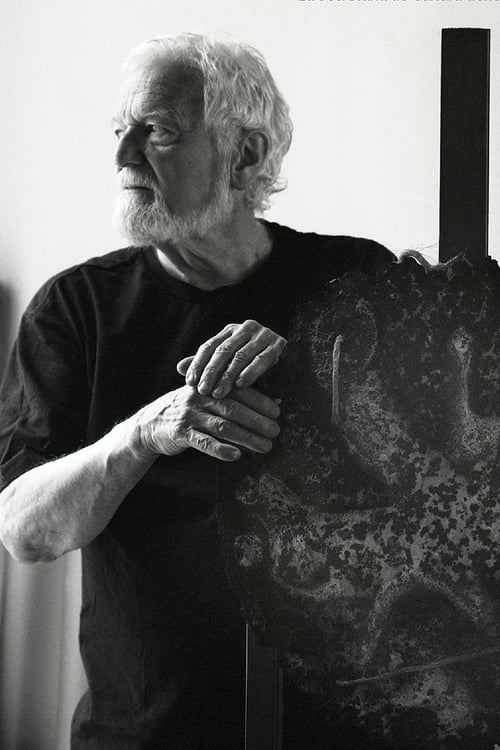
The documentary shows the world of the surrealist Canadian artist Alan Glass, his work, his home, his friends, his boxes, all his universe is presented through the point of view of art critics, artists and friends.
Through Alan Glass
No description available.
Goodbye Marina
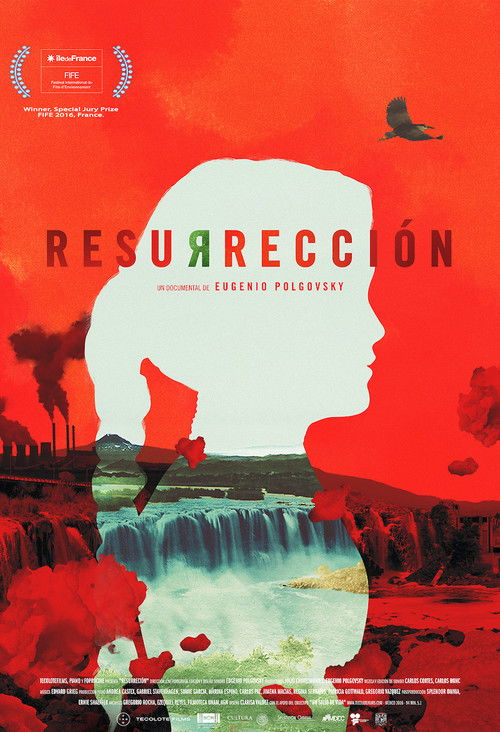
At the foot of the waterfall once known as the Mexican Niagra, the people of El Salto dream only of crystalline waters. Fish, colorful birds and swimming in the river are now just memories of the fishermen who lost their world when the train and industry arrived. Resurrection is an eye opener upon the ruins of the present. The exemplary fight for survival of a family, which goes hand in hand with the destiny of a river.
Resurrection
Filmed in Times Square, this short film presents a dystopian vision of urban life, in which the celebration of high finance rewrites the topography of the city, while natural landscapes and indigenous cultures are trapped in a hyperbolic visual regime.
Success
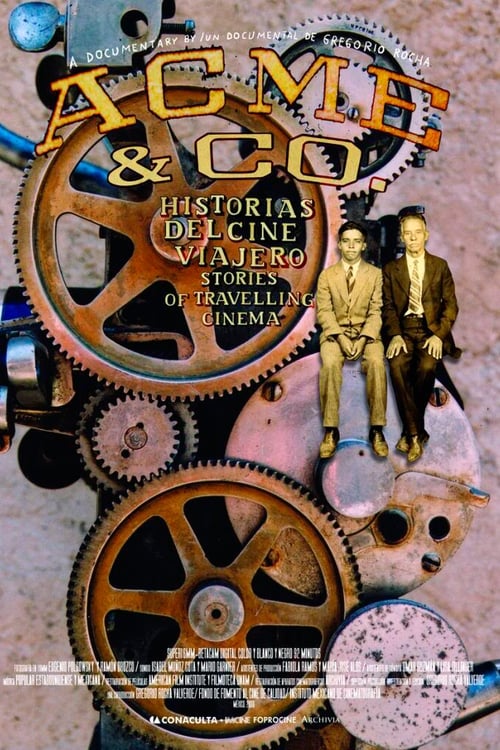
Based on historical and sociological studies, this film reconstructs and illustrates, through documentary and fiction techniques, the story of an Acme model film projector used by Mexican-American businessman and filmmaker Edmundo Padilla during his forays along the northern border of Mexico. between 1920 and 1937, as well as those transhumant film exhibitors who worked in brothels.