Joaquín Coss
Acting
Biography
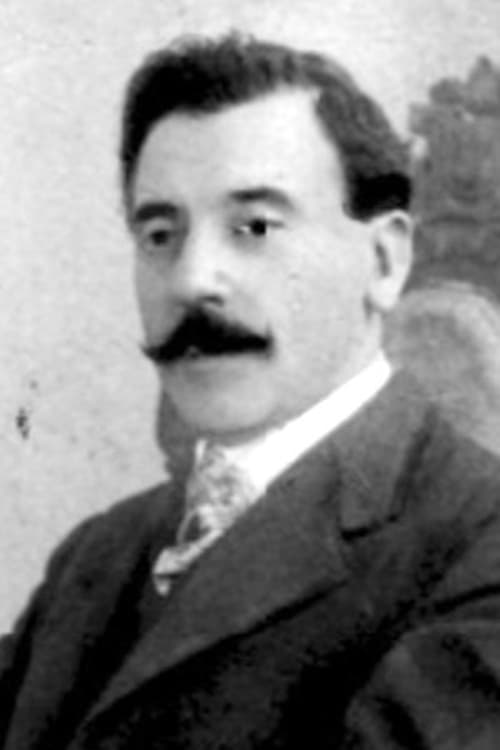
Joaquín Coss was born on January 6, 1886 in Barcelona, Barcelona, Catalonia, Spain as Joaquín Coss Malens. He was an actor and director, known for El automóvil gris (1919),Tiburón (1933) and Ahí está el detalle (1940). He died on February 24, 1948 in Mexico City, Mexico.
Known For

Cantinflas, the boyfriend of the servant of a rich industrial man, gets into the house in order to kill a mad dog. Suddenly this man appears so the servant tells him that Cantinflas is his wife's brother (Leonardo), who had been lost for years. The rich man then remembers that his father in law's testament could only be paid when all brothers get together, so treats Cantinflas, a real bum, as a king.
You’re Missing the Point

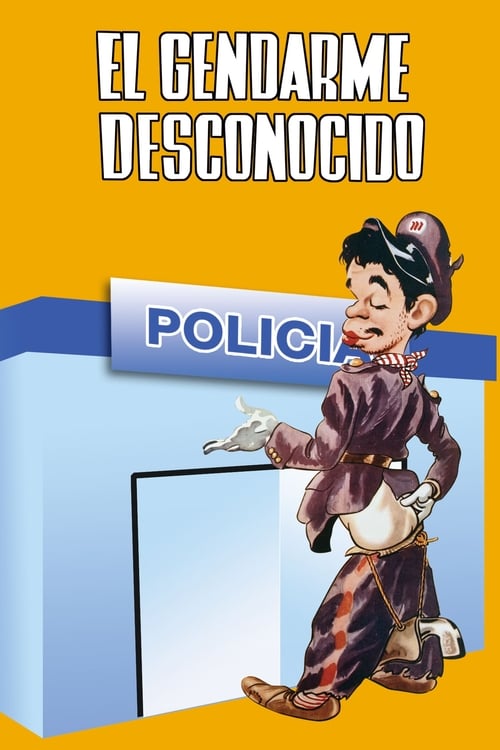
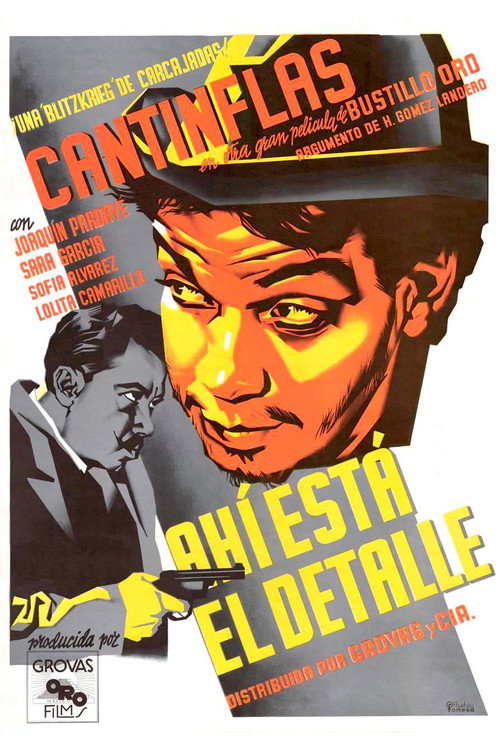
A gang of thieves has jeopardized the city and even the police, whose chief urges their forces to captured the band within 48 hours. Meanwhile, band members meet in a cafe run by a widow and her daughter and her suitor, Cantinflas, who maintains a scuffle with the robbers running all at the station. Since then, Cantinflas become a member of the police force for special missions.
The Unknown Policeman

Story about the rocky relationship between an engaged couple after the husband-to-be discovers a picture of his fiancée with an old boyfriend. He becomes consumed with jealousy and attempts to find out as many details as possible about her life before they met.
Celos

Manuel leaves town leaving Soledad in deep sadness. After several years of absence, the young man returns to find Soledad married to Antonio. However, the woman continues to be in love with him and both are determined to consummate their love.
Story of a Great Love

Mexican feature film
Ojos tapatios

A rootless wilderness-dude in the Venezuelan outback gets caught up in some human dramas despite himself.
Cantaclaro

A 1941 film directed by Fernando de Fuentes.
Creo en Dios

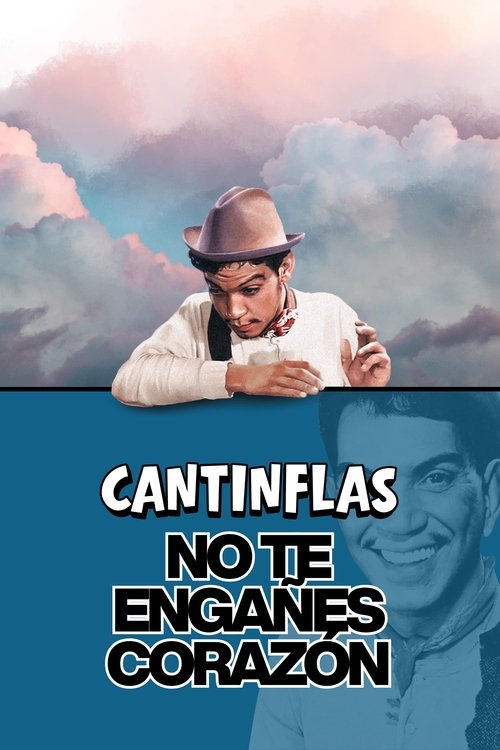
No te engañes corazón (released in English as Don't Fool Yourself Dear) is the first full-feature film of Cantinflas after becoming a star of the carpa circuit (folk theater). It was also one of the earliest films of Sara García and Carlos Orellana and the first where they share the screen. Don Boni (Orellana) is diagnosed with a deadly disease and decides to spend his last days doing good deeds. He leaves his wife and decides to help people. He then gets drunk and wakes up with a winning lottery ticket and realizes that the doctor who diagnosed him has been sent to prison for fraud.
No te engañes corazón

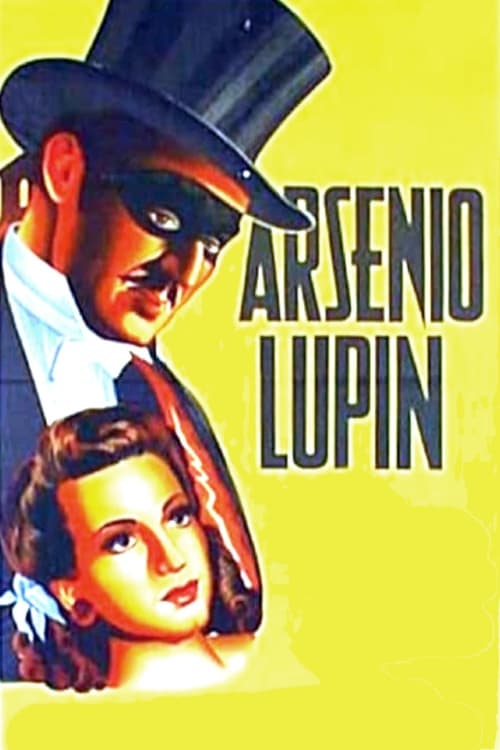
Arsenio Lupin is an audacious Parisian thief who mocks the police, especially Inspector Ganimard, but turns over most of his ill-gotten gains to charity. One night, he attends a party disguised as a newspaper writer who also mocks Ganimard; the next morning, the host's wife and a male guest are found murdered, and Ganimard arrives to solve the crime. A Mexican version of the Arsene Lupin character, with Sherlock Holmes tossed in as a cameo at the end.
Arsenio Lupin

A melodrama that tells the story of a young woman forced to leave home because her stepfather abuses her.
Nobody's Wife

Alberto is born in wartime, where his father dies a hero. He grows up effeminate. His mother sends him to military college where Fernando bullies him, but they become friends. When war comes, he has to face his fears.
El cobarde

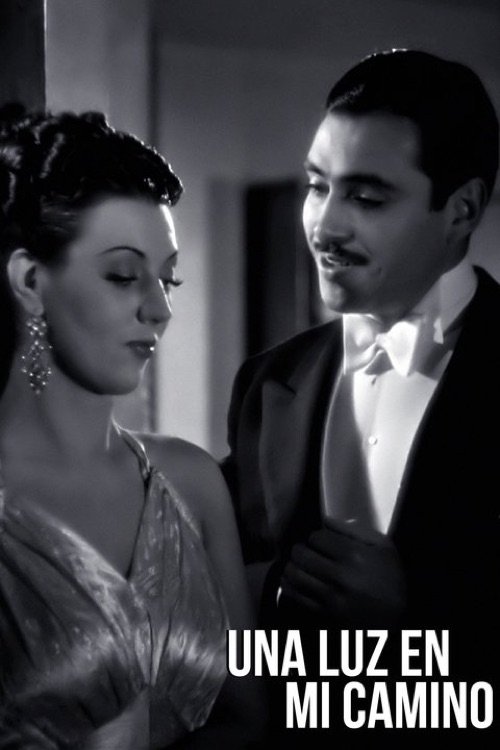
In a small city, talented María was trained as a singer by blind composer Joaquín. They both dream of making it big in the capital but, when they finally make the move, they find that success is not achieved without struggles.
Una luz en mi camino

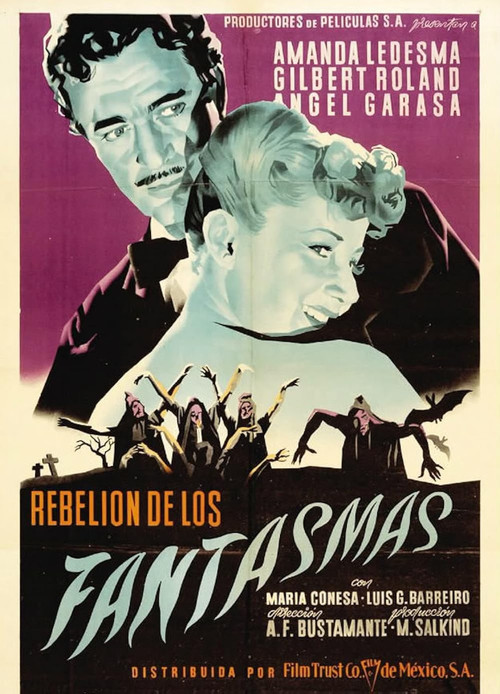
When an old house is about to be demolished to make room for a new radio station the famous ghosts which resides in the house start a revolt to alter the decision.
Revolt of the Ghosts

Two middle-aged no-goodniks are trying to marry two young ladies; two age-appropriate young men concoct a scheme to prevent it, which involves one of them masquerading as the young ladies' aunt.
The Girls Aunt

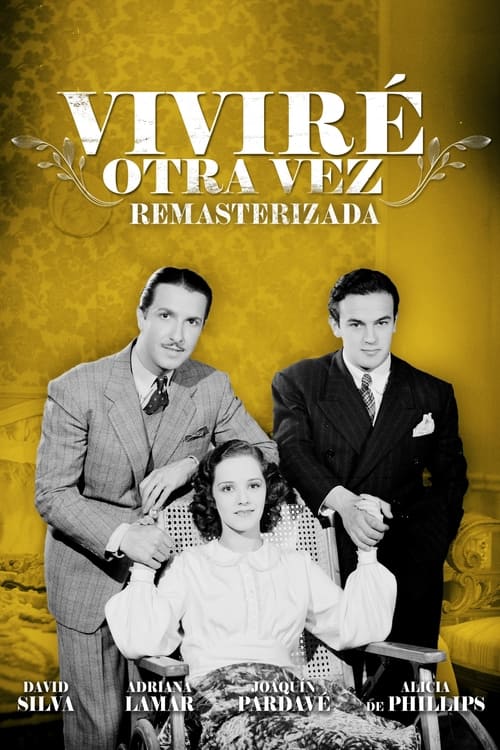
Card-sharks blackmail a dissolute young man into participating in a big robbery; his brother takes the rap for him.
Viviré otra vez

A 1940 film directed by Enrique Herrera.
Los apuros de Narciso

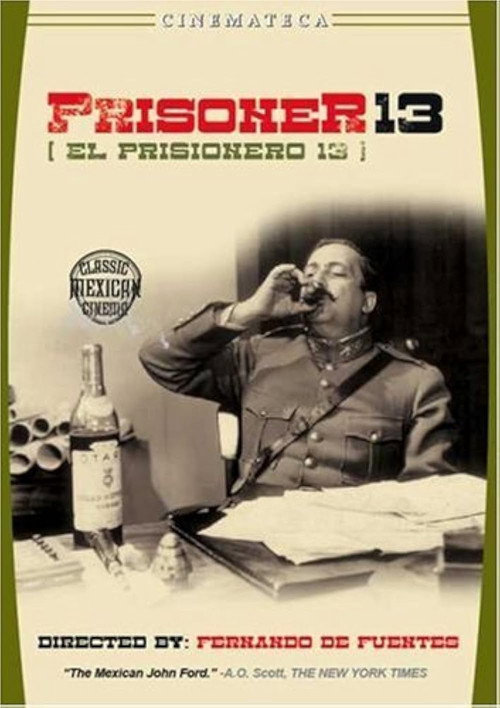
Colonel Carrasco's wife Marta leaves him taking his young son. The child, Juan, grows into an admirable and well-mannered young man. Having been promoted to a higher rank of power amidst the Mexican Revolution, the indulgent and corrupt Colonel accepts a bribe to free a revolutionary, Felipe Martinez, from his prison. Martinez has been sentenced to execution at the hands of a firing squad. Carrasco asks to have the revolutionary replaced by absolutely anyone. In a twist of fate, that anyone turns out to be his own long lost son Juan. Upon receiving this news, Marta races to the prison and explains the predicament to Carrasco. He subsequently desperately attempts to prevent the gunning down of his son by his very own government officials.
Prisoner 13

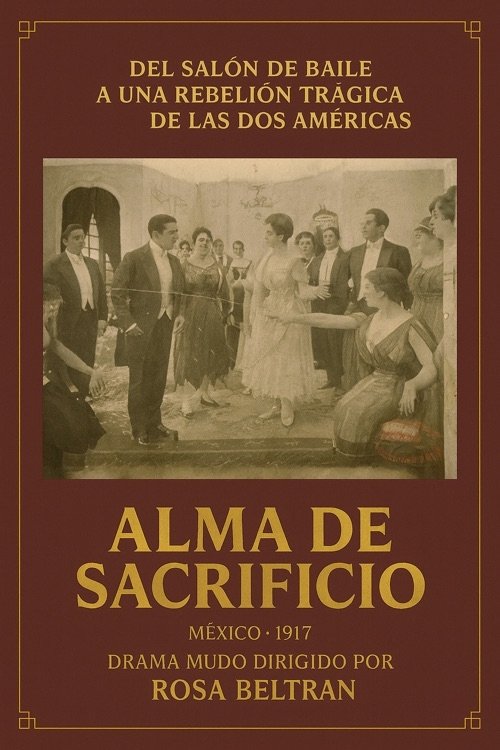
Soul Sacrifice is a 1917 Mexican silent film. It features Sara García as an extra.
Soul Sacrifice

Tired of being mistreated by his wife and children, Isidro (Del Diestro) leaves his family and follows young variety dancer Chayito (Tamayo) to Mexico City. After becoming lovers, Chayito asks Isidro to steal money from the bank he used to work in the small town of San Jacinto. After commiting the robbery, Isidro is accused of murder and things get more complicated.
Las mujeres mandan

A broken high society man tries to keep his family expensive lifestyle by tricking a rich man from out of the town to marry his well intended daughter.