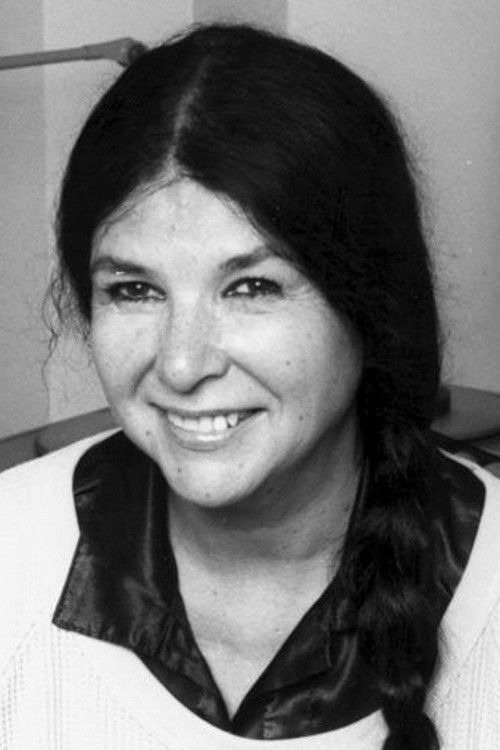
Alanis Obomsawin
Directing
Biography
Alanis Obomsawin, OC (born August 31, 1932) is a Canadian filmmaker of Abenaki descent. Born in New Hampshire, and raised primarily in Quebec, she has produced and directed many National Film Board of Canada documentaries on First Nations culture and history. Description above from the Wikipedia article Alanis Obomsawin, licensed under CC-BY-SA, full list of contributors on Wikipedia.
Known For

No description available.
La semaine des 4 Julie

Each day, Jean-Philippe Wauthier welcomes guests on the show in warm, friendly setting. His interviews focus on their newsworthy achievements but also, and most importantly, on their passions, interests and opinions.
Bonsoir bonsoir!
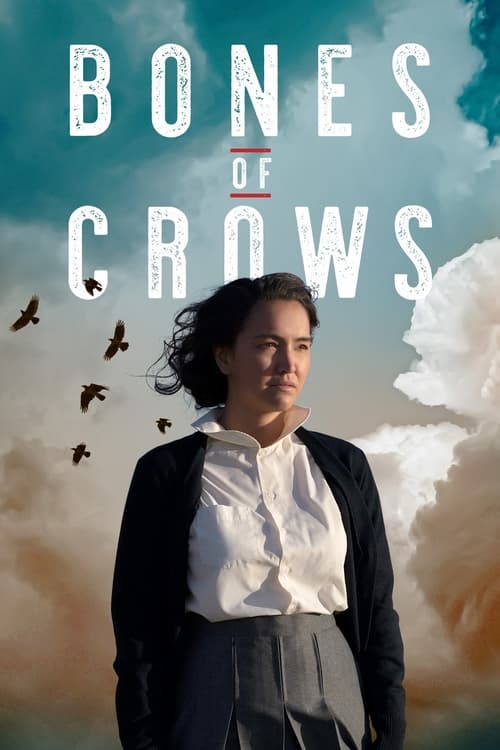
Cree Matriarch Aline Spears survives Canada's residential school system to continue her family's generational fight in the face of systemic starvation, racism, and sexual abuse. The story unfolds over one hundred years with a cumulative force that propels us into the future.
Bones of Crows
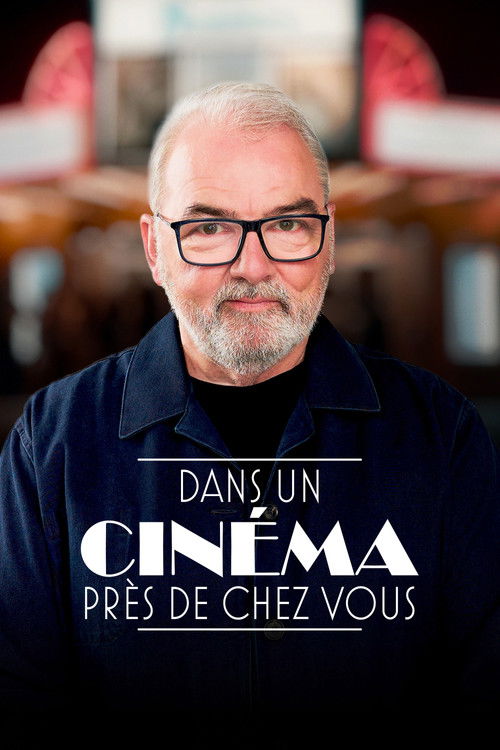
No description available.
Dans un cinéma près de chez vous

Cree matriarch Aline Spears survives a childhood in Canada’s residential school system to continue her family’s generational fight in the face of systemic starvation, racism, and sexual abuse. She uses her uncanny ability to understand and translate codes into working for a special division of the Canadian Air Force as a Cree code talker in World War II. The story unfolds over 100 years with a cumulative force that propels us into the future.
Bones of Crows
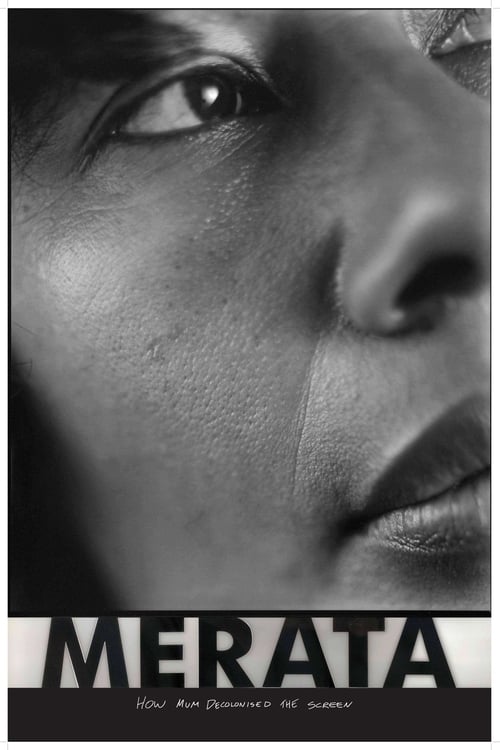
This film is an intimate portrayal of pioneering filmmaker Merata Mita told through the eyes of her children. Using hours of archive footage, some never before seen, her youngest child and director Hepi Mita discovers the filmmaker he never knew and shares the mother he lost, with the world.
Merata: How Mum Decolonised the Screen
Atikamekw elder Cézar Néwashish continues to recount the history of the community of Manawan that first began in The History of Manawan: Part One. As Christianity and European customs take deeper root in the community – abetted by residential schools and aggressive assimilationist government policies – seemingly irreversible changes to significant customs begin to unfold. Despite these struggles, the people carry on. This short is part of the Manawan series directed by Alanis Obomsawin.
History of Manawan - Part Two
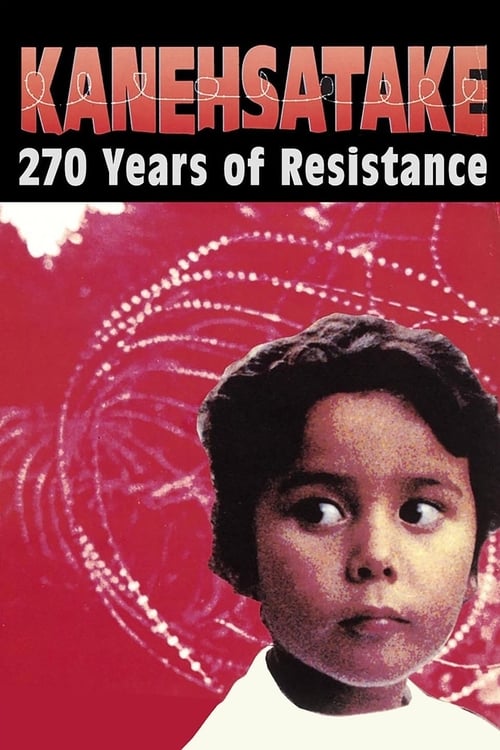
In July 1990, a dispute over a proposed golf course to be built on Kanien’kéhaka (Mohawk) lands in Oka, Quebec, sets the stage for a historic confrontation that would grab international headlines and sear itself into the Canadian consciousness.
Kanehsatake, 270 Years of Resistance
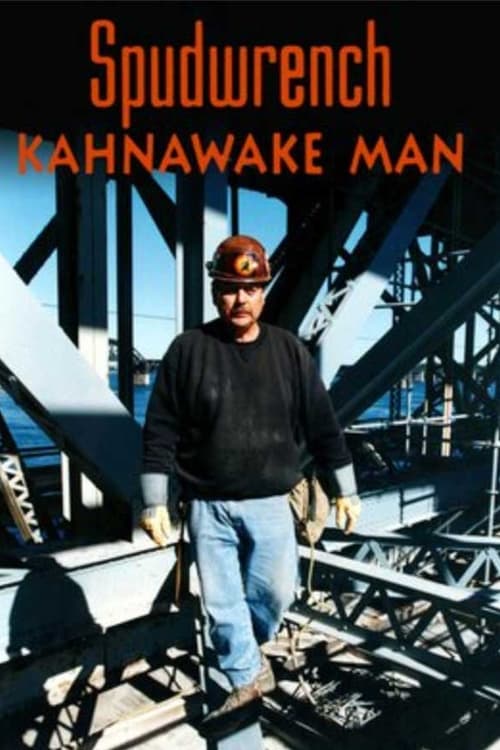
This documentary by acclaimed filmmaker Alanis Obomsawin introduces us to Randy Horne, a high steel worker from the Mohawk community of Kahnawake, near Montreal. As a defender of his people's culture and traditions, he was known as "Spudwrench" during the 1990 Oka crisis. Offering a unique look behind the barricades at one man's impassioned defence of sacred territory, the film is both a portrait of Horne and the generations of daring Mohawk construction workers that have preceded him.
Spudwrench - Kahnawake Man
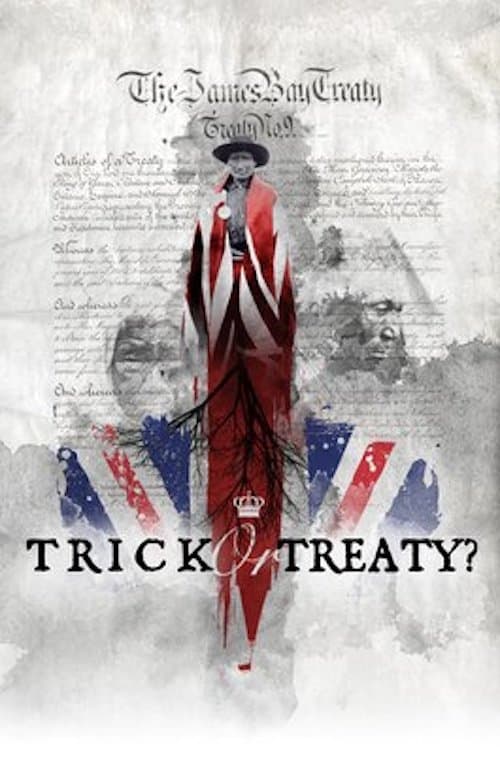
Legendary Canadian documentarian Alanis Obomsawin digs into the tangled history of Treaty 9 — the infamous 1905 agreement wherein First Nations communities relinquished sovereignty over their traditional territories — to reveal the deceptions and distortions which the document has been subjected to by successive governments seeking to deprive Canada’s First Peoples of their lands.
Trick or Treaty?
The life and work of the documentary pioneer.
Documenting John Grierson
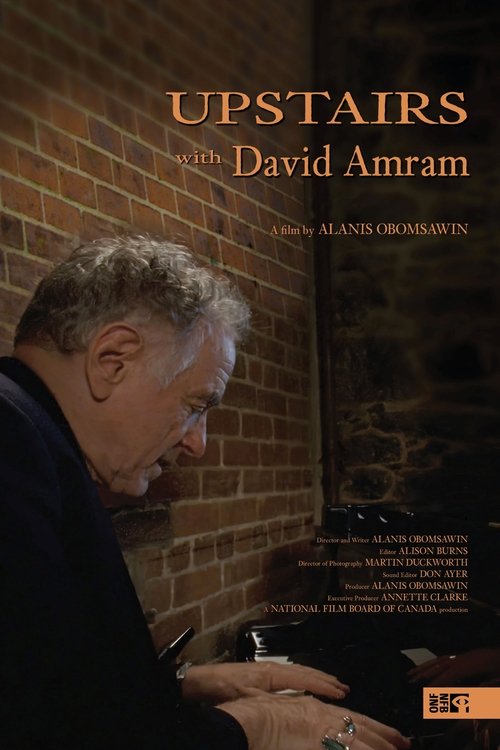
No description available.
Upstairs With David Amram
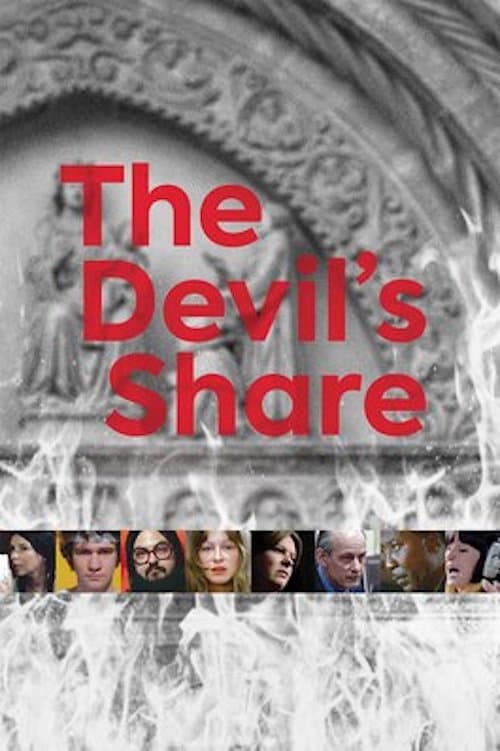
Quebec, on the cusp of the 1960s. The province is on the brink of momentous change. Deftly selecting clips from nearly 200 films from the National Film Board of Canada archives, director Luc Bourdon reinterprets the historical record, offering us a new and distinctive perspective on the Quiet Revolution.
The Devil's Share
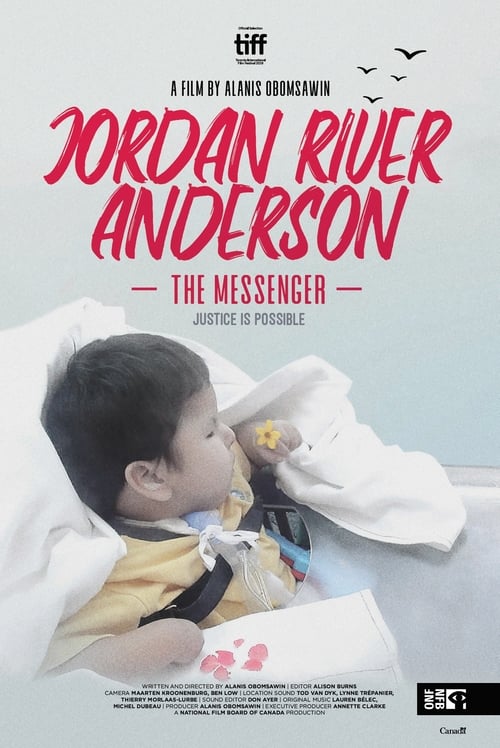
The story of a young boy forced to spend all five years of his short life in hospital while the federal and provincial governments argued over which was responsible for his care, as well as the long struggle of Indigenous activists to force the Canadian government to enforce “Jordan’s Principle” — the promise that no First Nations children would experience inequitable access to government-funded services again.
Jordan River Anderson, The Messenger
Portrait of NFB filmmaker Alanis Obomsawin.
Dream Magic
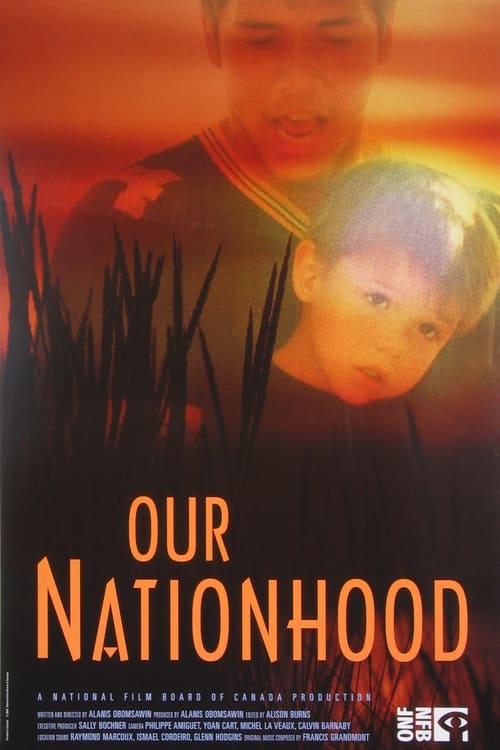
In this feature-length documentary, Indigenous filmmaker and artist Alanis Obomsawin chronicles the determination and tenacity of the Listuguj Mi'kmaq people to use and manage the natural resources of their traditional lands. The film provides a contemporary perspective on the Mi'kmaq people's ongoing struggle and ultimate success, culminating in the community receiving an award for Best Managed River from the same government that had denied their traditional rights.
Our Nationhood

The story of a young Mi'kmaq girl whose name means "the light from the dawn."
Waseteg
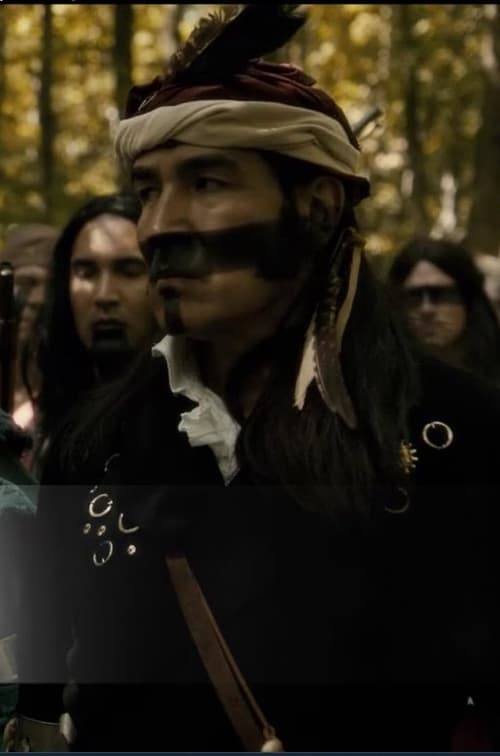
Mohawk Chief John Norton and 80 Grand River warriors hold off American soldiers until reinforcements arrive and the Battle of Queenston Heights is won (1812).
Heritage Minutes: Queenston Heights
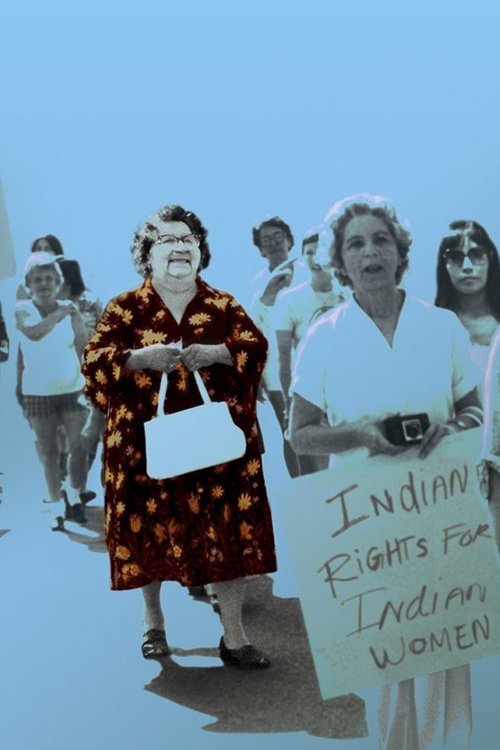
After marrying a settler, Mary Two-Axe Earley lost her legal status as a First Nations woman. Dedicating her life to activism, she campaigned to have First Nations women's rights restored and coordinated a movement that continues to this day. Kahnawake filmmaker Courtney Montour honours this inspiring leader while drawing attention to contemporary injustices that remain in this era of truth and reconciliation.
Mary Two-Axe Earley: I Am Indian Again
From cinema-verite; pioneers Albert Maysles and Joan Churchill to maverick movie makers like Errol Morris, Werner Herzog and Nick Broomfield, the world's best documentarians reflect upon the unique power of their genre. Capturing Reality explores the complex creative process that goes into making non-fiction films. Deftly charting the documentarian's journey, it poses the question: can film capture reality?