Paula Raymond
Acting
Biography
From Wikipedia, the free encyclopedia. Paula Raymond (November 23, 1924 – December 31, 2003) was an American model and actress. In 1950, she was put under contract by MGM, where she played opposite such leading men as Cary Grant and Dick Powell. Earlier in her career, Raymond acted in film noir thrillers such as City That Never Sleeps (with Gig Young and Marie Windsor), but later in her career she developed a horror film reputation. In 1952, she played the heroine in The Beast From 20,000 Fathoms. In the late 1950s and 1960 Raymond appeared in many television shows and low-budget horror movies including Perry Mason, Hawaiian Eye, 77 Sunset Strip, and Blood of Dracula's Castle with Alexander D'Arcy and John Carradine. She turned down the role of saloon keeper Kitty in the long-running western classic series Gunsmoke (the role went to Amanda Blake). In 1962, Raymond was a passenger in a car that crashed into a tree on Sunset Boulevard. Her nose was severed by the rear view mirror. After only a little more than a year of extensive plastic surgery and recovery she returned to acting. In 1977, while working on the soap opera Days of our Lives, after only 3 appearances, she accidentally tripped on a telephone cord and broke her ankle. She was written out of the show. In 1984 she broke both hips, and in 1994 she broke her shoulder. Raymond was previously married. In 1944, Raymond married Floyd Leroy Patterson. In 1946, they divorced shortly after the birth of their daughter, Raeme Dorene Patterson. In 1993, Raymond's daughter died. In 2003, Raymond died at the age of 79 from a series of respiratory ailments. Description above from the Wikipedia article Paula Raymond, licensed under CC-BY-SA, full list of contributors on Wikipedia.
Known For

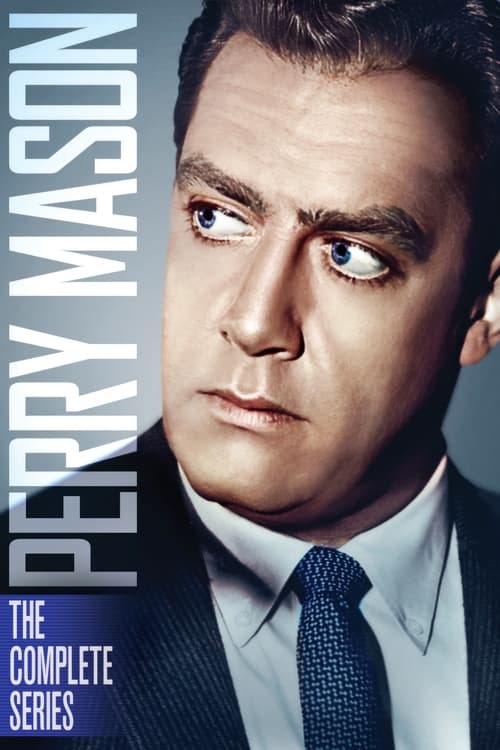
The cases of master criminal defense attorney Perry Mason and his staff who handled the most difficult of cases in the aid of the innocent.
Perry Mason

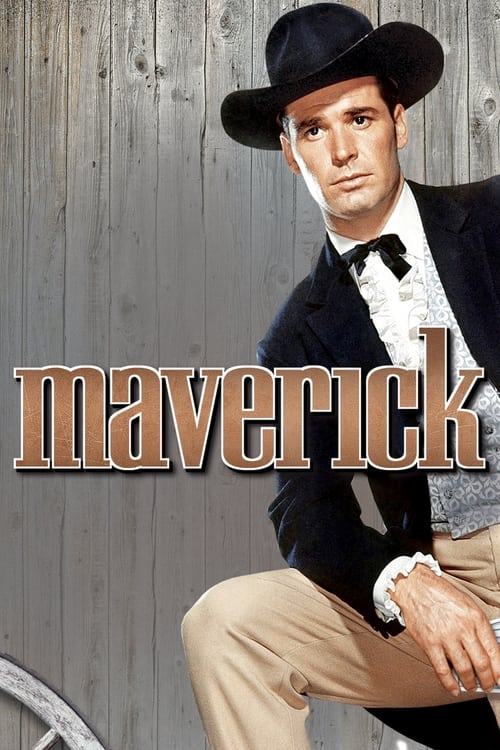
The Maverick boys - Bret, Bart, Beau and Brent - are a clan of well-dressed dandies, gamblers who'd much rather make their money playing cards than messing up their fine clothing with actual work. Sly and clever, none of the Mavericks are much for acts of derring do, but they can be courageous when the situation calls for it. Most often, however, they live by their wits and considerable charm.
Maverick

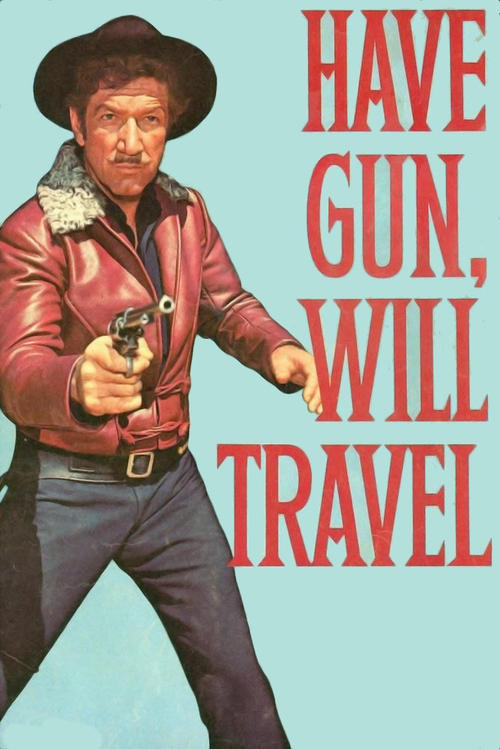
Have Gun – Will Travel is an American Western television series that aired on CBS from 1957 through 1963. It was rated number three or number four in the Nielsen ratings every year of its first four seasons. It was one of the few television shows to spawn a successful radio version. The radio series debuted November 23, 1958. The television show is presently shown on the Encore-Western channel. Have Gun – Will Travel was created by Sam Rolfe and Herb Meadow and produced by Frank Pierson, Don Ingalls, Robert Sparks, and Julian Claman. There were 225 episodes of the TV series, 24 written by Gene Roddenberry. Other contributors included Bruce Geller, Harry Julian Fink, Don Brinkley and Irving Wallace. Andrew McLaglen directed 101 episodes and 19 were directed by series star Richard Boone.
Have Gun, Will Travel
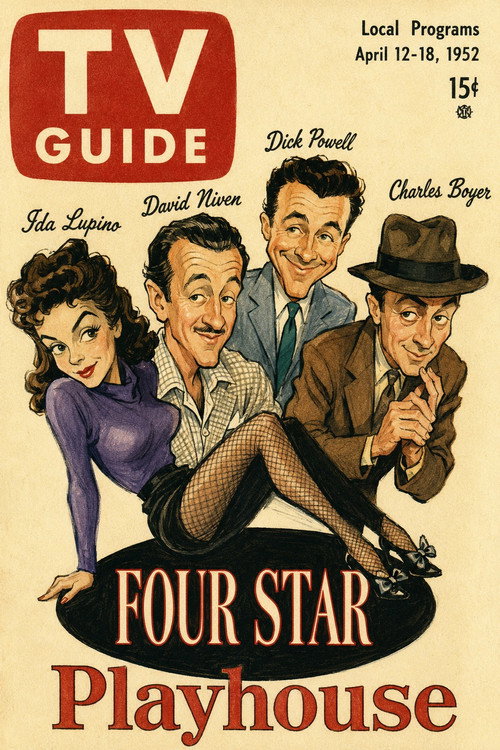
Four Star Playhouse is an American television anthology series that ran from 1952 to 1956, sponsored in its first bi-weekly season by The Singer Company; Bristol-Myers became an alternate sponsor when it became a weekly series in the fall of 1953. The original premise was that Charles Boyer, Ida Lupino, David Niven, and Dick Powell would take turns starring in episodes. However, several other performers took the lead from time to time, including Ronald Colman and Joan Fontaine. Blake Edwards was among the writers and directors who contributed to the series. Edwards created the recurring character of illegal gambling house operator Willie Dante for Dick Powell to play on this series. The character was later revamped and spun off in his own series starring Howard Duff, then-husband of Lupino. The pilot for Meet McGraw, starring Frank Lovejoy, aired here, as did another episode in which Lovejoy recreated his role of Chicago newspaper reporter Randy Stone, from the radio drama Nightbeat.
Four Star Playhouse

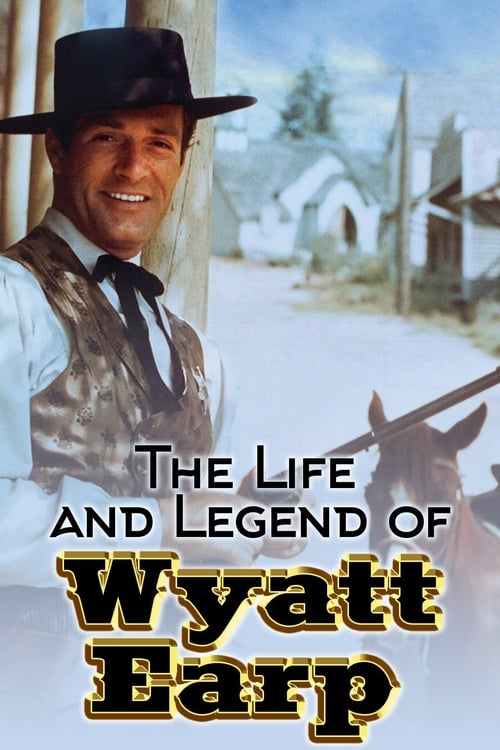
The Life and Legend of Wyatt Earp is a television western series loosely based on the life of frontier marshal Wyatt Earp. The half-hour black-and-white program aired for 229 episodes on ABC from 1955 to 1961 and featured Hugh O'Brian in the title role.
The Life and Legend of Wyatt Earp

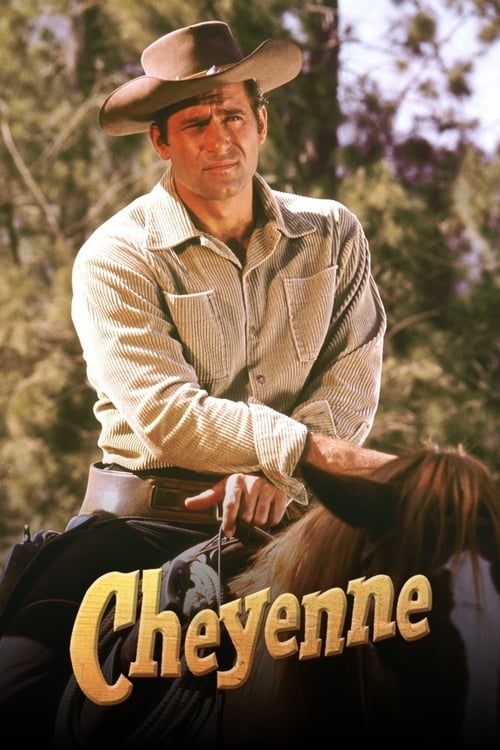
Cheyenne Bodie was a big man, a former army scout who went west after the American Civil War and drifted from job to job, here a cowboy, there a lawman, and always a larger-than-life hero. CHEYENNE is an American western television series of 108 black-and-white episodes broadcast on ABC from 1955 to 1963. The show was the first hour-long western, and in fact the first hour-long dramatic series of any kind, with continuing characters, to last more than one season. It was also the first series to be made by a major Hollywood film studio which did not derive from its established film properties, and the first of a long chain of Warner Brothers original series produced by William T. Orr.
Cheyenne

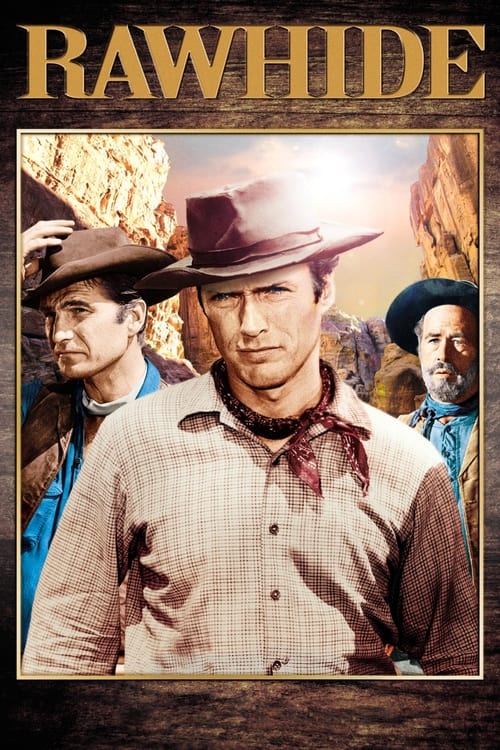
The tale of trail boss Gil Favor and his trusty foreman Rowdy Yates as they drives cattle across the old west. Along the way they meet up with adventure and drama.
Rawhide

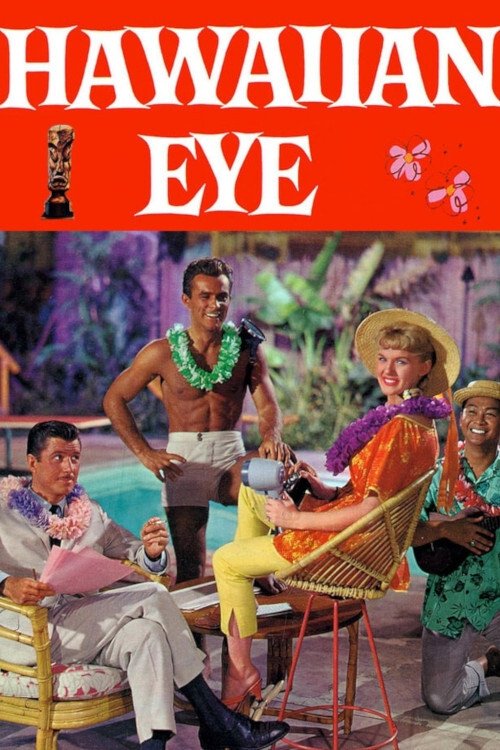
Private Eyes Tom Lopaka and Tracy Steele are based out of Hawaiian Village Resort where they work both hotel security and are hired by others to look into various matters. They're helped by their trusty right-hand man Kazuo Kim who runs a taxi company and is always eager to help them.
Hawaiian Eye

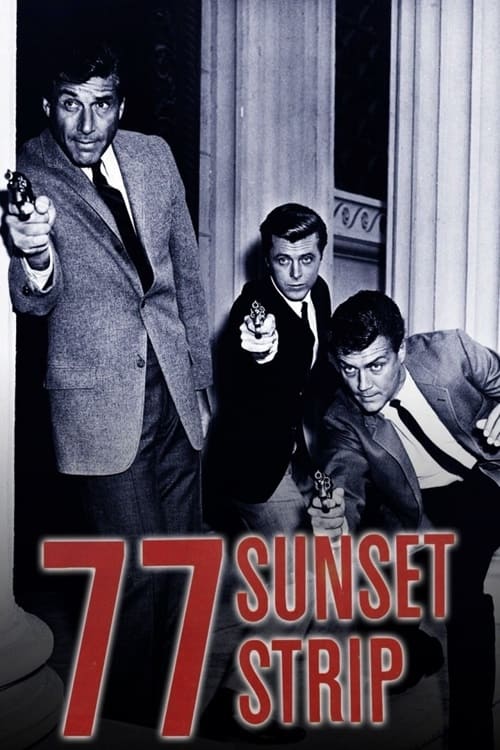
Stu Bailey and Jeff Spencer are the wisecracking, womanizing private-detective heroes of this Warner Brothers drama. They work out of an office located at 77 Sunset Strip in Los Angeles, California, right next door to a snazzy restaurant where Kookie works as a valet. The finger-snapping, slang-talking Kookie occasionally helps Stu and Jeff with their cases, and eventually becomes a full-fledged member of the detective agency. Rex Randolph and J.R. Hale also join the firm, and Suzanne is their leggy secretary.
77 Sunset Strip

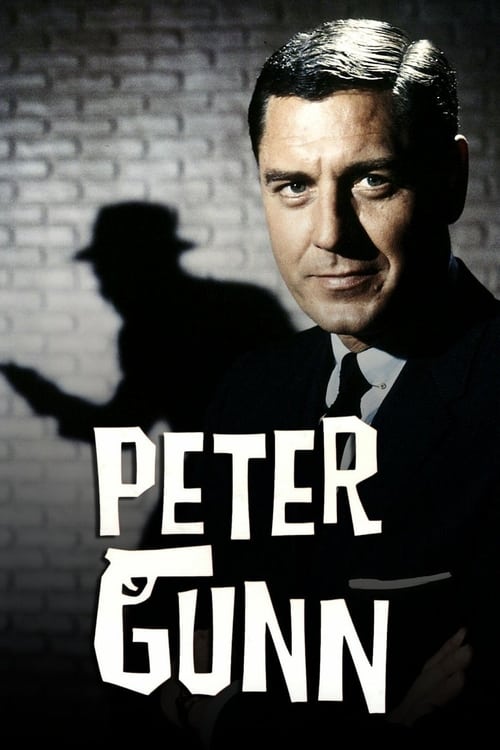
Peter Gunn is an American private eye television series. Filmed in a film noir atmosphere and featuring Henry Mancini music that could tell you the action with your eyes closed, Peter Gunn worked in style. Known as Pete to his friends and simply as Gunn to his enemies, he did his job in a calm cool way.
Peter Gunn

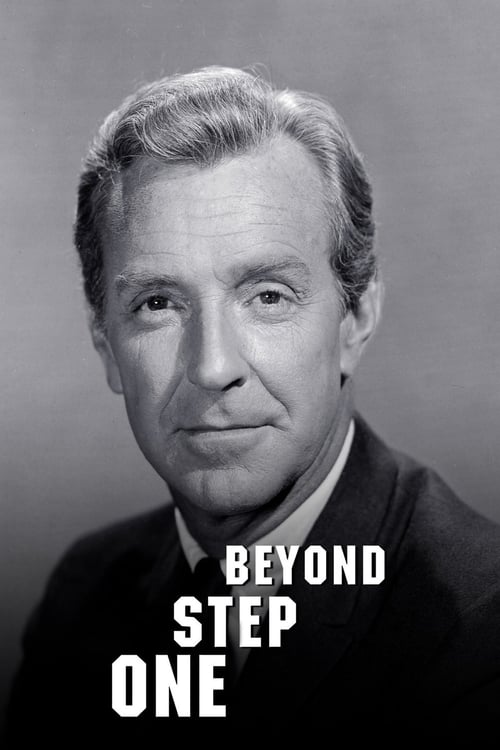
Alcoa Presents: One Step Beyond is an American anthology series created by Merwin Gerard. The original series ran for three seasons on ABC from January 1959 to July 1961.
One Step Beyond

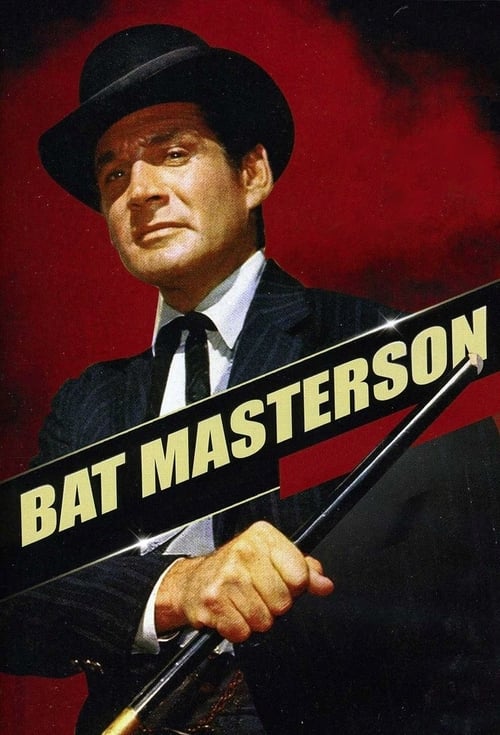
Bat Masterson is an American Western television series which showed a fictionalized account of the life of real-life marshal/gambler/dandy Bat Masterson. The title character was played by Gene Barry and the half-hour black-and-white shows ran on NBC from 1958 to 1961. The series was produced by Ziv Television Productions, the company responsible for such hit series as Sea Hunt and Highway Patrol.
Bat Masterson

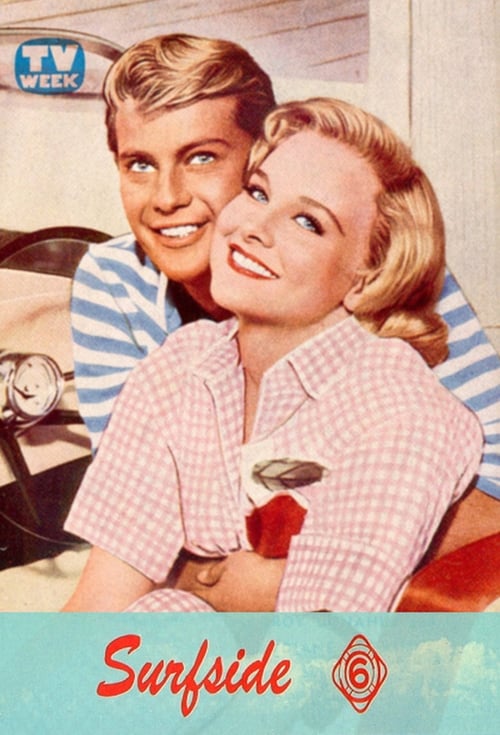
Surfside 6 was an ABC television series which aired from 1960 to 1962. The show centered on a Miami Beach detective agency set on a houseboat and featured Troy Donahue as Sandy Winfield II; Van Williams as Kenny Madison; and Lee Patterson as Dave Thorne. Diane McBain co-starred as socialite Daphne Dutton, whose yacht was berthed next to their houseboat. Margarita Sierra also had a supporting role as Cha Cha O'Brien, an entertainer who worked at The Boom Boom Room, a popular Miami Beach hangout at the Fontainebleau Hotel, directly across the street from Surfside 6. Surfside 6 was in fact a real address in Miami Beach, where an unrelated houseboat was moored at the time; it can also be seen in the sweeping aerial establishing shot of the Fontainebleu in 1964's Goldfinger.
Surfside 6

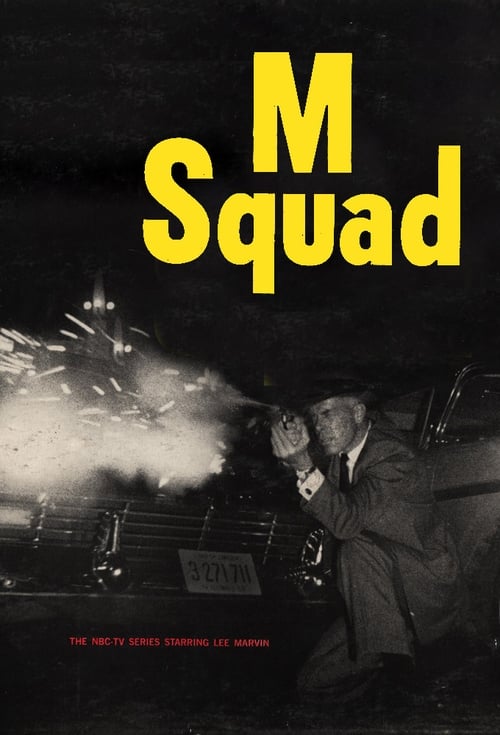
Lt. Frank Ballinger is a no-nonsense plain clothes cop in the elite M Squad Division. The Squad's task is to root out organised crime and corruption in America's Second City, Chicago.
M Squad
State Trooper is an American crime drama set in the 1950s American West, starring Rod Cameron as Rod Blake, an officer of the Nevada Department of Public Safety. The series aired 104 episodes in syndication from September 25, 1956, to June 25, 1959.
State Trooper

Cavalcade of America is an anthology drama series that was sponsored by the DuPont Company, although it occasionally presented a musical, such as an adaptation of Show Boat, and condensed biographies of popular composers. It was initially broadcast on radio from 1935 to 1953, and later on television from 1952 to 1957. Originally on CBS, the series pioneered the use of anthology drama for company audio advertising. Cavalcade of America documented historical events using stories of individual courage, initiative and achievement, often with feel-good dramatizations of the human spirit's triumph against all odds. This was consistent with DuPont's overall conservative philosophy and legacy as an American company dating back to 1802. The company's motto, "Maker of better things for better living through chemistry," was read at the beginning of each program, and the dramas emphasized humanitarian progress, particularly improvements in the lives of women, often through technological innovation.
Cavalcade of America

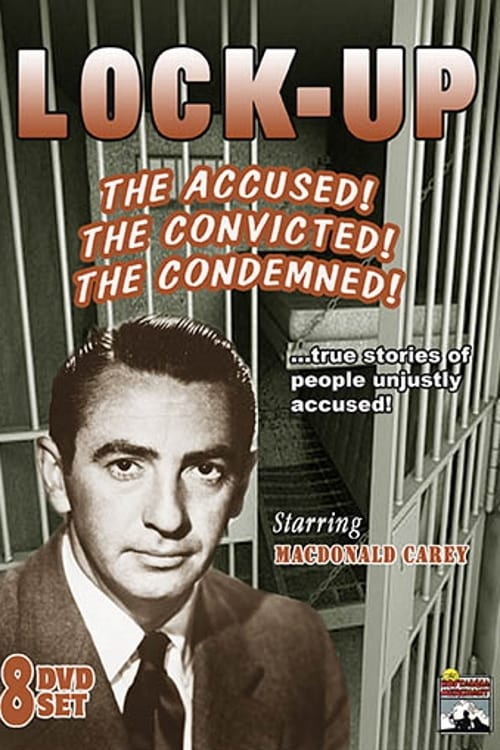
Lock-Up is an American legal drama series that premiered in syndication in September 1959 and concluded in June 1961. The half-hour episodes had little time for character development or subplots and presented a compact story without embellishment.
Lock-Up

Tightrope is an American crime drama series that aired on CBS from September 1959 to September 1960, under the alternate sponsorship of the J.B. Williams Company, and American Tobacco. Produced by Russell Rouse and Clarence Greene in association with Screen Gems, the series stars Mike Connors as an undercover agent named "Nick" who was assigned to infiltrate criminal gangs. The show was to have originally been titled Undercover Man but it was changed before going to air.
Tightrope

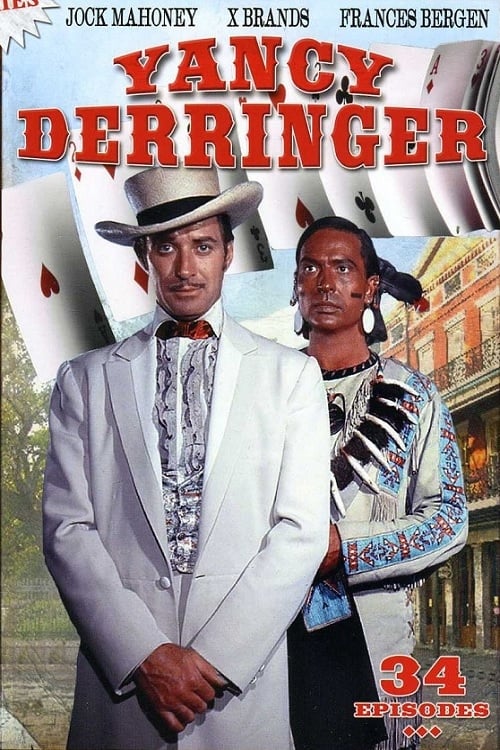
Yancy Derringer is an American Western series
Yancy Derringer

No description available.