Ralph Steiner
Directing
Biography
Ralph Steiner (February 8, 1899 – July 13, 1986) was an American photographer, pioneering documentarian, and a prominent figure in the avant-garde film movement of the 1930s. Known for his innovative approach to visual storytelling, Steiner's work in both still photography and film helped shape the development of American documentary filmmaking. He is perhaps best remembered for his groundbreaking films like H2O (1933) and The City (1939), which showcased his unique ability to merge aesthetics with social and environmental themes. His avant-garde style, blending abstract imagery with real-world subjects, pushed the boundaries of both documentary and experimental cinema. Throughout his career, Steiner was deeply committed to using film as a means to reflect the complexities of modern life and human experience.
Known For

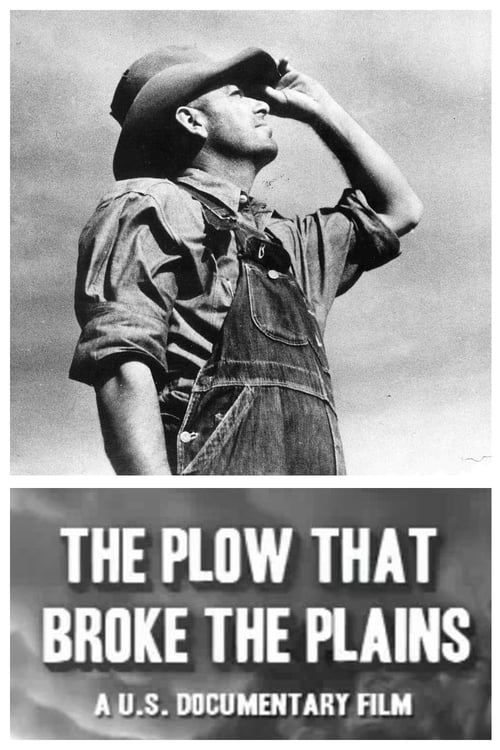
A documentary about what happened to the Great Plains of the United States and Canada when uncontrolled farming destroyed the soil and led to the Dust Bowl.
The Plow That Broke the Plains

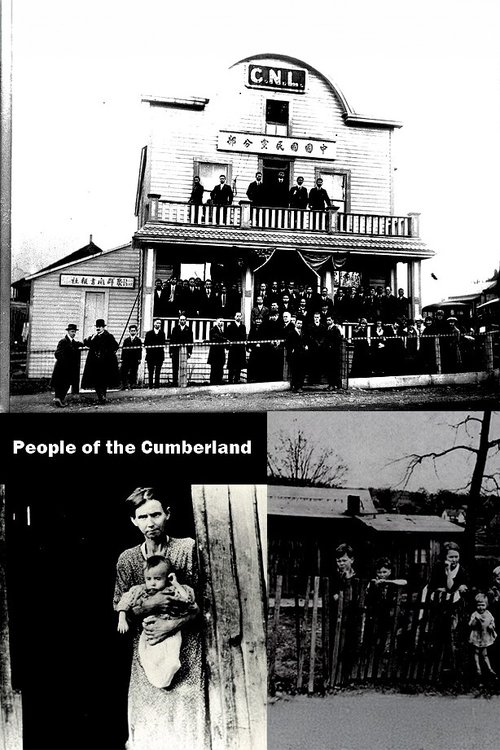
The film takes place in rural Tennessee, where communities have experienced economic and environmental devastation created by the coal mining industry. The introduction of the Highlander Folk School in 1931 by educator Myles Horton and the movement to bring labor union representation to the region are shown as means of empowering the population. Efforts are made to stop the union activities with the murder of a local organizer, but eventually the union movement is able to take root with the local workforce.
People of the Cumberland

Close up we see pistons move up and down or side to side. Pendulums sway, the small parts of machinery move. Gears drive larger wheels. Gears within gears spin. Shafts turn some mechanism that is out of sight. Screws revolve and move other gears; a bit rotates. More subtle mechanisms move other mechanical parts for unknown purposes. Weights rise and fall. The movements, underscored by sound, are rhythmic. Circles, squares, rods, and teeth are in constant and sometimes asymmetrical motion. These human-made mechanical bits seem benign and reassuring.
Mechanical Principles

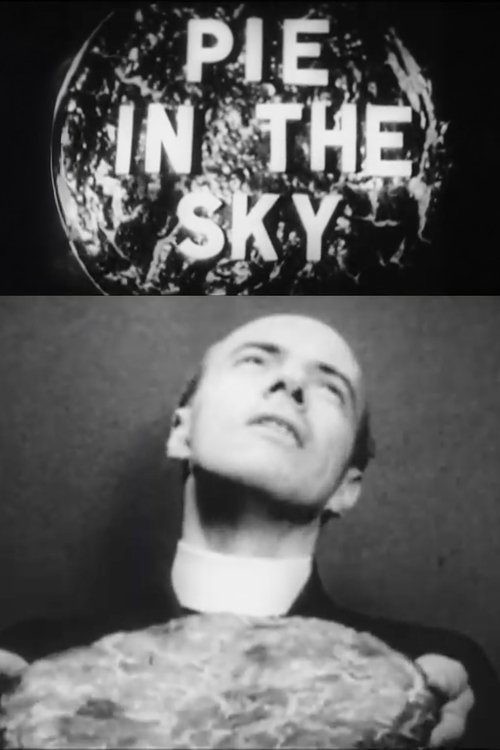
At a skid row mission, a cleric opines as men wait to eat. After his sermon, he brings out a pie and cuts it into small slices. The two men at the end of the line get none. They leave the mission and head for a garbage dump where junk becomes props for their play. A dress form becomes Mae West; a rusted car gives them a wild ride. Then, one dresses as a priest and promises pie in the sky. By the end, they sport metal halos.
Pie in the Sky

“Unhappy with the limited structure of league newsreels, Nykino, a splinter filmmaking collective, produced a MARCH OF TIME-type series under the banner THE WORLD TODAY. Only two episodes were released, the first premiering with Strand’s THE WAVE (1936). This one, like NATIVE LAND, addresses fascism in America.” - Bruce Posner” (via Light Cone). Not to be confused with the similarly titled Black Legion from 1937, directed by Archie Mayo.
The World Today: The Black Legion - Shadow of Fascism Over America

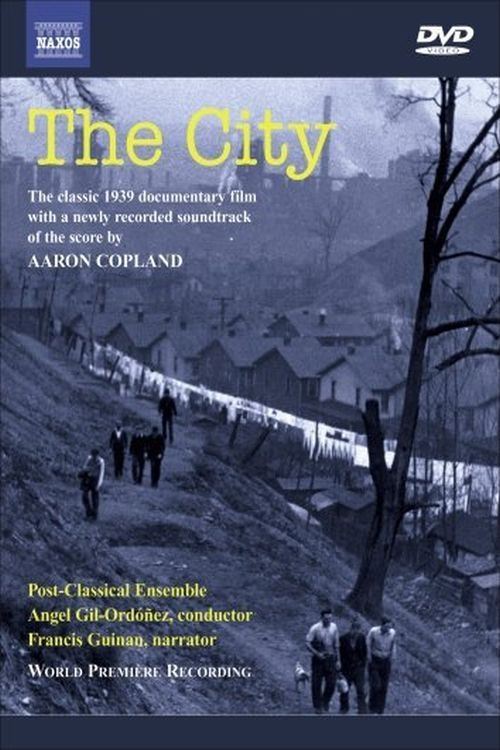
A prescient documentary about city planning, which presents idyllic suburbs and nuclear families as a solution to the chaos, poverty and social decay of industrialized inner cities.
The City

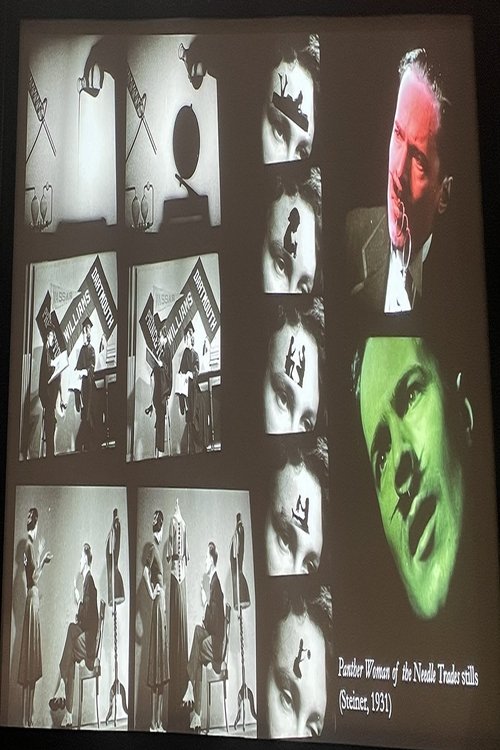
The photographer Ralph Steiner, who had been making abstract avant-garde films in the late 1920s, contributed his own parody of American economic life with PANTHER WOMAN OF THE NEEDLE TRADES, OR THE LOVELY LIFE OF LITTLE LISA (1931). The film, which opens with Jehovah (Morris Carnovsky) creating the world out of a test tube, proceeds to present a short history of the universe before the birth of Elizabeth Hawes (1903), the heroine of the film’s title. It then follows her career from childhood seamstress to Parisian designer of haute couture via a college education at Vassar. Reminiscent of Robert Florey’s THE LIFE AND DEATH OF 9413—A HOLLYWOOD EXTRA (1928) in terms of its art direction and elliptical narrative style, PANTHER WOMAN is a parody of the all-American success story, a young woman’s fantasy of a glamorous career in an age of diminishing possibilities. (via: http://encyclopedia.jrank.org/articles/pages/2902/Avant-Garde-Film.html)
Panther Woman of the Needle Trades, or The Lovely Life of Little Lisa

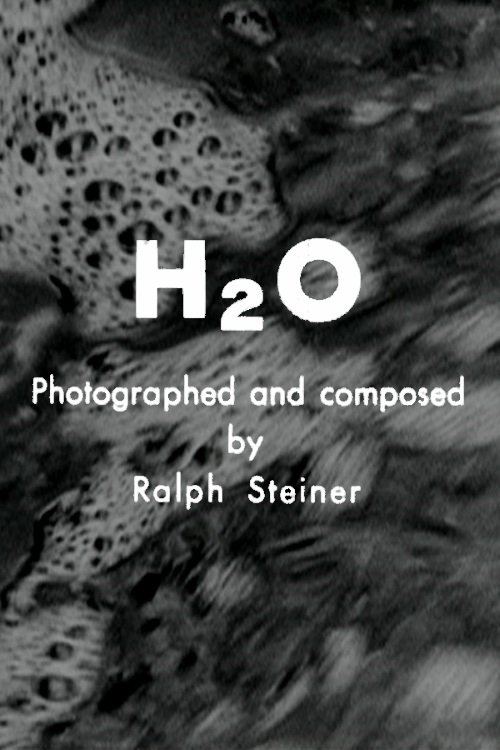
A cinematic tone poem, showcasing the dynamic nature of water through its various forms.
H₂O

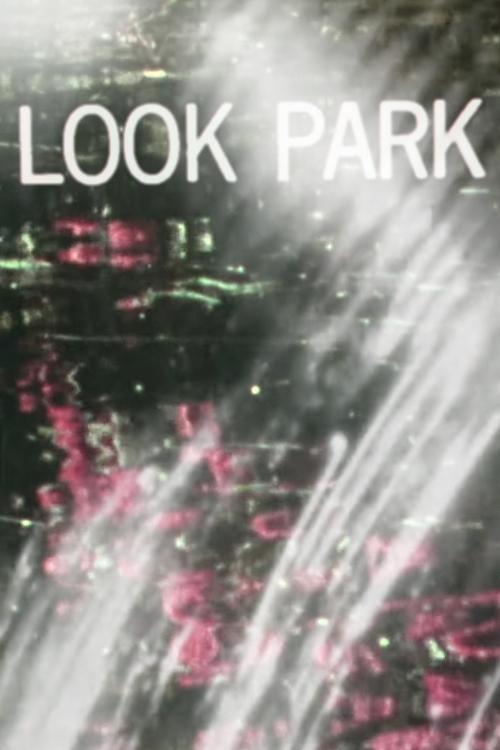
Look Park presents close up shots of a country stream viewed in bright sunlight. The film opens with wide shots of the park to establish the location of the water, then focuses in very tight on the abstract reflections and shadows.
Look Park
Short subject commissioned by the National Youth Association to show their efforts at providing job training for unemployed poor youth.
Youth Gets a Break

A commercial for the Works Progress Administration. We see hands close up: working, playing, praying, whittling, and strumming. Hands use saws and hammers, lift stones, turn wheels, then write, type, apply a bandage, play a violin, use a compass, and hold a U.S. Treasury note. Hands put a shoe on a customer, shake a thermometer, and count out bills and coins into other waiting hands. A hand places an engagement ring on a finger, buys a movie ticket, and reels in a fishing line. There are multiple images repeating what we've seen. A chicken is basted; other chickens get grain. It's a national celebration.
Hands

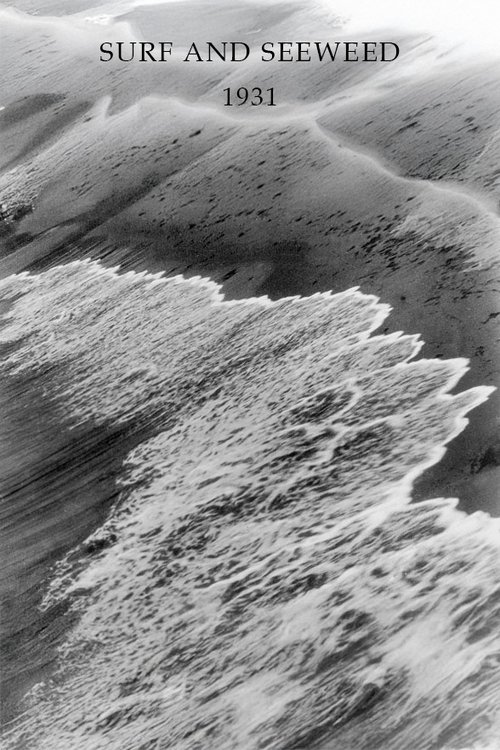
Shoreline images: first small breakers and the swirls they leave, then water running up the shore on a sandy beech, then water hitting pebbles and rocks. The second half is a close look at a sluggish eddy of seaweed, moving to and fro on the surface, like sodden twigs. The ocean's tide creates patterns of small surges and circles. The music of the soundtrack is more dramatic than the more gentle movements of the seaweed. Final closeups show the bulbs and leaves of the plants, then the tide takes over.
Surf and Seaweed

A pixillated, time-lapse avant-garde film about the speed with which we conduct our lives, as opposed to the more leisurely pace of natural life, the seasons, the changes in weather, the movement of wind and water.
Slowdown
“People will fly to Europe to look at the adoration which Rembrandt, Caravaggio, La Tour paid to light—they will stand in awe in the center of that great vaulted room of colored glass, the Sainte Chapelle, but at home, if martinis are waiting indoors, they will not slow down to look as the grass around the door turns incandescent in the setting sun. And there’s a lot more sunset grass in our lives than Saint Chapelles or paintings in museums… One film, entirely devoted to what light can do to ordinary stuff, is called Hurrah for Light!” —Ralph Steiner