Terence Davies
Directing
Biography
Terence Davies (10 November 1945 — 7 October 2023) was an English writer-director and former novelist. As a filmmaker, Davies is noted for his recurring themes of emotional (and sometimes physical) endurance, the influence of memory on everyday life and the potentially crippling effects of dogmatic religiosity on the emotional life of individuals and societies. Stylistically, Davies' works are notable for their symmetrical compositions, "symphonic" structure and measured pace.
Known For

The story of the big names that have shaped the musical genres, plus an occasional stopgap for the new rock 'n' roll - comedy.
Legends

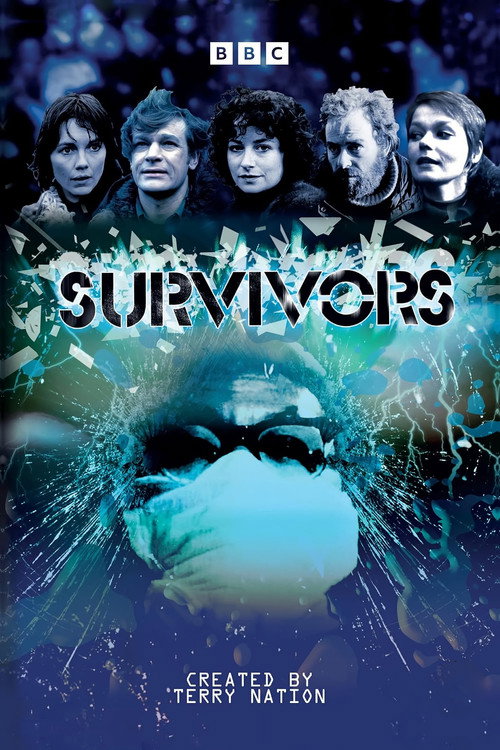
Survivors is a British post-apocalyptic fiction television series devised by Terry Nation and produced by Terence Dudley at the BBC from 1975 to 1977. It concerns the plight of a group of people who have survived an accidentally released plague – referred to as "The Death" – that kills nearly the entire human population of the planet.
Survivors

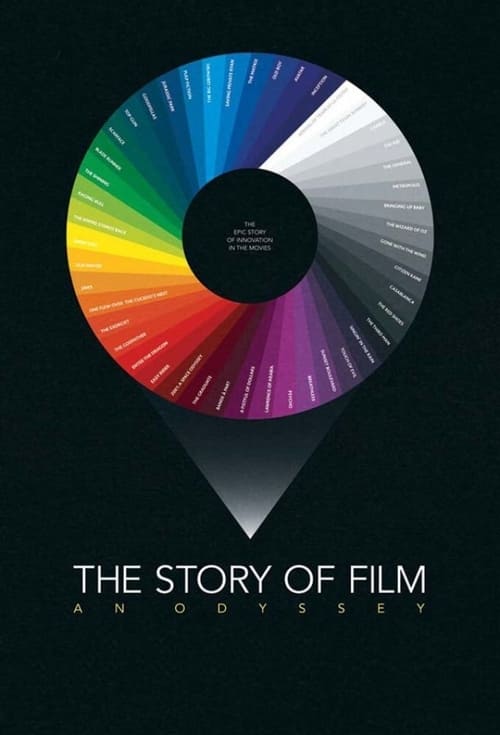
A worldwide guided tour of the greatest movies ever made and the story of international cinema through the history of cinematic innovation.
The Story of Film: An Odyssey

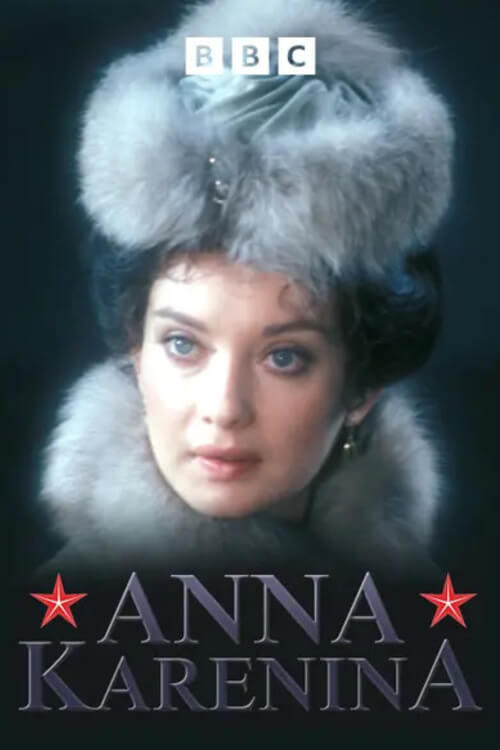
Anna Karenina was a 1977 BBC television adaptation of Leo Tolstoy's novel & tragic story of the love affair between Vronsky, a Russian Count and Anna Karenina, a married upper class woman. Nicola Pagett takes the role of Anna, a young woman who is married to a man twenty years her senior (Eric Porter), and who begins a passionate affair with the handsome Count Vronsky (Stuart Wilson). When she falls pregnant, Anna decides to dissolve her marriage and wed Vronsky, but true happiness proves elusive.
Anna Karenina

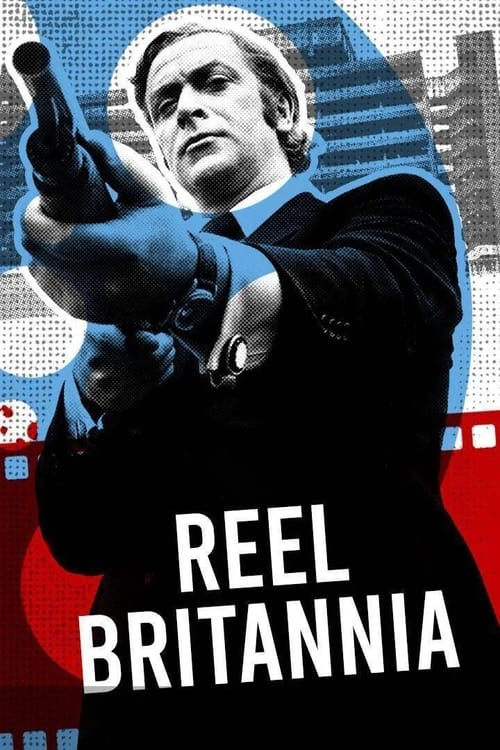
Comedian Nick Helm narrates this bold new documentary series exploring the dramatic history of British cinema. Discover how cinema held a mirror up to society from 1960 through to the 00s.
Reel Britannia

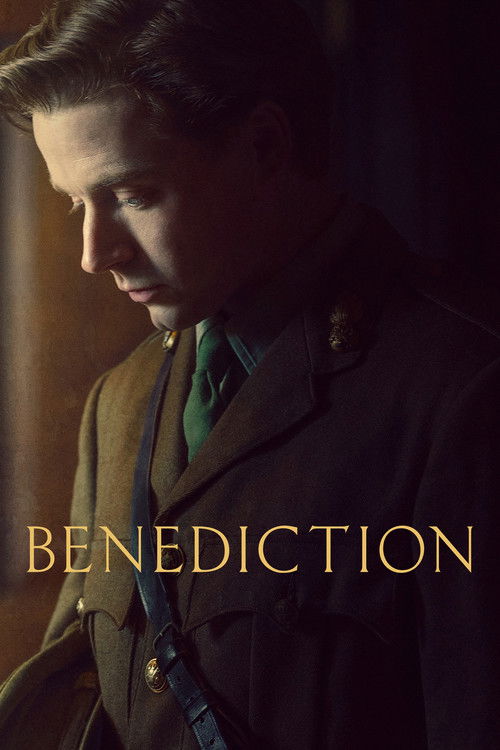
Poet Siegfried Sassoon survived the horrors of fighting in the First World War and was decorated for his bravery, but became a vocal critic of the government's continuation of the war when he returned from service. Adored by members of the aristocracy as well as stars of London's literary and stage world, he embarked on affairs with several men as he attempted to come to terms with his homosexuality.
Benediction

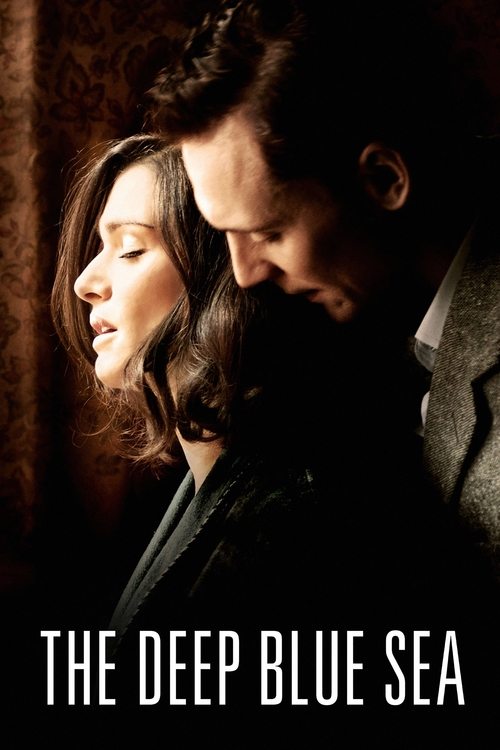
The wife of a British Judge is caught in a self-destructive love affair with a Royal Air Force pilot.
The Deep Blue Sea

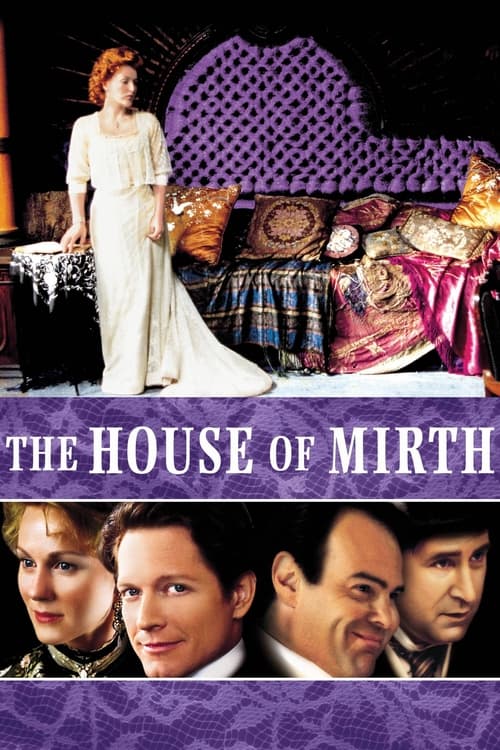
In early 20th century New York City, an impoverished socialite desperately seeks a suitable husband as she gradually finds herself betrayed by her friends and exiled from high society.
The House of Mirth

The story of American poet Emily Dickinson from her early days as a young schoolgirl to her later years as a reclusive, unrecognized artist.
A Quiet Passion

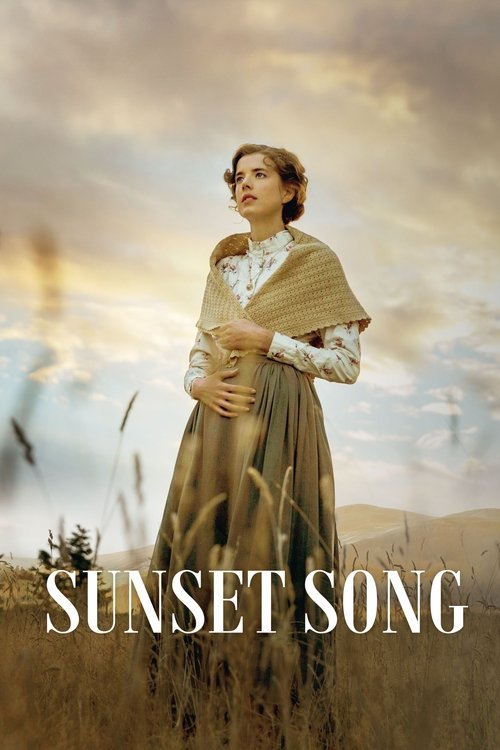
The daughter of a Scottish farmer comes of age in the early 1900s.
Sunset Song

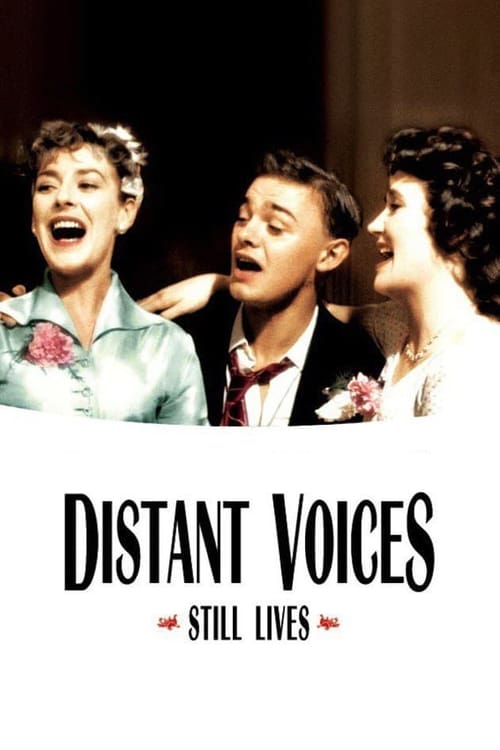
Siblings Maisie and Tony, along with their mother, gather for their sister Eileen's wedding. It is a joyous occasion, but through flashbacks, it becomes clear that the family was not always happy. Their father was physically abusive to his wife and left the children emotionally traumatized. As a result, the children have grown into unhappy adults, looking for love they didn't receive when they were young.
Distant Voices, Still Lives

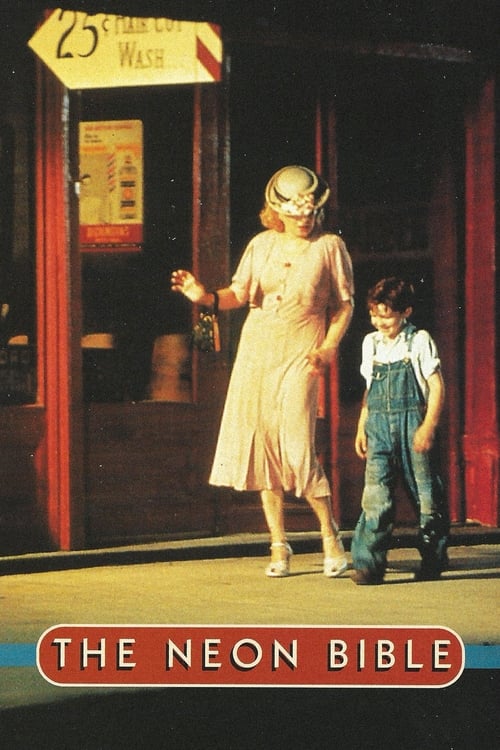
During a train ride, a teenager recalls his upbringing in 1940s small-town Georgia and the events that have led to this point.
The Neon Bible

In stark black and white, Terence Davies excavates the life of his fictional alter ego, Robert Tucker, in a narrative that slips between childhood, middle age and death, shaping the raw materials of his own life into a rich tapestry of experiences and impressions.
The Terence Davies Trilogy

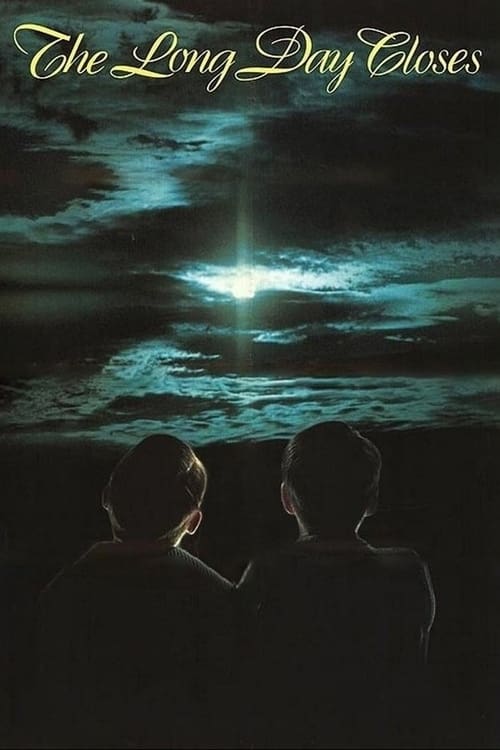
Bud is a lonely and quiet boy whose moments of solace occur when he sits in rapture at the local cinema, watching towering and iconic figures on the movie screen. The movies give Bud the strength to get through another day as he deals with his oppressive school environment and his burgeoning homosexuality.
The Long Day Closes

Doris Day has often been dismissed as an actress and overlooked as a singer, despite career highs such as Calamity Jane and Pillow Talk. Covering her early years as a band singer, and her troubled private life, this documentary re-evaluates one of the screen's most enduring legends.
Doris Day: Virgin Territory

Robert Tucker, a young gay man who is almost without affect, sits in various waiting rooms. As he sits, he recalls events from the year of his childhood when his father dies. He's ten or eleven that year, picked on by bullies at the Catholic school he attends. He seems friendless. At home, his mother is quiet, his father is ill and angry. After his father's death, there's a wake, the coffin arrives, the body is removed. The lad grieves, alone.
Children

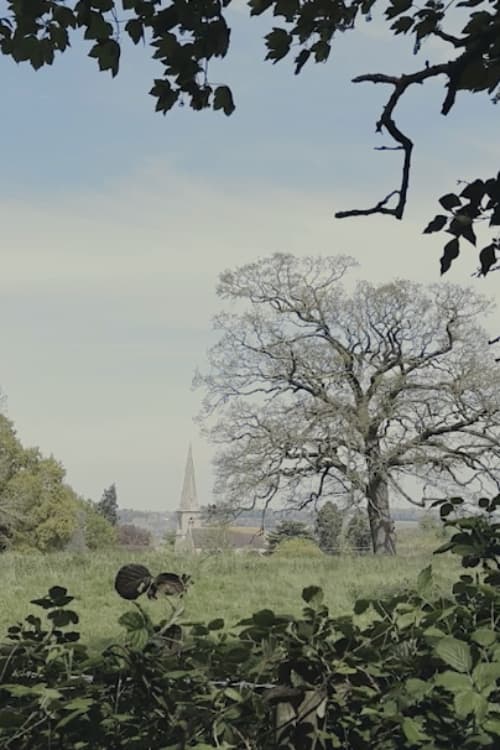
From the music of Uruguayan composer Florencia Di Concilio, English filmmaker Terence Davies does a cinematic reading of his own poem about his late sister, delivered over a single serene shot of the countryside near his home in Essex. This short film is part of the 2x25 Project of Film Fest Gent and the World Soundtrack Awards. The project commissioned 25 composers to compose a short piece of music, after which 25 filmmakers made short films that are the ultimate symbioses of music and cinematography, fitting completely within the DNA of the festival. The result: 25 exceptional films where the music inspired the form, narrative and texture.
Passing Time

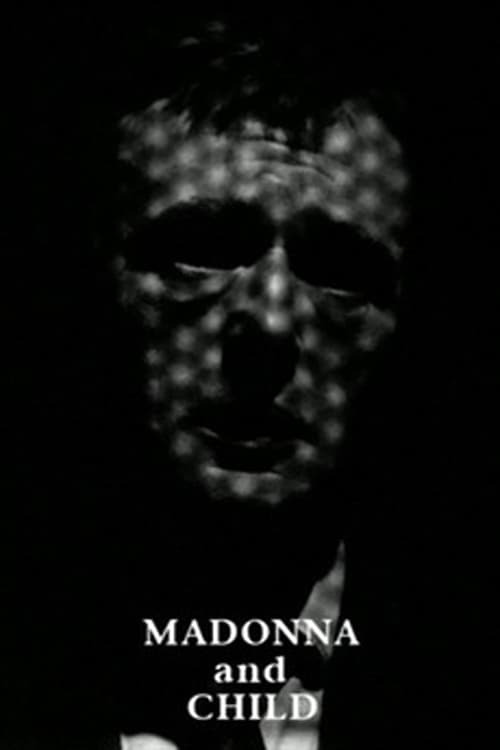
A middle-aged British man struggles to reconcile his homosexuality and his Catholic upbringing.
Madonna and Child

Program focuses on the lasting appeal and cinematic brilliance of The Ladykillers. Included in it are clips from interviews with broadcaster and author Stuart Maconie, film editor Catherine Shoard, actor and writer Reece Shearsmith, and author Ronald Harwood, amongst others.
Investigating The Ladykillers

A lyric documentary about home, time, memory and mortality, commissioned by the Centre Pompidou to accompany their retrospective of Terence Davies' work. Davies began to design this film based on his poems, but passed away before it could be realised. The film was produced posthumously according to Davies' instructions.