FEEL IT.STREAM
Antonio Ghislanzoni

Antonio Ghislanzoni

Writing

Biography

From Wikipedia, the free encyclopedia - https://en.wikipedia.org/wiki/Antonio_Ghislanzoni. Antonio Ghislanzoni (25 November 1824 – 16 July 1893) was an Italian journalist, poet, and novelist who wrote librettos for Verdi, among other composers, of which the best known are Aida and the revised version of La forza del destino. Ghislanzoni was born in Lecco, Lombardy, and studied briefly in a seminary, but was expelled for bad conduct in 1841. He then decided to study medicine in Pavia, but abandoned this after a short time to pursue a singing career as a baritone and to cultivate his literary interests. In 1848, stimulated by the nationalist ideas of Mazzini, Ghislanzoni founded several republican newspapers in Milan but eventually had to take refuge in Switzerland. While travelling to Rome, where he wanted to help defend the nascent republic, Ghislanzoni was arrested by the French and briefly detained in Corsica. In the mid-1850s, having forsaken the stage, Ghislanzoni became active in journalism in the bohemian circles of Milan, serving as director of Italia musicale and editor of the Gazzetta musicale di Milano. He also founded L'uomo di pietra the magazine Rivista minima, collaborating with, among others, Arrigo Boito. In 1869, Ghislanzoni retired from journalism and returned to his native Lombardy, where he dedicated himself to literature and writing libretti for operas. He wrote many short stories in verse and diverse novels including Un suicidio a fior d'acqua (1864), Angioli nelle tenebre (1865), La contessa di Karolystria (1883), Abracadabra and Storia dell'avvenire (1884). His novel of theatrical life Gli artisti da teatro, (1865), was republished into the 20th century. He also published musical essays, the most important being Reminiscenze artistiche. Ghislanzoni wrote some eighty-five libretti, including Edmea for Catalani (1866), Aida (1870), Fosca (1873) and Salvator Rosa (1874) for Gomes, I Lituani for Ponchielli (1874) and the second version of La forza del destino (1869). He also contributed a few verses to the revised translation into Italian of Verdi's Don Carlos. Ghislanzoni died in Caprino Bergamasco, Bergamo in 1893 at age 69. He was an atheist.
Known For

Aida
6.7

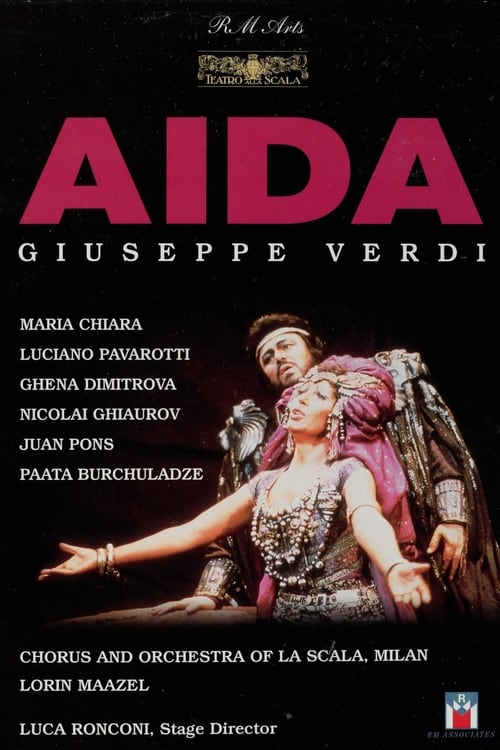
La Scala went all out for its 1986 production of this grandest of grand operas, with a strong cast and, most important for a video recording, a larger-than-life staging. The Triumph Scene in Act II is by no means Aida's only attraction, but it is the part that makes the strongest and most lasting impression and it is the visual and musical climax of this production. Stage director Luca Ronconi brings on a procession to dwarf all processions: looted treasures, heroic statuary, miserable captives struggling under the lash of whip-bearing slave drivers. On par with these visuals is Lorin Maazel's first-class performance of the popular Grand March with the outstanding La Scala chorus and orchestra. In Act III, the contrasting tranquility of the Nile Scene also gets a visual treatment to match the music's qualities.

Aida

1985Movie
Verdi Aida

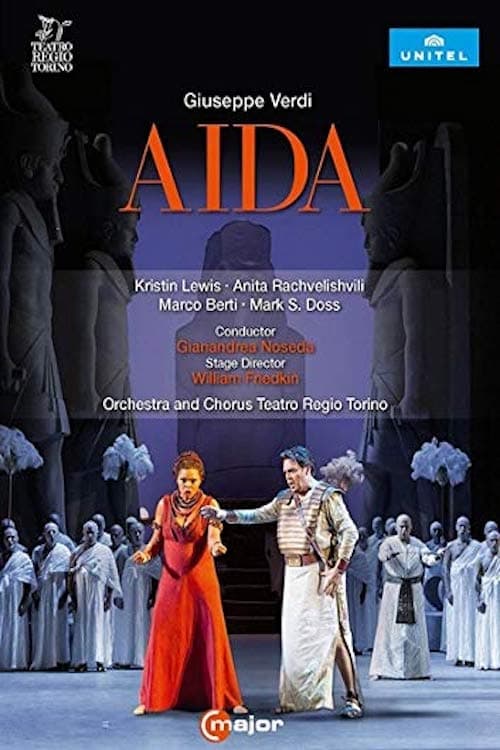
Originally commissioned to celebrate the completion of the Suez Canal and the opening of Cairos new opera house, Verdis Egyptian epic Aida is here seen in a spectacular new staging in the Teatro Regio Torino by the Oscar-winning American film director William Friedkin, creator of such famous movies as The Exorcist and The French Connection. The cast features American soprano Kristin Lewis who has been heralded for her remarkable voice, which she uses with powerful dramatic instinct, and Georgian mezzo-soprano Anita Rachvelishvili, whose Amneris dominates the stage with her dark, rounded, irresistible voice and extraordinary stage presence. Gianandrea Noseda leading the Orchestra and Chorus Teatro Regio Torino received accolaides from all: he controls everything- orchestra, singers, chorus, dancers, acrobats- with an all-encompassing overview. He knows exactly when its time to linger over a timbre, a color, an expressive chord.

Verdi Aida

2015Movie
Aida
6.4

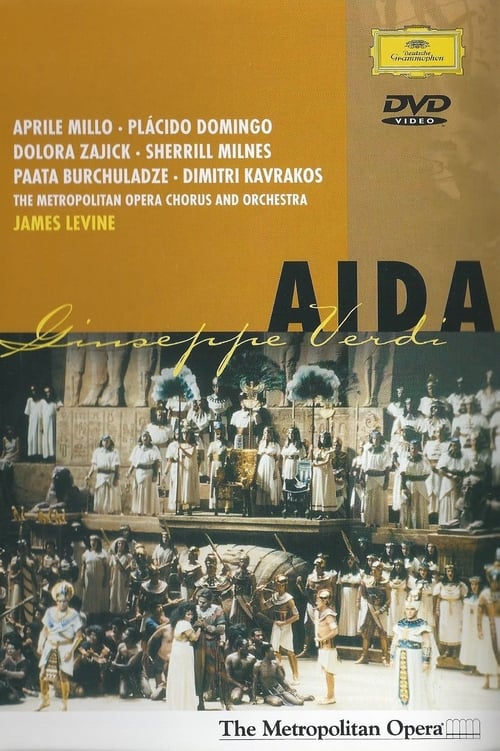
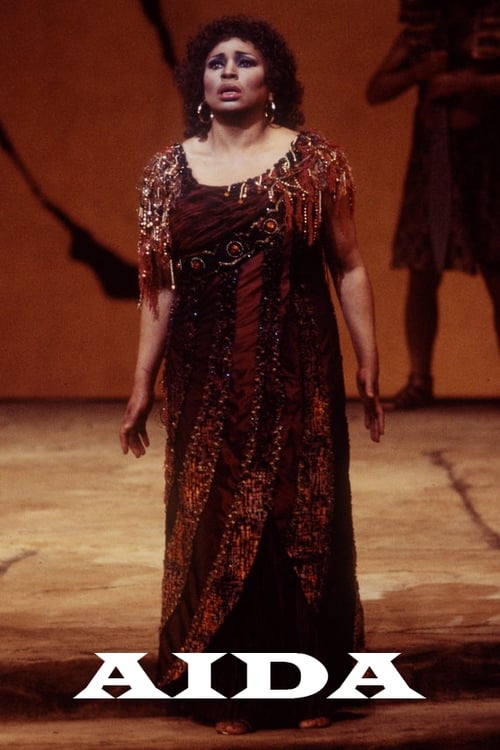
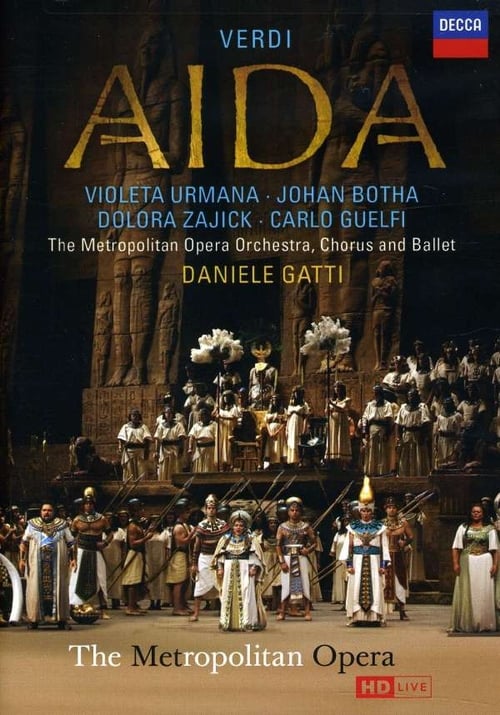
AIDA, an Ethiopian princess, is captured and brought into slavery in Egypt. A military commander, Radamès, struggles to choose between his love for her and his loyalty to the Pharaoh. To complicate the story further, Radamès is loved by the Pharaoh's daughter Amneris, although he does not return her feelings. Sonja Frisell’s production captures all the grandeur and excitement of Verdi’s monumental opera, particularly the great triumphal scene where the Egyptian army, led by Radamès (Plácido Domingo), returns victorious from war. Aprile Millo is Aida, the slave girl whose love for Radamès has her squaring off with Amneris (Dolora Zajick), the Egyptian princess who also loves him. Sherrill Milnes is Amonasro, and James Levine leads The Metropolitan Opera Orchestra, Chorus, and Ballet.

Aida

1989Movie
La Forza del Destino - Metropolitan Opera
9.0

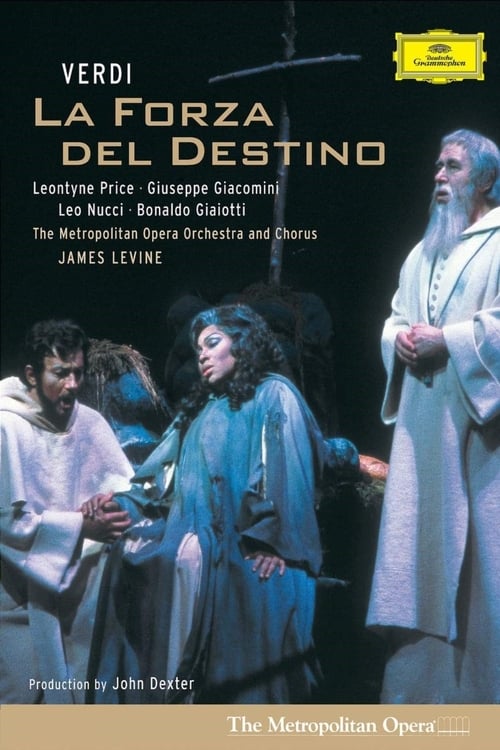
Leonora plans to elope with Don Alvaro, but he accidentally shoots and kills her father, who curses them as he dies. The lovers go on the run, but get separated. Bent on revenge, Leonora's brother Don Carlo, hunts them down. Verdi painted an immense canvas with this dark but tuneful opera, vividly brought to life in John Dexter’s production, with sets by the great Eugene Berman. The legendary Leontyne Price is seen in one of her greatest roles, Leonora. Price’s soaring voice encompasses every nuance of Leonora’s emotion as she moves from joy through resignation to ultimate heartbreak. James Levine’s brilliant leading of the Met orchestra and chorus is a lesson in Verdi style. Giuseppe Giacomini is Alvaro, the man Leonora loves, and Leo Nucci is Don Carlo, the dark instrument of their Fate.

La Forza del Destino - Metropolitan Opera

1984Movie
Aida

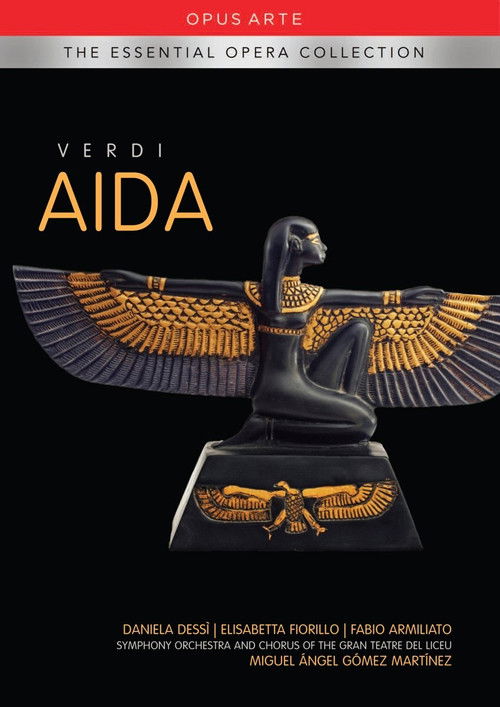
tt2266516. Aida (2003) Gran Teatre del Liceu. Verdi / Italian. Filmed at the Gran Teatre del Liceu, Barcelona, Daniela Dessì, Elisabetta Fiorillo, Fabio Armiliato, Juan Pons and Roberto Scandiuzzi lead the cast in the renowned period production filmed in 2003 against the historic paper trompe-l'œil sets painted between 1936-45 by Josep Mestres Cabanes, the last representative of the old Catalan school of scenography. Mestres Cabanes worked on his Aida vision for eight years. The opulent staging he created in 1945 is here in every detail. The seven magnificent sets he painted for Aida in 1945 have been subtly and painstakingly restored by Jordi Castells and his team – revealing the palaces, temples and surroundings of Memphis and Thebes which the set designer had wanted to evoke in his historical yet also fantasy-like vision.

Aida

2003Movie
Don Carlo
8.0

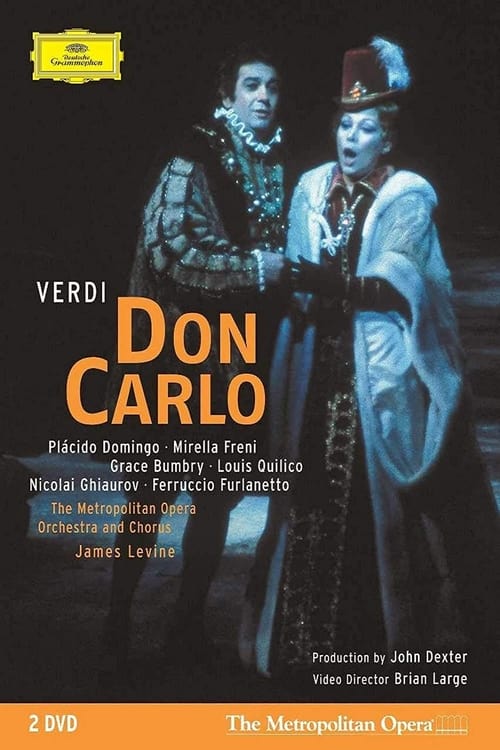
Ghiaurov, Freni, and Bumbry were great voices in their time, and they are still effective here -- good enough musicians to put over the quite heavy vocal and expressive demands of their roles. Louis Quilico was never quite in that league, and he sounds a bit spread and woofy in places here, but he works hard and effectively to bring Rodrigo to life. Placido Domingo recorded his first Don Carlo, for EMI with Giulini, about 15 years before this production, but he looks and sounds fine here -- in the early 1980's he was doing very good Otellos and Lohengrins too, and Furlanetto, still in his 30's, brings a rich, young voice to an old part and succeeds in making the Grand Inquisitor vocally as well as expressively formidable. Levine brings both weight and energy to the score, and that reading fits well with the overall "traditional" design and production -- the Met's wardrobe budget must have been severely taxed, but everybody looks splendid.

Don Carlo

1983Movie
The Metropolitan Opera: Aida
9.0

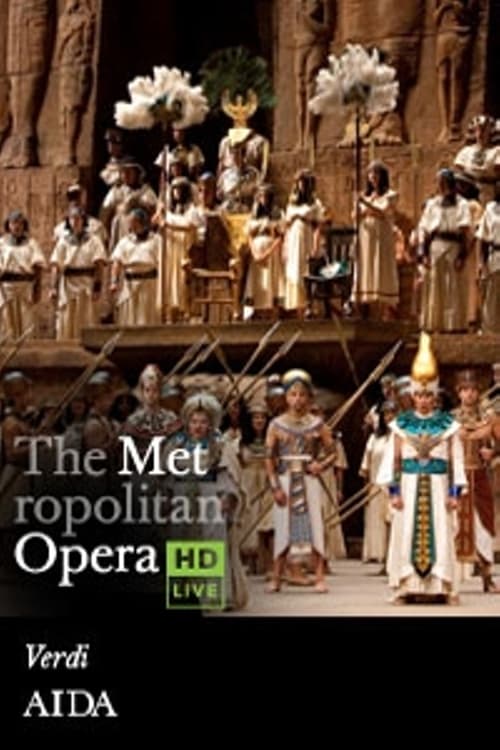
With its cast of hundreds, thrilling score, and sweeping tale of love and heroics in ancient Egypt, Verdi’s Aida has long been a fixture on the stages of every major opera house in the world. For the 2018 revival of Sonja Frisell’s monumental production of this grand masterpiece, the Met assembled a truly all-star cast. Soprano Anna Netrebko takes on the title role for the first time at the Met, and mezzo-soprano Anita Rachvelishvili plays her rival, the conniving princess Amneris. Tenor Aleksandrs Antonenko is Radamès, the warrior that both women love, and Quinn Kelsey lends his robust baritone to Aida’s father, the fallen king Amonasro. Maestro Nicola Luisotti is on the podium to conduct this epic performance, filmed as part of the Met’s series of Live in HD cinema transmissions.

The Metropolitan Opera: Aida

2018Movie