Acting
Os Trapalhões was a Brazilian comedy group and also a Brazilian television series created by Wilton Franco. Its members were Dedé Santana, Zacarias, Mussum and their leader Didi Mocó, that was played by Renato Aragão. The name Trapalhões is derived from the Portuguese verb atrapalhar, which means the opposite of helping, to do something the wrong way or to Those that confuse. The name is translated "Tramps" in English DVD subtitles. It was aired by Rede Globo from 1977 to 1999. On March 18, 1990, Zacarias died due to respiratory failure, but the group and the series didn't come to an end until July 29, 1994, when Mussum died due to an unsuccessful heart transplant.
No description available.
Eloá and Osmar's marriage is thrown into crisis when a mysterious man crosses their path. With a thirst for prestige and power, Eloá will face the consequences of her ambition.
This documentary reveals the man behind the icon Cazuza: the poet who transformed his life into art and his death into resistance. It delves into the intense journey of the young man who sang of love, Brazil, and his freedom until his last verse.
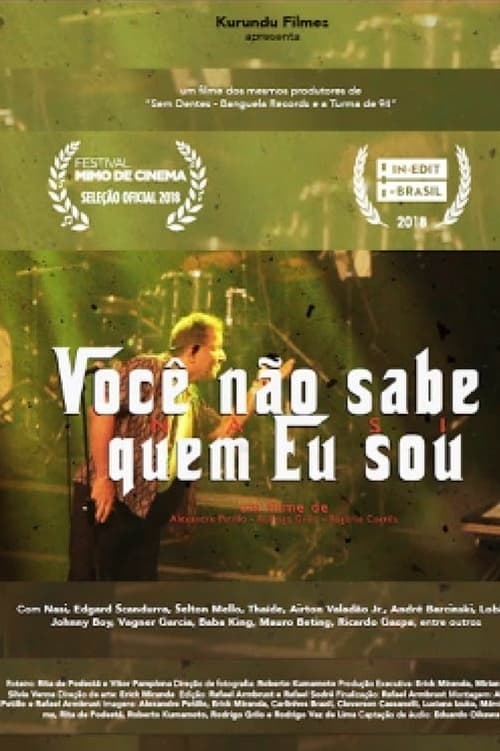
Nasi was always a controversial guy. Since his times with Ira! in the early 1980s, his name was among the most talented and also the most troublesome artists on the Brazilian scene.
A small town girl, who's an aspiring singer, tries to make a living out of music in the big city of Rio de Janeiro.
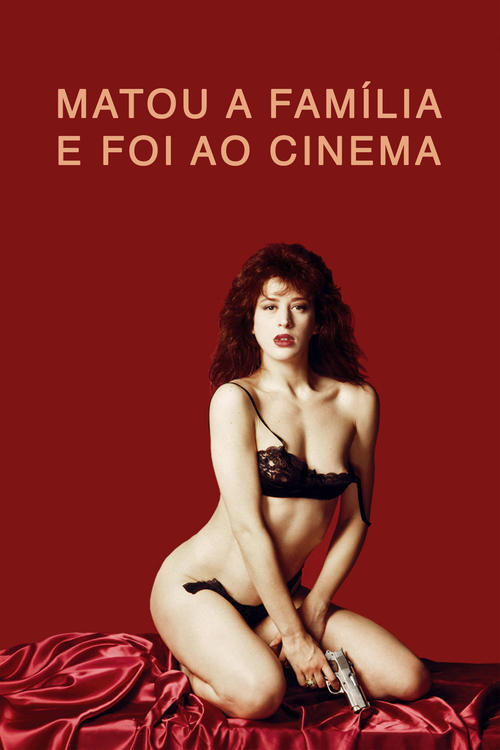
In Rio de Janeiro, after an altercation with his father and mother, a young man named Bebeto kills his family and goes to a movie theater, where he watches four weird vignettes.
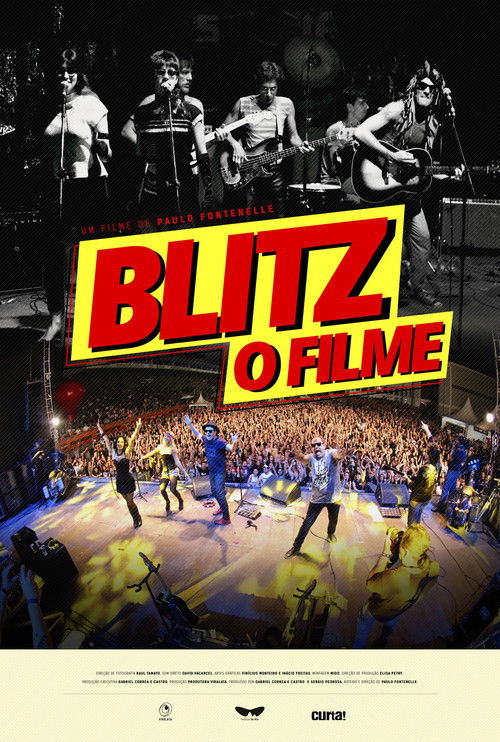
A documentary that chronicles the story of Blitz, one of the most famous Brazilian 80s rock bands known for their humorous, irreverent lyrics and free spirited attitude.
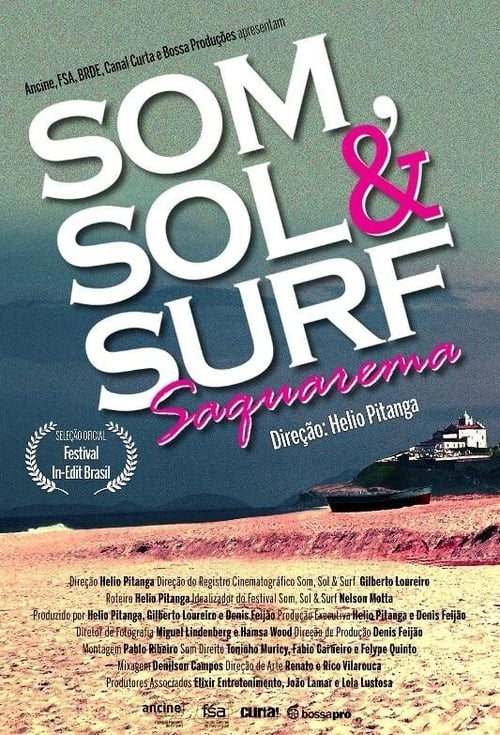
In 1976, a great rock show, called "Som, Sol & Surf", took place on Itaúna beach, in Saquarema and also had a surfing championship. For three days, a crowd of young people enjoyed songs by Rita Lee, Angela Ro Ro, Raul Seixas and others.
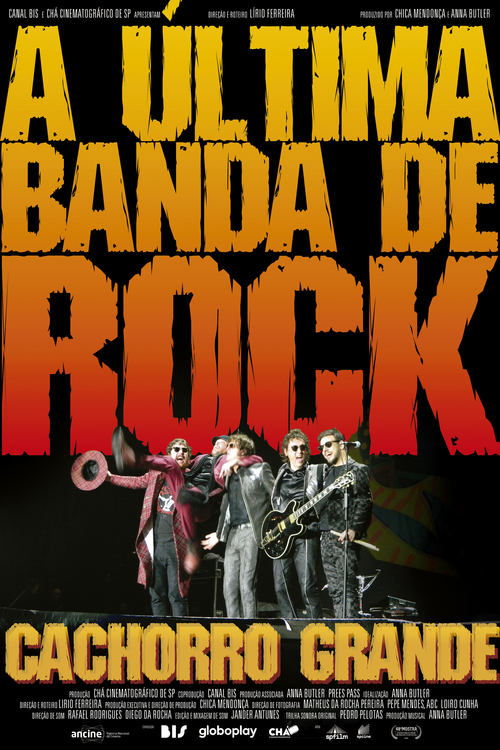
Documentary about the trajectory of the Brazilian rock band Cachorro Grande, created in Porto Alegre, State of Rio Grande do Sul, in 1999 and imploded in São Paulo, the exact year they would have celebrated their 20th anniversary. As is the script of every self-respecting rock band, Cachorro Grande lived and survived amid contrasts and extremes. From being the greatest promise of Brazilian rock’n roll at the beginning of this century, opening shows for the Rolling Stones in Brazil, to going through open fights that shaped the band’s style and created fissures, culminating in the threat of its disbandment.
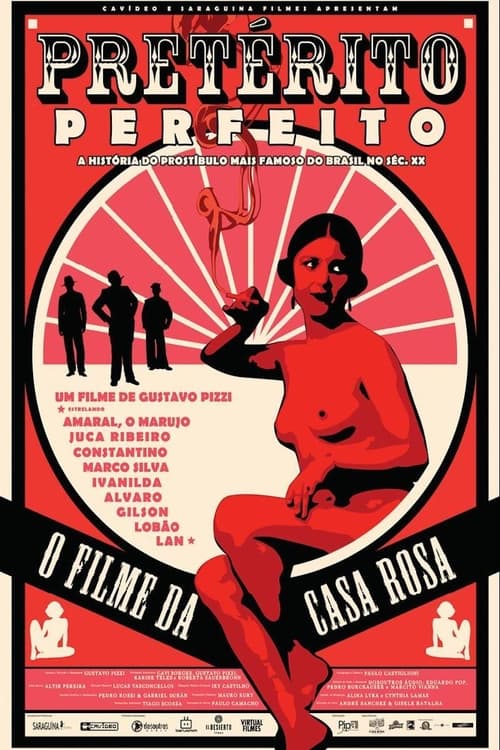
Follows former customers and employees of one of the most famous brothels in Brazil called the Casa Rosa as they come back to the house where it once stood in all its glory. Revisiting the old bedrooms we get to know stories of men and women of all ages and their experiences inside the house. A film about memories, morals and negotiation.
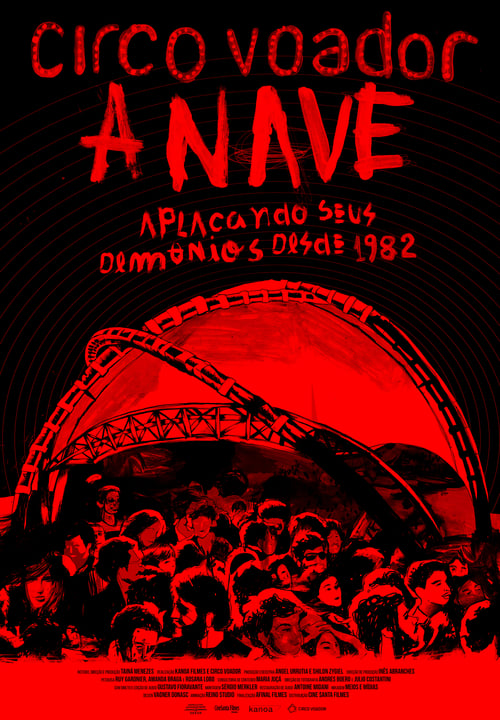
In 1982, the Arpoador Beach, in Rio de Janeiro, received the first "incarnation" of Circo Voador, a venue for artists of diverse aspects showing their art to the public. Months later, Circo landed at Lapa, the city's most bohemian neighborhood. Today, more than three decades later, the venue has become a cultural reference in the country. This documentary is directed by Tainá Menezes and has testimonials from artists such as Gilberto Gil, Lobão, Evandro Mesquita and more than 50 personalities that were part of the history of Circo Voador.
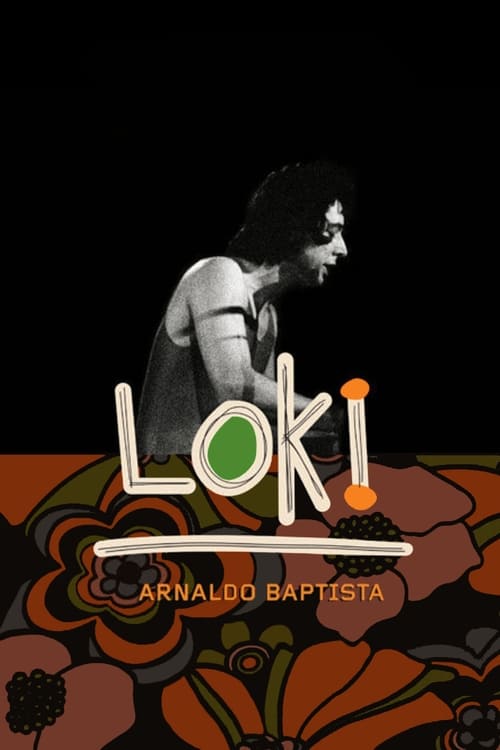
Loki brings the trajectory of Arnaldo Baptista from childhood, passing through the most successful phase as leader of the Mutantes, marriage to singer Rita Lee and then separation. He also goes through the depression that devastated his life after the group ended and that led him to attempt suicide, his solo career, rapprochement with his brother and member of the Mutantes, Sérgio Dias, culminating in the band's return in 2006.