Tadashi Imai
Directing
Biography
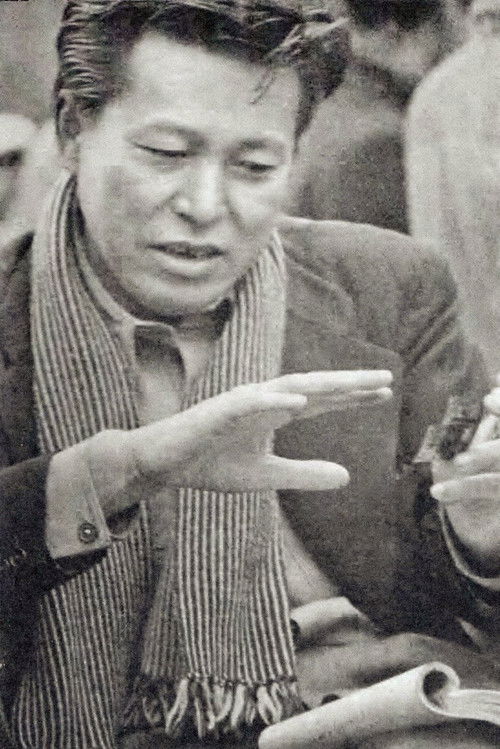
Tadashi Imai (今井 正 Imai Tadashi, January 8, 1912 - November 22, 1991) was a Japanese film director known for social realist filmmaking informed by a left-wing perspective. Description above from the Wikipedia article Tadashi Imai , licensed under CC-BY-SA, full list of contributors on Wikipedia
Known For

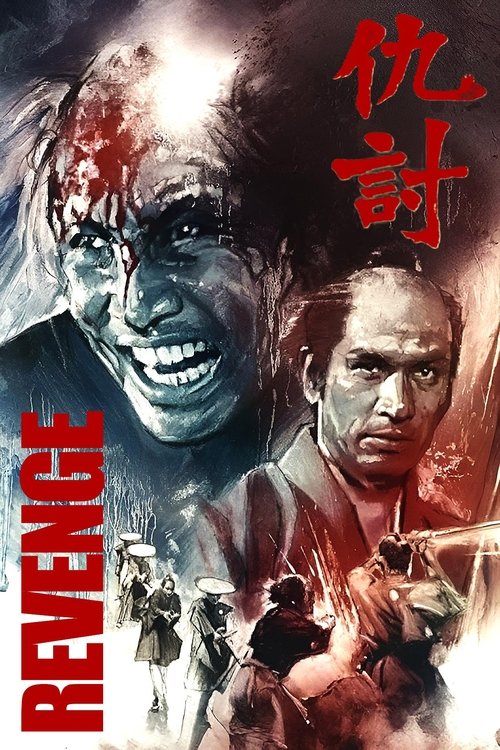
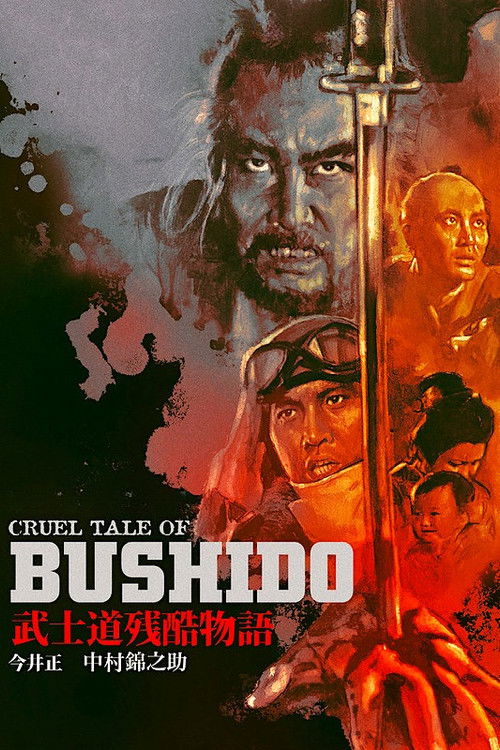
An innocuous comment during a weapon inspection wounds the pride of low-ranking samurai Shinpachi, leading to an argument with his superior. The situation snowballs out of control, leading to a deadly duel and political fallout which threatens the entire clan. Declared mentally unstable by the corrupt authority, Shinpachi begins his descent into true insanity…
Revenge

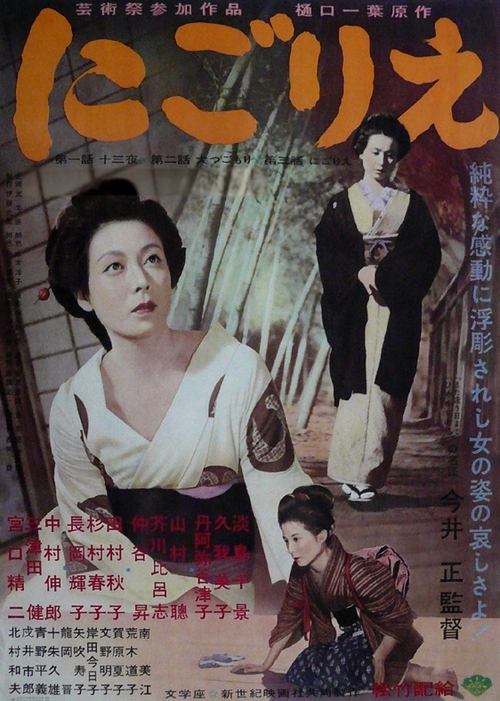
A Japanese woman writes down three stories she has witnessed or heard of in her diary, each about the difficult situation a young woman finds herself in.
An Inlet of Muddy Water

After a salary-man's fiancée attempts suicide, he recounts his gruesome family history which saw generations of his ancestors suffer and sacrifice themselves for the sake of their cruel lords.
Bushido: The Cruel Code of the Samurai

Up in Heaven, Yuki’s grandparents decide that, having turned thirteen years old, she must go down to Earth to a village that is torn by bandits and intervene to save its people. However if she does not succeed within one year she will become as insubstantial as the wind. Down in the village, Yuki is befriended by a group of orphans whose parents have all been killed by the bandits and who now subsist by begging. Yuki amazes them by taming the wild horse Blizzard. She is instrumental in getting the orphans and farmers to stand up to first the warring bandits and then Goemon, the greedy lord that owns the region. But Yuki must face her greatest challenge yet when the displeased Demon God that lives in the volcano emerges to destroy those who live beneath.
Yuki

A group of Okinawan high school girls are drafted as nurses during the American invasion of the island. As the enemy army advances further, the situation for the girls becomes increasingly desperate as food and shelter run out and the number of injured climbs, leading to the film's tragic finale.
Tower of Lilies

Oshima, a rich girl married Shinzo, and her cousin girl Sawa has been jealous of Oshima deeply. Sawa cursed Oshima so Shinzo could not hold her and do anything at all. Shinzo hated Oshima, and he made love with Sawa.
The Possessed

No description available.
Yukiko

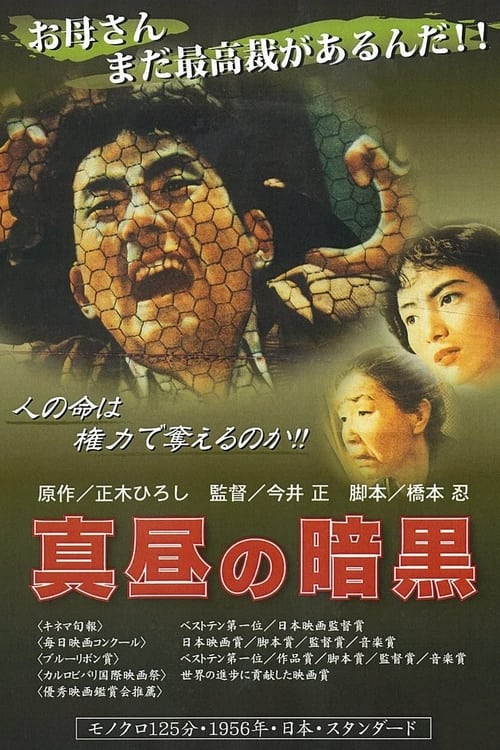
Police beat a murder confession out of four innocent men who are then sentenced to death. Based on a true story.
Darkness at Noon

Following a yearlong attendance upon his shogun in Edo, samurai Hikokuro makes a long-awaited return to his home and doting wife, Dane. Initially greeted by the effusive welcome of his family, spiteful whispers also reach his ear about an adulterous affair carried on, in his long absence, between his wife and a famous drummer. With Hikokuro’s honor imperiled by rumor, his family insists on a formal investigation into the veracity of the gossip. Through the combined testimony of many witnesses, a tale unwinds around the visits of a traveling musician hired to tutor the family heir, the spurned attentions of the man who started the rumor, and the ultimate truth behind the accusations. The conclusion of events prove as much an indictment of bushidō as it is of the reluctant parties involved. Adapted from a 1706 play by Chikamatsu Monzaemon and based on a true case.
Night Drum

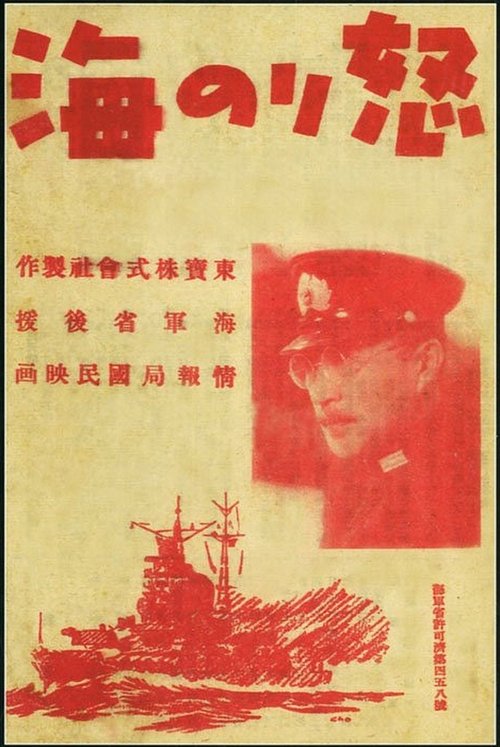
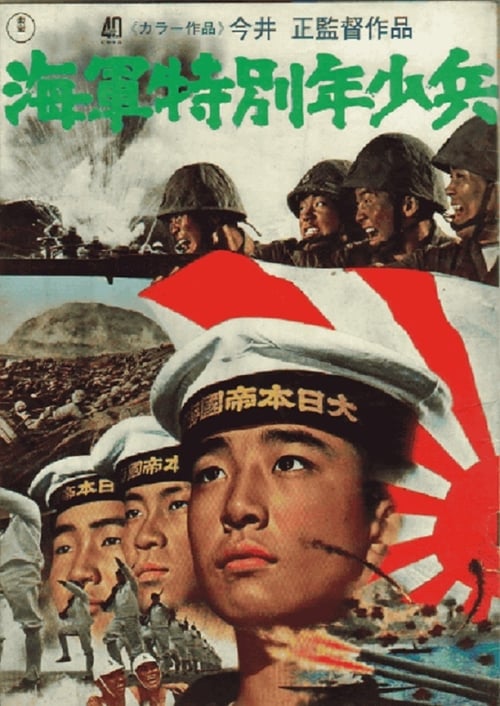
Japanese youngsters enduring hard training in Recruit Camp and then going to Iwo Jima in the last days of World War II.
Special Boy Soldiers of the Navy

A remake of the 1953 film of the same name.
Eternal Monument

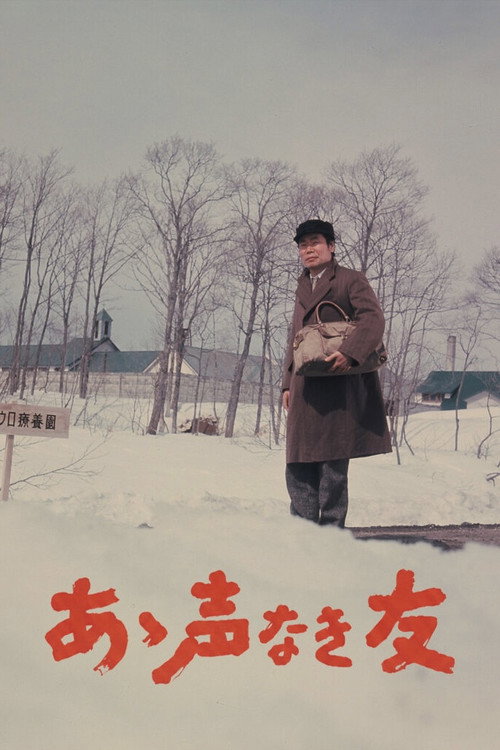
A man who survived the war carries the will of his comrades in arms, walking across the country visiting the bereaved families.
My Voiceless Friends

Two obaachans become fast friends listening to music in front of a record store. They both boast about their loving sons but in reality, one had just escaped a retirement home and the other was looking for an escape from her son and daughter-in-law. With nowhere to go, the two wander around, befriending a cosmetics salesman and a kind waitress who give them beer. This biting social satire starring two memorable grandmothers, scripted by Yôko Mizuki, picked up on Japan’s aging population problem far ahead of its time.
Nippon no obaachan

Junai Monogatari AKA Story of Pure Love is about two poor youths, Mitsuko and Kando, rebelling against society in various ways, who are desperately trying to be together despite tortuous circumstances. The film depicts their lives as thieves, menial laborers who can get little pay, society outcasts, and of course, lovers. Junai Monogatari depicts, mostly, their struggles within the Japanese reformatory system and Mitsuko's worsening sickness.
The Story of Pure Love

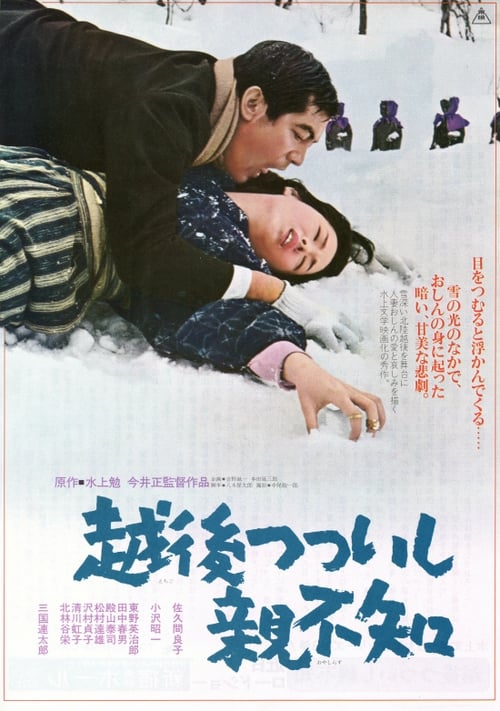
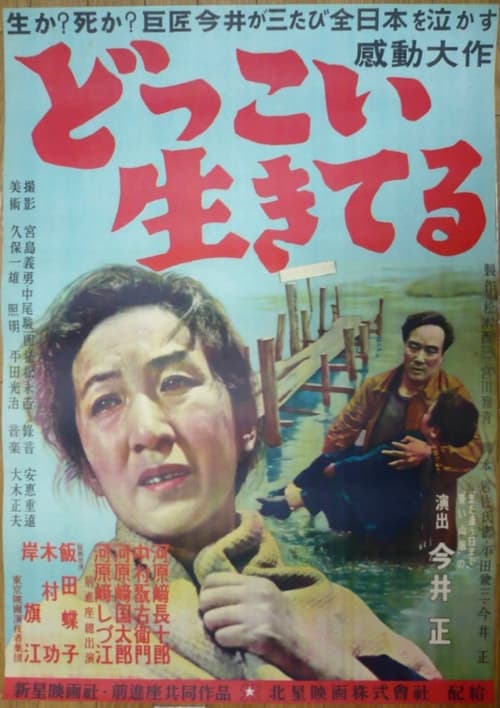
A sake factory worker on holiday returns to his home town, where he rapes the wife of one of his co-workers in the forest. The other man returns home to find his wife changed and suspects that she has been unfaithful.
A Story from Echigo

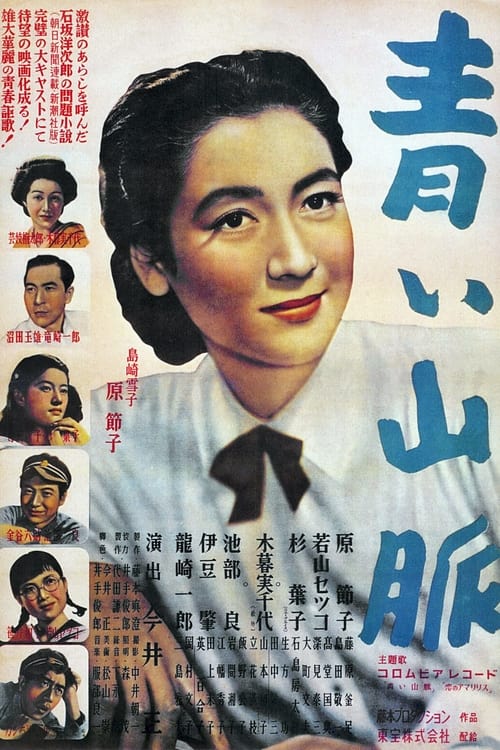
Teacher Yukiko finds herself in opposition to conservative faculty and villagers after defending a student for being in a relationship with a young man from Tokyo.
The Blue Mountains: Part I

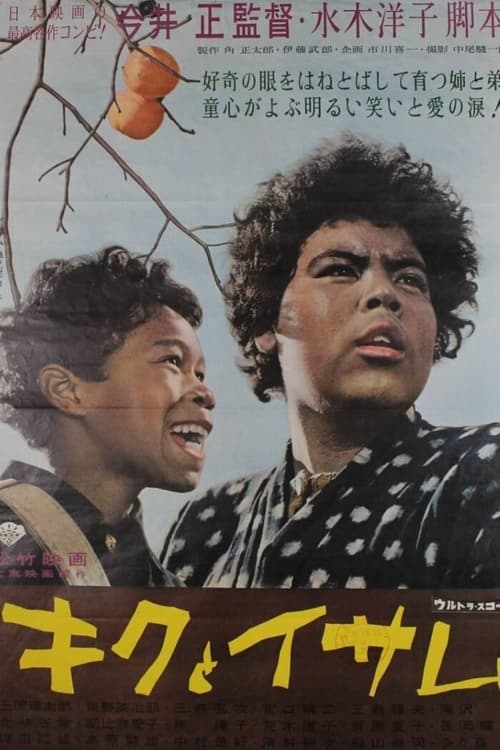
Kiku and her brother Isamu are social outcasts, children of a prostitute mother and black GI father, in postwar Japan.
Kiku and Isamu: Two Siblings Born in Japan

The film consists of three short stories. Tomiko, the heroine of the first story, "The Flower Girl" (dir. Kozaburo Yoshimura), is a little girl who bears the unbearable burden of caring for her family. Tomiko's father has been unable to find work for a long time, and her older sister is terminally ill—it is unlikely that she will ever recover. To feed her family, Tomiko runs around the city from morning until late at night selling flowers... The second novella (dir. Tadashi Imai) also depicts the lives of the poor. An unfamiliar girl brings young Kavano a letter from his mother. It turns out that the girl's name is Kuniko, she is very hardworking, but her family is dying of hunger. Therefore, her mother decided to send Kuniko to her son so that he would marry her. The short story is called "The Unexpected Bride." The third short story, which gave the film its title, is particularly interesting: "When You Love" (dir. Satsuo Yamamoto). It shows the family of a young peace activist.
If Indeed One Loves

An auto repairman's daughter questions him about what happened to her aunt during the war, but the father remains reticent. Finally the man opens up, and the girl is able to piece together her aunt's tragic story.
War and Youth

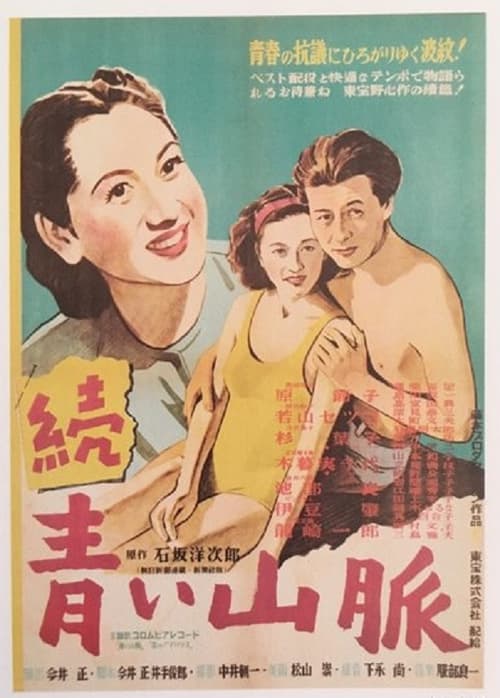
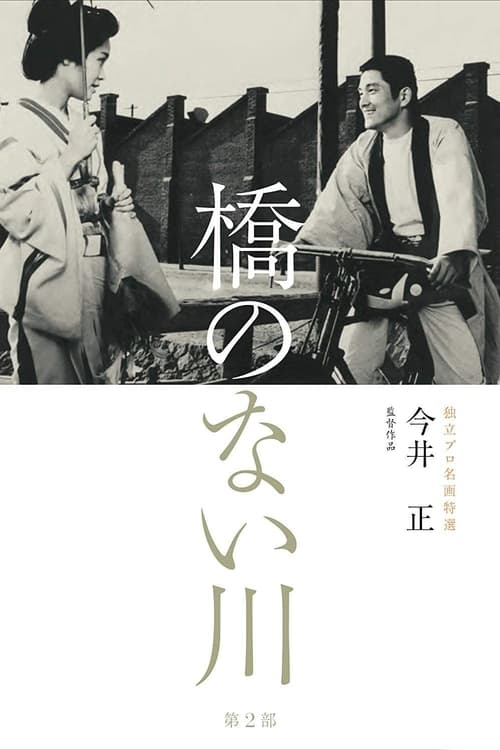
Continuation of The Blue Mountains: Part I. Released a week later.