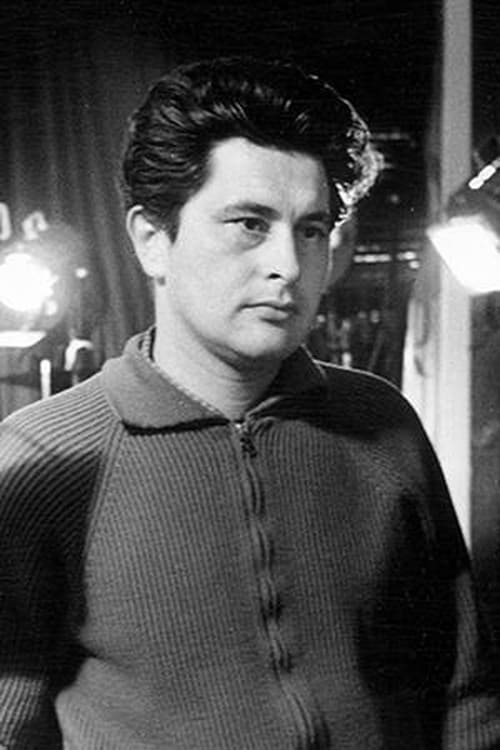
Břetislav Pojar
Directing
Biography
Břetislav Pojar (7 October 1923 – 12 October 2012) was a Czech puppeteer, animator, and director of short and feature films. Born in Sušice, Czechoslovakia, Pojar started his career in the late 1940s with his work on The Story of the Bass Cello (1949) based on the story by Anton Chekhov and directed by master Czech puppet animator Jiří Trnka. Pojar served as a puppeteer under his mentor Trnka. Pojar compiled an extensive body of work as a director and animator in Czechoslovakia, where he made films in both puppet animation to the more common stop motion animation. In the mid-1960s, Pojar emigrated to Canada, where he began a long collaboration with the National Film Board. His Canadian work is some of his best known and has won awards at prestigious international film festivals. His film To See or Not to See (Psychocratie) won the Canadian Film Award for Film of the Year in 1970. Pojar's work is characterized by strong social commentary, such as in Balablok, where armies of small circle- and square-shaped beings war with each other until they are all wounded into indistinguishable shapes. Often, Pojar's shorts contain little or no spoken dialogue. In the mid-2000s, Pojar moved back to the Czech film business in order to co-direct the collaborative animated feature film Fimfárum 2 (based on the stories of Jan Werich), which was released in 2006. Pojar died in Prague at the age of 89 in 2012. Description above from the Wikipedia article Břetislav Pojar, licensed under CC-BY-SA, full list of contributors on Wikipedia.
Known For
No description available.
GENUS
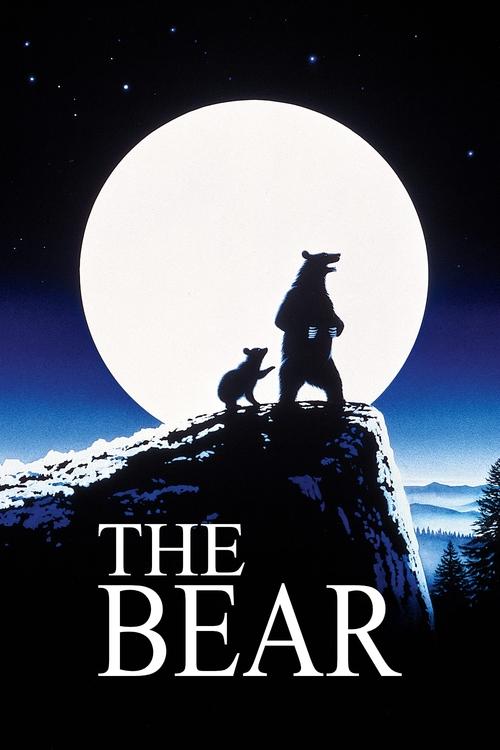
An orphan bear cub hooks up with an adult male as they try to dodge human hunters.
The Bear
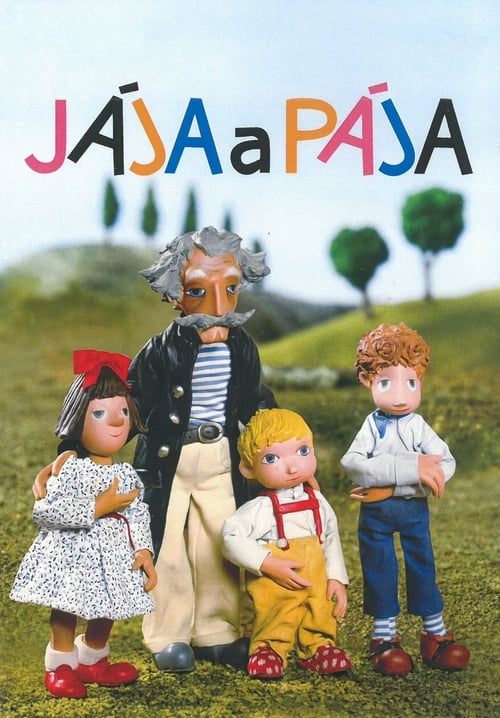
Unforgettable stories of two boys Jája and Pája, a retired sailor Grandfather Lebeda and an envious neighbor Krkovička.
Jája and Pája
No description available.
Dášeňka
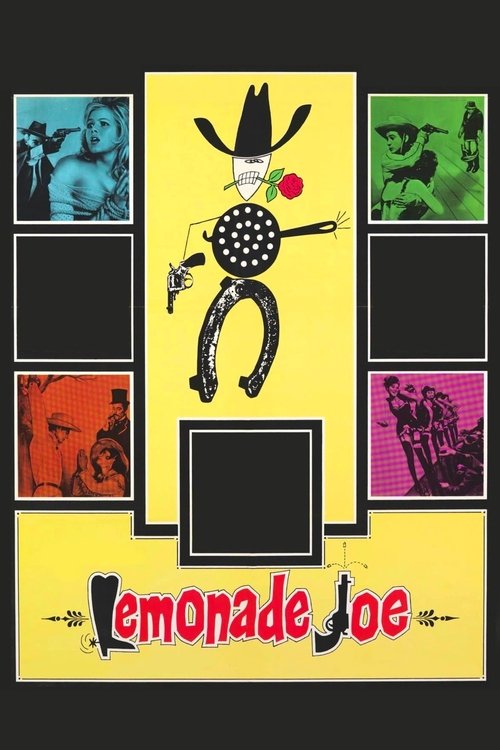
A satire of the Great American Way, with Lemonade Joe a "clean living" gunfighter who drinks only Kola-Loca Lemonade and convinces everyone else in town (with his gun skills) that all "real men" drink ONLY lemonade!
Lemonade Joe
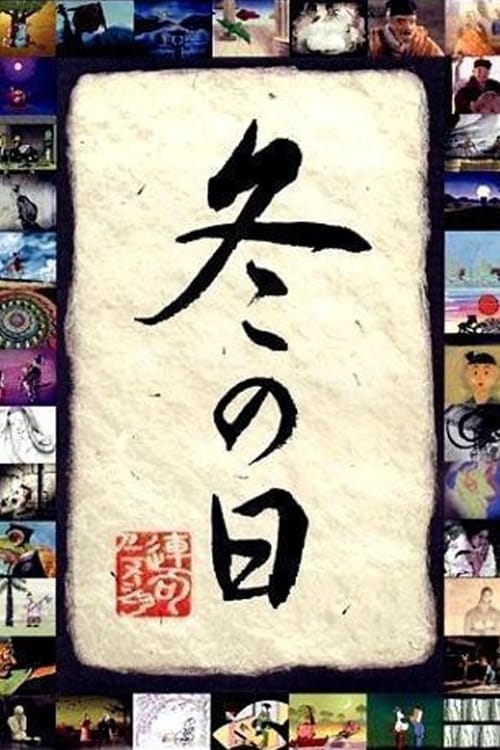
An animated film based on one of the renku (collaborative linked poems) in the 1684 collection of the same name by the 17th-century Japanese poet Bashō. The creation of the film followed the traditional collaborative nature of the source material – the visuals for each of the 36 stanzas were independently created by 35 different animators. As well as many Japanese animators, Kawamoto assembled leading names in animation from across the world. Each animator was asked to contribute at least 30 seconds to illustrate their stanza, and most of the sequences are under a minute (Yuriy Norshteyn's, though, is nearly two minutes long).
Winter Days
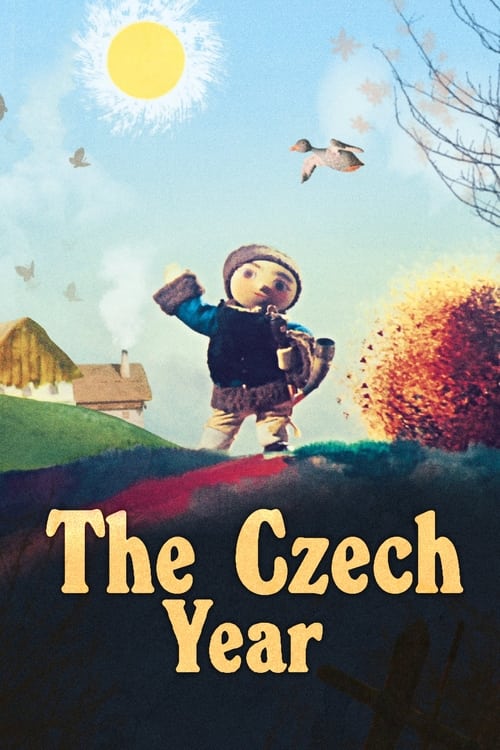
The first full-length puppet film made by Jiri Trnka. Like the painter Ales who illustrated the national songs, Trnka depicts the traditional customs and tales of the Czech village in six separate sequences: Shrovetide, Spring, Legend About St. Prokop, The Fair, The Feast and Bethlehem." A Treasury of Fairy-tales" made Trnka famous all over the world and it is a masterpiece of Czech and world animation.
The Czech Year

No description available.
Garden
A collection of 7 animation short films inspired by the United Nations Convention on the Rights of the Child. Each NFB award-winning film, in their peculiar way, deals with children's rights and addresses various aspects of the Convention.
Children First!
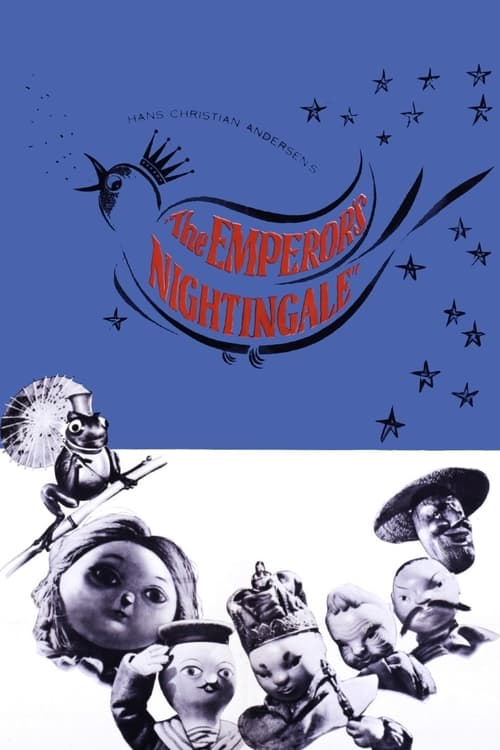
Adaptation of a fairy tale by Hans Christian Andersen, about an emperor who prefers the tinkling of a bejeweled mechanical bird to the song of a real nightingale. When the Emperor is near death, the nightingale's song restores his health.
The Emperor's Nightingale
On summer vacation a young teenager finds himself hanging out alone on the streets of his neighbourhood, all his friends having gone to the country with their parents. Near his home he meets a disturbing character, a drug pusher looking for clients, who introduces him to an artificial paradise. The teenager discovers a seductive and terrifying world that frequently draws him back to his neighbour.
Narco Blues
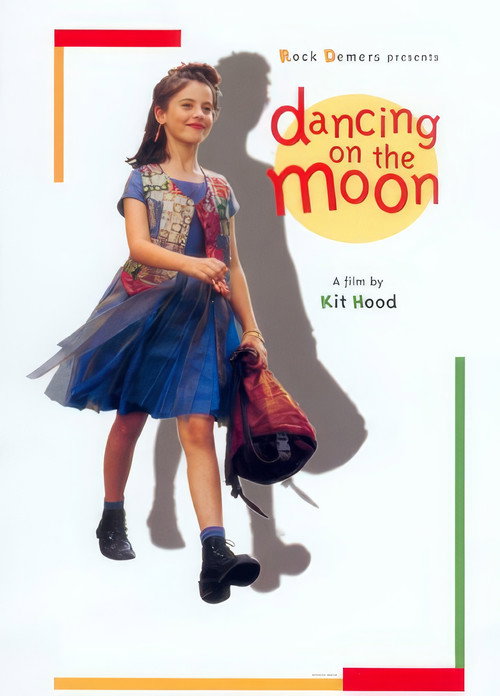
Madeline is 13 years old, as are her two friends, and nothing looks the same to her. Her sister is leaving to study medicine, and there's Freddy who's looking at her as no one has before. But she still doesn't want to become an adolescent. A tragic accident and the help of an eccentric aunt who just arrived in her life will help her to pass the barrier.
Dancing on the Moon
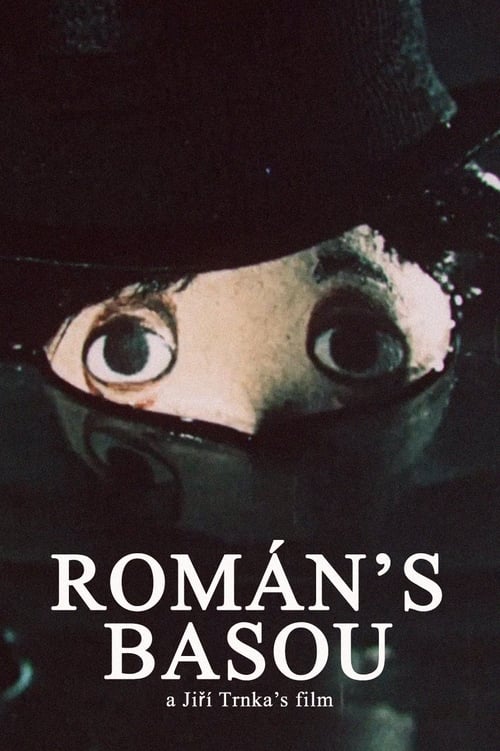
"Román s basou" is another short by master a stop-motion puppet-animator Jiri Trnka. The story is based on Anton Chekhovs story "Roman s Kontrabasom". Princess Bibulova decides to go fishing along the river while not far away a bass player leaves his two companions to go for a swim.
Story of the Bass Cello
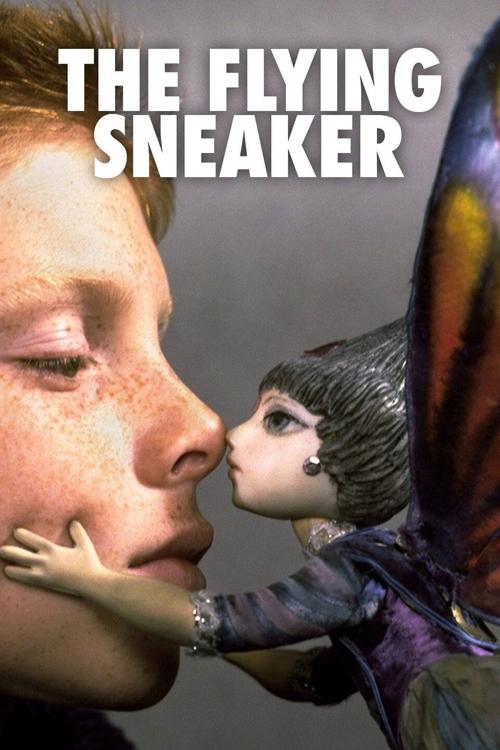
Little Rehor isn't allowed to play with the other boys. His only friend is the girl next door, Luci. Rehor's father is doctor on a boat and he has sent Rehor a package with butterfly larvae. When they hatch he discover a fairy who can do magic tricks.
The Flying Sneaker
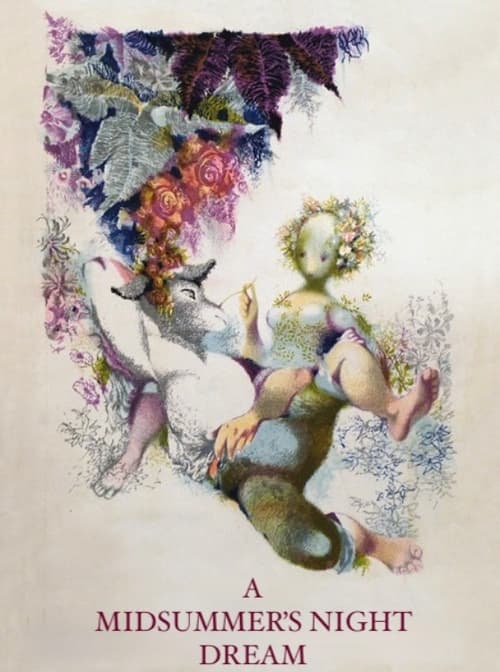
The first puppet film shot in CinemaScope. It is based on the famous poetic comedy by William Shakespeare. Three worlds meet in this story: the noble world of three Athens couples, a common popular world of tradesmen amateur theatre and a fairy-tale happiness of magic creatures as elves and nymphs. The film is considered the most remarkable Jiří Trnka's work and a milestone in the history of the world animation.
A Midsummer's Night Dream
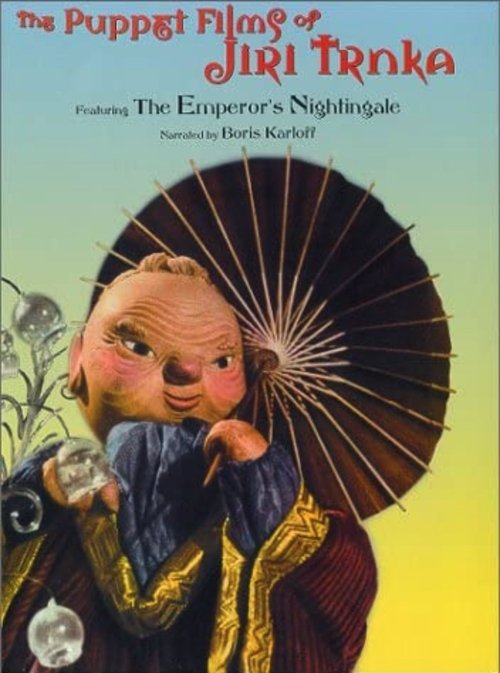
The Czech stop-motion puppet animation master Jiri Trnka directed some of the most acclaimed animated films ever made. In 1966, four years before his death, Newsday lauded him as "second to Chaplin as a film artist because his work inaugurated a new stage in a medium long dominated by Disney." Trnka continues to astound audiences to this day, particularly those discovering this amazing animation for the first time. This collection includes five of the master's shorts and his feature-length classic "The Emperor's Nightingale" based on Hans Christian Andersen's fairy tale and narrated by Boris Karloff. Includes: The Emperor's Nightingale (1951, 67 min.), The Hand (18 min.), The Story of the Bass Cello (13 min.), A Merry Circus (11 min.), A Drop Too Much (14 min.), The Song of the Prairie (21 min.), Jiri Trnka: Puppet Animation Master documentary (12 min.).
The Puppet Films of Jiri Trnka
A careful motorcyclist stops by a cozy pub on his way home to his sweetheart.
A Drop Too Much
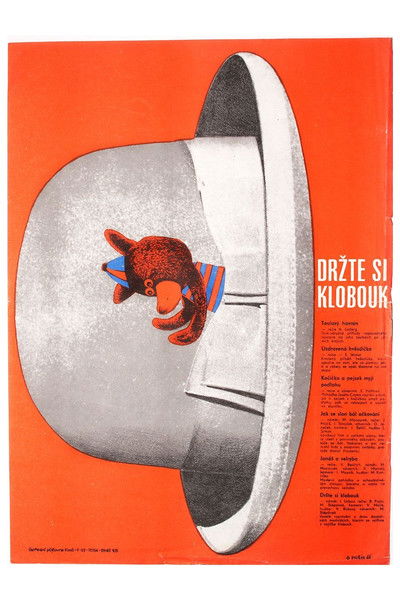
No description available.
Hey, Mister, Let’s Play! Hold On to Your Hat
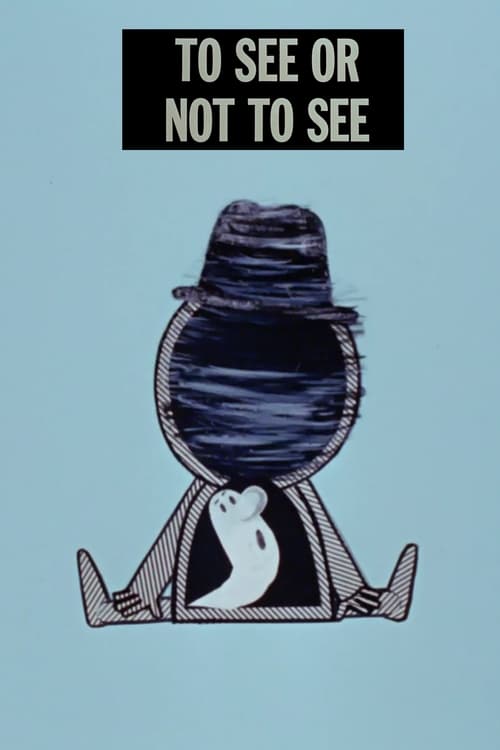
A scientist develops an unusual pair of eyeglasses which allows the wearer's mind to see things objectively rather than the usual subjective manner.
To See or Not to See
No description available.