Sound
Col. Cooper leads a group of American P.O.W.s, battling their way to freedom as Saigon falls to the Viet Cong.
Turtle Dreams, produced for WGBH-TV, originally aired September 2, 1983. Shot by Ping Chong. Composed by Meredith Monk, performed by her and her Vocal Ensemble.
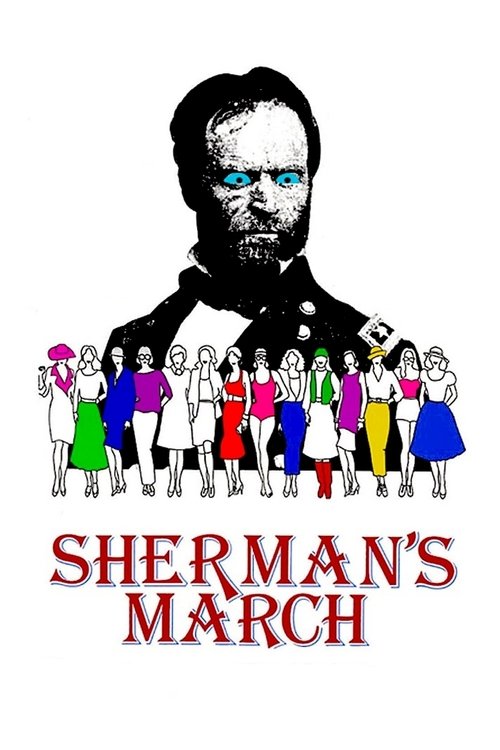
Documentarian Ross McElwee originally set out to make a travelogue of sorts tracing General William T. Sherman's infamous scorched-earth march through the Confederacy in the latter stages of the Civil War. Instead, haunted by a recent breakup with a girlfriend, McElwee ends up documenting his progress -- or lack thereof -- in starting a new relationship. His journey then becomes one of self-reflection and self-discovery rather than a historical/sociological exploration.
The alien abduction phenomenon, told by those who experienced it, with the weight of a Pulitzer Prize-winning Harvard psychiatrist at their back.
A dimwitted thug encounters a strung-out, suicidal young woman and an unlikely relationship develops as they work together to make a break for new horizons.
By way of an unnatural urge during her Mother's funeral, Susan enters her family's mausoleum, which unleashes an evil presence to lurk inside of her.
Leading to War is a 2008 American documentary film composed entirely of archival news footage of the declarations of the United States President George W. Bush and his administration explaining their reasons to attack Iraq in 2003. The film is presented as a historical record and highlights the rhetorical devices and techniques employed by a government to wage war against another nation. Presented chronologically from President Bush's State of the Union Address in January 2002 (the Axis of evil speech), and continuing up to the announcement of formal U.S. military action in Iraq on March 19, 2003, the film presents selected interviews, speeches, and press conferences given by Bush and his administration, including Vice President Dick Cheney, Secretary of Defense Donald Rumsfeld, Secretary of State Colin Powell, National Security Advisor Condoleezza Rice, Deputy Secretary of Defense Paul Wolfowitz. Non-U.S. sources include British Prime Minister Tony Blair.
The remarkable story of Earl Silas Tupper, an ambitious but reclusive small-town inventor, and Brownie Wise, the self-taught sales-woman who built him an empire out of bowls that burped. Brownie was an intuitive marketing genius who trained a small army of Tupperware Ladies to put on Tupperware parties in living rooms across America in the 1950s. She rewarded her sales force with minks and modern appliances at extravagant annual jubilees which the company filmed. her saleswomen earned thousands, even millions, selling Tupperware. And the experience changed their lives.
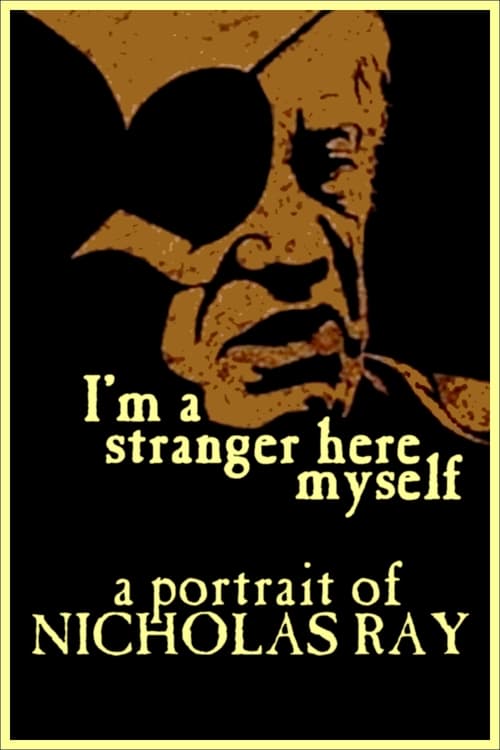
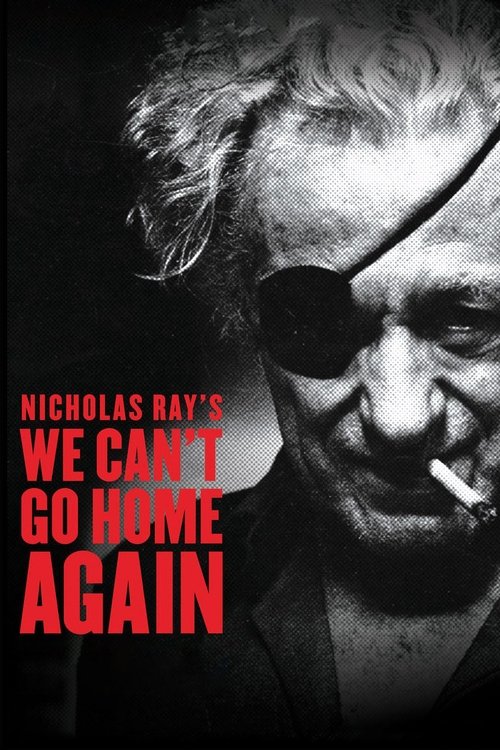
A portrait of legendary filmmaker Nicholas Ray while he is working as a film professor at a college in upstate New York.
A cri de coeur against Iraq War I from writer-director John Gianvito (Profit Motive and the Whispering Wind).
Two travelers meet on the open prairie, and pass their time together by trading stories with each other. Their tales become a sort of competition, each attempting to relate something which might disturb the other.
Most people don't think about singing when they think about revolutions. But song was the weapon of choice when, between 1986 and 1991, Estonians sought to free themselves from decades of Soviet occupation. During those years, hundreds of thousands gathered in public to sing forbidden patriotic songs and to rally for independence. "The young people, without any political party, and without any politicians, just came together ... not only tens of thousands but hundreds of thousands ... to gather and to sing and to give this nation a new spirit," remarks Mart Laar, a Singing Revolution leader featured in the film and the first post-Soviet Prime Minister of Estonia. "This was the idea of the Singing Revolution." James Tusty and Maureen Castle Tusty's "The Singing Revolution" tells the moving story of how the Estonian people peacefully regained their freedom--and helped topple an empire along the way.
Ross McElwee travels through the North Carolina tobacco belt in search of the ancient southern traditions associated with tobacco growing and use, while comparing his filmmaking to commercial cinema, represented by Bright Leaf, a melodrama directed by Michael Curtiz in 1950, starring Gary Cooper, apparently based on the life of his great-grandfather.
Nicholas Ray plays himself, acting as mentor, friend, and artistic inspiration to his students at Binghamton. Preserved by the Academy Film Archive in partnership with The Film Foundation.
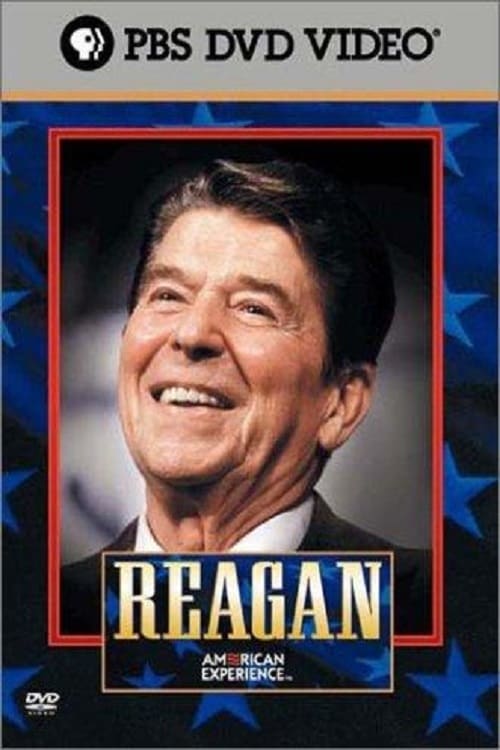
In 1988, after two terms in office, Ronald Reagan left the White House one of the most popular presidents of the twentieth century -- and one of the most controversial. A failed actor, Reagan became a passionate ideologue who preached a simple gospel of lower taxes, less government, and anti-communism.
The events and coincidences that led to rapid advances in human intelligence 50,000 years ago.
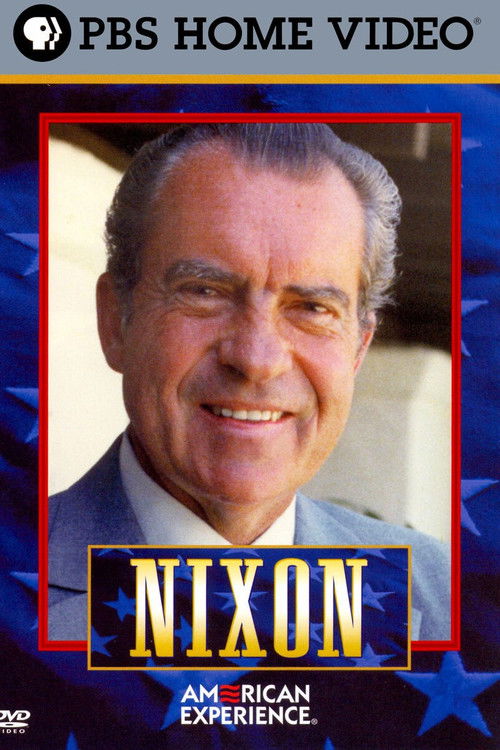
The enigmatic nature of the Nixon presidency combined comparatively progressive legislative initiatives with a flagrant abuse of presidential power and the public trust. His achievements in expanding peaceful relations with China and the Soviet Union stand in stark contrast with his continuation of the war in Vietnam. Finally brought down by scandal and duplicity, his administration did much to erode the citizenry's faith in government.
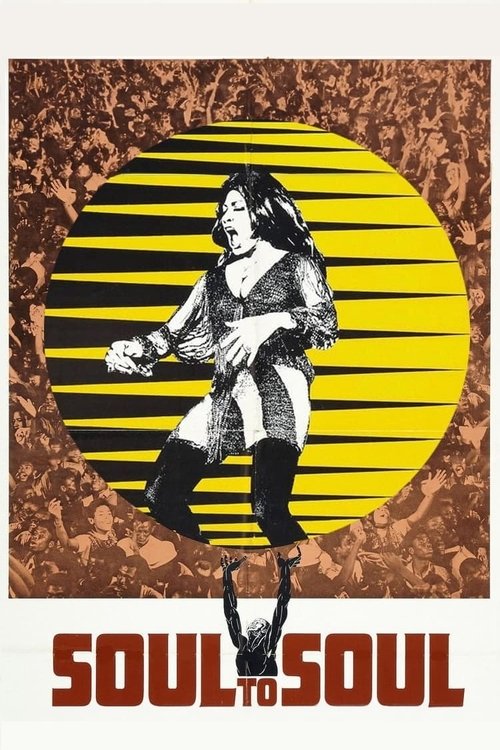
Footage of an American soul music concert held in Ghana to celebrate the 14th anniversary of the independence of that country in 1971. Features live performances by Ike & Tina Turner, Roberta Flack, Carlos Santana, Wilson Pickett and Willie Bobo.
A dance drama work that, through movement and very little spoken text, details the interaction of several people residing at or visiting a motel or motor inn named Mountain View. The work spans a period of about 24 hours, following the individuals through late afternoon, an evening spent in the motel bar, and a picnic-style social gathering the next day. Some of the characters encountered are the family who runs the motel (a mother, her young adult son, and an older man, perhaps her father); a spunky, tomboyish girl; an interracial couple lodging at the motel; a young mother; a pair of newlyweds; a barfly; three people involved in a love triangle; and the punkish friends of the motel owner's son.
A comedy written and Narrated by Jean Shepherd. The story involves several different events such as Ralph's first serious romance with his new neighbor, Randy playing a turkey in the school Thanksgiving Day play, The Old Man setting his sights on a yellow buick and the High School basketball rival game of the season.