Sára Sándor
Camera
Biography
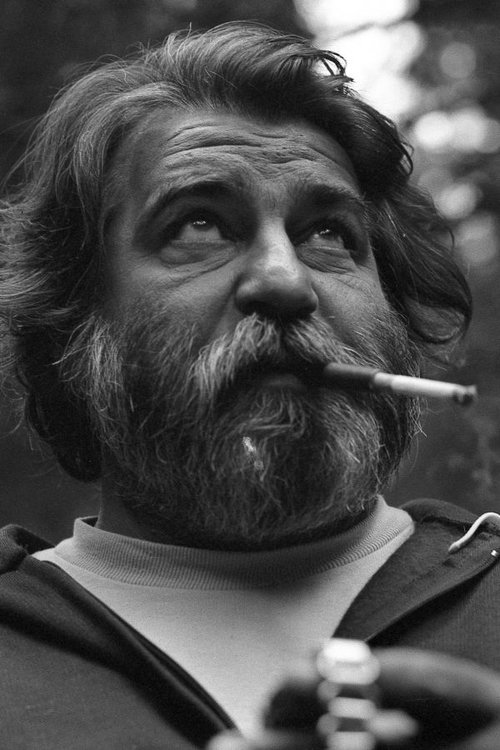
Sándor Sára was born on November 28, 1933 in Tura, Hungary. He was a director and cinematographer, known for Sodrásban (1964), Feldobott kö (1969) and Könyörtelen idök (1992). He was married to Szegedi, Erika (I) and Marianna Moór. He died on September 22, 2019 in Budapest, Hungary.
Known For

An orphan girl suffers abuse from her adoptive parents.
Nobody's Daughter

When young Tako's father dies in Hungary in 1945, Tako is left with scant memories of him. Nurtured by his mother, the boy fantasizes about the man his father was, imagining him a hero. Grown into a man himself, Tako falls for a Jewish refugee, Anni. Burdened by her own heritage as a Jew, Anni sparks in Tako a desire to find out what his father was really like, and he delves into the role his father played in World War II.
Father

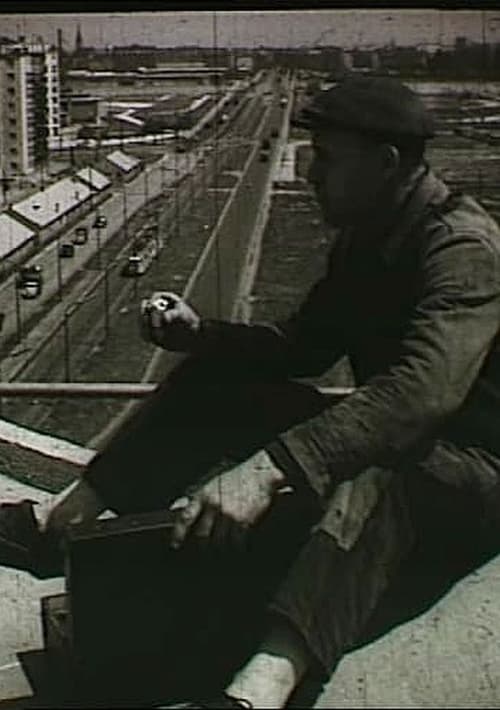
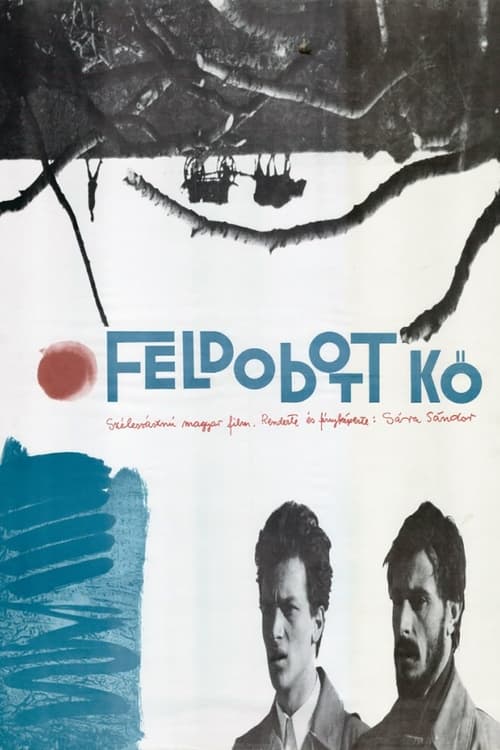
An aspiring film student is denied a scholarship to the state-funded university when his father is thrown in jail. The man had stopped a train in order to facilitate the union between two old friends. The son then takes a job as a land surveyor and meets a Greek man who works towards the collective benefits of the peasants. The man is killed in a peasant uprising prompted by a bureaucratic boondoggle. The surveyor looks after the man's widow as his emerging political and social awareness leads him take a stand against government injustice. Another incident, in which gypsies are rounded up by state hygiene workers, further galvanizes the man's beliefs. He photographs the incident, and his work allows him to be accepted into the school from which he was previously denied admission.
The Upthrown Stone

Huszárik's graduation film was another short entitled Groteszk (Grotesque) in 1963 about a strange train voyage of an artist carrying his own picture.
Grotesque

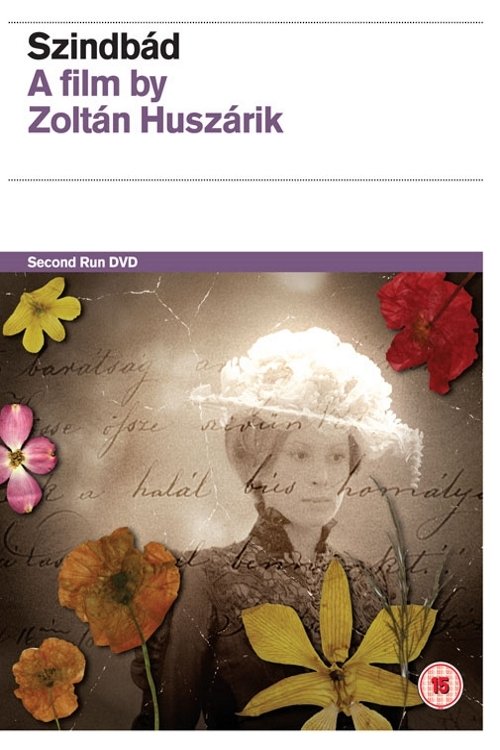
Based on the stories of Hungarian writer Gyula Krúdy, this film is a lush and sensuous depiction of the life, loves and memories of serial seducer Szindbád. As the protagonist looks back on his life, past and present, imagination and reality flow inseparably into one another.
Sinbad
No description available.
Krónika-A II.Magyar Hadsereg a Donnál

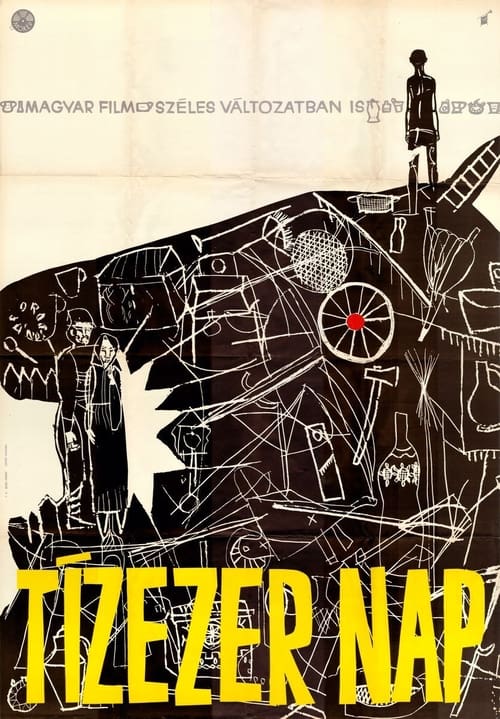
The changing and turbulent history of Hungary is seen through the eyes of three men over a 30-year period in this somber drama. The three recall the highlights of their lives in flashbacks as they reminisce in the mid 1960s. The venerable trio begin their story in the 1930s, through World War II, and the decade beyond the communist invasion of 1956.
Ten Thousand Days

"Budapest Tales" is about a group of people (consisting of Szabo regular Andras Balint along with Ildiko Bansagi and Karoly Kovacs) who find a broken down tram while trying to go to the city. The people band together and try to get the tram back on the train tracks and head towards the city. Along this journey the passengers encounter many people who join them on the tram. What started out as only a handful of people has now turned into a small village. As the people travel on to the city each person takes on certain roles and through the course of time these roles will change. Some people fall in love, others out of love, and a few even die. But life goes on. The people keep the tram going hoping to reach Budapest.
Budapest Tales

On one hot summer night, the residents of a Hungarian apartment house slated for demolition restlessly revisit their haunted pasts as they face an uncertain future. In a gently turning kaleidoscope of dream imagery, regret-laden nostalgia and painstakingly intimate detail, the looming wrecking ball pales in significance to the accumulated experiences each dreamer revisits. Pre-war prejudice, occupying Nazis and Stalinist deprivations all come and go as each tenant’s backward glance yields moments of aching sensuality, infectious exuberance and catastrophic loss.
25 Fireman's Street

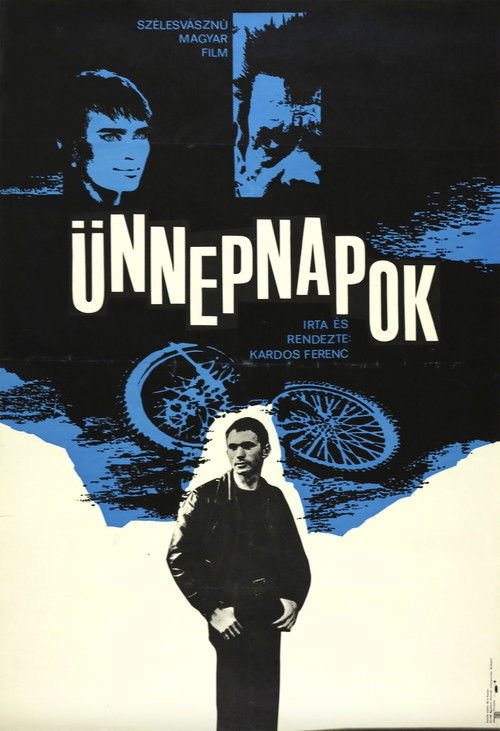
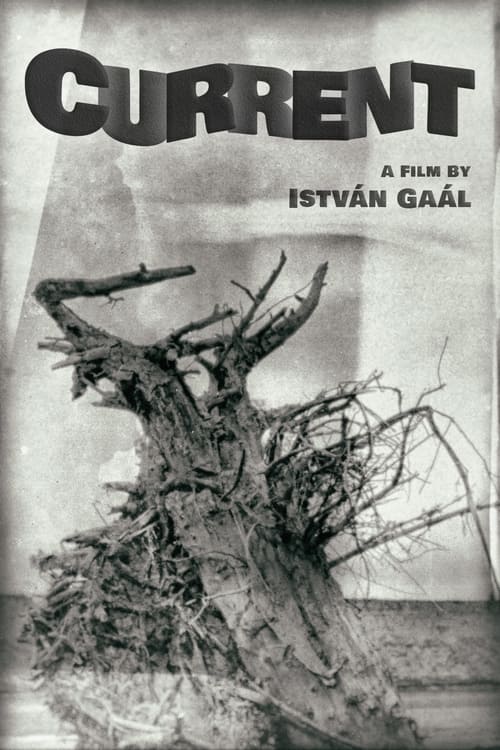
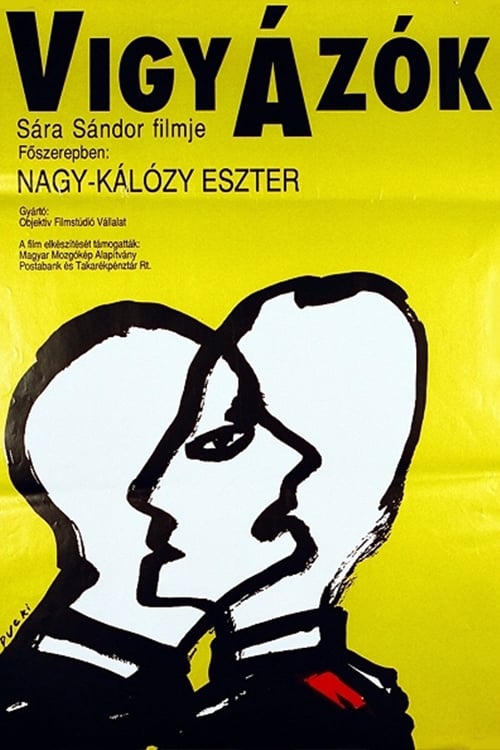
A group of students cope with the disappearance of their friend.
Current

The film tells the story of a regiment of Hungarian hussars stationed in Poland. The hussars, mostly ordinary men, have heard news of the uprising and wish to return to the homeland to defend the newly independent country. The Empire, on the other hand, is firmly resolved that all Hungarian troops in the imperial army should be kept as far away from the trouble spot as possible, knowing that most soldiers would be loyal to Budapest rather than Vienna.
80 Hussars

Reconstructions of unrealized Hungarian films in cooperation with the greatest Hungarian film directors.
Negative history of Hungarian cinema

A grey-haired man walks through the fields. Fatigued, but with the same tenacity he roams the roads, the pathways, the tracks every day, medical bag in hand. Everyone awaits him: desperate or in hope, to the dying or to the woman in labour. He is the local GP. In fact, he is film director Imre Gyöngyössy’s father, the protagonist of one of his first short films. The personal narration based on the director’s poem is made complete by the pictures of Sándor Sára and István Gaál who were also active at Balázs Béla Studio at that time.
Férfiarckép

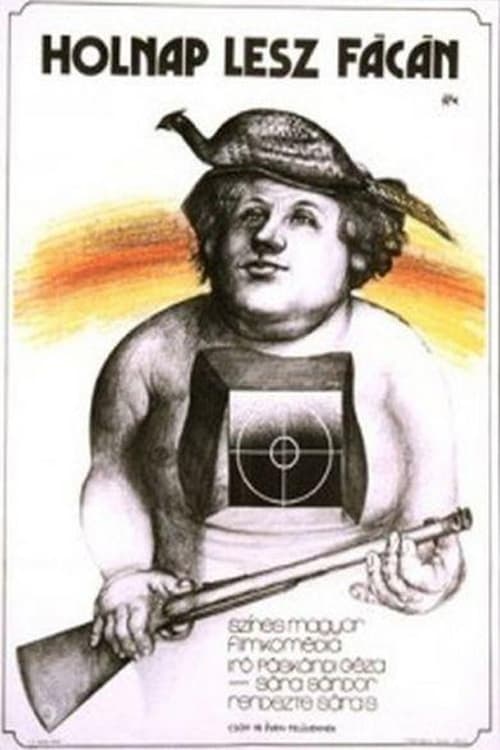
The loving couple of this grotesque parable parody of the Kádár-regime, Mária and István row to an uninhabited, idyllic island. Soon crazy tent-pitchers swarm to the island, led by an official representative of the regime.
Pheasant Tomorrow
A collective film made by ten prominent Hungarian filmmakers to express what each of them wishes to bring with them of their own culture and personal experience with Hungary's accession to the European Union.
From Europe Into Europe

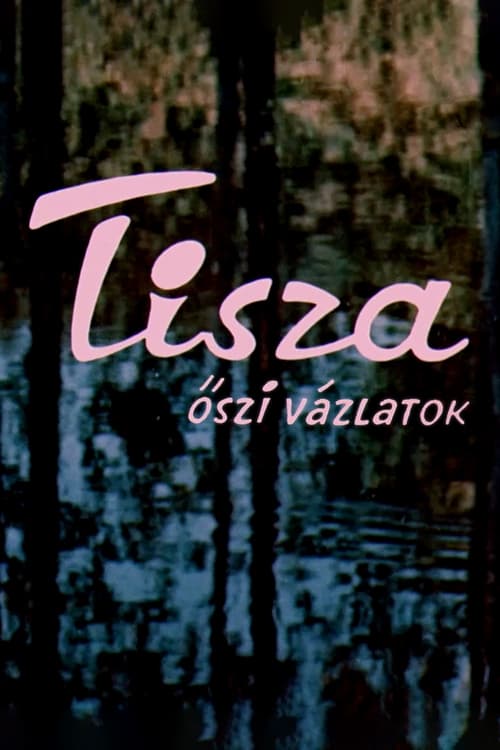
The first signs of autumn are seen in a landscape along a river. Some villagers are stacking a bed of stone blocks on the river-bank to avoid more eroding. Others are occupied by ploughing, fishing or repairing. A small steamboat passes by. In the engine room a stoker is shovelling coal into the oven. Further down the river a small town is passed by the water. A rowing-team is training for coming races. Some biologists are looking at microbes from the water through a microscope. A group of workers are painting a new barge and push it into the river. When a small boy sees a racing boat, he leaves his sand-castle and runs along the river.
Tisza: Autumn Sketches

The story of the film takes place in 1929 in a model prison providing a kind of reflection how society works out there. Udvardi, the weakling and indulgent director is experimenting with putting in practice a kind of pseudo-humanist utopia about the institution of a 'civilised prison'.
Beyond Time

During World War II Carlotta, the circus owner maintains herself, her lover and her rather run-down circus-team by illegal man-smuggling. In the year of 1944, besides the usual refugees, she even has to take Professor Máté, the renown mathematician to the Yugoslavian partisans. The team is joined by Carlotta's psychotic son who has escaped from an asylum.
Circus Maximus

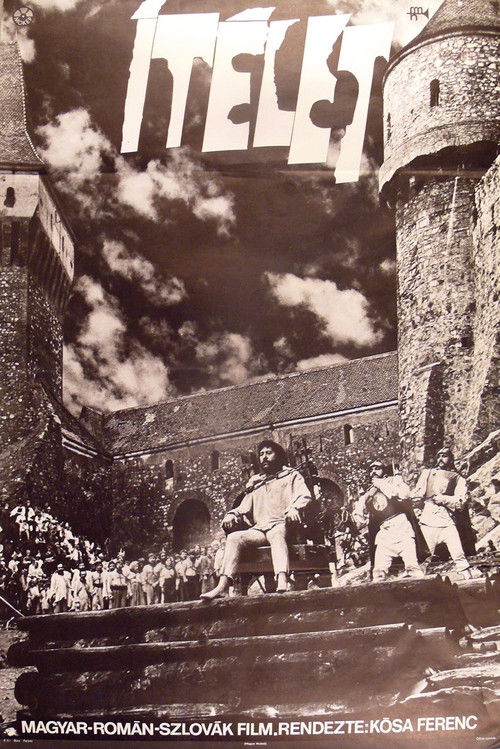
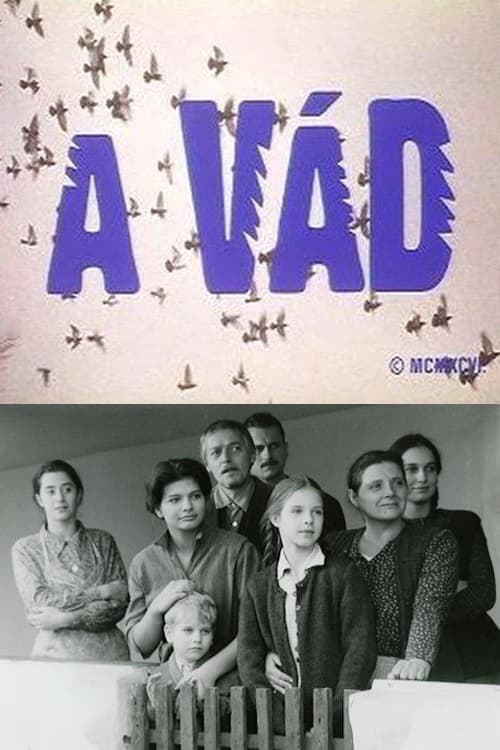
The film is a historic parable about the topicality of revolution. 1514. The peasants' uprising is over, Dózsa has been arrested. Werbőczy tries to get the imprisoned peasant leader deny the revolution and offers him the lives of his people in exchange.
Judgement

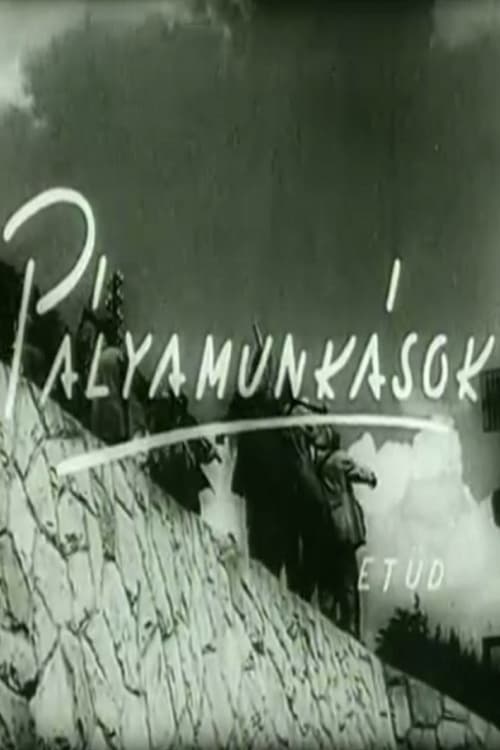
A group of plate-layers are packing the stone-bed under the rail with their pickaxes. They swing their picks in a coordinated, rhythmic way, thereby creating a sequence of rings, when they hit the stones or the rail, which sounds almost as music. When a train passes by, they stand silent beside the rail for a while, and then start the rhythmic beats again.