Yoshiko Okada
Acting
Biography
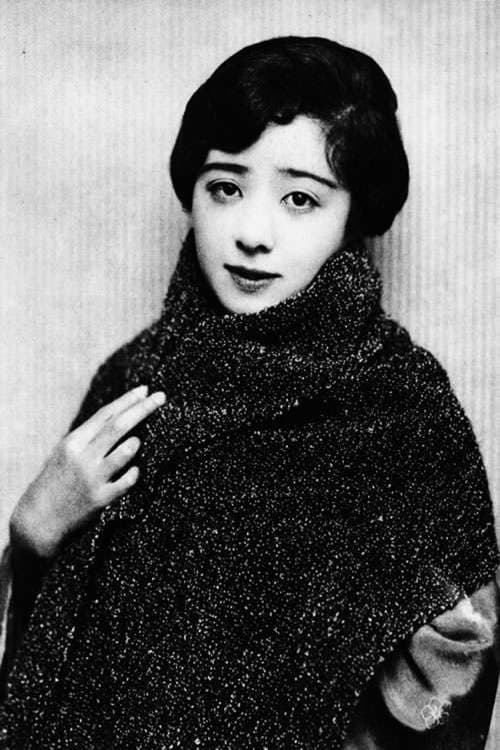
Yoshiko Okada (岡田 嘉子, Okada Yoshiko, 21 April 1902 – 10 February 1992) was a Japanese actress. She was one of the most popular actresses in Japan during the late 1920s and early 1930s. She entered the film industry in 1923 and quickly rose to fame by appearing in numerous films. During the transition from silent films to sound films, Okada continued acting but faced increasing competition from younger actresses. Her popularity declined as new stars emerged in the 1930s. She was among the first actresses to replace onnagata (men playing female roles) in Japanese cinema and became famous for portraying modern, independent women, reflecting social shifts in 1920s–30s Japan. Her love life and relationships with directors were widely reported, contributing to her celebrity image. In 1938, she fled to the Soviet Union with her lover, the stage director Ryokichi Sugimoto. Soon after arriving in the Soviet Union, both were arrested during the Great Purge. Sugimoto was executed. Okada was sentenced to ten years in a labor camp. After her release, she remained in the Soviet Union and worked in theatre. She became involved in theatrical activities in Moscow, learning Russian and integrating into Soviet theater. For many years, she was believed to have died. In 1972, it was revealed that she was still alive. She briefly returned to Japan in 1973, attracting considerable media attention. Okada later returned to the Soviet Union, where she lived until her death in 1992. Description above from the Wikipedia article Yoshiko Okada, licensed under CC-BY-SA, full list of contributors on Wikipedia.
Known For

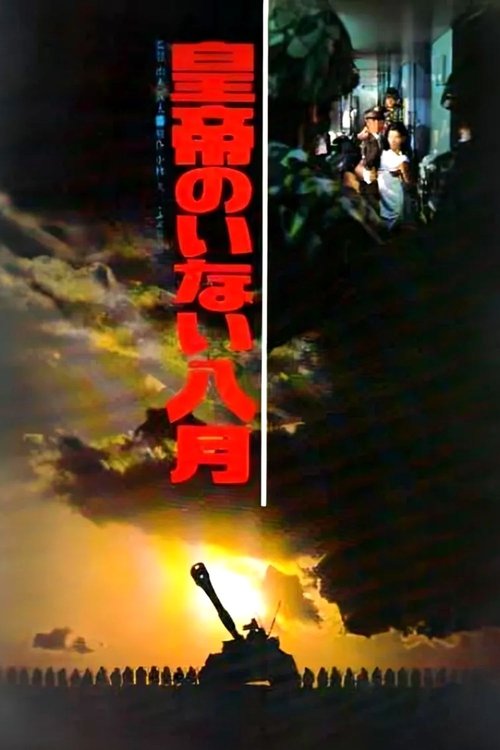
Taking the Chilean coup as an example, a group of young officers plan to overthrow the Japanese government on V-J Day. They aim to abolish the post-war constitution, restore the national army and revive the traditional spirit of Japan. As the conspiracy is exposed, the coup squadrons are wiped out one by one. The remaining squadron takes over a night train bound for Tokyo.
August Without Emperor

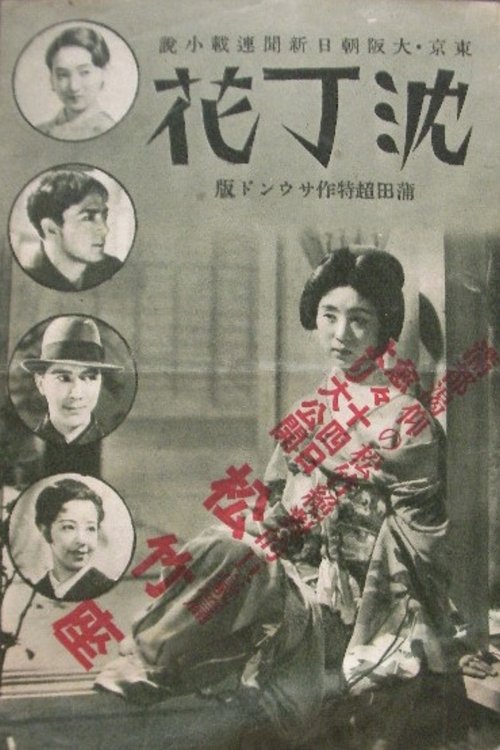
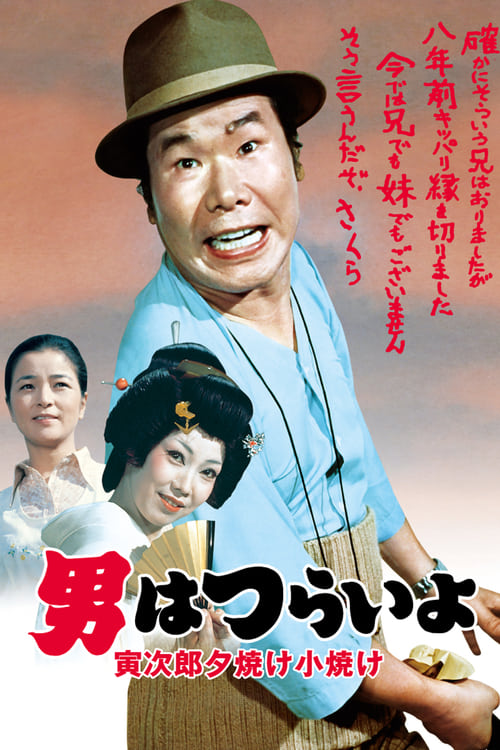
Tora-san arrives in Shibamata on Mitsuo's first day of school only to find that on his account, Mitsuo was embarrassed. After a fight with his family, he goes to a bar to drink, then brings home a surly old man with a sad story, whose identity will surprise everyone. Later, Tora meets Botan, a geisha.
Tora-san's Sunrise and Sunset

Ryoichi and Chikako, brother and sister, live together. Chikako toils during the day and, at night, prostitutes herself to fund his college tuition.
Woman of Tokyo

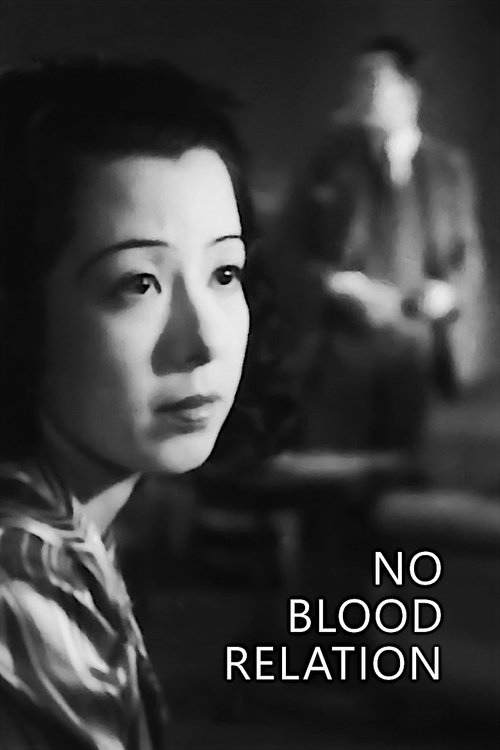
An actress returns to Tokyo after a successful stint in Hollywood to reclaim—with the help of her gangster brother—the daughter she abandoned years before.
No Blood Relation

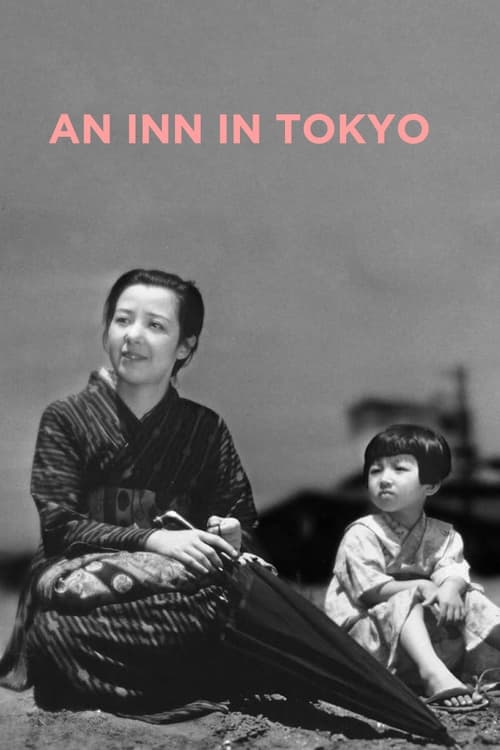
An unemployed Japanese man and his two sons wander the industrial flatlands of Depression-era Tokyo, until he chances upon an old friend and befriends a woman and her daughter, who are in a similar predicament.
An Inn in Tokyo

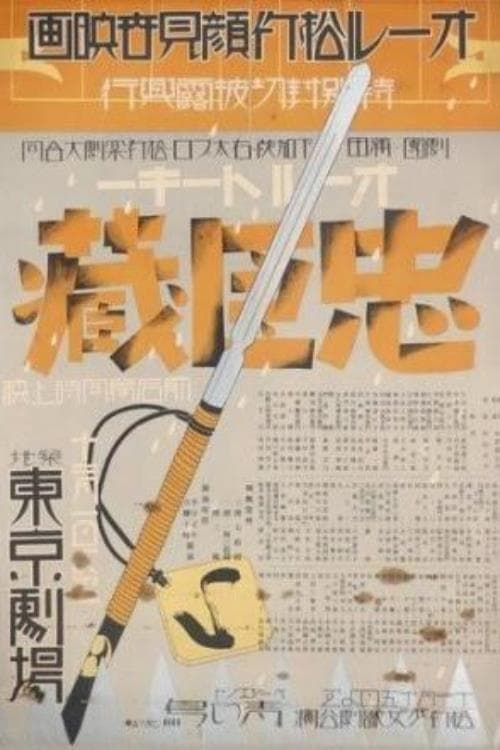
This 1932 adaptation is the earliest sound version of the ever-popular and much-filmed Chushingura story of the loyal 47 retainers who avenged their feudal lord after he was obliged to commit hara-kiri due to the machinations of a villainous courtier. As the first sound version of the classic narrative, the film was something of an event, and employed a stellar cast, who give a roster of memorable performances. Director Teinosuke Kinugasa was primarily a specialist in jidai-geki (period films), such as the internationally celebrated Gate of Hell (Jigokumon, 1953), and although he is now most famous as the maker of the avant-garde silent films A Page of Madness (Kurutta ichipeji, 1926) and Crossroads (Jujiro, 1928), Chushingura is in fact more typical of his output than those experimental works. The film ranked third in that year’s Kinema Junpo critics’ poll, and Joseph Anderson and Donald Richie noted that 'not only the sound but the quick cutting was admired by many critics.
The Loyal 47 Ronin

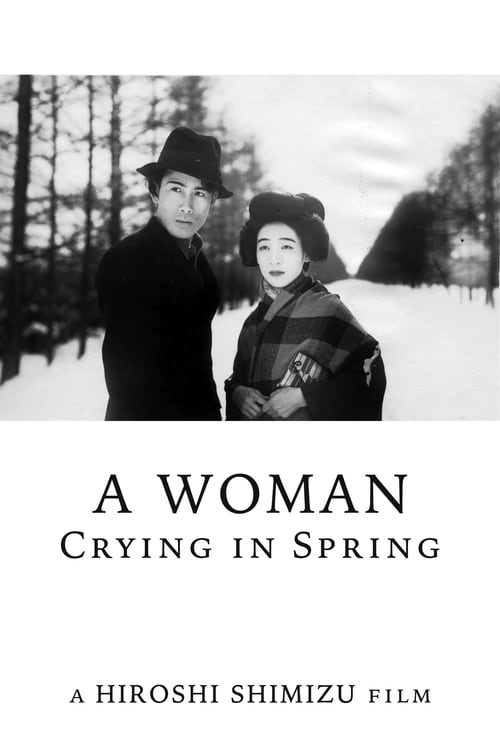
Kenji and Chuko travel to Hokkaido as migrant workers and enlist as miners under the strict leadership of Guzuyasu. On the boat journey to Hokkaido, Kenji attracts Ohama, who is travelling to Hokkaido to open a bar. When Kenji visits the bar, he chases away a sailor who was hassling a shy girl, Ofuji, which makes Ohama jealous.
A Woman Crying in Spring

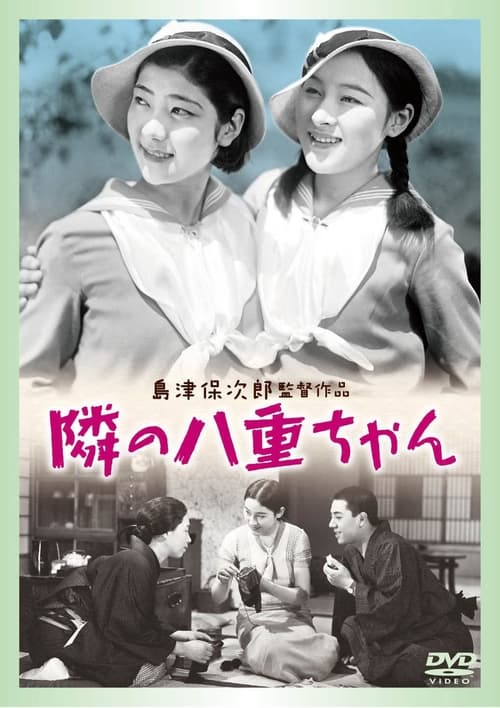
Keitaro is a law student and Yaeko is a high school girl. They are neighbors, and their friendship is starting to develop into something more romantic. Then, Yaeko's sister Kyouko has a breakup with her husband and returns home. Kyouko is clearly interested in Keitaro and Yae becomes anxious.
Our Neighbor, Miss Yae

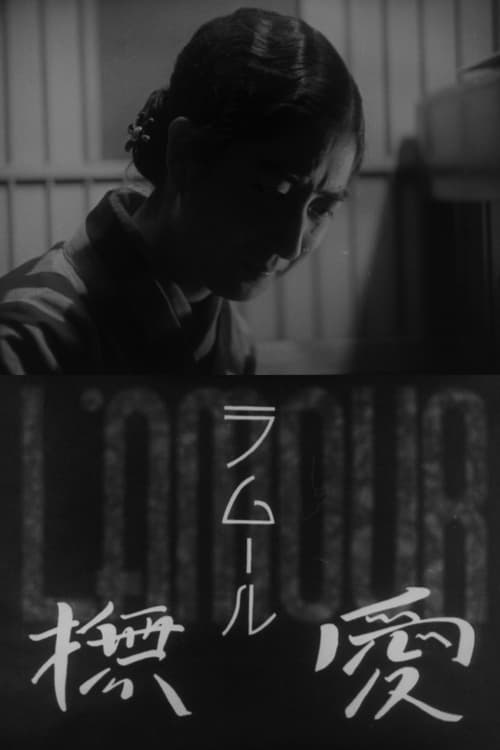
Heinosuke Gosho evokes in this film the family conflicts engendered by the eternal problem of a father who projects his professional desires on the life of his son. The sister Machiko is the essential link that will allow everyone to apologize to each other and achieve reconciliation.
Love

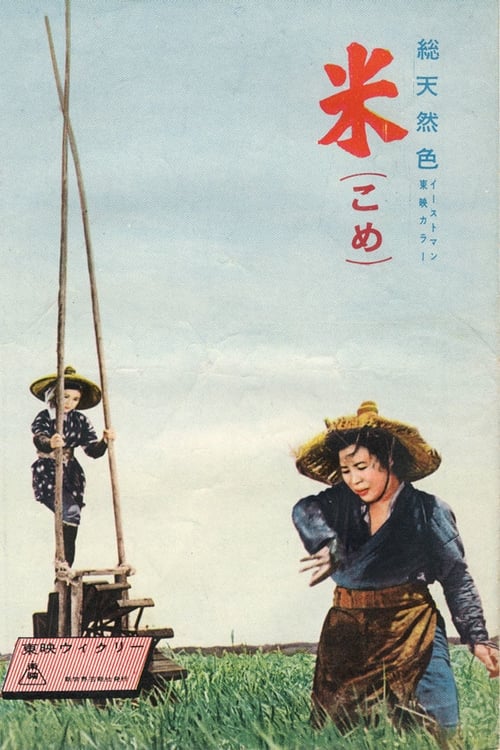
A touching story depicting the harsh lives of farmers in Kasumigaura. An attempt to start a fishery business to revive an ailing farming community creates friction amongst the proud residents.
Rice

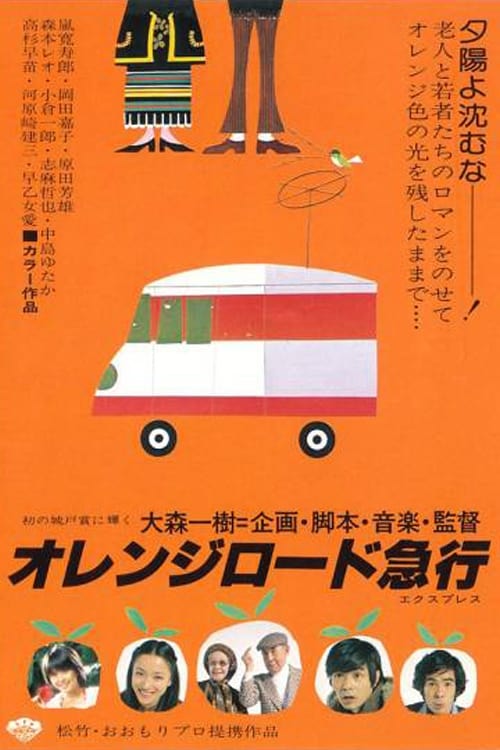
A travelling group of young people running a pirate radio station from a small truck encounter an eccentric elderly couple who are on the run from the law.
Orange Road Express

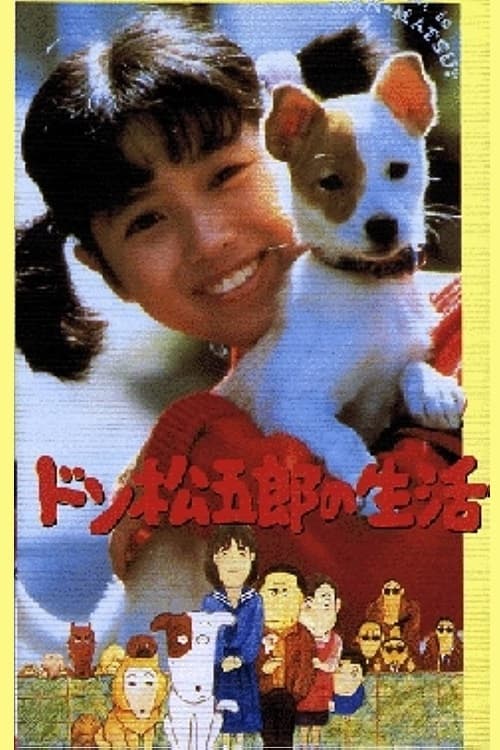
Children's movie about a dog that can type messages into a word processor. When his owner is kidnapped, the canine summons his fellow dogs to help in the rescue effort.
Life of Don Matsugoro

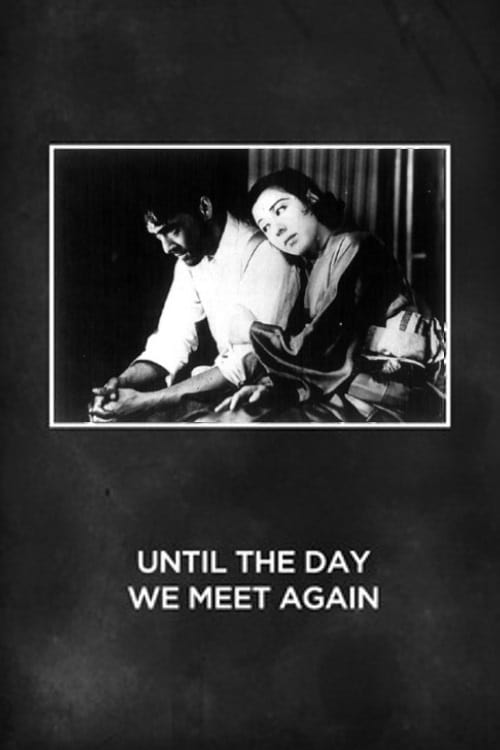
A young man falls in love with a prostitute and is disowned by his family. He is then drafted, and heads off to war. Script exists - considered to be a lost film.
Until the Day We Meet Again
Directed by Eizo Tanaka.
Skull Dance

The curse of a jealous woman destroys lovers on the run. Considered a lost film.
The Passion of a Woman Teacher
No description available.
Daichi wa hohoemu daisanpen

A Soviet violinist, during a concert tour in Japan, meets a little milk carrier named Taro. Upon returning home, the violinist tells Moscow schoolchildren about the lonely little Japanese boy who dreams of corresponding with Soviet kids. And 10,000 pioneers offered Taro their friendship...
Ten Thousand Boys

No description available.
Niizuma no wananaki
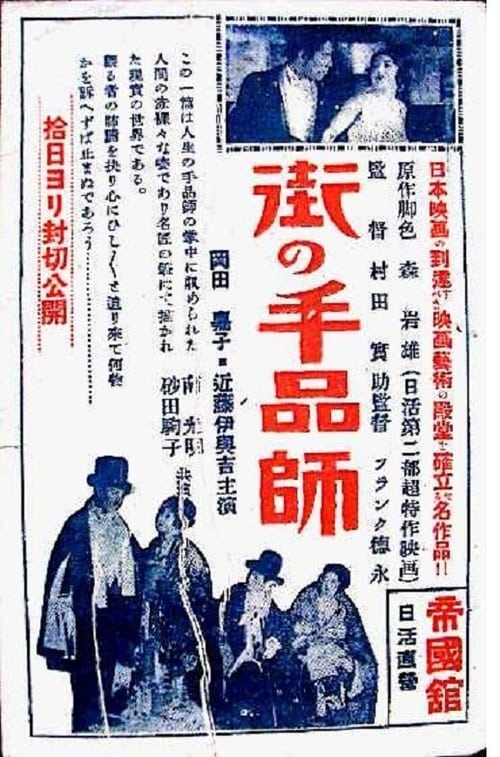
Directed by Minoru Murata.
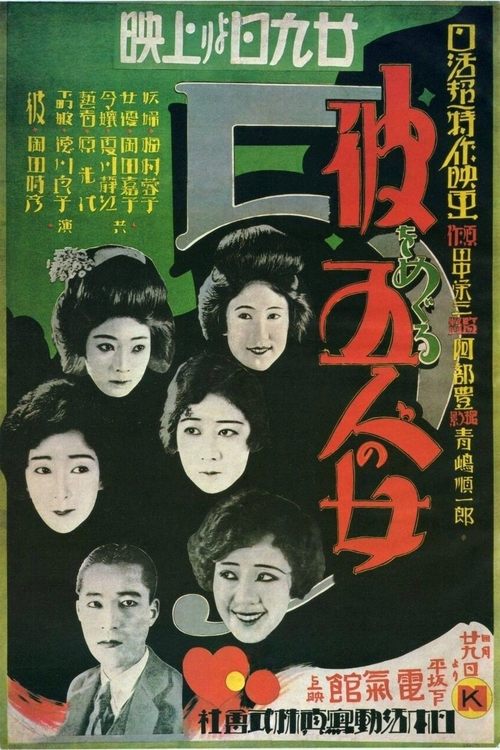
日輪 前篇

Directed by Yutaka Abe.