Lionel Ngakane
Acting
Biography
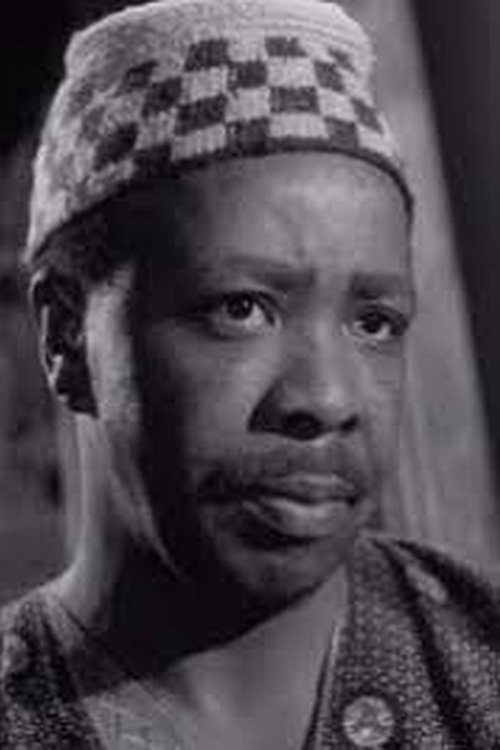
Lionel Ngakane (17 July 1928 – 26 November 2003) was a South African filmmaker and actor, who lived in exile in the United Kingdom from the 1950s until 1994, when he returned to South Africa after the end of apartheid. His 1965 film Jemima and Johnny, inspired by the 1958 "race riots" in Notting Hill, London, won awards at the Venice and Rimini film festivals. In the 1960s, Ngakane was a founding member of the Pan African Federation of Filmmakers (FEPACI) and Fespaco, the Panafrican Film and Television Festival of Ouagadougou (FESPACO). Ngakane was born in Pretoria, South Africa.[2] In 1936, his family and he moved to the Sophiatown neighbourhood of Johannesburg. His father (a teacher) set up a hostel with Alan Paton, author of the 1948 novel Cry, The Beloved Country. Ngakane was educated at Fort Hare University College and the University of Witwatersrand, and worked on Drum and Zonk magazines from 1948 to 1950. In 1950, he began his career in film as an assistant director and actor in the film version of Cry, the Beloved Country (1951), directed by Zoltan Korda. Shortly thereafter, Ngakane went into exile in the United Kingdom. As an actor, he appeared in films, including The Mark of the Hawk in 1957 (with Eartha Kitt), on television — Quatermass and the Pit (1958) and the spy series Danger Man (Deadline, 1962) with Patrick McGoohan, and on stage — in Errol John's Moon on a Rainbow Shawl,[5] and Wole Soyinka's play The Lion and the Jewel at the Royal Court Theatre in 1966.[6] Ngakane returned to South Africa after the end of apartheid in 1994. He is best remembered for his short film Jemima and Johnny (1965), inspired by the 1958 "race riots" in Notting Hill, London. It won awards at the Venice and Rimini film festivals. He also directed documentaries on apartheid and African development. He was honorary president of the Pan African Federation of Filmmakers (FEPACI), which organization he had originated in 1967 as a lobbying group for the support of African filmmakers.[2] He died in Rustenburg, South Africa, in 2003, aged 75.
Known For

Theatre 625 is a British television drama anthology series, produced by the BBC and transmitted on BBC2 from 1964 to 1968. It was one of the first regular programmes in the line-up of the channel, and the title referred to its production and transmission being in the higher-definition 625-line format, which only BBC2 used at the time.
Theatre 625

Danger Man is a British television series which was broadcast between 1960 and 1962, and again between 1964 and 1968. The series featured Patrick McGoohan as secret agent John Drake. Ralph Smart created the programme and wrote many of the scripts. Danger Man was financed by Lew Grade's ITC Entertainment.
Danger Man
Studio 4 is an anthology drama series utilising BBC Television Centre's Studio Four, and running for two series in 1962 on BBC One. It was envisaged as a sequel to Storyboard, a similar anthology series which had been transmitted the previous year.
Studio 4

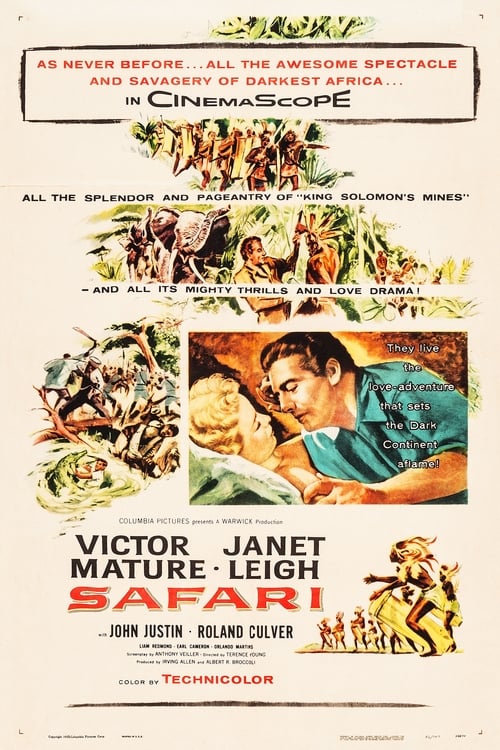
Wealthy eccentric Sir Vincent Brampton and his fiancée Linda Latham hire Ken Duffield to lead them on a jungle hunt. Duffield is looking for the murderer of his son; he gets the killer and Linda.
Safari

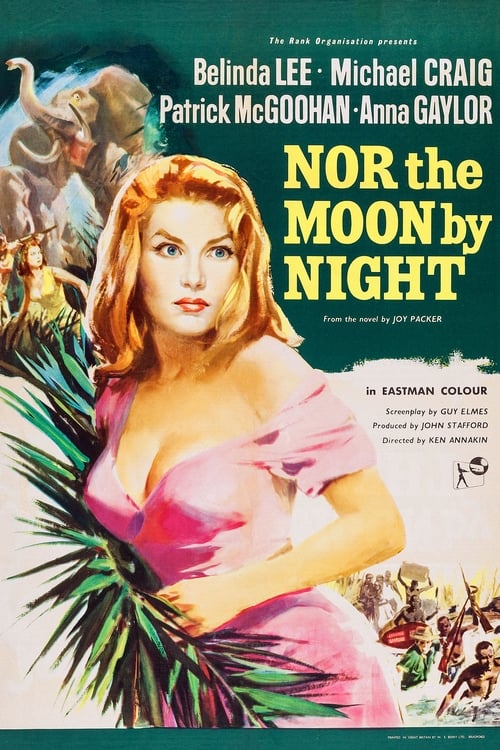
When Alice Lang flies out to Kenya to marry gamekeeper Andrew Miller she is met by his brother Rusty, who is initially opposed to the marriage. The two become attracted to each other, but when Andrew is attacked by a lion, Alice nurses him back to health. Now torn between affection and duty, she must decide which path to follow.
Nor the Moon by Night

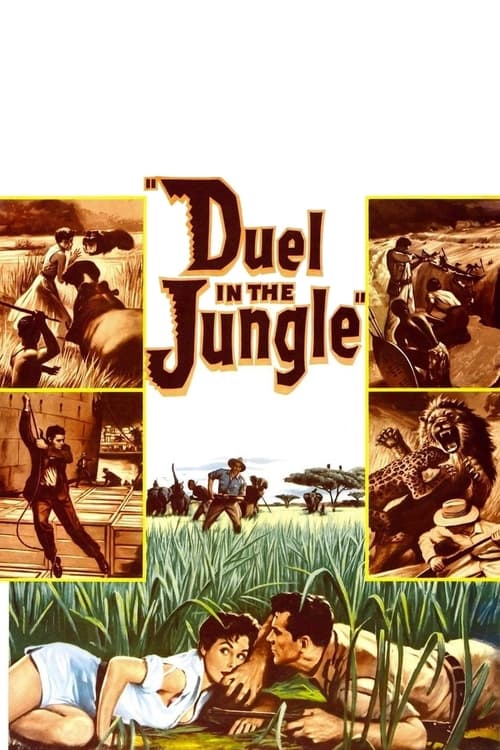
An American insurance investigator is sent to Rhodesia to investigate the mysterious death of a diamond broker who drowned whilst diving off the coast. The broker was insured for $1 million so the insurers are suspicious.
Duel in the Jungle

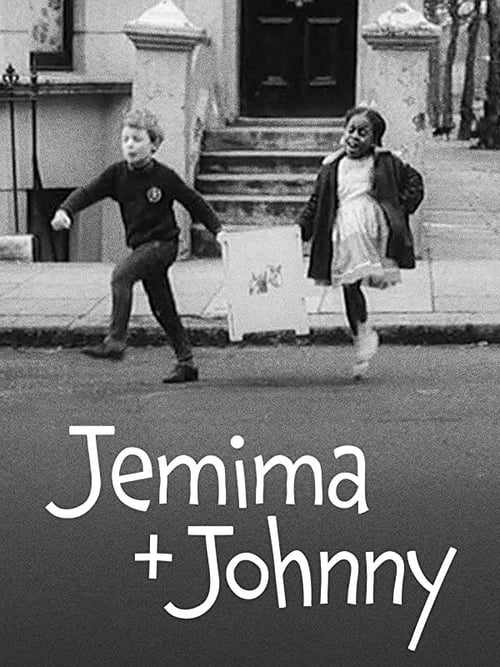
A white boy and a black Jamaican girl have a day out in a city where racial hostility prevails.
Jemima + Johnny

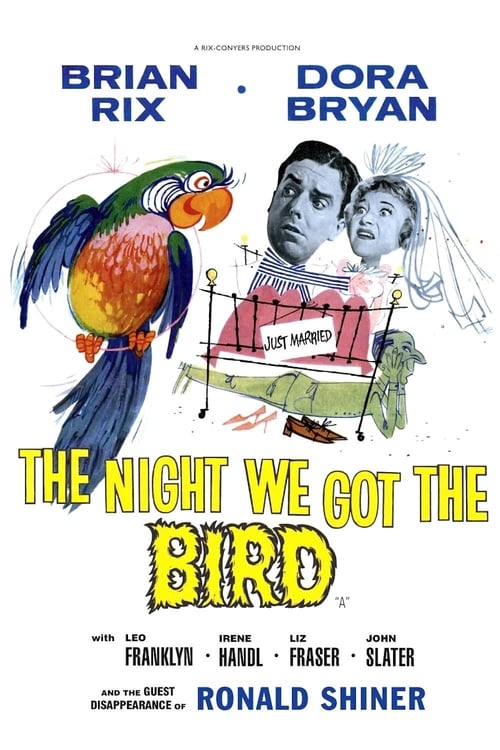
Good natured comic caper charting the misadventures of a hapless bunch of Brighton based petty crooks dogged with disaster at every turn.
The Night We Got the Bird

Thirty-seven men from the disputed territory of South West Africa are on trial for their lives in Pretoria, 1,000 miles from their home. They are to be tried under South Africa's Terrorism Act despite the UN ruling that South Africa must abandon its 'illegal administration' of their country.
Child of Hope

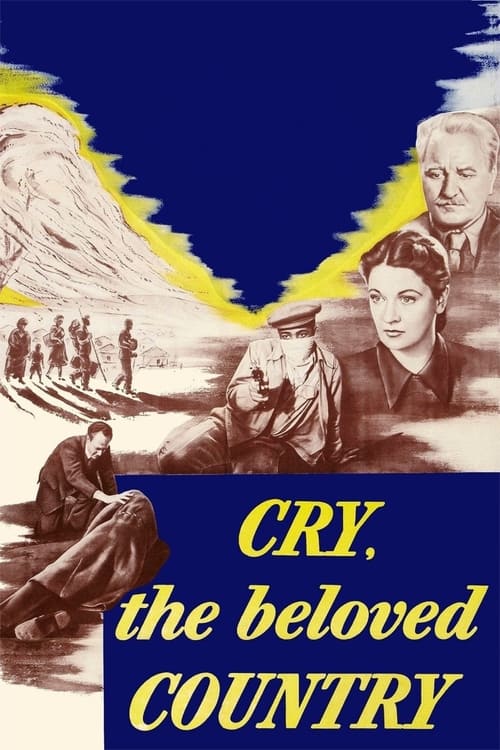
In the back country of South Africa, black minister Stephen Kumalo journeys to the city to search for his missing son, only to find his people living in squalor and his son a criminal. Reverend Misimangu is a young South African clergyman who helps find his missing son-turned-thief and sister-turned-prostitute in the slums of Johannesburg.
Cry, the Beloved Country

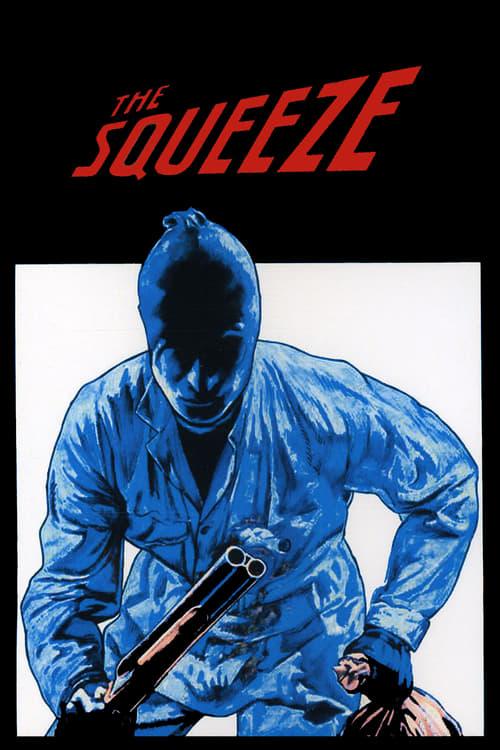
An alcoholic London ex-cop becomes involved in a kidnapping drama and tries to free the daughter of a friend from a brutal gangster mob.
The Squeeze

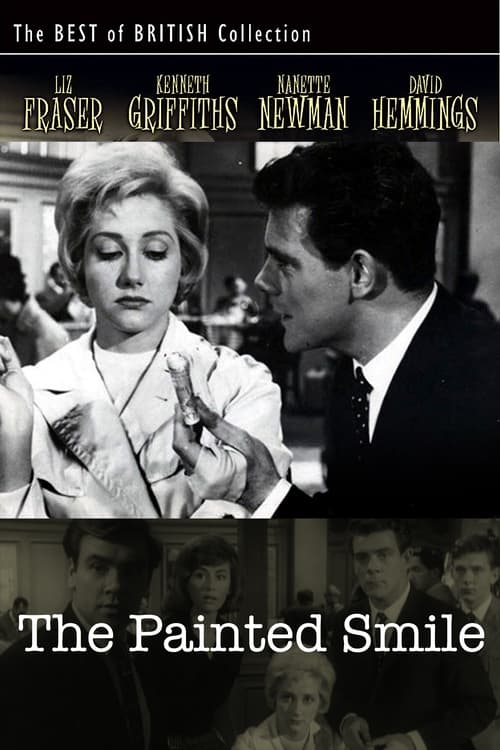
Jo and Mark are working the "outraged husband" racket when they fall foul of the sinister Kleinie....
The Painted Smile

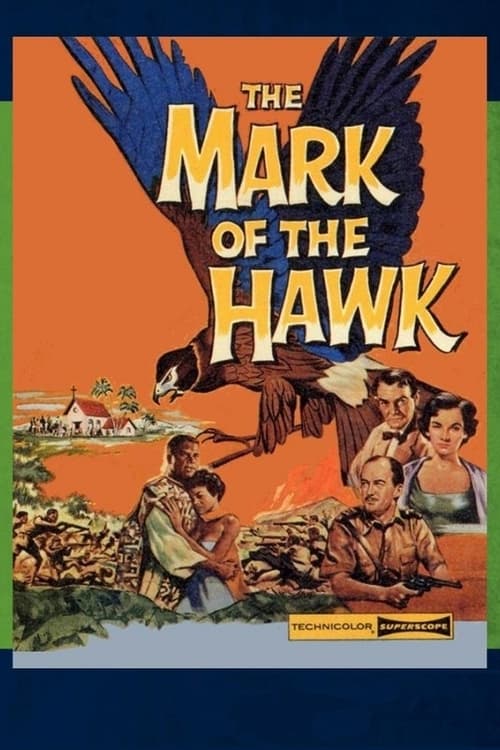
The man called Obam struggles with the increasingly hostile forces facing each other in a colonial African country. The African natives want their land and lives back from the British colonists. Obam's motives are questioned by his own people, in particular his brother Kanda. With the help of his wife Renee and missionary Bruce Craig, will he be able to get things under control before the country self-destructs? Written by Greg Bruno
The Mark of the Hawk

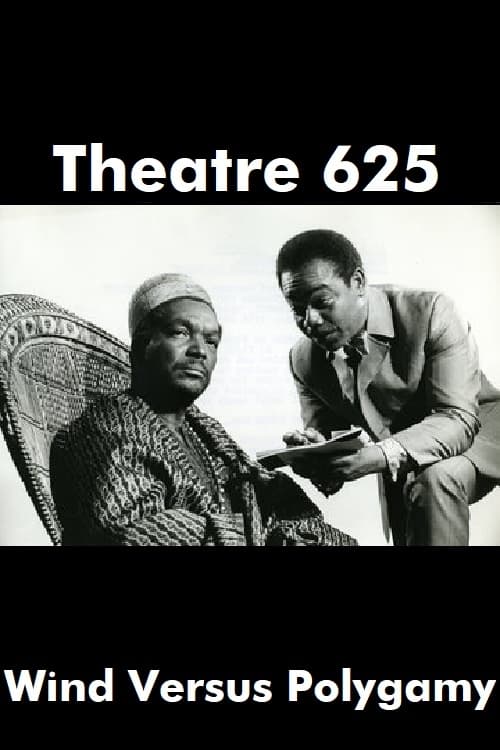
When Councillor Ogidt and Mr. Madu come to Chief Ozuomba's court, both wanting to marry Elina, the Chief sees his chance to oppose the new anti-polygamy law. Unfortunately, this production was likely wiped by the BBC, and is no longer believed to exist.
Wind Versus Polygamy

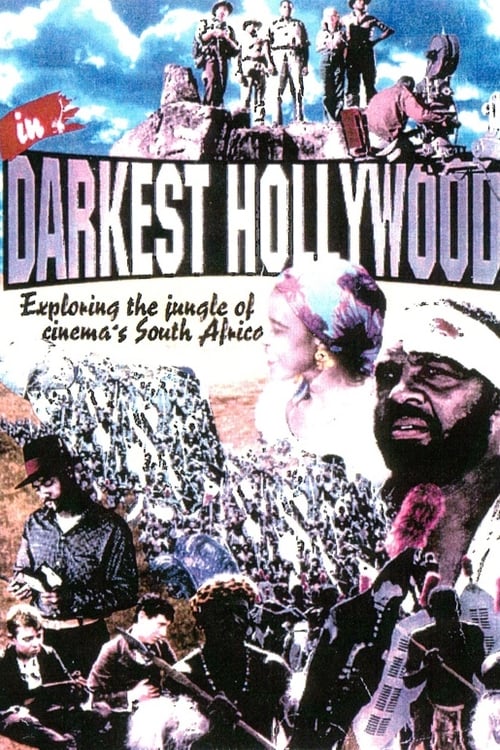
A documentary overview and ideological critique of the South African film industry and cinema's historical relationship with apartheid.
In Darkest Hollywood: Cinema and Apartheid

An insecure Briton and a Briton of Jamaican descent share a London apartment together.
Two Gentlemen Sharing

George, a black South African, finds it hard to settle down in London after his experiences in South Africa.
Victims of Apartheid

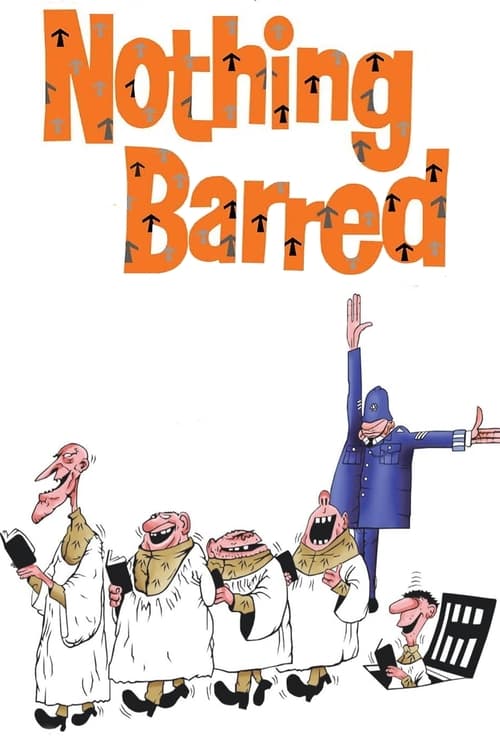
Penniless Lord Whitebait's plan to save his sinking fortunes is to open stately Whitebait Manor to the public. But the public ignores his gesture, and his fortunes fade even further, with a stream of debts threatening to run into a deluge when his daughter's fiancé demands a plush and costly wedding. Where is the cash to come from? Whitebait and his servant Spankforth's answer is a scam involving the theft of a valuable painting from the Manor. How could such a cunningly original ruse fail?
Nothing Barred

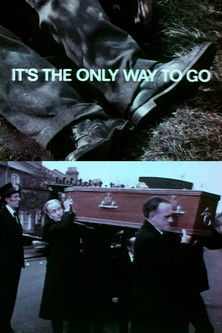
A black comedy, in mime, about the funeral of an old man who dies from an overdose of excitement while watching a young girl strip.
It’s the Only Way to Go
Looks at the baobab trees that grow in the dry bush country of Africa and shows the ecosystem created by them.