Acting
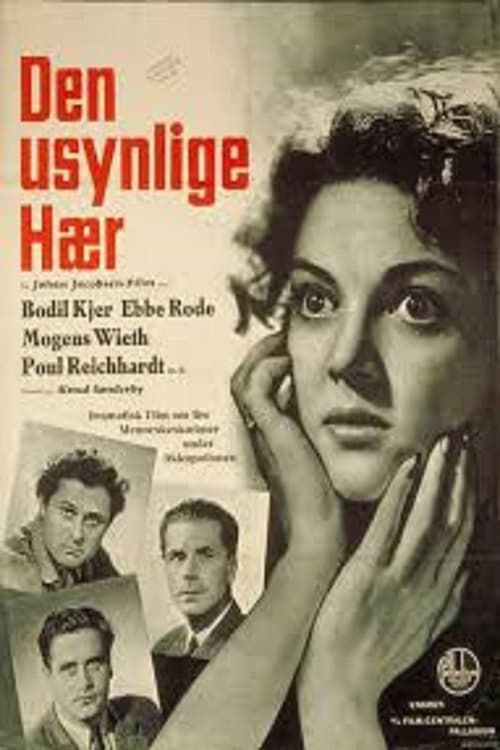
Sabotage of a Nazi factory is carried out by the husband of the lover of a resistance leader.
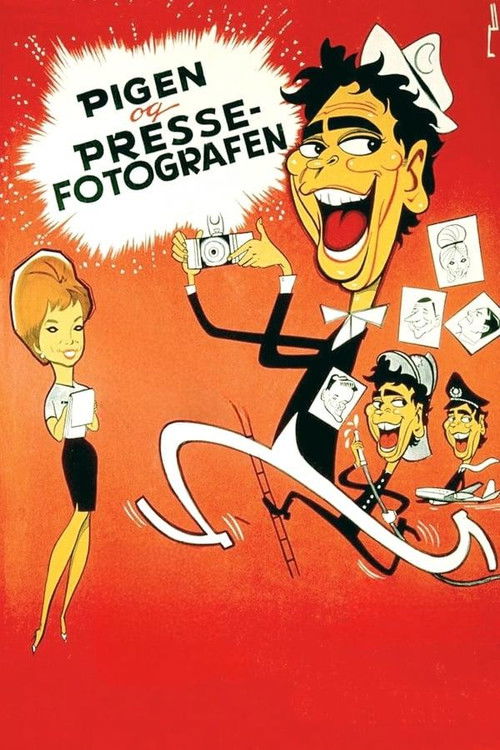
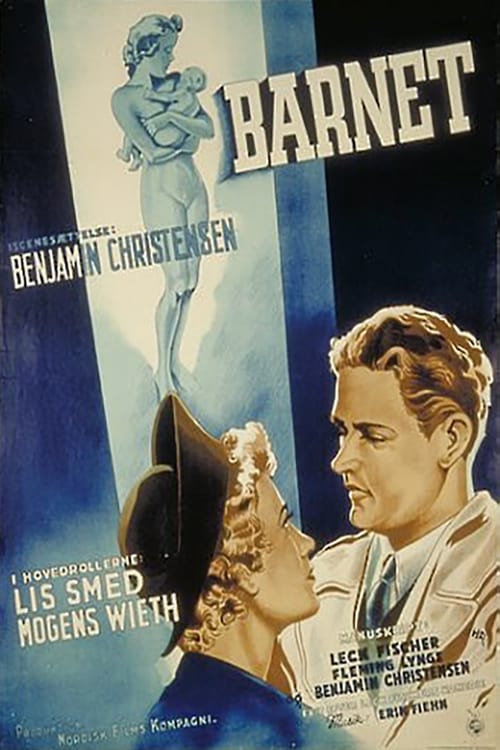
Bastian and Lene are a good couple, as a journalist and press photographer. They take turns to get ideas for how to get a scoop for the magazine "Tit og Lyt". They agree to play husband and wife so that Bastian can get an apartment. Lene is deeply in love with Bastian why she gets their mutual friend Soren to send a man from the housing authority. He says that they most have one child to stay in the apartment.
Eight old school friends meet at Tove's to discuss what has happened in the last 10 years. Some have made careers, others have become homemakers, some are married and others alone. The community is intact, but what no one knows is that Tove is hiding a big, unhappy secret.
In a large shoe store, Erik Hansen is the salesman for a sweet and smart young girl, Edith Bjørnfeldt, with whom he falls head over heels in love. He persuades her to go out with him in the evening. At a dance restaurant, they accidentally meet Edith's brother Willy Bjørnfeldt, a Copenhagener and one of the smart go-out types of the time. When Edith and her brother are alone at the table for a moment, Willy advises her to seize the opportunity and marry Erik, and thus say goodbye to the shoe business, which is hanging over her by the throat.
Behind the red gates lies Dyrehaven with the green beeches and the famous zoo hill - the motley world of clowns. Professor Labardi is behind the popular singer pavilion, where his young daughter, Gulnare, performs. After a rainy summer, there is an economic low tide on Bakken, and the family is tempted to seek help from Gulnare's enterprising suitor, Carlo Petersen. But Professor Labardi carries a secret: the clown family has family ties to the fine legal world outside the gates. There is conflict, money transactions, love, hypocrisy and villainous streaks when the fine world and the hill folk meet. Behind the Red Gates is a terrific folk comedy that takes us behind the attractions at the traditional amusement park in Klampenborg.
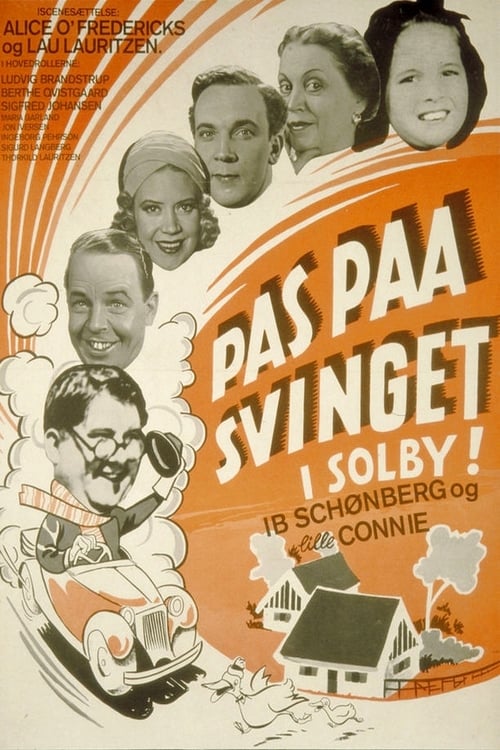
The priest in Solby borrows 2,000 kroons from the parish council treasury to pay for one of his parishioners' hospital stays in Germany. Marianne, the rich man's daughter, is to be a bridesmaid in Aalborg and is leaving Copenhagen for Jutland. In Solby, she drives too fast through the town, which is why she has a car accident and ends up in the priest's garden! She immediately starts to lead everyone around the rectory, which Aunt Marie is definitely not happy about. The priest, on the other hand, is attracted to the girl. They swim in the lake and go to a ball together, which leads to Mrs. Larsen coming in to talk to the bishop. After Marianne has returned to Copenhagen, the bishop announces his arrival at the rectory. Where will the priest now find the 2,000 kroons? The priest has a number of friends who are trying to help him, but he also receives unexpected help from the bishop.
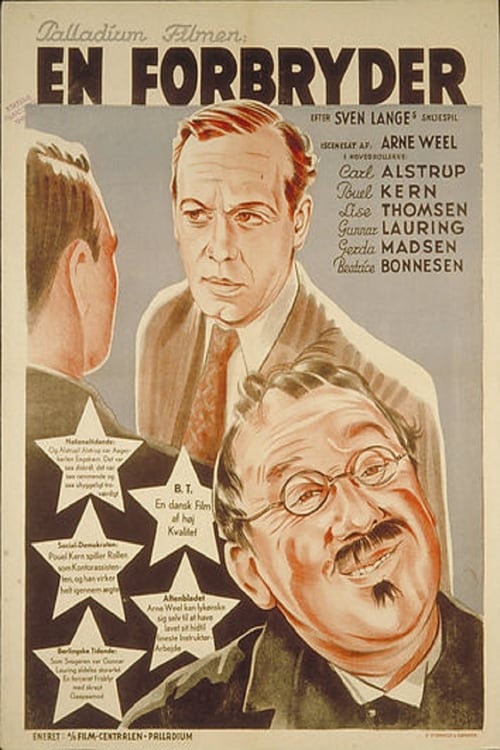
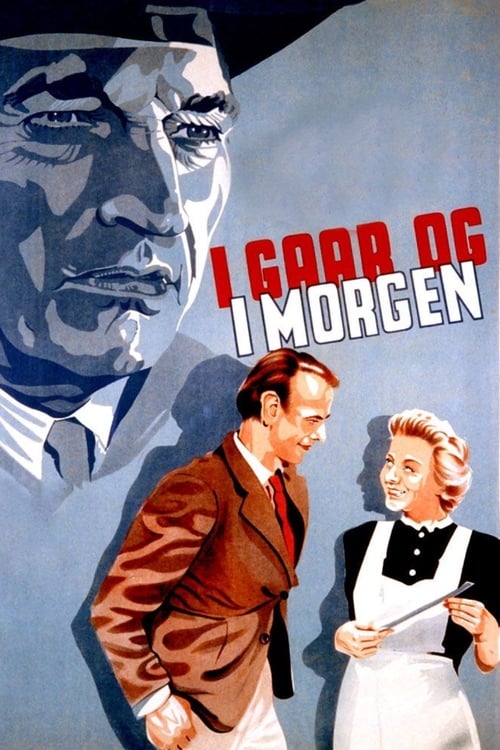
Director Albrechtsen, who heads a large construction company, is a tough and ruthless businessman. He does not shy away from dubious transactions when they serve his interests, and it is precisely on this basis that he comes into sharp conflict with his employee of many years, civil engineer Humlegaard, and the conflict leads to Humlegaard leaving the company. In the film, we now follow the far-reaching consequences of Albrechtsen's brutal actions.
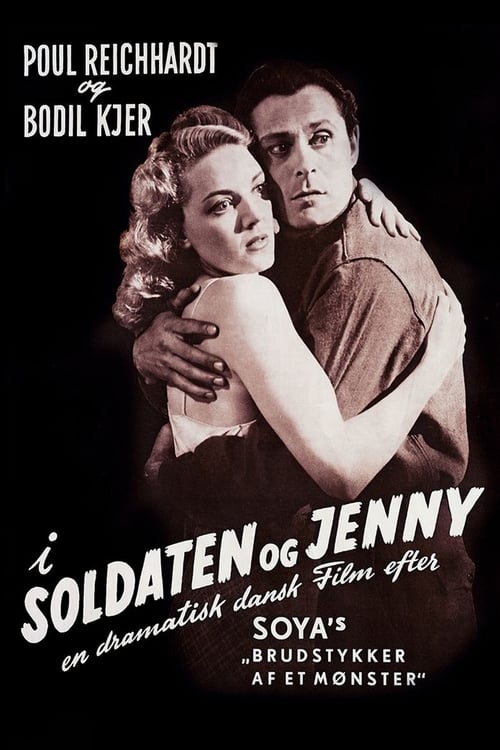
A good natured soldier with a killer right hand falls in love with a beautiful girl who has a troubled past.
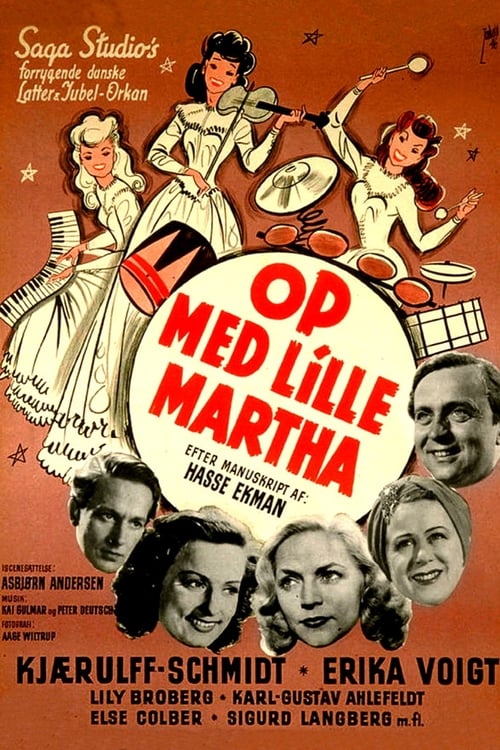
To get a job in a female trio, Per Fagernæs dresses up in women's clothing and calls himself Martha. Together with his "boyfriend" Poul, the four of them travel to the countryside. Martha immediately gets an admirer, which she is not particularly happy about. Martha is drawn into the women's movement by the mayor's wife, and at a women's rights meeting she is nominated as a candidate for parliament. Later, she is elected, beating the mayor of the town by one vote. Meanwhile, both Martha and Poul are having problems with love, as they have both fallen in love with two real women from the trio. But how do you declare your love when you are engaged to Martha, and how do you get rid of Martha?
The beautiful and spoiled manufacturer's daughter Helga defiantly bets with her friends whether she can survive a whole year as a working housekeeper without financial help.
After a long and arduous life, where she is tyrannized by her husband, the nice old lady becomes a widow. And she inherits a fortune. Now she takes revenge and spends money - much to the outrage of the whole family. They desperately try to have her disenfranchised. The family's attempts to stop the old lady's play with the money give rise to lots of baroque and very comical situations. The laugh muscles are frequently appealed to - and the ending is very surprising...
Two of Hans Christian Andersen's fairytales in a blend of animation and live-action.
The late 1930s. A young enemployed, unskilled worker walks through the streets of Copenhagen, sustaining himself partly on the dole and free soup-kitchen meals and partly on day-dreams. He spends time at a cemetry studying headstone inscriptions. Mild-mannered and of poetic bent, he understands little of an intellectual friend's advice and shies away from the love of a woman who shares her bed with him.
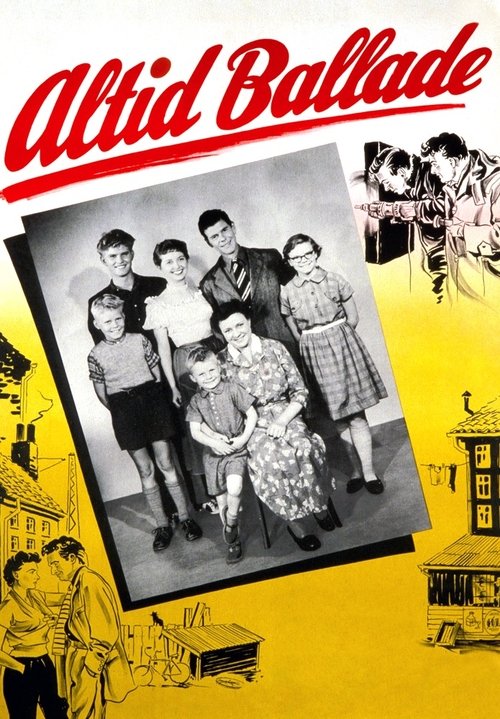
Factory worker Otto Nielsen and his wife Helga live in a 2-room apartment in a sad Copenhagen suburbs district, where the S-trains still bumble by, but of course, such things can be used to. They have five children and it is often difficult to meet daily expenses. Nielsen has bought a building site outside the city, it is his dream to once again be able to exchange the narrow apartment with his own house.
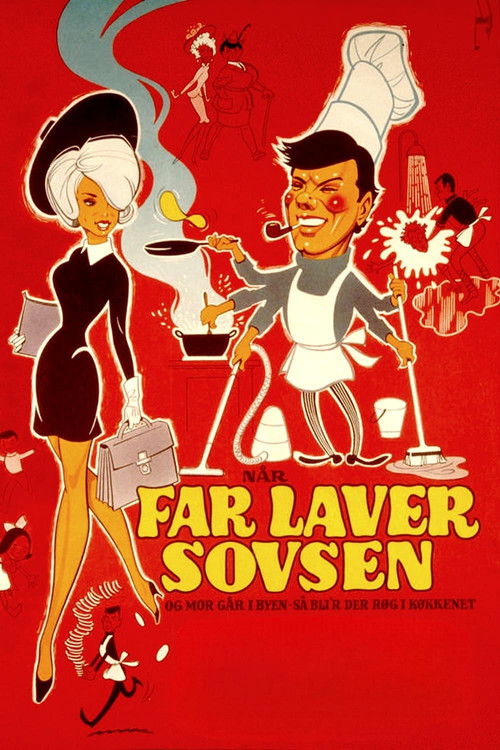
Herbert and Bitten live in a lovely house, happily married with two children. Herbert is a teacher at a secondary school, and he writes poetry in his spare time. Bitten is an engineer at a tie factory. Their home only functions thanks to their housekeeper, Mrs. Jørgensen. When Mrs. Jørgensen is confronted with her greatest fear—a live mouse—she leaves the home, never to return. Now there is only one thing to do: Herbert must give up his job and become a stay-at-home dad.
The action begins one early summer morning in a hostel, where we see, among others, two young girls, a law student, Ruth, and a small office lady, Ilse. From their conversation, we understand that Ilse has a very bourgeois outlook on life. By chance, these two girls come across one of Ruth's fellow students, Pontus Berthelsen, who is spending the summer holidays in a fisherman's cabin. Ilse, who has little world experience, quickly takes an interest in Pontus, who possesses a lot of innate charm. Pontus does his best to conquer Ilse, but her bourgeois attitude means - at first - that she does not fall for his rather deft approaches.
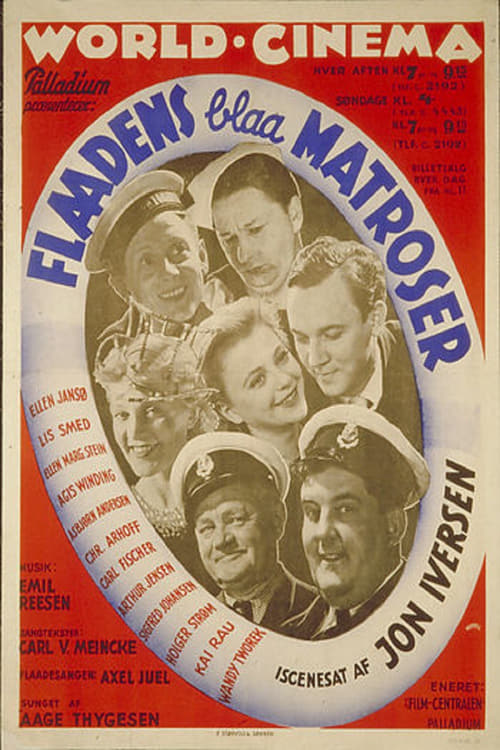
A marine musical comedy from Denmark. The radio operator, Hjalmar Olsen, lives in Nyboder. He handles all the problems for the Nyboder friends when they are in trouble - on land or at sea, from the sister's heartache with the less real rich man's son, the stoker's daughter's problems with an intrusive man, to a mutiny that breaks out on a foreign ship. Hjalmar is a man of action, who always acts quickly - and cheerfully - well supported by the gallery of brave boys and sailors.
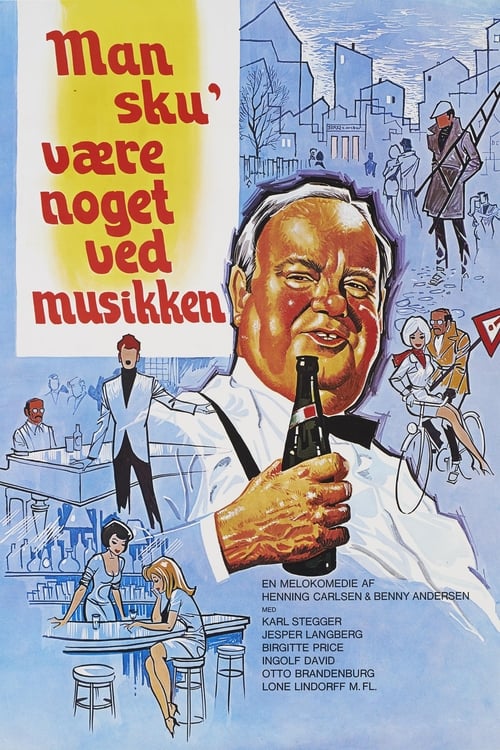
This is a film about the stuff dreams are made of, yet, there is nothing elevated in this concept, on the contrary. The characters around the bar Strudsen (the ostrich) are doing what ostriches do, hiding themselves from the threats of life and keeping their dreams to themselves. Scriptwriter Benny Andersen being a poet is rendering a loving portrait of a number of persons, who fail to try to make their dreams come true, possibly not being sufficiently dissatisfied with their life after all. The manager would like a bar of his own but dare not admit to it, the butcher would like to be an opera singer, the window cleaner (sorry, window polisher) is secretly in love with the bar lady, but dare not show it and the pianist willingly listens to all the different dreams being presented to him. This film was the best accomplished movie from Henning Carlsen since his debut with 'Sult'.
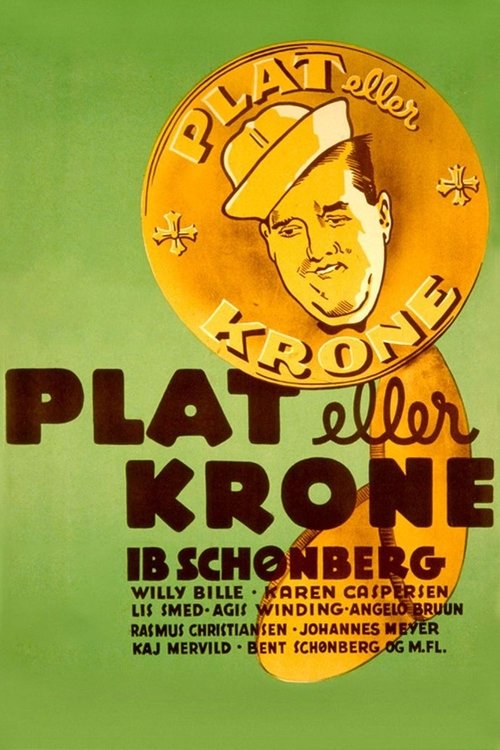
This film follows two men, the plain Herkules (Ib Schønberg) and the rich Erik (Angelo Bruun). When they were boys, Erik defended his good friend Herkules. And he never forgot that fact. They stay up for each other, no matter that Erik gambles his money away, or what ever happens to Herkules.
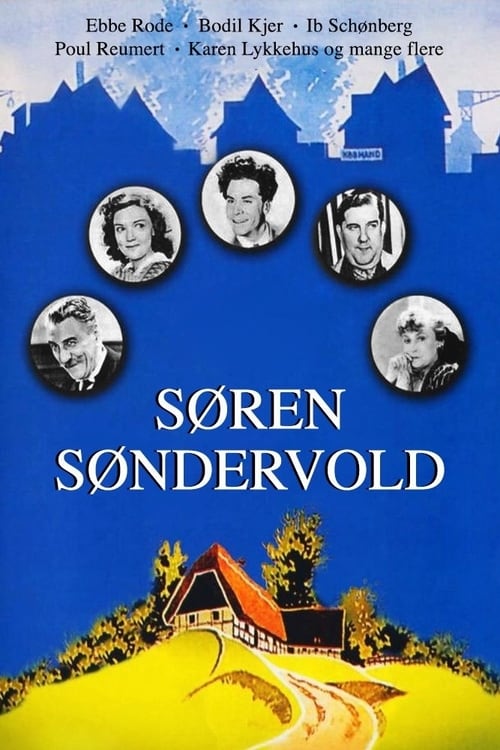
Søndreø is a small, peaceful island in one of Denmark's fjords, owned and run by the old farmer Lars Søndervold and his son Søren. But times are hard, and everything is not going as it should. The greedy, bragging merchant Anders Lundrup has used all means to gain possession of the island, and one fine day Søren and his old father must leave their ancestral farm and the island. Søren swears an expensive oath - he will earn so much money that he can one day buy the farm and the island back, and at the same time he swears revenge on Anders Lundrup.