Acting
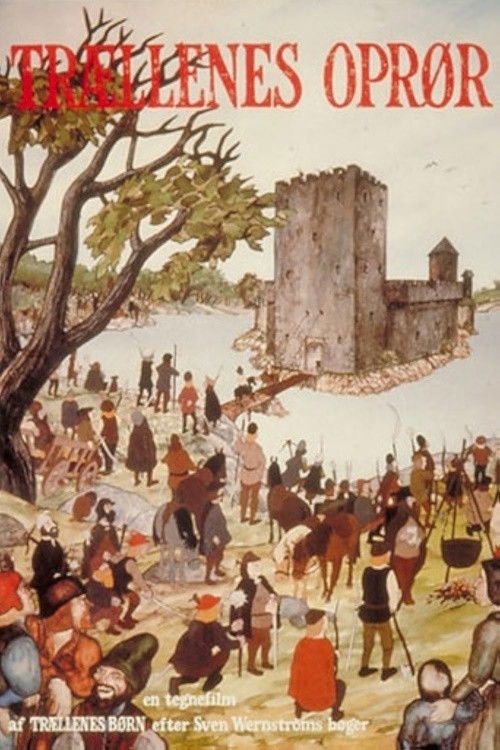
A three part story about the plague, religion and revolt in Northern Europe in the period 1349 to 1542.
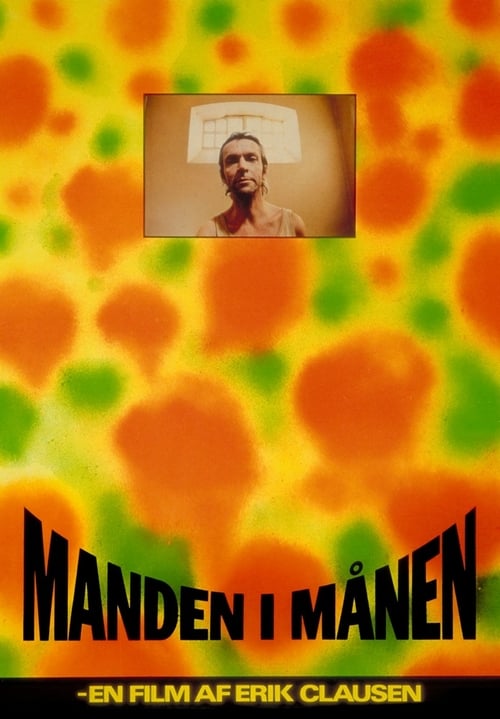
A man has been in prison for sixteen years after killing of his wife. Now he seeks to create a new life, where he only finds warmth and fellowship with Turkish immigrants. He will also try to come to terms with the daughter who hates him. Denmark's submission for the Academy Award for Best Foreign Language Film in 1986.
Samson is a young whale that doesn't have friends. He spends his time listening to his mother's stories about the legendary whale Moby Dick. Samson becomes fascinated about it and decides to go on a journey to find Moby Dick.
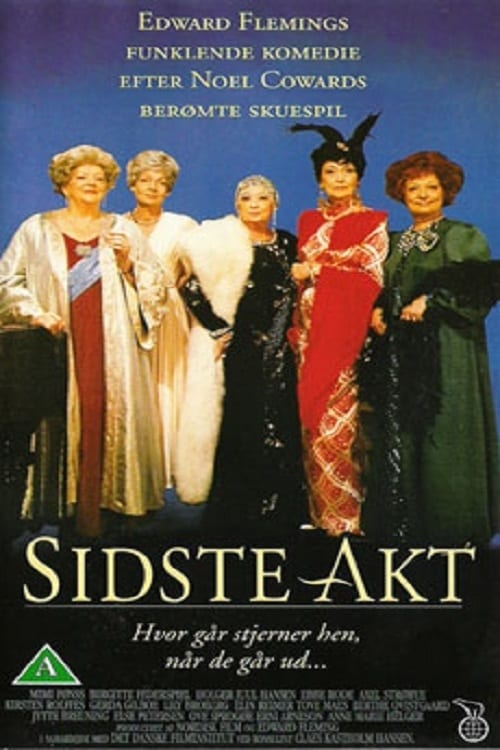
FINAL ACT is based on Noel Coward's play "Waiting in the Wings". Even the smallest events turn into mind-blowing dramas at The Set, a retirement home for former actresses in England. Jealousy and madness flare into a firework display of toxicity when ex-primadonna Lotta Henderson (Birgitte Federspiel) moves in. A slap in the face of The Set's leading star in her own eyes, May Davenport (Mime Fønss), who has had a lifelong rivalry with Lotta both on stage and off. The daily dramas reach dizzying heights when a scandalous journalist (Anne Marie Helger) gains access like a wolf in sheep's clothing. A stunt that has a not-so-clever connection to the ladies' burning desire to be granted a veranda. The matter is raised to the highest level of the home's tough board of directors, and The Set's secretary Perry (Holger Juul Hansen) comes under justified suspicion of skulduggery. But this is where May Davenport's diva talent comes in as a sure trump card...
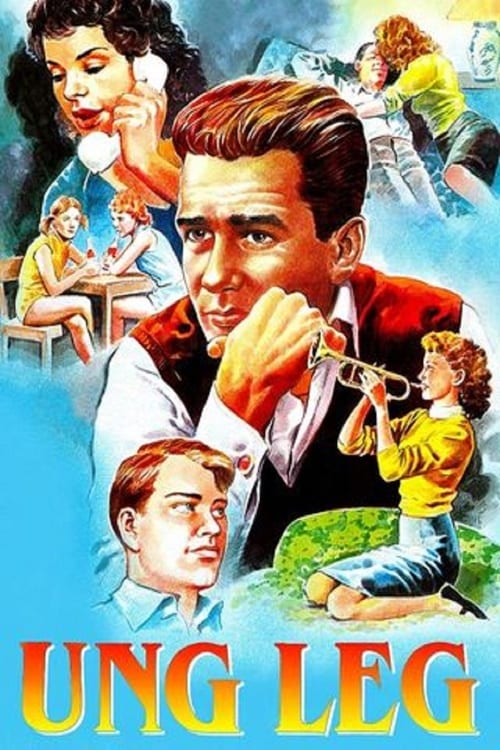
A tale of wealthy youth in post-WWII Copenhagen.
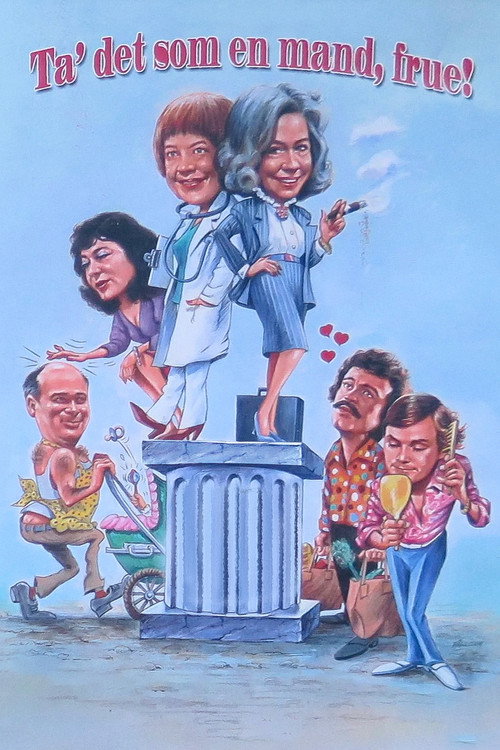
A middle aged married woman suffers from depression. Her husband suggests she get a dog, but instead she gets a job. Treatment of the women workers leads her into a hilarious fantasy in which roles are reversed and bearded men sit behind typewriters worrying about their looks and what to buy for dinner. She gets involved in a strike and loses her job, but has found some friends and a more positive attitude to life.
A dramatized account of Denmark's first women's rights activist, Mathilde Fibiger. Based on letters and diaries, it depicts her life and views from the 1850s, when she published the controversial epistolary novel Clara Raphael, until 1872, when she died at the age of only 41.
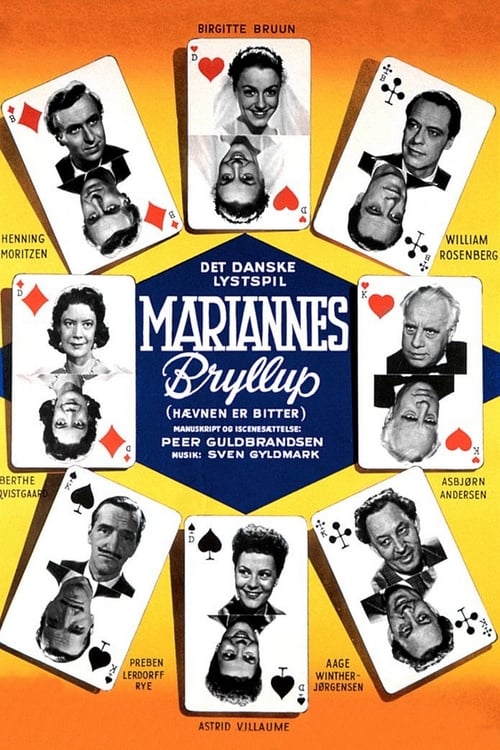
The priest in Solby borrows 2,000 kroons from the parish council treasury to pay for one of his parishioners' hospital stays in Germany. Marianne, the rich man's daughter, is to be a bridesmaid in Aalborg and is leaving Copenhagen for Jutland. In Solby, she drives too fast through the town, which is why she has a car accident and ends up in the priest's garden! She immediately starts to lead everyone around the rectory, which Aunt Marie is definitely not happy about. The priest, on the other hand, is attracted to the girl. They swim in the lake and go to a ball together, which leads to Mrs. Larsen coming in to talk to the bishop. After Marianne has returned to Copenhagen, the bishop announces his arrival at the rectory. Where will the priest now find the 2,000 kroons? The priest has a number of friends who are trying to help him, but he also receives unexpected help from the bishop.
Once upon a time, there was a family consisting of the artist Michael, his wife Lydia, and their son Peter. But the couple divorced, and Lydia, who later married a wealthy businessman who left her so much money when he died that she is now financially independent, now lives in a charming country house, where her old, faithful factotum, Josse, rules the roost.
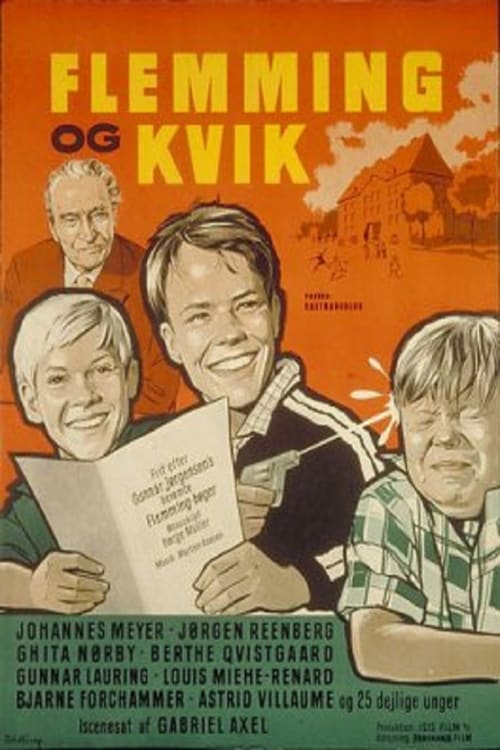
A Danish movie about the life of Flemming and his best friend Kvik.
It's a warm summer evening in North Zealand. Black clouds are rising over the horizon and threatening thunder. Margit is cycling from the small guesthouse where she has settled down for her summer vacation to a party at a friend's house, which lives a few kilometers away. Margit is wearing a black dress and looks quite stunning, coming there on a bicycle - but it's necessary, because the landlady has decreed that all her guests must wear black - "it looks so good on her white terrace".
The world-distant and absent-minded professor Jacob Jensen lives exclusively for his science and his stamps. He has no idea what is going on around him, in his own home. In the 11 years since his wife died, his capable, wise and lovable housekeeper Karen Frederiksen has, with a loving hand, managed the home for him and his 3 children. The aspiring amateur boxer Oscar and the 2 daughters Else-Margrethe and Birthe. She has shared in the children's sorrows and joys and has often lent them money when they have had dry pocket pains. She has praised and scolded them at the right times - in short, she has been in their mother's place. Both the professor and the children take her for granted. They take her services, big and small, for granted, and do not quite understand what she really means to them.
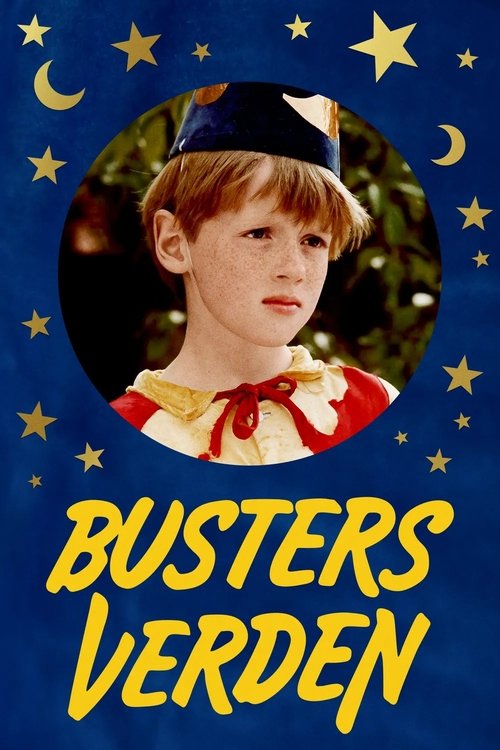
The television series was based on a play by Danish author Bjarne Reuter. In 1984 Reuter published his collection Tre skuespil ("Three Plays"); a collection containing also En dag i Hector Hansens liv ("A Day in the Life of Hector Hansen") and Kom der lys i neonrøret, gutter? ("Was There Light in the Neon Tube, Boys?") – in addition to Busters Verden.
Six people—three couples—meet by chance at a dance restaurant in Copenhagen's nightlife scene. A marriage swindler and former actress, an elderly Supreme Court lawyer and his wife, and a young couple with equal parts courage and erotic repression. As the evening progresses, the empty champagne bottles pile up. Old inhibitions are cast aside and new connections are formed – and none of the six leave as they arrived.
Jørgen von Hejden is very distinguished, but poor. He is something of a fortune hunter. He dreams of getting rich quick. But his skills are not up to the radio quiz show, so he sticks to gambling, roulette, and dice games. When he marries the beautiful and wealthy Marianne, he also gambles. He has married her for her money! But Marianne is not only wealthy, she is also strong-willed. She inherited this trait from her father, shipowner John Christensen.
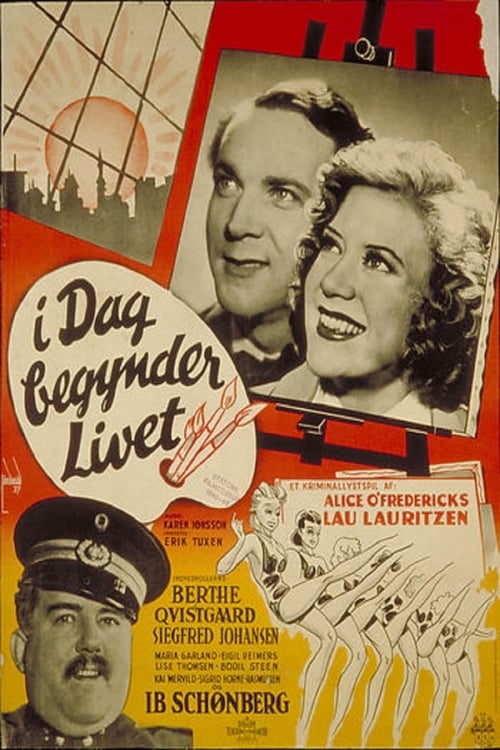
One evening, two young people, the painter Peter Sommer and the sweet, young courtesan Vera Holm, get to know each other in a very dramatic way. He meets her outside the property where he has his studio, and when she pretends to have an errand there, he willingly lets her in. When Vera suddenly pulls a revolver and shoots a stranger, and Peter in the heat of the fight receives a stab wound, there is a great commotion in the property, and an explanation is demanded.
The large manufacturer, engineer Steen Andersen, is a powerful man. A large staff jumps at his slightest whim, he is used to his every order being carried out, and he does not know how to be told off at all. But suddenly his entire regular life is shaken up, and the reason is a young, lovely girl on horseback in the Deer Park. Steen Andersen has met her several times on his morning rides. But how to get to know her?
From a working class coming-of-age novel, Morten Arnfred fashioned his feature film to recapture the feel, the sting, the pain, but also the spirit of solidarity of the 1950s in the metropolitan city of Copenhagen: at the center, young Johnny, helpless, hapless, happy, unhappy, going through the motions of growing up. Bodil awards: Best Film and Best Actor (Allan Olsen).
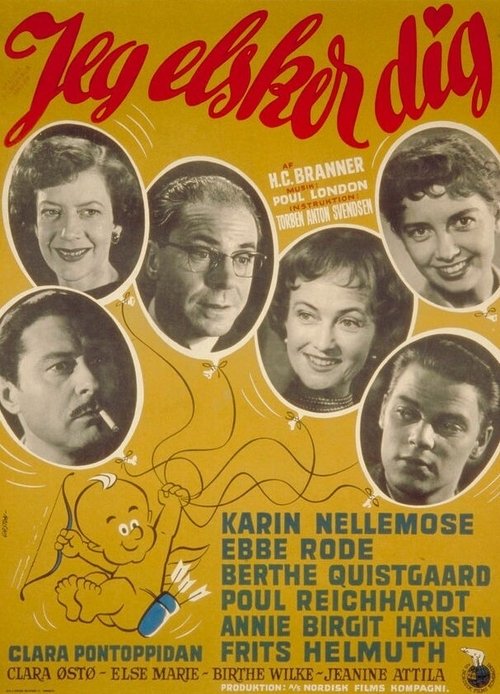
H.F.F.M. - "Hands off Mom" - is the name of an association founded by four siblings to keep their mother all to themselves. Now they don't want any more strangers in their private paradise. The small family lives in a cozy attic apartment in Copenhagen. The mother is a writer, and since she is divorced, she has to manage on her own.
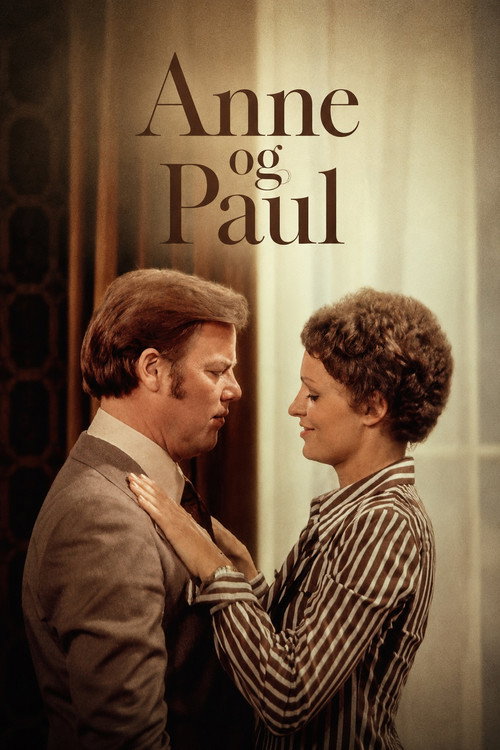
Paul is a calm and sympathetic lawyer who senses from the outset that his wife Anne has found herself a boyfriend. But he doesn't say anything—not until she says something.