Acting
No description available.
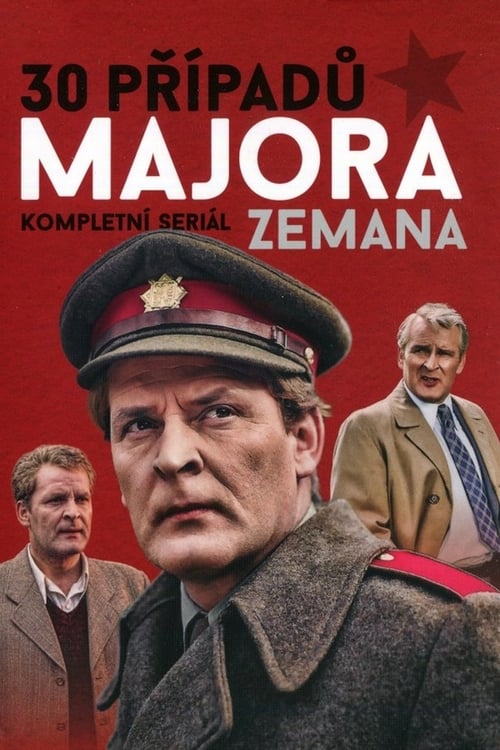
Thirty Cases of Major Zeman is a Czechoslovak action-drama television show intended as a political propaganda to support the official attitude of the communist party. The series were filmed in the 1970s. Each episode encompasses one year, and investigations are stylized to that year. Most are inspired by real cases. The series follows the life of police investigator Jan Zeman during his career from 1945 to 1975.
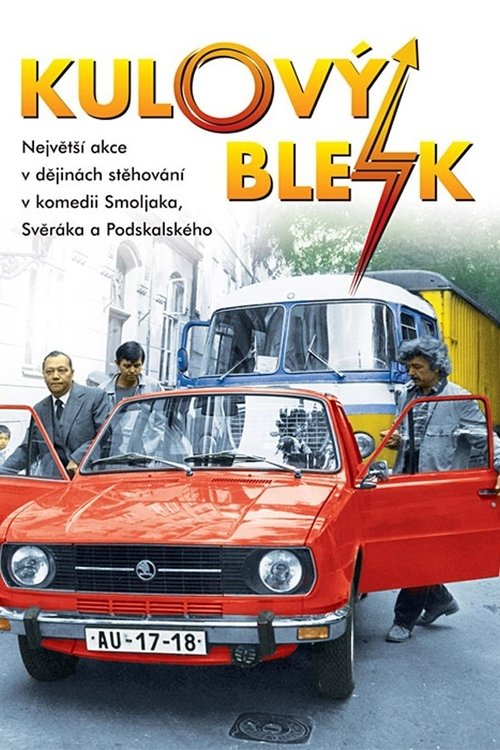
A comedy about exchange of 12 apartments , which, its organizer, lawyer Radosta, rightly called Action Ball Lightning. To prepare, organize and execute the exchange of twelve apartments is a work worthy champions. Radosta, who was excellently played by Rudolf Hrušínský, solved all sudden difficulties and complications on the fly and with grace. To be sure that the on the D-day everything goes well he prepares a little rehearsal, which reveals many minor issues caused for example by wedding ordered to inappropriate term or hesitation of some participants. Last but not least a night exercise announced by drunk psychologist Knotků, creates a lot of confusion that nearly sabotaged the whole operation.
Arabela was a children's television series produced in Czechoslovakia which aired from 1979 to 1981. The series has 13 episodes and is in the Czech language.
A fiction piece centered around the Czech resistance to the Nazis.
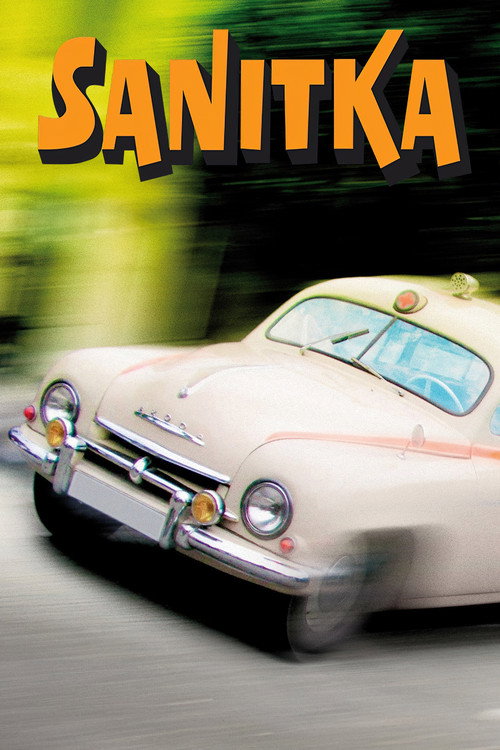
Sanitka was a Czech television, drama series, first broadcast in 1984 and eleven episodes were made. It starred Jaromír Hanzlík, Tomáš Juricka and Zlata Adamovská among others.
It's the year 2484 and the Earth is threatened by a rogue comet which could fatally change its orbit. The solution is surprising - Adam Bernau, the greatest genius of 20th century developed 500 years ago an ingenious formula for easy transporting of continents and even worlds. Unfortunately, he made this discovery at the age of 11 and the exercise book containing it was destroyed in the fire. But this is not a challenge to Academic Filip who decides to send an expedition back in time to retrieve the precious exercise book from the fire. But everything is not so simple as it seems...
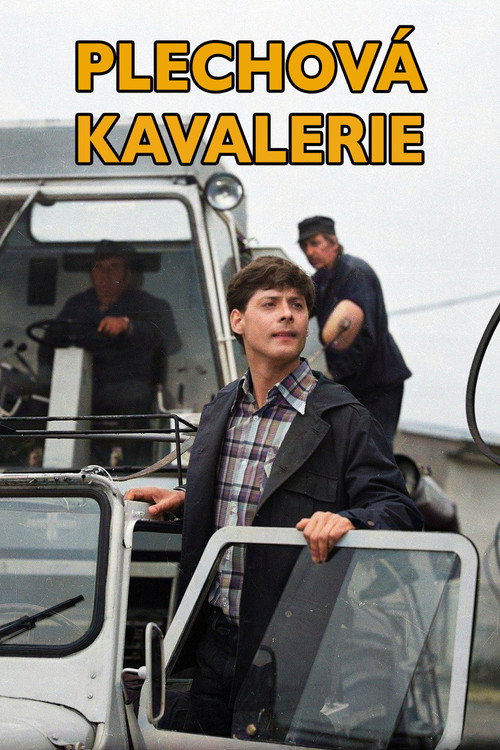
Plechová kavalérie is a Czechoslovak/Czech TV series about combine operators filmed by Jaroslav Dudek.
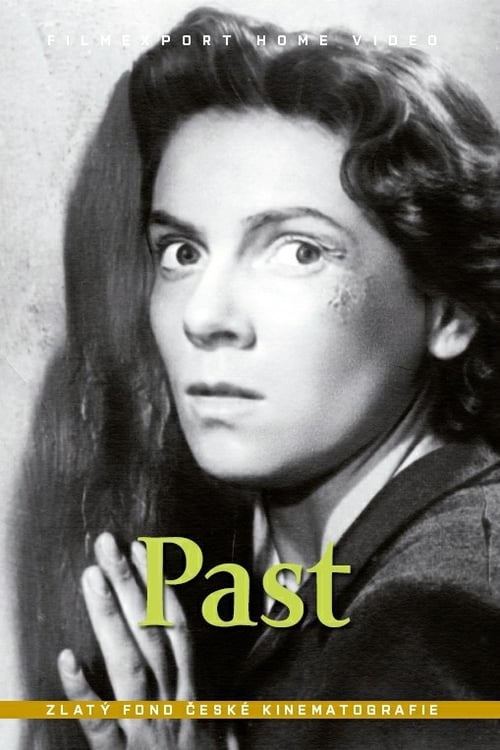
The drama from the time of the Nazi occupation begins at the train station, where a transport with German soldiers is passing. The train is stopped due to improvised sabotage by one of the railway workers. Resistance liaison Růžena Kubínová is arrested in a random raid. The cynical councilor Dönnert discovers her false documents and has her brutally interrogated. He suspects that she could contribute to exposing the entire group. He puts a informant, Herta, in her cell.
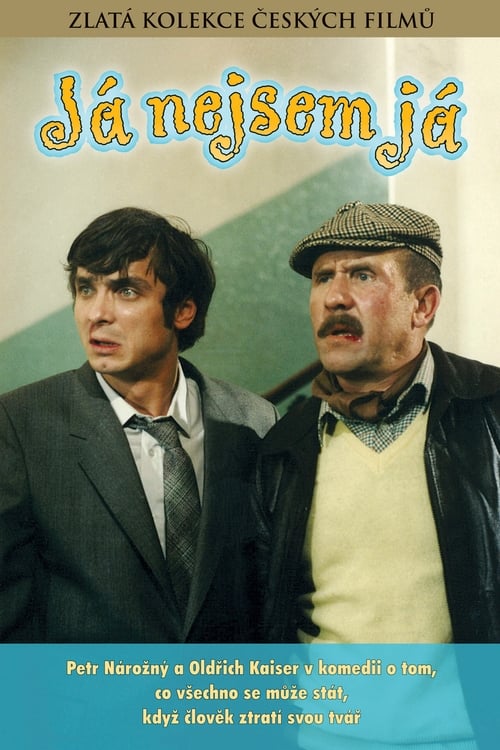
The two heroes of the film's story - the decent but dry engineer Zárub and the marriage swindler Majer - are granted this wish by the mysterious forces of the moon. The two men change their appearance, which, however, contrasts sharply with their unchanged characters and voices. The incomprehensible swap naturally becomes the source of many comic plots and situations.
The winter Krkonoše Mountains have many pitfalls, especially if you are overly concerned about their treacherous splendour. The somewhat unheroic hero of this clumsily and uninterestingly shot film is a mail carrier who volunteers for the Mountain Service. Only in a blizzard does he overcome his fear of avalanches when he saves the lives of two hikers caught off guard by the suddenly deteriorating weather...
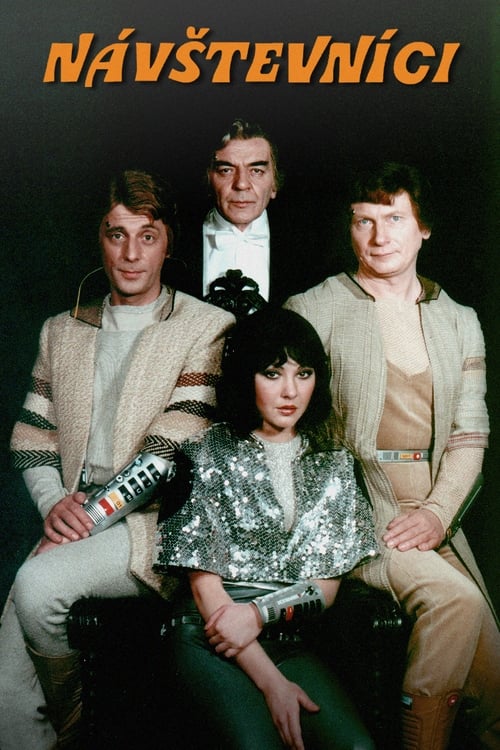
Robert is a SF writer, who realizes that he can make his thoughts material. Because of that, a group of aliens arrives to Earth. Their leader is Andra, who shows affection for Robert, which does not please his girlfriend, Biba. A monster, Mumu, has arrived together with the visitors from space.
A socialist drama from the time of the February coup. The owner of the brickyard will use several workers before February in order to subvert worker solidarity and continue to do his black business. However, the vigilance of a young, aware worker prevents him from doing so.
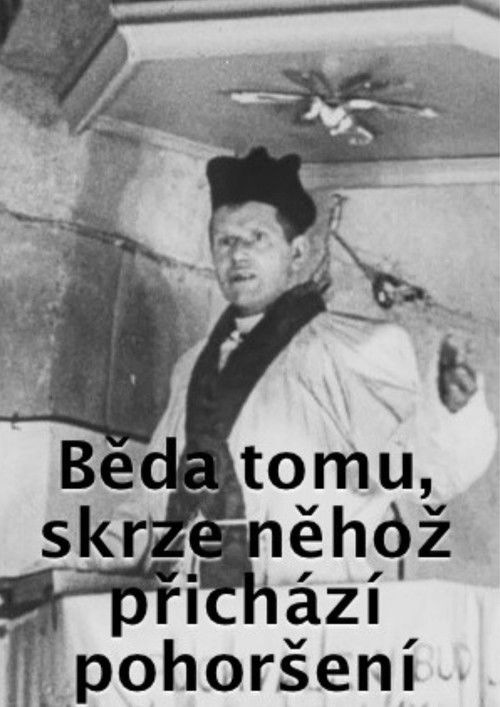
Propaganda document of the communist regime about the so-called Číhošť miracle.
The female employees of the poultry-processing factory find relief from their monotonous work in chatting about weddings and marriages. The very young Zdena (Marta Vancurová), too, dreams about a white veil and an entourage of bridesmaids. On her return home from work, she runs into a peculiar man on an abandoned road who pertinaciously offers to read her palm for a few crowns to buy soup. His augury is rather usual - wealth and poverty, suffering and happiness. Then however, he declares that Zdena must marry exactly on 3 November of that year otherwise she will be unhappy.