Acting
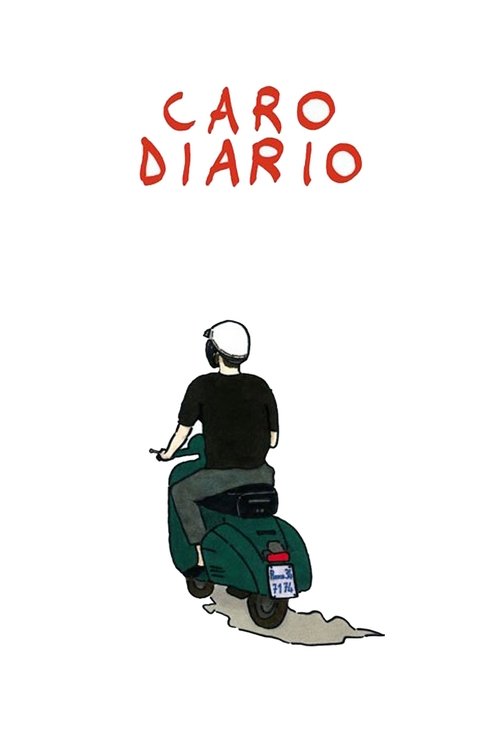
Nanni Moretti recounts in his diary three slice-of-life stories marked by a dry, ironic gaze: in the first, he rides his Vespa through a deserted, sun-drenched summertime Rome; in the second, he visits a reclusive friend on an island, who ropes him into an impromptu journey between islets in search of quiet; and in the last, he finds himself grappling with an unknown illness.
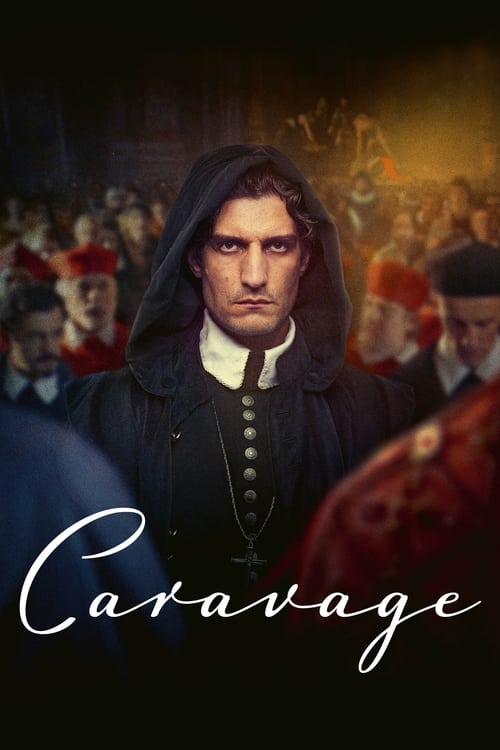
The Catholic Church secretly investigates Caravaggio as the Pope weighs whether to grant him clemency for killing a rival.
No description available.
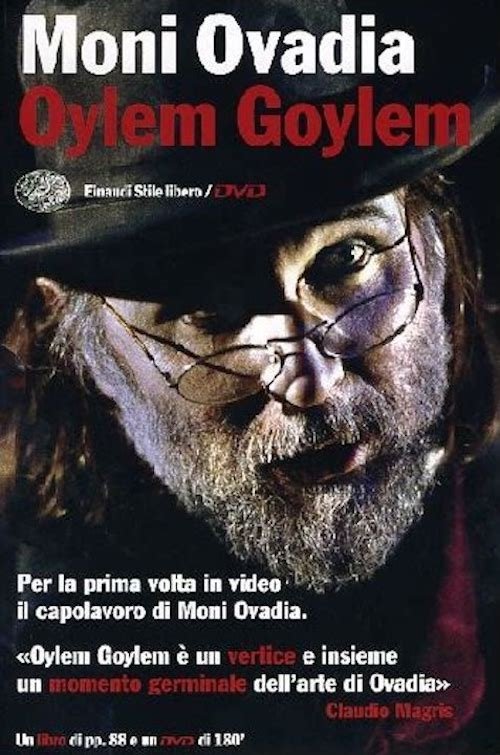
Klezmer derives from the Hebrew words "Kley Zemer", which refer to the musical instruments (generally, the violin and stringed instruments in general and the clarinet) used to play the traditional music of Eastern European Jews from the XVIth century on. Moni's StageOrchestra is inspired by that music, by its constant change of tones and by the spirit which pervades it, from the sorrowful, monochord which revives the spirit of a synagogue prayer to the explosive joy of songs and dance music created for happier occasions. It is not a faithful reprise of klezmer music or a philological revisitation we propose here, but rather a free use, which maintains the climate and the imprint of several centuries of musical practice, born and developed in close proximity with the Polish, Czech and Byelorussian civilizations and enriched by a fertile exchange with the musical culture of that other diasporic population of Europe, the Gypsy people.
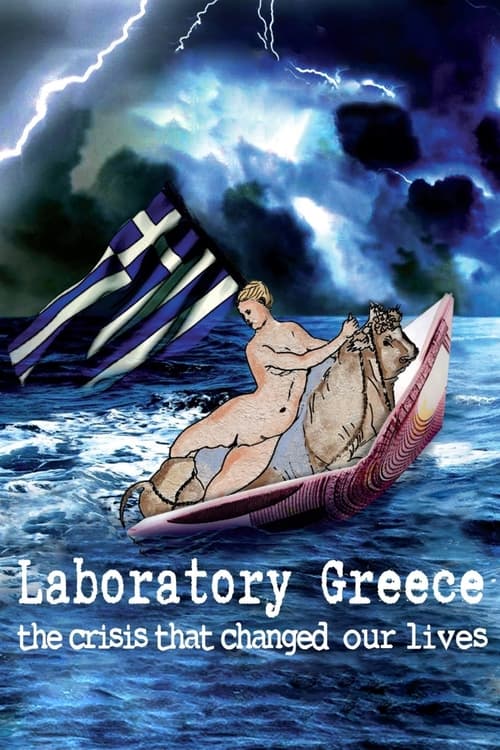
A journey through Greece and Europe’s past and recent history: from the Second World War to the current crisis. It is a historical documentary, a look into many stories. «If Democracy can be destroyed in Greece, it can be destroyed throughout Europe» Paul Craig Roberts
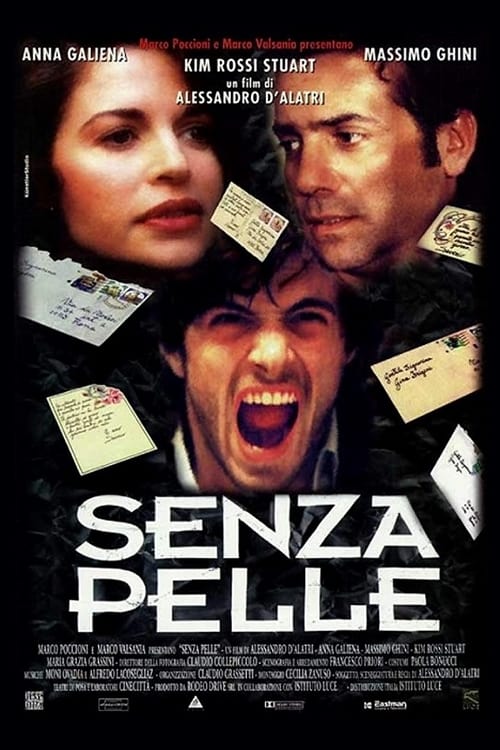
The lives of a young mother and her boyfriend are turned upside down when she unknowingly becomes the focus of the attentions of a depressed and mentally unstable young man.
The story of Anne Frank and her friend, Hanneli Goslar, their first meeting in Amsterdam, their daily lives, the German occupation, and their sudden separation when the Frank family went into hiding.
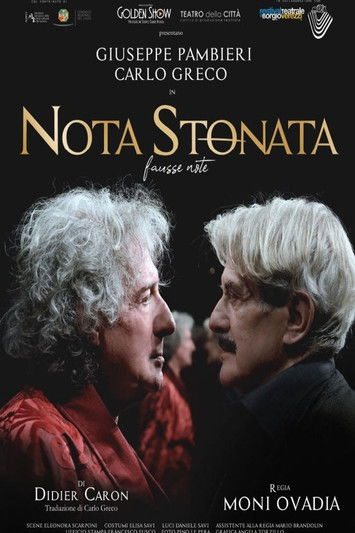
The director of the Geneva Philharmonic Orchestra, Hans Peter Miller, returns home after a concert and is accosted by an intrusive spectator, Léon Dinkel, who introduces himself as a great admirer who has come from Belgium. The longer the conversation between the two continues, the stranger the visitor's behavior becomes.
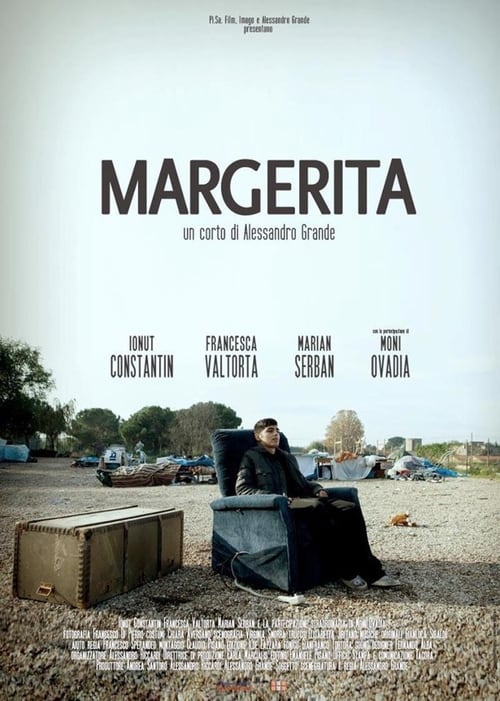
Efrem, gypsy boy and skilled pickpocket, faces his first theft in an apartment. An experience that will change his life.
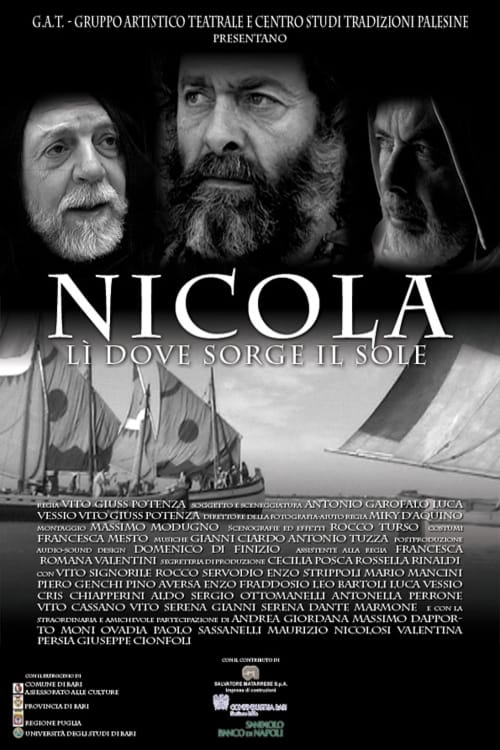
"Nicola, where the sun rises" - Tells the true story of the transfer, from Myra (today Demre in Turkey ) to Bari , of the relics of St. Nicholas. 62 sailors arrive in Lycia aboard 3 sailing ships to steal the bones of the saint. They return to Bari on 8 May 1087 and announce they want to build a new basilica dedicated to St. Nicholas.
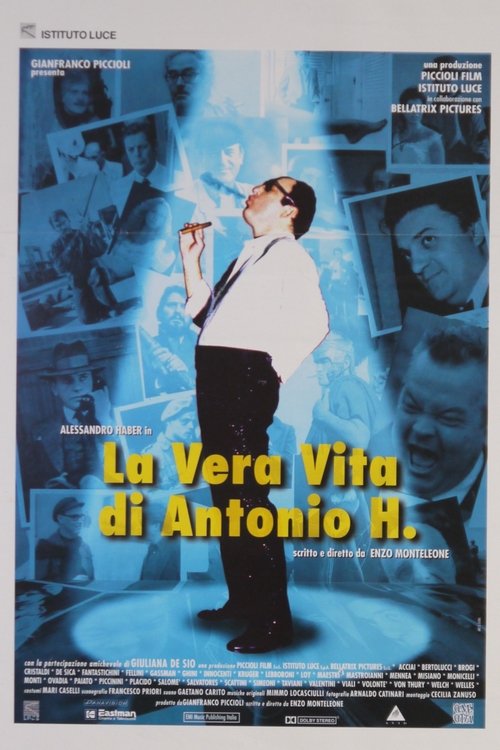
This film depicts a series of landmark events in the life of hapless thespian Antonio Hutter (Alessandro Haber), the unfortunate fictional alter-ego of legendary actor Alessandro Haber. This surreal faux-biography begins with Hutter's birth in Bologna, Italy, and his early life in the Middle East and follows him through the highs and lows of his acting career, using a combination of interviews with real-life colleagues, archival footage and improvised scenes along the way.
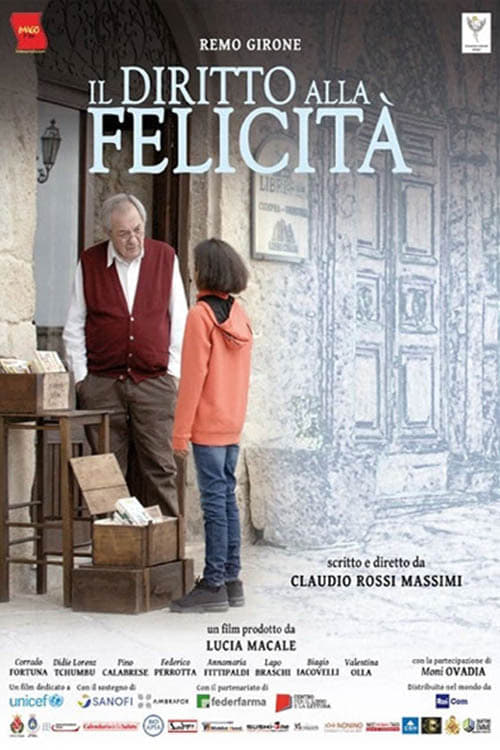
The Right to Happiness centers on a small used book store in a small plaza in a small town with big vistas, somewhere in Italy. It sounds like a book lover's fantasy, and maybe it is. The bookseller, Libero, knows most of his rather eccentric customers and can barely bring himself to take their money (although fascists pay double). When a young boy, Essien (Didie Lorenz Tchumbu), an émigré from Burkina Faso, happens on the shop, Libero begins lending him books of increasing difficulty. From Pinocchio to Moby Dick, Essien can read as fast as Libero can lend, and the two form a bond over reading and meaning. "Books should be read twice," Libero says. "Once to understand them, and once to think." Life should probably be lived like that too, but the bookseller's name means "free," and freedom is what Libero bequeaths to Essien.
Store security guard Pietro spends his days catching shoplifters, his weekends visiting his children who are in custody of his ex-wife, and his nights thinking about new ways to flirt with the store's makeup consultant. His malaise psychosomatically manifests itself in nosebleeds, outbursts of anger, visions, etc. One day, he sees a young Gypsy girl steal something from the store and lets it slide: he can't explain why, but she caught his eye. Pietro and Pabe – that's her name – warily start to hang out, knowing each other more and more, until something begins to blossom in them. Could their shared dream for a new, more compassionate life finally be at their fingertips?
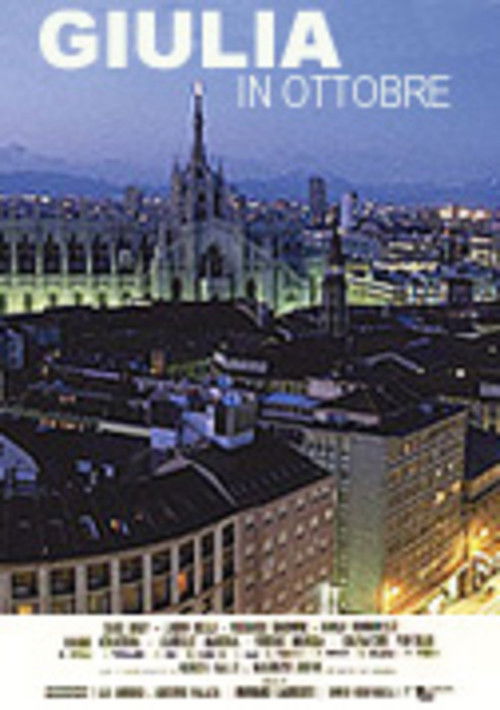
Giulia has a one-night stand with a stranger to forget a heartbreak. Aimlessly walking through October city streets to let off steam, she meets a woman who came from Turin seeking an explanation from her partner, who doesn't even want to see her. The two join forces and settle accounts with him. Neither of them feels like going home and being alone, so they spend the whole night wandering around Milan.
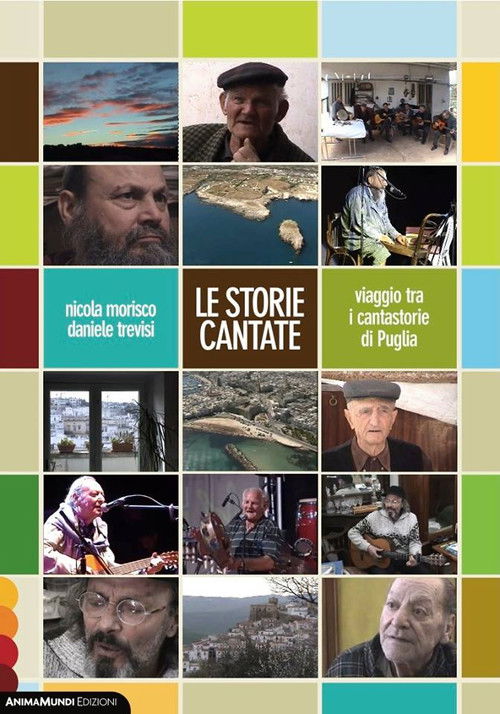
"Le storie cantante. Journey among the Cantastorie of Puglia" is a documentary that forms part of a broader research project developed by the authors, tracing the roots of Apulian musical tradition—both written and oral. The journey begins with the imagined arrival of Aeneas on the shores of Porto Badisco. The path is shaped by the testimonies of singers of Southern identity, from Uccio Aloisi to Tonino Zurlo, from Enzo Del Re to the choral ensemble Cantori di Carpino, concluding with Matteo Salvatore. Alongside these performer-authors—cantastorie who can be seen as forerunners of modern singer-songwriters (as in the case of Salvatore)—stand contributions from ethnomusicologist and musician Antonio Infantino, director, actor and writer Moni Ovadia, Neapolitan jazz musician Daniele Sepe, and director and actor Michele Placido.
Three stories that provide an irony-laden analysis of the Neapolitan bourgeoisie and of small-time intellectualism and aspiration.
The life and times of Claudia Bertelli, born in Milan in 1949 from bourgeois parents, educated in England, rebel and single mother, then feminist and married woman and again doctor in the developing countries and mystical nun who dies peacefully in 2011.
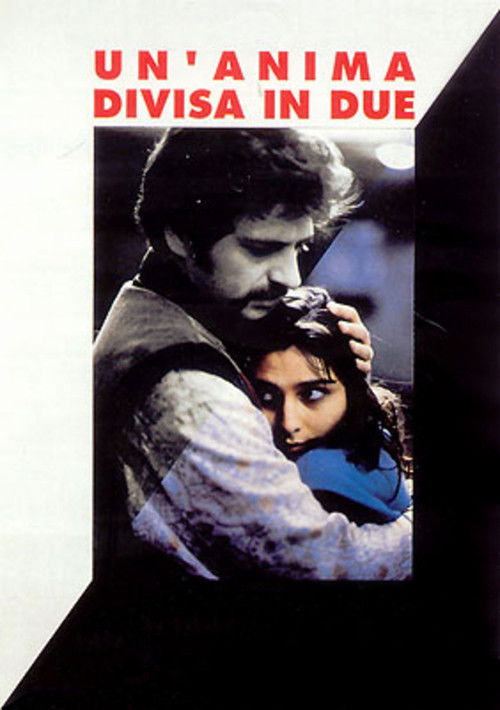
After World War II, Anita, a young survivor of Auschwitz, becomes involved in an intense and passionate affair that almost shatters her until she gains the strength to start a new life.
This is the incredible story of a group of Kletzmer musicians during a break in their concert. In a few minutes out of the stage fights, unexpected events happen that stem from the telling a brief little story.