
Humphrey Jennings
Directing
Biography
Frank Humphrey Sinkler Jennings (19 August 1907 – 24 September 1950) was an English documentary filmmaker, celebrated for his poetic and visually striking portrayals of British life during World War II. A co-founder of the Mass Observation social research organization, Jennings blended avant-garde techniques with a deep sense of national identity, creating films that captured the resilience and spirit of the British people. His most acclaimed works, including Listen to Britain (1942), Fires Were Started (1943), and A Diary for Timothy (1945), showcase his unique ability to fuse documentary realism with lyrical storytelling. Film critic and director Lindsay Anderson described him as "the only real poet that British cinema has yet produced."
Known For
Omnibus was an arts-based BBC television documentary series, broadcast mainly on BBC1 in the United Kingdom. The programme was the successor to the long-running arts-based series 'Monitor'. It ran from 1967 until 2003, usually being transmitted on Sunday evenings. During its 35-year history, the programme won 12 Bafta awards. Among the series' best remembered documentaries are Cracked Actor, a profile of David Bowie, and Rene Magritte, a graduate film by David Wheatley, 'Madonna: Behind the American dream', a film produced by Nadia Hagger, and a profile of the British film director Ridley Scott. For a season in 1982, the series was in a magazine format presented by Barry Norman. The series was replaced by 'Imagine' hosted by Alan Yentob.
Omnibus
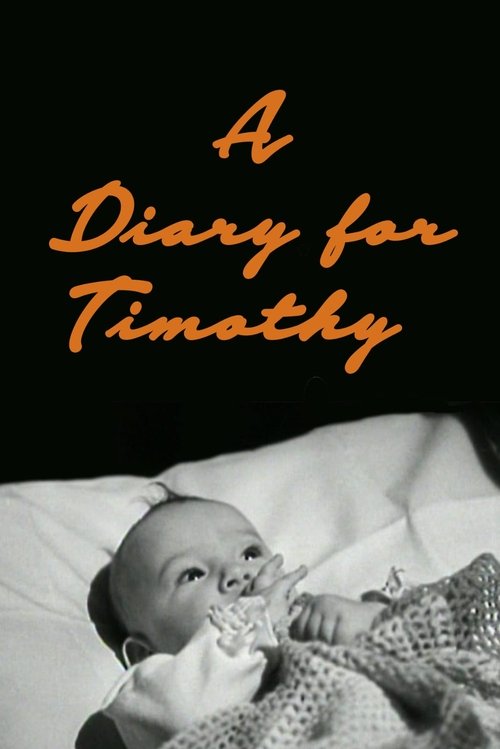
A narrator recounts the state of Great Britain near the end of WWII via a visual diary for the titular baby boy born in September 1944.
A Diary for Timothy
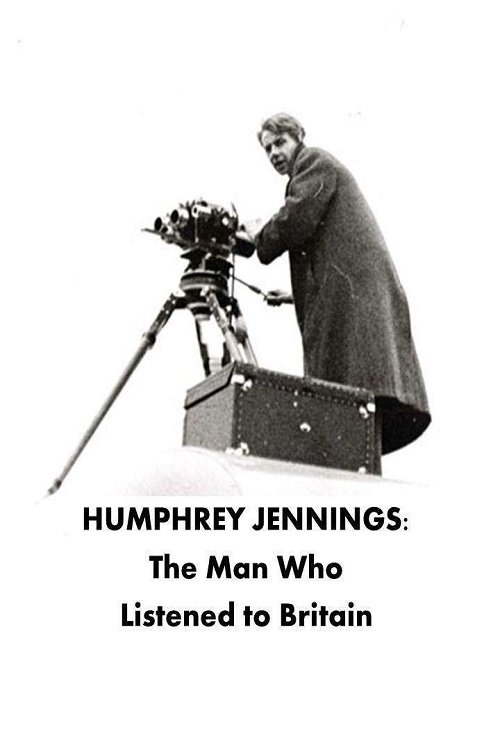
Documentary about Humphrey Jennings, an English documentary filmmaker from the 1930s to 1950.
Humphrey Jennings: The Man Who Listened to Britain
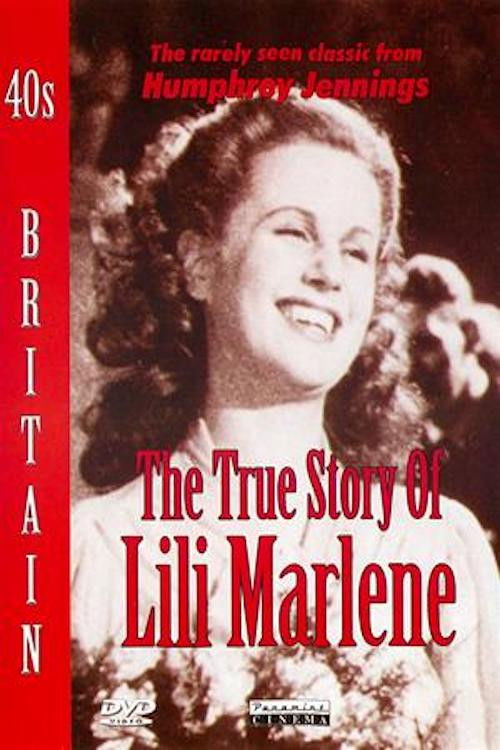
The Eighth Army famously adopted a German song in the Western Desert. The Crown Film Unit traces the journey of Lili Marlene from its composition in post-WW1 Hamburg, via Radio Belgrade and the Afrika Korps, through victory in Tunisia and Sicily, to an imagined post-war East End, full of light, music and bananas for sale.
The True Story of Lili Marlene
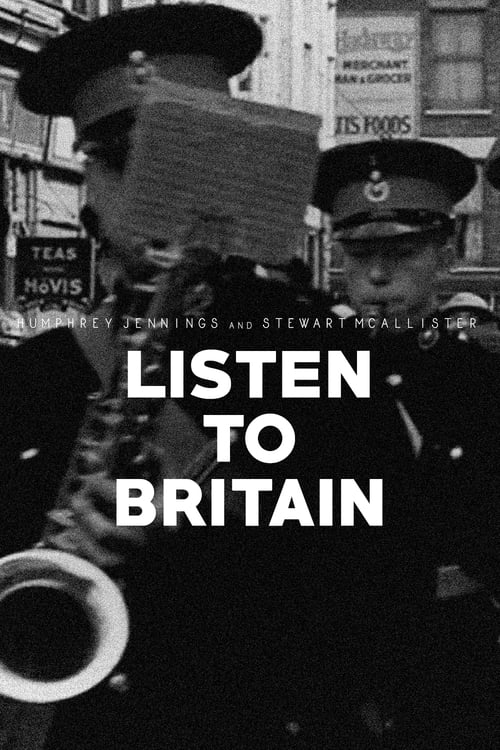
A depiction of life in wartime Britain during the Second World War. Director Humphrey Jennings visits many aspects of civilian life and of the turmoil and privation caused by the war, all without narration.
Listen to Britain
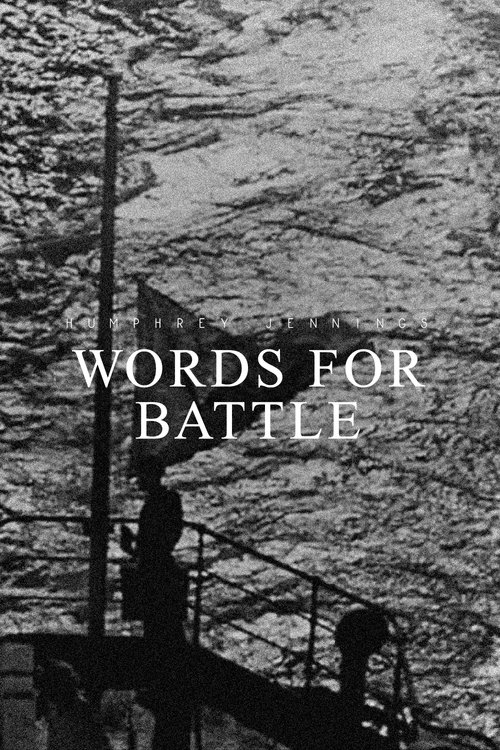
Poetry by Rudyard Kipling, John Milton, and William Blake, and excerpts from speeches by Abraham Lincoln and Winston Churchill, all read by Laurence Olivier, illuminate documentary footage of England during its defense against the Nazi blitz in World War II. This short film serves as both propaganda and as a rallying cry to the British people.
Words for Battle
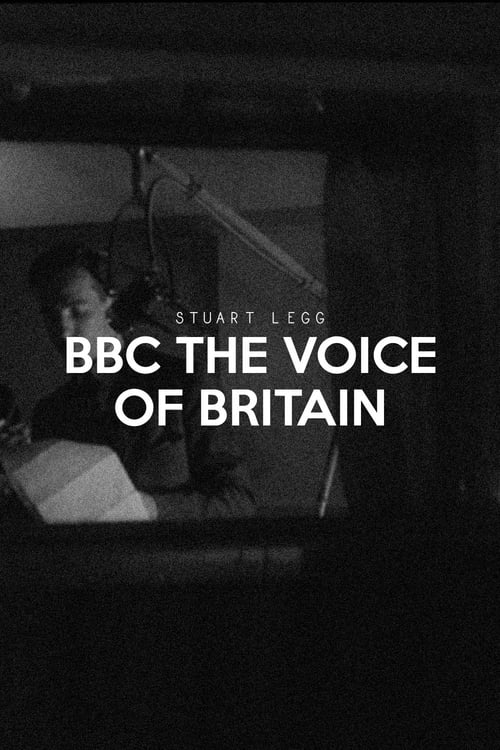
A behind-the-scenes GPO Film Unit documentary (directed by Stuart Legg) that races from studio rehearsals and newsrooms to control rooms and transmitters, weaving speeches, music, and outside broadcasts—featuring voices like H. G. Wells and Ramsay MacDonald—into a kinetic portrait of how the BBC’s national “voice” is made.
BBC: The Voice of Britain
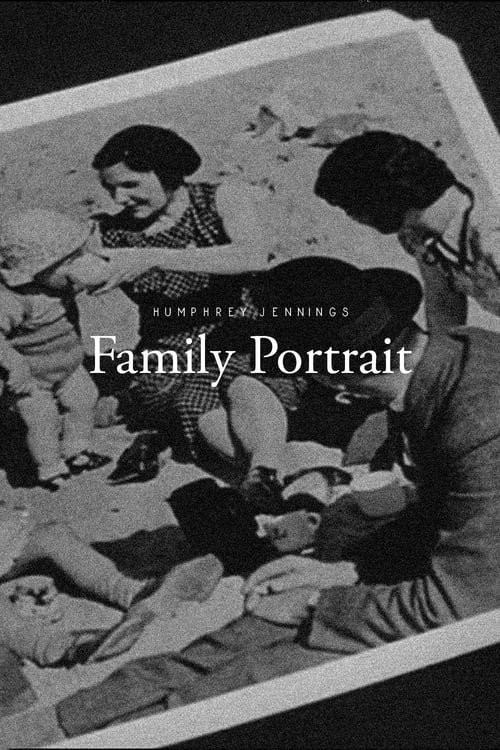
In preparation for the celebration of the 1951 Festival of Britain, this short film was released to assure British citizens of their nation's place in the world and of their own places within that nation. Illustrative scenes of farming, science, political, and social life are juxtaposed to present a familiar and reassuring image of Britain.
Family Portrait
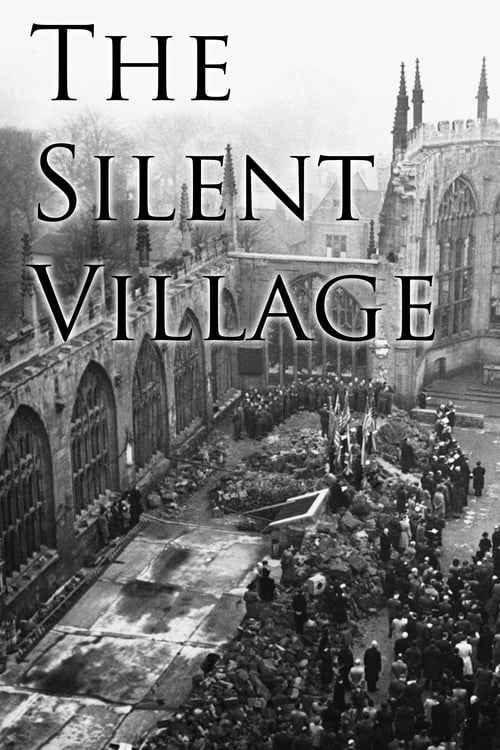
The true story of the massacre of a small Czech village by the Nazis is retold as if it happened in Wales.
The Silent Village
How long-distance telephone calls are made, from the UK to the USA. We see operators, miles of wires, and the amplification of voice transmitted across the waters. Engineers of the Post Office describe how they are improving the service.
Speaking from America
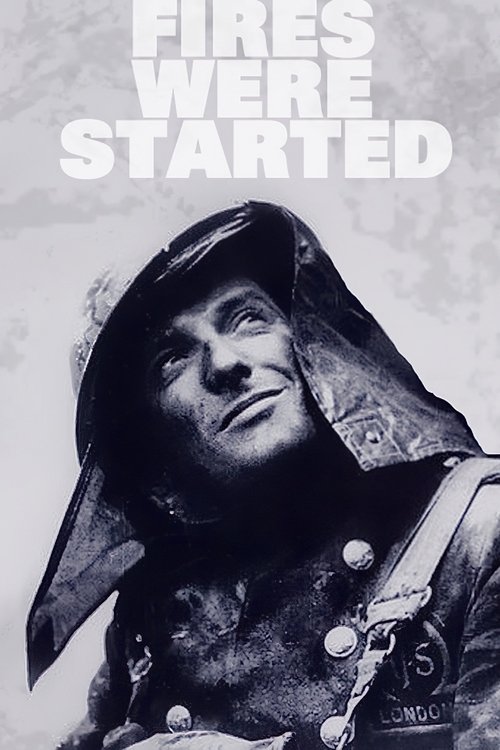
British film written and directed by Humphrey Jennings, filmed in documentary style showing the lives of firefighters through the Blitz in World War II.
Fires Were Started
Industrial and social progress in post-war Europe.
The Changing Face of Europe
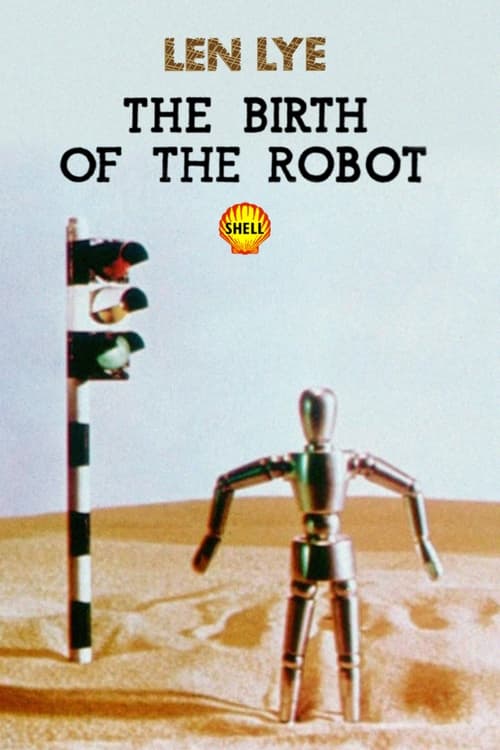
This experiment was a “prestige advertisement” for Shell Motor Oil. As conventional animation became dominated by Walt Disney, many European filmmakers turned to puppets as an alternative, and Lye enlisted the help of avant-garde friends such as Humphrey Jennings and John Banting to make the amusing puppets. Exploring the still-complex color process, which involved the combination of three separate images, Lye creates such a vivid storm scene that reviewers hailed it as “proof that the color film has entered a new stage.” The music is Holst’s The Planets. - Harvard Film Archive
The Birth of the Robot
The film, made to advertise domestic telephone sets, is based around two very different families. The Petts are conventional, happy and have children; the Potts are unconventional and unhappy, without children.
Pett and Pott: A Fairy Story of the Suburbs
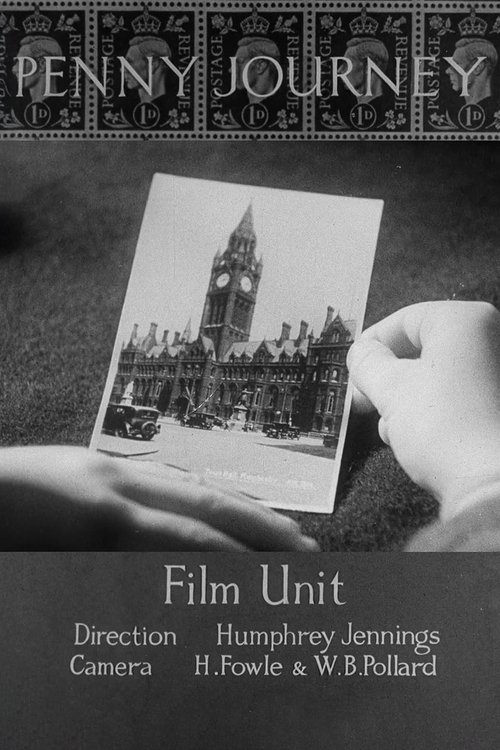
As the subtitle of the film suggests - The Story of a Post Card from Manchester to Graffham - this journey is very much focused on the process of sorting, transporting and delivering the postcard in question.
Penny Journey
Humphrey Jennings’s wartime short rallies Britain’s countryside, showing fields ploughed up from fallow, seed sown, and crops raised on once-idle land as part of the national push to feed the home front—an urgent, lyrical call to turn soil into sustenance.
Spring Offensive
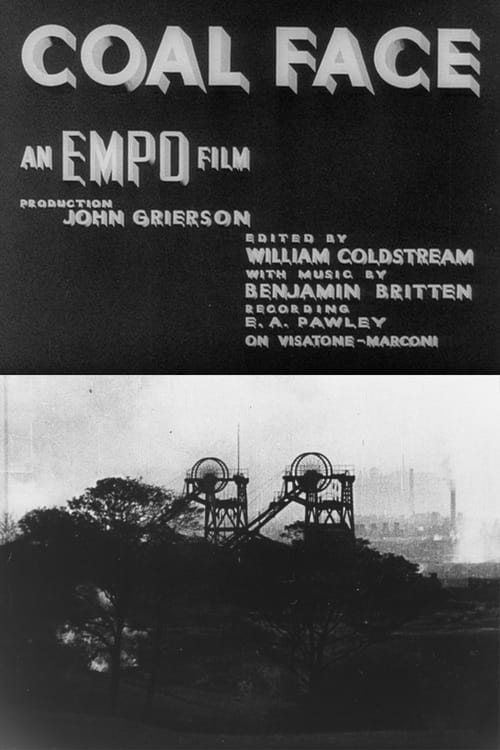
1935 documentary about the hard working life of Welsh coal miners.
Coal Face
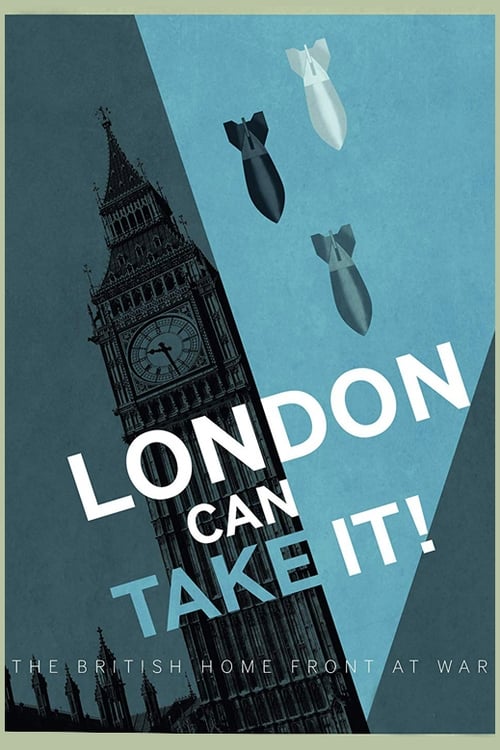
A tribute to the courage and resiliency of Britons during the darkest days of the London Blitz.
London Can Take It!
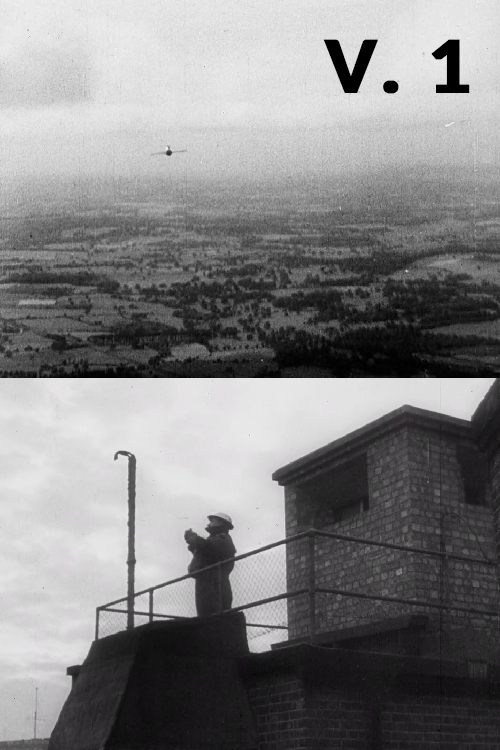
Short documentary on the use of the V-1 Flying Bomb during the German bombings of London.
V.1.
Shot in mid-1939 as S.S. Ionian (also shown as Her Last Trip), Humphrey Jennings’s GPO short follows the Royal Mail steamer on a last peacetime run through the Mediterranean—Gibraltar, Malta, Alexandria, Haifa—under the gaze of the Mediterranean Fleet (HMS Barham, Malaya, Warspite). After the Ionian was sunk by a German mine on 29 November 1939 en route from Crete to Hull, the film was recut and released as Cargoes.