Acting
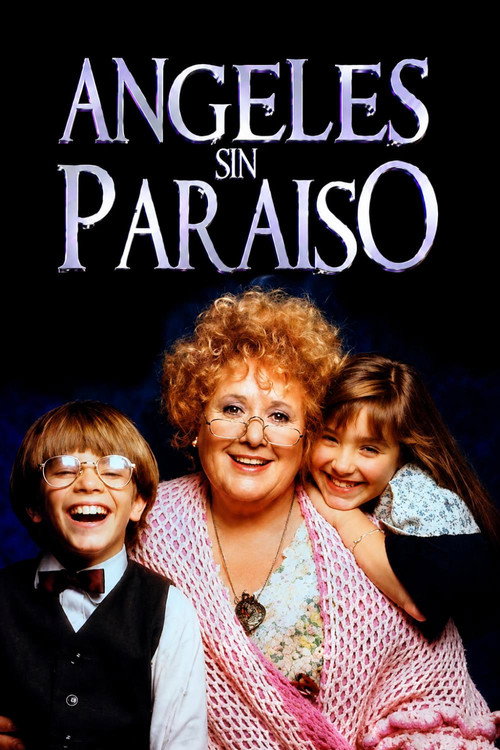
Ángeles sin paraíso is a Mexican children's telenovela produced by Pedro Damián for Televisa and originally broadcast on Canal de las Estrellas from November 9, 1992, to January 29, 1993. Created by Lorena Salazar and Eduardo Quiroga, the telenovela stars Anahí and Felipe Colombo as the child protagonists and is remembered as one of Televisa's early children's telenovelas. The story follows siblings Claudia and Andrés, who are separated from their mother and forced to live under the care of their cruel aunt, Aurora Sombría. Trapped in an isolated mansion where they endure abuse and fear, the children find hope through the kindness of those around them and set out on a journey to reunite with their mother while uncovering the truth behind Aurora's crimes.
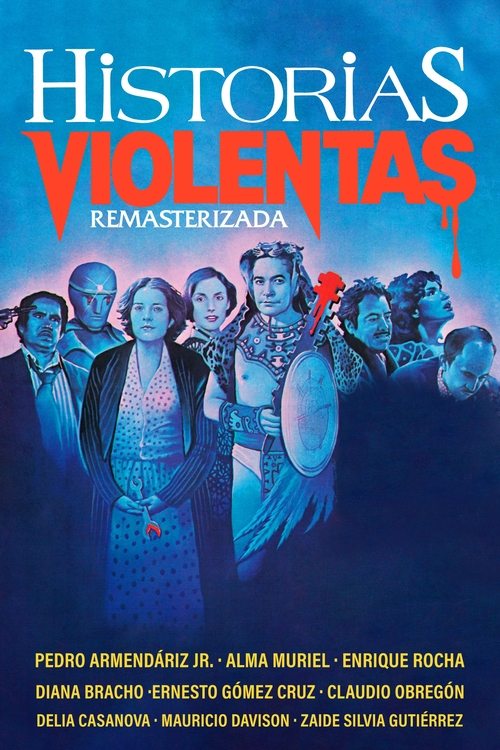
Five surreal short stories make up this Mexican anthology film.
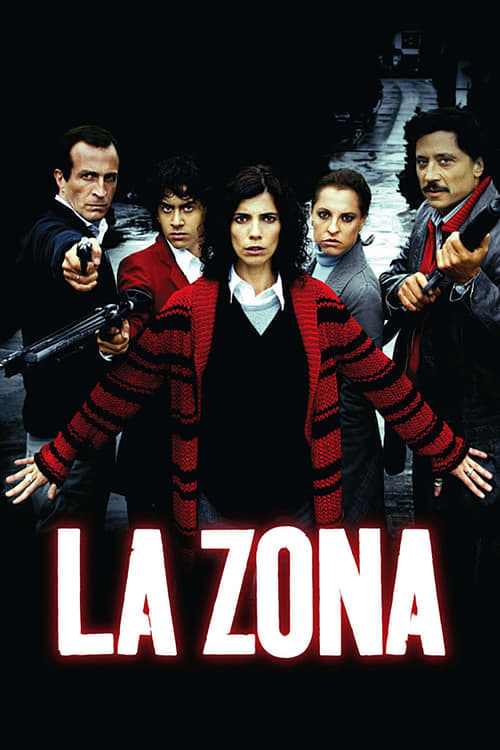
Residents of an enclosed neighborhood in the middle of Mexico DF are shocked by a violent crime, and for one resident in particular, young Alejandro, the drama is ratcheted up when he encounters the lone kid who escaped the event and is hiding out within the neighborhood's borders.
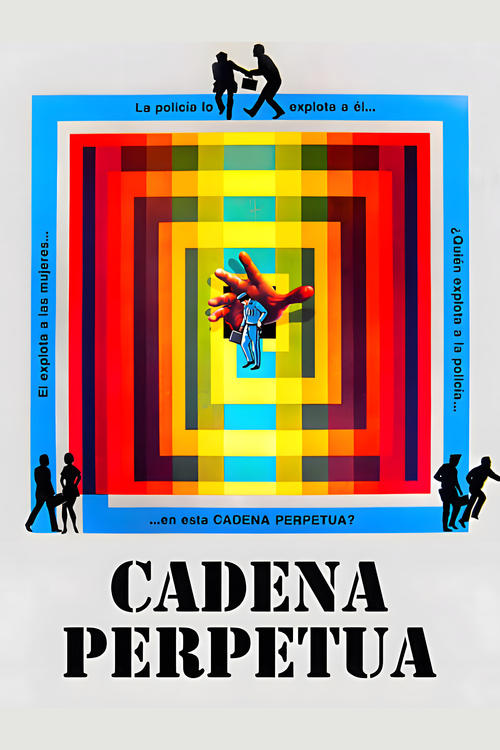
After being released from jail, "Tarzan" Lira seeks to rebuild his life as a bank employee. Unfortunately, it might not be as easy as he thinks.
Story about the encounter between Temístocles and his godfather, whom he believes has killed and now comes back as a ghost to drive him mad. From drama to comedy to the absurd, Temístocles faces his own ghosts until he's about to lose control of himself. His family's economy is almost ruined, his wife is near from giving birth. Realizing he is alive, the possibility to fix his past and breaking up with the curse he's been carrying becomes real.
A naive, good-hearted Los Angeles waitress does not think twice about helping her troubled roommate. Unfortunately, her help lands her in Central America fleeing for her life with a grungy mercenary.
When a worker is found murdered on the construction side, the investigation swiftly turns from things criminal to the political circumstances surrounding the building itself. Widespread corruption and neglect by the builder himself are seen to have brought the situation about. Much of the movie is filmed using hand-held cameras, and the majority of the dialogue is in the difficult-to-understand and very slangy Spanish dialect of Mexico City's bricklayers.
Adaptation and unification in a single story of several stories by the writer Rubem Fonseca, where the theme of violence in contemporary society is explored.
Set in 1934, and meant to dramatize social injustices, this melodrama examines an official's attempt at land reform. The landowners are against any reform and are also not interested in ending the exploitation of their workers. On the opposite side of the fence, the Native Americans have almost no way to better their living conditions or to fight oppression. They are also plagued by "superstition," which leads to some misguided actions that only make things worse. Violence and sexual encounters are interspersed throughout the story.
Poor Dionisio finds himself as recipient of the good fortune, but soon he forgets that everything that goes up also has to go down, and that in the depressing nothingness of his town it is easy to die.
Wild-partying hippie-artist-dilettantes end up forming a revolutionary terrorist cell. The misfit Gato loses a lot of money in bets and his father throws him out of his house. Ál leaves his girlfriend Laura for his lover, the married Adriana. Out of money Gato and Ál becomes urban guerrilla when they plan to kidnap Gato's rich father.
An ordinary day's hike gets rough when two youngsters escape from the main group into the woods and, after finding a grotto, discover that there is more to it than just darkness.
After having his genitals brutally mutilated during childhood, a man must face prejudice and himself.
A gunfighter is appointed sheriff of a town that is terrorized by a gang of criminals.
A 43 minutes short film filmed in Mexico in 1975
A young man dies by electrocution, but his body remains alive for a few days.
The lives of Rolo, Chino and Boby take different courses since the student movement of the 60’s. Some years later, the friends meet again. Rolo has turned into a guerrilla fighter, Boby into a businessman and Chino into an embittered and solitary man.