Pierre Guffroy
Art
Biography
Pierre Guffroy (22 April 1926 – 27 September 2010) was a French production designer and art director. He won an Oscar for Tess in 1979 and had been previously nominated for one in another category Best Art Direction for Is Paris Burning? in 1966. Source: Article "Pierre Guffroy" from Wikipedia in English, licensed under CC-BY-SA.
Known For

A young girl living in the French countryside suffers constant indignities at the hand of alcoholism and her fellow man.
Mouchette

Set in Baroque France, a scheming widow and her lover make a bet regarding the corruption of a recently married woman. The lover, Valmont, bets that he can seduce her, even though she is an honorable woman. If he wins, he can have his lover to do as he will. However, in the process of seducing the married woman, Valmont falls in love.
Valmont

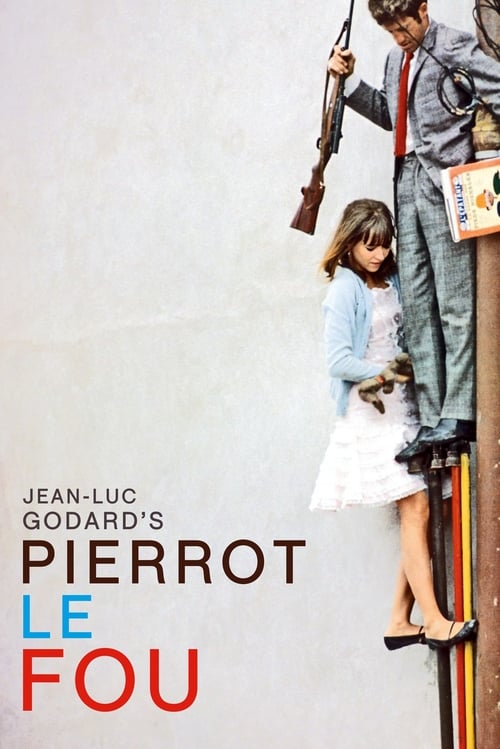
Pierrot escapes his boring society and travels from Paris to the Mediterranean Sea with Marianne, a girl chased by hit-men from Algeria. They lead an unorthodox life, always on the run.
Pierrot le Fou

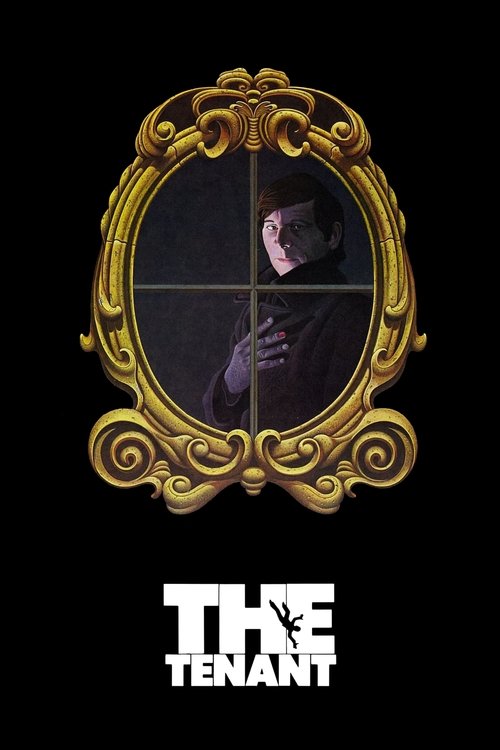
A quiet and inconspicuous man rents an apartment in Paris where he finds himself drawn into a rabbit hole of dangerous paranoia.
The Tenant

Successful surgeon Tomas leaves Prague for an operation, meets a young photographer named Tereza, and brings her back with him. Tereza is surprised to learn that Tomas is already having an affair with the bohemian Sabina, but when the Soviet invasion occurs, all three flee to Switzerland. Sabina begins an affair, Tom continues womanizing, and Tereza, disgusted, returns to Czechoslovakia. Realizing his mistake, Tomas decides to chase after her.
The Unbearable Lightness of Being

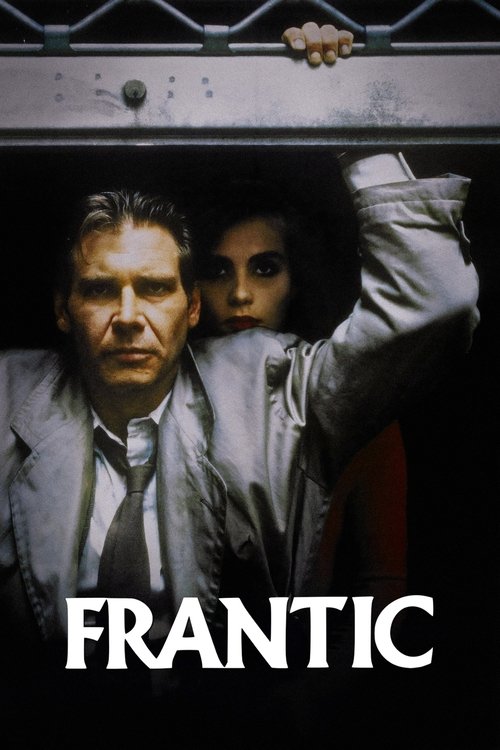
The wife of an American doctor suddenly vanishes in Paris. To find her, he navigates a puzzling web of language, locale, laissez-faire cops, triplicate-form filling bureaucrats and a defiant, mysterious waif who knows more than she tells.
Frantic

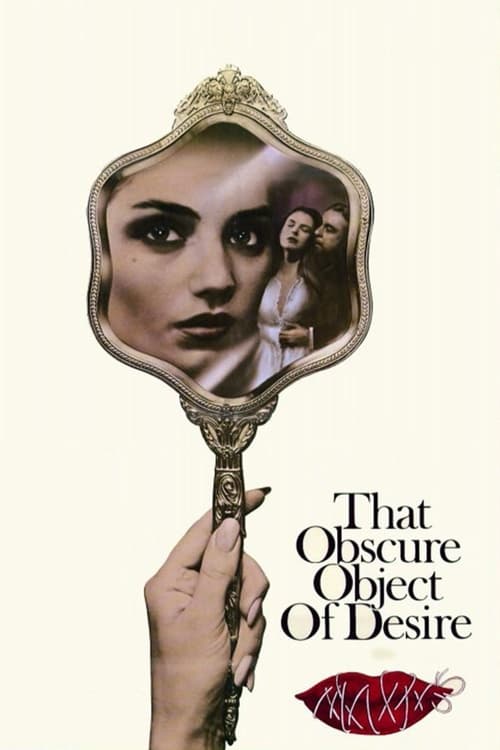
After dumping a bucket of water on a beautiful young woman from the window of a train car, wealthy Frenchman Mathieu, regales his fellow passengers with the story of the dysfunctional relationship between himself and the young woman in question, a fiery 19-year-old flamenco dancer named Conchita. What follows is a tale of cruelty, depravity and lies -- the very building blocks of love.
That Obscure Object of Desire

A self-assured businessman murders his employer, husband of his mistress, which unintentionally provokes an ill-fated chain of events.
Elevator to the Gallows

In Luis Buñuel’s deliciously satiric masterpiece, an upper-class sextet sits down to dinner but never eats, their attempts continually thwarted by a vaudevillian mixture of events both actual and imagined.
The Discreet Charm of the Bourgeoisie

A strong-willed peasant girl is sent by her father to the estate of some local aristocrats to capitalize on a rumour that their families are from the same line. This fateful visit commences an epic narrative of sex, class, betrayal, and revenge.
Tess

A detective decides to go undercover and set up a group of robbers, but he may be getting too caught up in the task at hand.
Max and the Junkmen

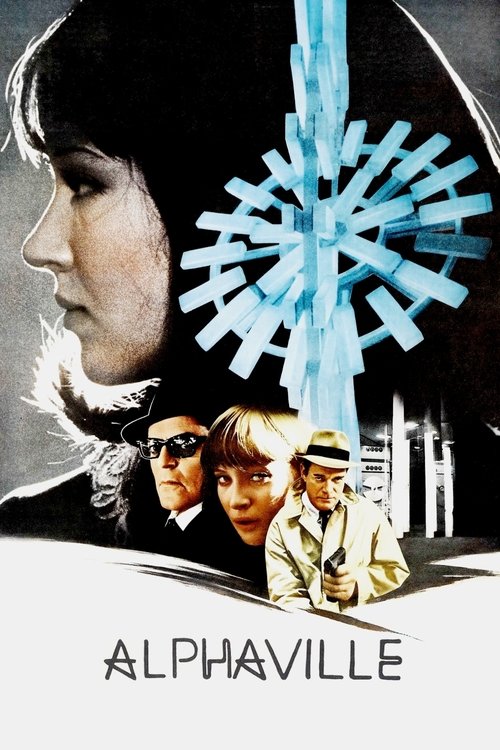
Lemmy Caution is on a mission to eliminate Professor Von Braun, the creator of a malevolent computer that rules the city of Alphaville. Befriended by the scientist’s daughter Natasha, Lemmy must unravel the mysteries of the strictly logical Alpha 60 and teach Natasha the meaning of the word “love.”
Alphaville

A political activist is convinced that her guest is a man who once tortured her for the government.
Death and the Maiden

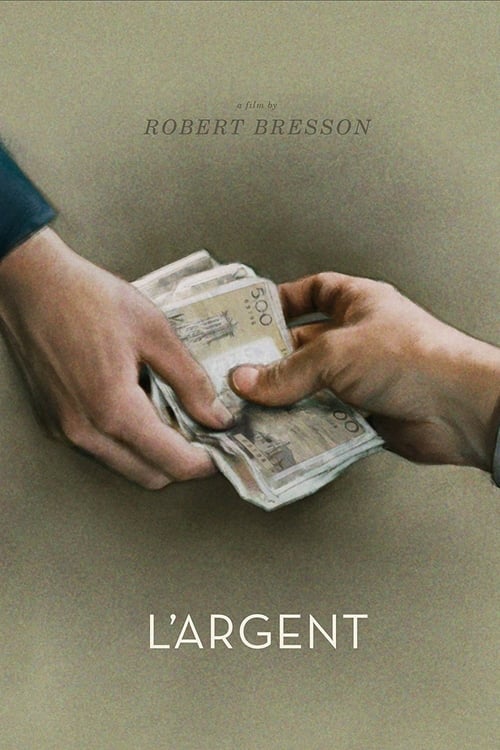
A forged 500-franc note is passed from person to person and shop to shop, until it falls into the hands of a genuine innocent who doesn't see it for what it is—which will have devastating consequences on his life.
L'Argent

This Surrealist film, with a title referencing the Communist Manifesto, strings together short incidents based on the life of director Luis Buñuel. Presented as chance encounters, these loosely related, intersecting situations, all without a consistent protagonist, reach from the 19th century to the 1970s. Touching briefly on subjects such as execution, pedophilia, incest, and sex, the film features an array of characters, including a sick father and incompetent police officers.
The Phantom of Liberty

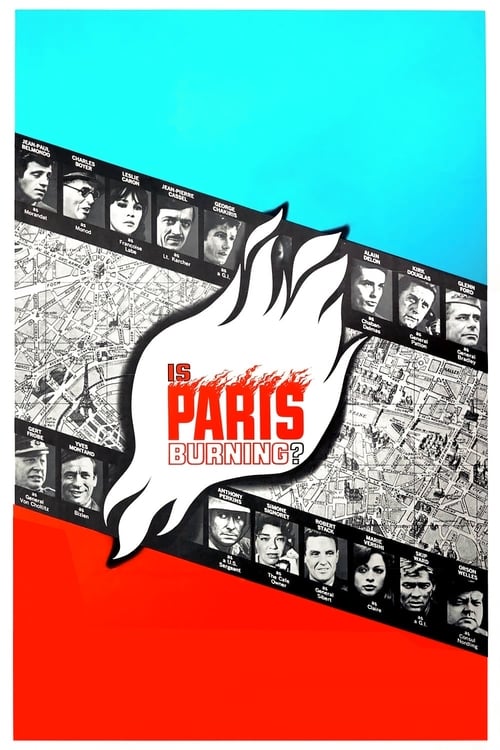
Near the end of World War II, Gen. Dietrich von Choltitz receives orders to burn down Paris if it becomes clear the Allies are going to invade, or if he cannot maintain control of the city. After much contemplation Choltitz decides to ignore his orders, enraging the Germans and giving hope to various resistance factions that the city will be liberated. Choltitz, along with Swedish diplomat Raoul Nordling, helps a resistance leader organize his forces.
Is Paris Burning?

Duke Philippe de Nevers is an influential and popular man who is married to a beautiful wife called Aurore. His rival Philippe de Gonzague hates him enough to organise an attempt on him. The Duke is accompagnied by Henri de Lagardère when de Gonzague's henchmen altogether attack him. Lagardère cannot save his friend because the both of them are hopelessly outnumbered. He has to escape in order to save the Duke's daughter and swears revenge. Together with his old buddy Passepoil he raises the little girl in Spain. At the same time he returns frequently to France where he detects confronts his friend's murderers and puts them to the sword one by one until only their former leader is left. Finally he discovers that Philippe de Gonzague is the man for whom he is looking.
The Hunchback of Paris

Young lovers Orfeu and Eurydice run through the favelas of Rio during Carnaval, on the lam from a hitman dressed like Death and Orfeu's vengeful fiancée Mira and passing between moments of fantasy and stark reality. This impressionistic retelling of the Greek legend of Orpheus and Eurydice introduced bossa nova to the world with its soundtrack by young Brazilian composers Luiz Bonfá and Antonio Carlos Jobim.
Black Orpheus

A US Army colonel in France tries to track down an escaped sex maniac.
Rider on the Rain

Israeli attorney Hanna Kaufman's beliefs are challenged when she's appointed to the defense of Selim Bakri. Kaufman, born in the United States to survivors of the Holocaust, has always accepted Israel's right to exist. However, she bears witness to some of its sovereign costs when she meets Bakri, a dispossessed Palestinian man facing serious criminal charges who wants the same thing as his supposed enemies: to reclaim his family home.